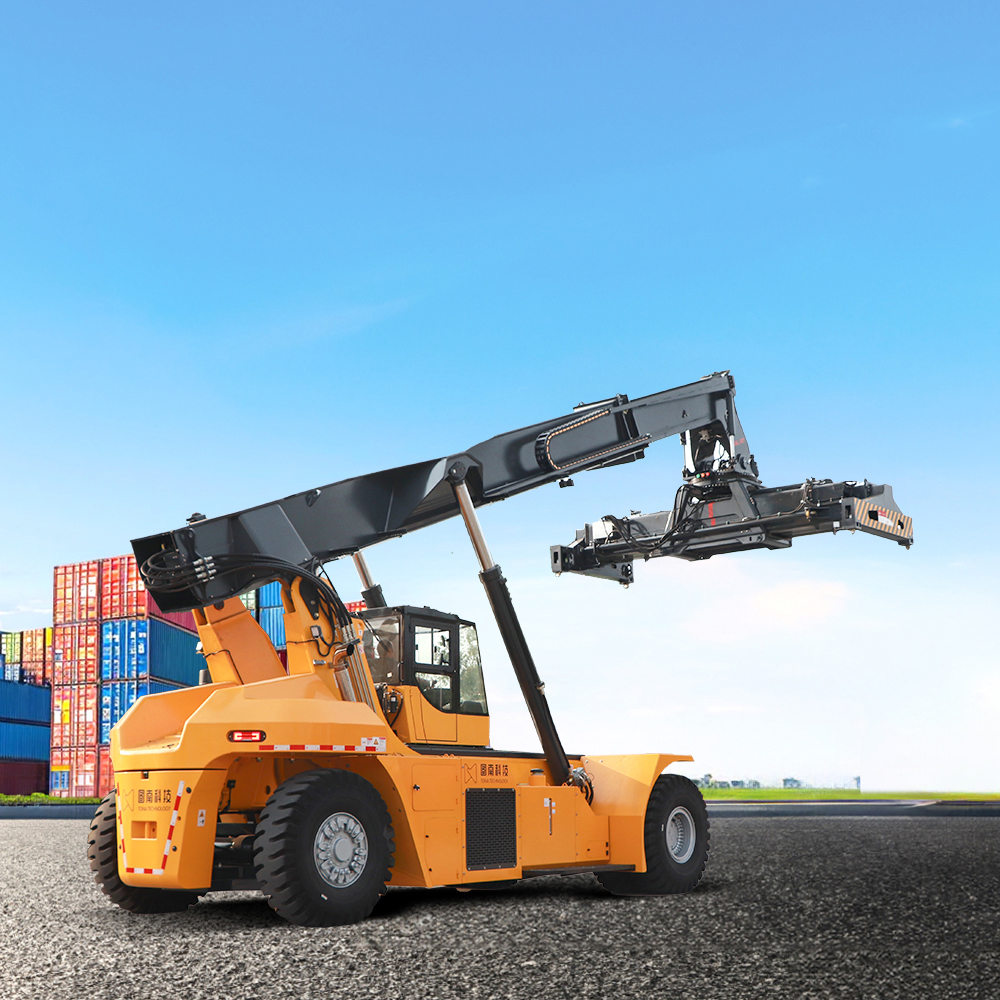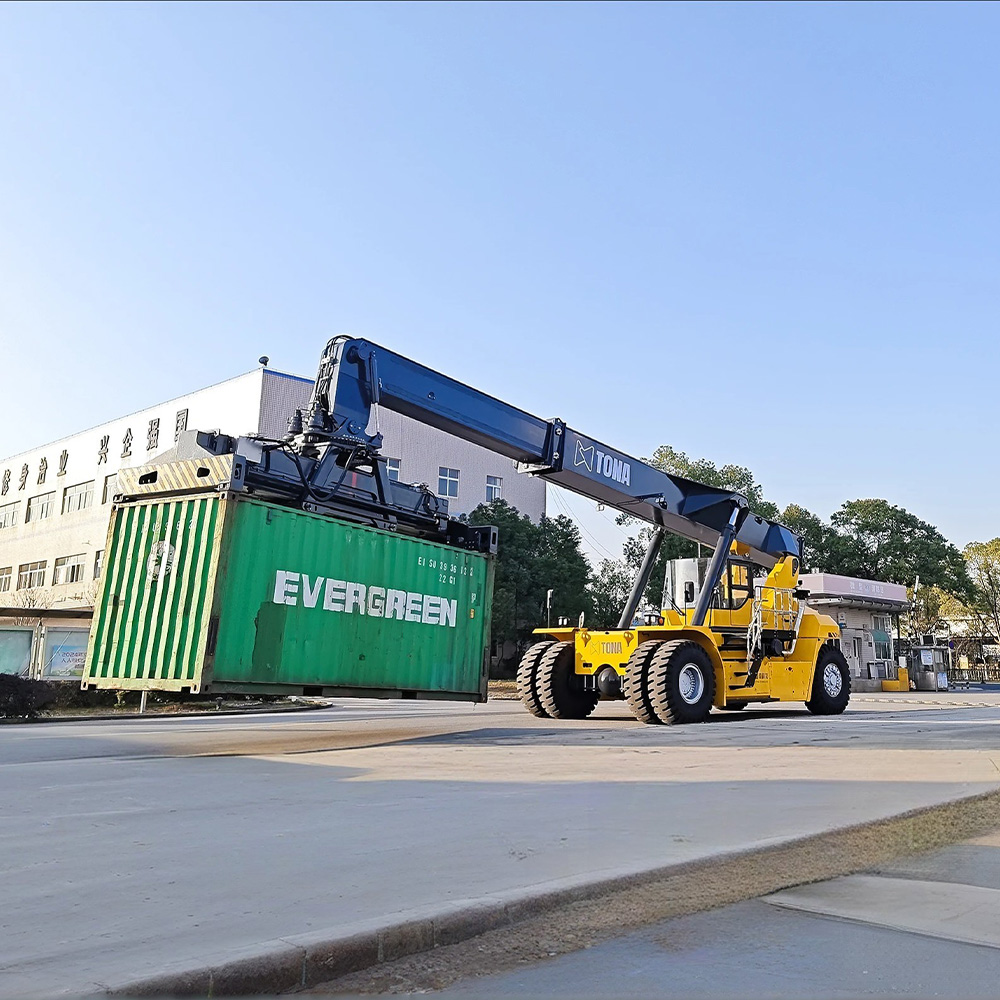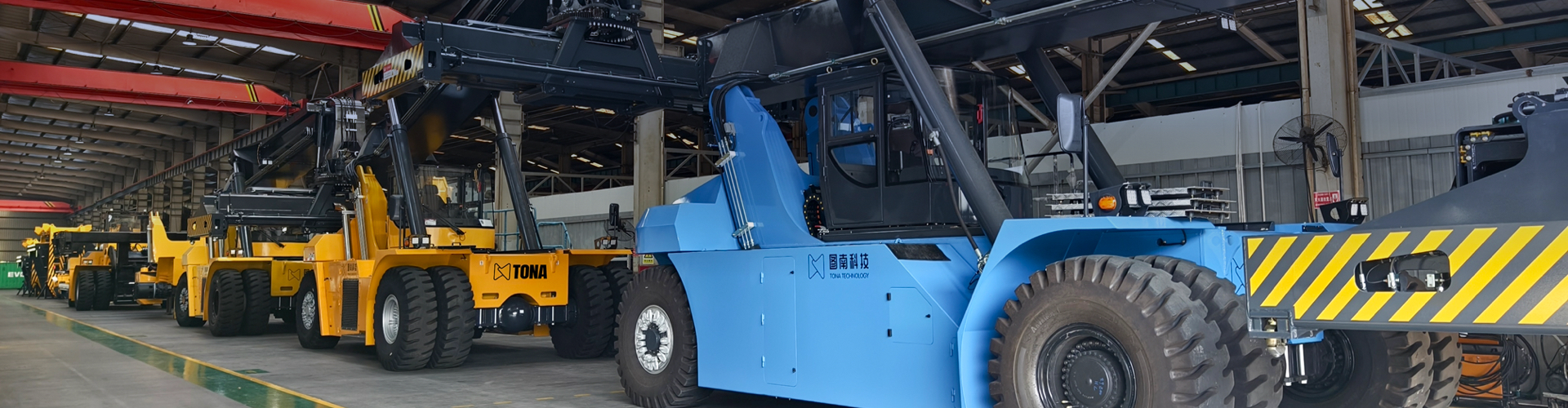

In high-throughput ports and intermodal terminals, equipment selection hinges on a precise understanding of operational intensity. Miscalculating the required duty cycle leads to either excessive capital expenditure or catastrophic operational bottlenecks. Procurement teams often struggle to quantify the exact tipping point where continuous operation, heavy load profiles, and environmental factors necessitate diesel power over emerging electric alternatives. Under-specifying results in accelerated component wear and thermal overload. Over-specifying inflates fuel and maintenance costs unnecessarily.
This guide provides a rigorous framework for analyzing terminal duty cycles. We map cycle times to capacity logic and determine the exact operational thresholds where a diesel-powered Reach Stacker delivers the highest verifiable reliability. You will learn how to evaluate load profiles, assess spatial constraints, and match machine specifications to your yard's unique demands.
Endurance Dictates Power Source: Diesel remains the standard for continuous 24/7 operations where charging downtime or battery swapping is logistically prohibitive.
Capacity is Dynamic, Not Static: True lifting capability is governed by the duty cycle—specifically the ratio of time spent under load, traveling, and idling—rather than just the maximum plate rating.
Reach and Height Alter the Cycle: Operations relying heavily on a second row container reach stacker experience longer cycle times, altered stability requirements, and elevated hydraulic thermal loads.
Defining Duty Cycles in Container Handling Operations
A duty cycle represents the complete sequence of actions required to move a single container from one point to another. We break down this cycle into four primary phases. Each phase places distinct mechanical and thermal demands on the engine, transmission, and hydraulic systems. Understanding this breakdown is the first step in matching equipment to your operational reality.
Lifting and Lowering: The machine engages the container, hoists it to the required height, and eventually lowers it into position. This phase demands maximum hydraulic pressure and engine torque.
Loaded Travel: The machine moves across the yard with a suspended load. This stresses the drive axle, transmission, and front tires while requiring careful stability management.
Unloaded Travel: The machine returns to the quay or stack empty. While less stressful on the chassis, high-speed unloaded travel still generates transmission heat.
Idle Time: The machine remains stationary with the engine running while waiting for trucks, trains, or yard clearance.
The duration of a single complete cycle dictates your maximum hourly throughput. This metric directly influences fleet sizing and yard planning. If a cycle takes exactly three minutes, a single machine peaks at twenty moves per hour. High-density terminals require precise cycle time calculations to prevent yard congestion and maintain strict vessel loading schedules. You cannot afford to guess these numbers.
Yard configuration determines the baseline duty cycle profile. Perpendicular versus parallel stacking layouts change the initial-to-target container positioning vectors. The travel distance from the quay to the stack also alters the ratio of travel time to lifting time. Long travel distances increase transmission heat and accelerate tire wear. Short, repetitive lifting cycles in tight spaces generate massive hydraulic heat.
High-frequency cycles without adequate cooling periods cause severe thermal and mechanical stress. Hydraulic fluid degrades rapidly under sustained high pressure, losing its lubricating properties. Transmission components wear faster when subjected to constant, aggressive direction changes. Engine life shortens significantly if the cooling package cannot dissipate heat during continuous heavy lifts.
You must use data-driven profiling to establish an accurate baseline of current operational intensity. Telematics and terminal operating system data reveal actual machine utilization. Relying on operator estimates or outdated yard models leads to poor procurement decisions. Analyze your existing fleet data to understand your true duty cycles before specifying new equipment.
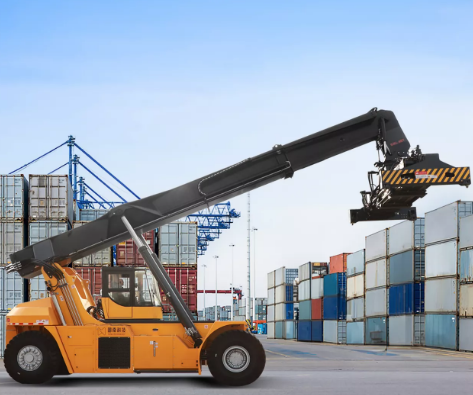
When Operational Intensity Demands a Diesel Reach Stacker
Continuous three-shift operations make diesel the only viable option in many high-volume terminals. Megawatt charging infrastructure remains scarce, expensive, or prohibitively complex to install in older ports. Operations simply cannot afford charging downtime when vessel turnaround times are tight and rail cars are waiting. Diesel engines provide unlimited endurance as long as the fuel truck can reach the yard.
Diesel powertrains offer proven resilience in harsh outdoor environments. Extreme cold or intense heat degrades battery efficiency rapidly, reducing operational hours per charge. High-particulate environments, like bulk handling ports, choke sensitive electronic cooling systems. Uneven terrain stresses structural components and demands robust mechanical drivetrains. Diesel machines handle these brutal conditions with minimal performance drop-off.
Simultaneous lifting, telescoping, and traveling maneuvers require sustained, instantaneous torque. Diesel engines deliver peak power reliably under maximum load without hesitation. Electric alternatives often throttle performance to protect battery reserves or prevent inverter overheating during simultaneous multi-function operations. Heavy-duty cycles demand the uncompromised, raw power delivery of a modern diesel engine.
Analyzing Load Profiles, Stacking Geometry, and Maneuverability
Evaluating the 45 Ton Container Reach Stacker for Peak Loads
Standard first-row operations dominate many terminal duty cycles. A 45 ton container reach stacker frequently handles maximum capacity lifts in these scenarios. The frequency of these heavy lifts defines the severity of the duty cycle. Constant 45-ton lifts require robust structural integrity, massive counterweights, and high-capacity hydraulics to prevent premature failure.
Stacking height dynamics significantly alter the work cycle. Five-high versus six-high stacking cycles increase the boom lift and lower duration by several seconds per move. Hydraulic pressure profiles spike as the boom extends vertically to its maximum limit. Overall cycle complexity increases, requiring more precise operator control, slower movements, and longer cycle times.
Repeatedly lifting 45 tons impacts hydraulic pump sizing and variable displacement systems. Fuel consumption per move increases exponentially near maximum capacity. The hydraulic system must maintain 300+ bar of pressure without stalling the engine. Proper pump specification ensures efficient power transfer during these heavy lifts, keeping cycle times consistent.
High-frequency, maximum-weight cycles cause structural fatigue over time. The boom and chassis absorb massive stress during lifting and traveling. Weight distribution shifts dramatically to the front axle as the boom extends. Machines must feature reinforced steel structures and heavy-duty planetary drive axles to withstand years of continuous heavy lifting.
Second Row Container Reach Stacker Operations
Reaching into the second and third rows changes the physics of lifting entirely. Capacity drops significantly as the load center moves outward from the front tires. A machine rated for 45 tons in the first row may only handle 30 to 35 tons in the second row. A dedicated second row machine is engineered with a longer wheelbase and heavier counterweight to manage these extended load centers safely.
Extending the boom and navigating over first-row obstacles increases the lift phase duration. This alters the overall duty cycle and reduces hourly throughput. Operators must maneuver carefully to avoid collisions with adjacent containers. You must factor this increased cycle time into your terminal productivity models to avoid overestimating yard capacity.
Operating at maximum forward reach under load stresses front axle components severely. Tires experience extreme compression and rapid tread wear. Counterweight dynamics shift, requiring careful stability management by the operator. Frequent second-row picks accelerate wear on the entire front end of the machine, necessitating more frequent inspections.
Maneuverability and Yard Footprint Constraints
Turning radius, wheelbase, and overall physical dimensions affect cycle speed. Confined terminal lanes require compact machines with excellent steering geometry. A smaller footprint allows faster positioning and reduces cycle times. Spatial efficiency metrics are critical when evaluating equipment for tight yards with narrow aisles.
Frequent, tight maneuvering accelerates tire tread wear. Crab steering under heavy load cycles stresses the steering hydraulics and rear axle linkage. Operators often turn the wheels while stationary, causing severe tire scrubbing and rapid rubber degradation. Robust steering axles and premium industrial tires are mandatory for yards with narrow aisles.
Specifying a Heavy Duty Container Reach Stacker for High-Volume Terminals
We must differentiate between standard port operations and ultra-high-volume intermodal rail yards. In heavy-duty applications, machines operate near maximum capacity for over 75% of their active hours. A heavy duty container reach stacker is built specifically for this relentless, punishing pace.
Continuous duty requires significant component upgrades across the board. Heavy-duty drive axles handle constant heavy loads without failing. Reinforced booms resist fatigue from high-frequency cycles. Wet disc brakes provide reliable stopping power and require far less maintenance than dry systems. High-capacity cooling packages prevent engine and hydraulic overheating during continuous summer operations.
Preventative maintenance schedules differ vastly between standard and heavy-duty applications. Accelerated service intervals are necessary to prevent catastrophic failures. Fluid analysis becomes a critical diagnostic tool to monitor component wear. You must account for the downtime associated with more frequent maintenance when calculating fleet availability.
Comparison of Standard vs. Heavy-Duty Specifications | ||
Component | Standard Duty Application | Heavy-Duty Application |
|---|---|---|
Cooling System | Standard capacity radiator | Oversized, multi-core cooling package |
Drive Axle | Standard planetary reduction | Reinforced heavy-duty planetary |
Brakes | Dry disc or standard wet disc | High-capacity forced-cooling wet disc |
Boom Structure | Standard high-tensile steel | Reinforced plating at high-stress points |
Hydraulic Filtration | Standard return line filter | High-efficiency bypass filtration system |
Fuel Efficiency and Emissions Under Load
Fuel consumption varies drastically across cycle phases. Lifting consumes the most fuel per minute, followed closely by loaded travel. Idle time often accounts for up to 40% of engine hours in poorly optimized terminals. Reducing idle time through better yard management is the fastest way to improve overall fuel efficiency and reduce operating costs.
Modern diesel engines must comply with strict emissions standards like Tier 4 Final or Stage V. These engines require Diesel Exhaust Fluid and utilize Diesel Particulate Filters. Low-load idling causes soot to accumulate rapidly in the filter. This forces frequent active regeneration cycles, which burn extra fuel, generate intense exhaust heat, and cause operational delays.
Load-sensing hydraulics mitigate energy waste effectively. Variable displacement pumps supply power only on demand. When the machine is idling or performing light tasks, the pumps destroke. This reduces parasitic load on the engine, improving the energy efficiency of the entire duty cycle and lowering fuel consumption.
Implementation Risks and Mitigation Strategies
Long duty cycles take a physical toll on operators. Cabin ergonomics directly impact productivity and safety. Operators must lean side to side and forward to clear blind spots when handling 40-foot boxes. Sliding cabin designs improve visibility during complex lifts. Active blind-spot mitigation, such as radar and 360-degree cameras, ensures safety during intensive maneuvers.
Unplanned downtime cripples high-intensity operations. You must implement predictive maintenance telematics to monitor machine health in real-time. Integrate machine diagnostics with your maintenance software to catch failing components early. Maintain a standardized on-site parts inventory for critical wear items like sensors, filters, and hydraulic hoses to minimize repair times.
Deploying heavy machines on inadequate surfaces causes rapid pavement degradation. Terminal surfaces must be rated for increased dynamic axle loads. Heavy-duty machines exert massive pressure on the ground, especially during loaded turns. Assess your infrastructure and consult civil engineers before upgrading to larger, heavier equipment.
Conclusion
Audit your current fleet's telematics data to determine exact cycle times, idle ratios, and fuel burn rates.
Map your specific load profiles and stacking height requirements to potential equipment specifications.
Prioritize models with verified fuel consumption data, heavy-duty drive axles, and robust cooling packages.
Assess your terminal's surface infrastructure to ensure it can support the dynamic axle loads of heavier machines.
FAQ
Q: How do you calculate the duty cycle for a reach stacker?
A: You calculate the duty cycle by adding the time spent under load, travel time, and idle time over a specific operational period. This is typically expressed as a percentage of a shift. You must factor in the initial-to-target container positions to get an accurate measurement.
Q: Can a 45 ton container reach stacker lift maximum capacity in the second row?
A: No, capacity typically drops to 30-35 tons in the second row. This reduction is due to the physics of load centers, stability limits, counterweight configurations, and boom geometry constraints when reaching further outward.
Q: What is the average lifespan of a diesel reach stacker in heavy-duty applications?
A: A machine in heavy-duty applications typically lasts between 15,000 and 25,000 hours. The exact lifespan depends heavily on strict adherence to preventative maintenance schedules, environmental conditions, and the overall severity of the daily operations.
Q: How does excessive idle time affect modern diesel reach stackers?
A: Excessive idling negatively impacts Tier 4 Final and Stage V engines. It causes rapid soot accumulation in the Diesel Particulate Filter. This requires forced regeneration cycles, which waste fuel, increase maintenance costs, and cause operational downtime.
Q: What is a standard cycle time for a container handling operation?
A: A standard baseline is typically 2 to 4 minutes per move. However, second-row picks, stacking 5 or 6 containers high, and long travel distances across the yard will significantly increase this cycle time.
Q: When should a terminal transition from diesel to electric reach stackers?
A: A transition makes sense when duty cycles allow for sufficient charging windows. The terminal must also have infrastructure capable of supporting megawatt charging. Finally, the operations should not require strictly continuous 24/7 heavy lifting without breaks.
Related Blogs
-
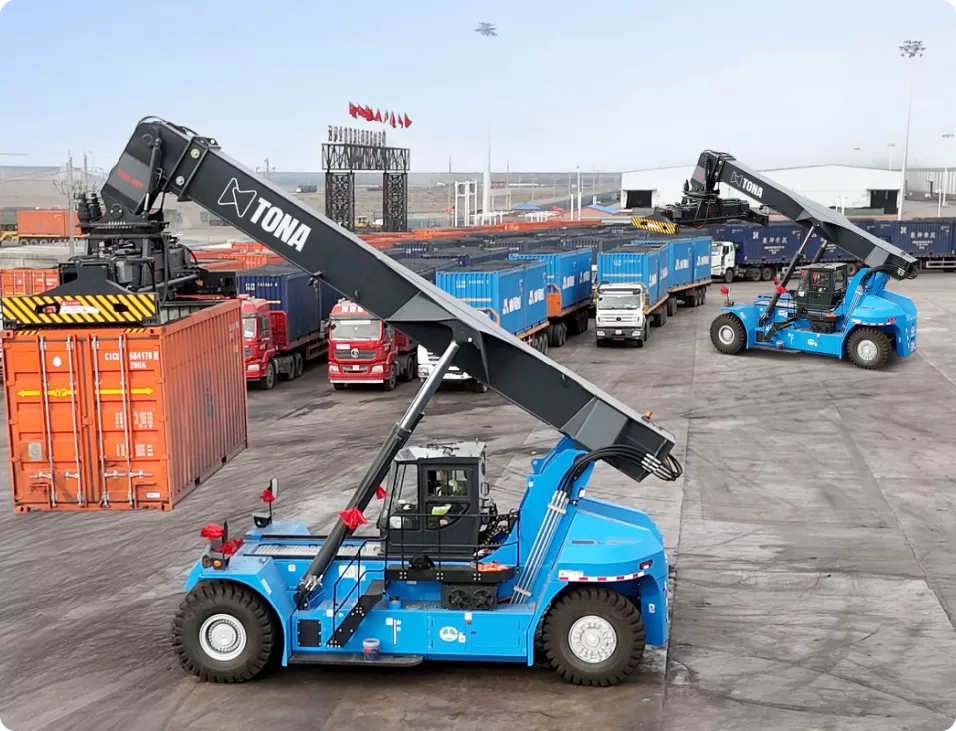 Choosing the wrong container handling equipment can cost more than the machine itself. If the capacity is too low, the equipment may not handle loaded containers safely.blogs
 -
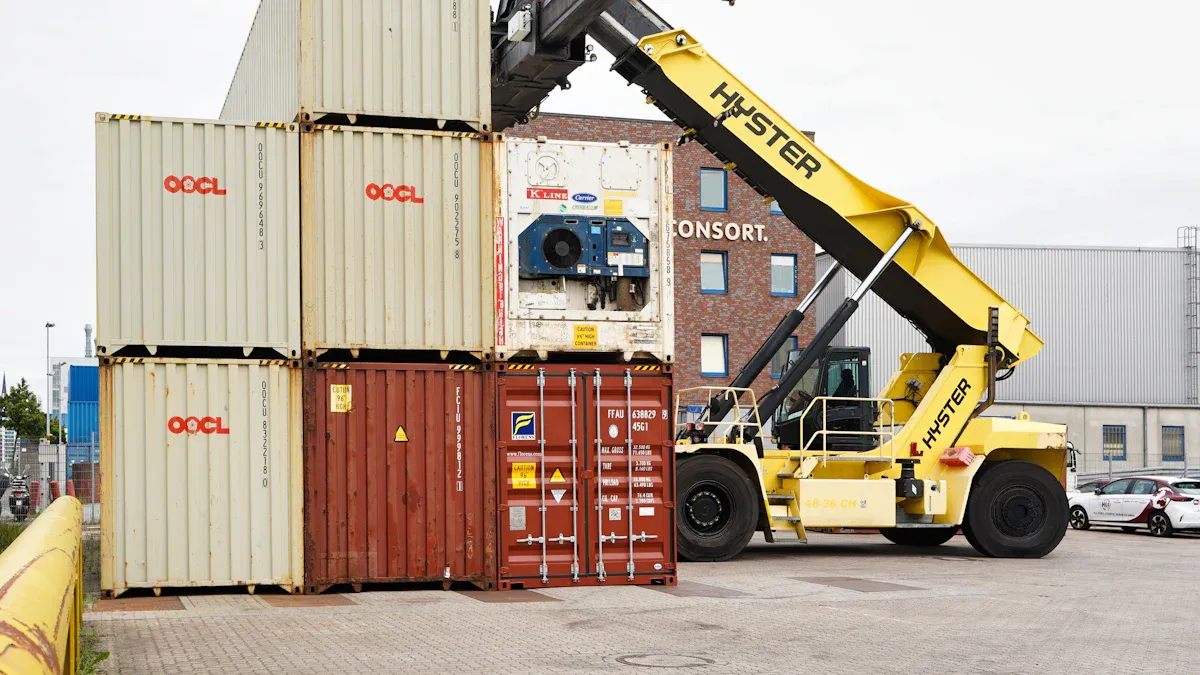 Operating a forklift reach stacker efficiently is not only about moving containers faster. In real port, depot, and container yard operations, the fastest operator is not always the most productive operator.blogs
 -
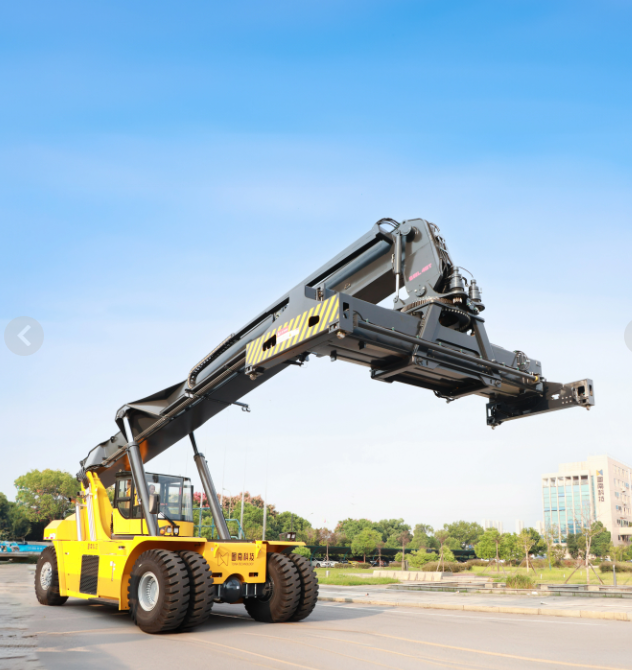 Buying a reach stacker is not like buying ordinary warehouse equipment. It is a major investment that directly affects container handling efficiency, operator safety, maintenance cost, and long-term terminal performance.blogs
 -
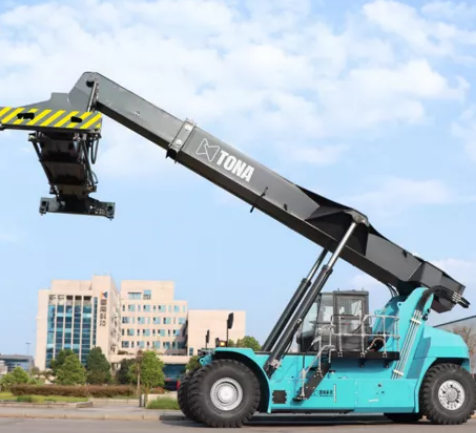 A reach stacker forklift works under heavy loads every day. It lifts containers, moves through busy yards, handles repeated braking and turning, and often operates for long shifts in ports, terminals, depots, and logistics centers.blogs