
Operating heavy port and terminal equipment carries high operational and liability risks. Catastrophic tipping, dropped containers, and pedestrian collisions stem from inadequate standardization, not just operator error. When facilities rely on operator intuition rather than strict rules, accident rates inevitably climb. Moving from basic licensing to a zero-incident operation requires a rigid framework. You must ground your approach in physics, standardized safety protocols, and rigorous pre-checks.
This guide provides a comprehensive, compliance-focused standard operating procedure (SOP) for reach stacker operations. We will walk through exact protocols covering everything from pre-shift planning to safe stacking and proper machine shutdown. It serves as an ideal resource for fleet managers looking to standardize daily workflows. It also provides critical insights for buyers evaluating machine safety features. Following these guidelines ensures you protect your workforce, your inventory, and your heavy machinery.
Key Takeaways
The 4-Step SOP: Safe operation strictly follows a closed-loop framework: Plan, Prepare, Perform, and Pack Up.
Physics Over Assumptions: Stability relies on understanding the fulcrum point, tailswing geometry, and the critical difference between Maximum Rated Capacity (MRC) and Working Load Limit (WLL).
The "4-Light" Mandate: Never initiate a lift without 100% confirmation from the twist-lock indicator lights.
Procurement Considerations: Modern fleet safety heavily depends on evaluating reach stackers for advanced interlock sensors, optimized visibility, and automated stability limits.
1. Core Principles of Reach Stacker Stability and Risk Assessment
Accidents cause severe operational downtime and liability. Establishing ground rules is the first step in risk mitigation. A reach stacker handles massive loads at extreme heights. Relying on guesswork inevitably leads to disaster. You must build your safety culture on objective physics and clear operational boundaries.
The Man-Machine-Environment Framework
Safety experts evaluate risk across three interconnected dimensions. A failure in any single dimension compromises the entire operation.
Man: Operators must meet specific age requirements and hold active licensing. They must wear compliant personal protective equipment (PPE) at all times. Fleet managers must enforce a zero-tolerance policy for external rushing. Pressure from supervisors or impatient drivers directly causes careless maneuvering.
Machine: Operators must understand core physics. The front axle acts as the machine's fulcrum point. Think of it like a seesaw. Extending the boom shifts the center of gravity forward. This action exponentially increases the risk of tipping.
Environment: Terminal layouts dictate safety. You must segregate pedestrian zones entirely from heavy equipment zones. Enforce strict power line clearances. Operators must map gradient risks and avoid operating on unlevel ground.
MRC vs. WLL: Understanding Capacity
Never confuse theoretical limits with practical safety boundaries. You must distinguish between Maximum Rated Capacity (MRC) and Working Load Limit (WLL).
Metric | Definition | Operational Reality |
|---|---|---|
Maximum Rated Capacity (MRC) | The absolute theoretical engineering limit set by the factory under perfect, static conditions. | Rarely achievable in daily operations. Do not use this as your daily lifting target. |
Working Load Limit (WLL) | The practical, safe lifting limit. It factors in dynamic movement, wind speeds, and mechanical wear. | The true operational limit. WLL is always lower than MRC. It dictates your actual safe payload. |
Common Mistake: Pushing a machine to its MRC during high winds. This ignores the dynamic forces acting on the boom and guarantees a stability failure.
2. Phase 1 & 2: Work Planning and Pre-Operational Checks
Safe operation strictly follows a closed-loop framework. You must plan the task and prepare the equipment before ever turning the ignition key.
Plan the Task
Blind lifting destroys equipment. You must verify the container weight via data plates before approaching the load. Always calculate the total weight by adding the tare weight to the gross cargo weight. Check this against your machine's WLL.
Next, assess environmental limits. High winds present a massive overturning hazard. Suspended containers act like giant sails. If wind speeds exceed 30 mph, halt operations immediately. The "sail effect" can easily drag a heavy machine off balance, regardless of operator skill.
Prepare the Machine (Walkaround Checklist)
A rigorous pre-operational check prevents catastrophic mid-lift failures. Operators must complete this walkaround at the start of every shift.
Structural Checks: Inspect the spreader, twist-locks, lift eyes, and rotation mechanisms. Look for hairline fractures in the metal. Ensure all moving parts show adequate lubrication.
Hydraulic Inspection: Check hydraulic hoses and cylinders for micro-leaks. Even a minor fluid weep indicates a failing seal. A blown hose under load will drop a container instantly.
Tire Pressure and Integrity: Ensure tires are properly inflated. Pay special attention to multi-piece rims. Multi-piece rim failures are highly explosive and deadly. Never operate a machine showing rim damage.
Cabin Controls Test: Boot up the machine. Test the weight limit sensors and warning lights. Verify the braking systems engage firmly. Check your radio or communication devices.
Best Practice: Log every walkaround digitally. This builds accountability and helps maintenance teams track recurring hydraulic issues before they cause downtime.
3. Phase 3: Executing Lifts and Container Stacking
Once you clear the planning phases, you move to execution. Smooth, calculated movements define professional operation.
Alignment and Engagement
Approach the container squarely. You want the spreader perfectly parallel to the container roof. Once close, use the side-shift functionality to fine-tune your alignment. Do not use erratic chassis movements or sudden steering jerks to align the pins.
The Twist-Lock Rule: You must wait for all four twist-lock indicator lights to illuminate inside the cabin. Never apply lifting force until you achieve 100% confirmation. Lifting a container on three locked pins will bend the spreader frame or cause a mid-air drop.
The "Test Lift" Protocol
Never hoist a newly engaged container straight to stacking height. Always perform a test lift.
Lift the container just a few inches off the ground.
Pause the machine completely.
Verify hydraulic responsiveness. Ensure the system holds the pressure without sinking.
Check the center of gravity. Confirm the load is balanced and the machine feels stable.
Only after passing this test should you hoist the container to travel or stacking height.
Stacking Mechanics
Keep physics in mind when stacking. Retract the boom as much as possible when handling heavy loads. A retracted boom keeps the center of gravity close to the machine body, maintaining maximum stability. Pushing a heavy load outward dramatically increases tipping risk.
Never attempt to stack on lateral inclines. Even a slight side slope shifts the center of gravity dangerously close to the machine's tipping axis. Always operate on flat, graded surfaces.
4. Safe Tramming, Navigation, and Spotter Protocols
Moving a loaded reach stacker across a busy terminal requires extreme vigilance. You are managing massive blind spots and dynamic weight shifts.
Travel Posture
Tramming safely requires a low center of gravity. Lower the container to approximately 3 meters above the ground. This height keeps the load just below the operator's forward line of sight. Keep the boom fully retracted during transit. Driving with an elevated, extended boom acts like an inverted pendulum, making the machine highly susceptible to rolling over on corners.
Managing Blind Spots and Tailswing
Operators must acknowledge the physical realities of rear-wheel steering. Unlike a car, this equipment steers from the back. Shifting the front end slightly results in a massive rear tailswing. This sweeping motion is a leading cause of collision in tight aisles.
Common Mistake: Turning too sharply near warehouse walls. Operators often clear the front load but swing the heavy rear counterweight directly into racking or pedestrians.
Communication & Pedestrian Safety
You cannot operate heavy machinery safely without spotters in tight zones. Strict adherence to spotter rules saves lives.
Spotters must give clear, vocal "CLEAR" confirmations via radio. Do not rely on casual hand waves.
Maintain visual contact. If you lose sight of your spotter in the mirrors, stop the machine instantly.
Enforce a minimum safety radius. If a spotter or pedestrian breaches the minimum safety radius (e.g., 2 feet), halt the machine immediately. Wait until they clear the zone before resuming motion.
5. Phase 4: Proper Shutdown and Maintenance Safety
Safe operation does not end when you drop the final container. Proper shutdown procedures protect the machine from premature wear and protect maintenance crews from energy hazards.
Pack Up & Park
Park the machine strictly on level ground. Lower the spreader completely to the ground or onto a designated resting block. This removes hydraulic tension from the cylinders. Apply the parking brake securely. Neutralize the transmission. Finally, power down the engine and remove the key.
Leaving a suspended spreader overnight degrades hydraulic seals. It also creates a crushing hazard if a hose bursts while the machine sits idle.
High-Risk Maintenance Interventions
Maintenance teams face unique hazards when servicing these machines. Standardize your safety interventions to prevent fatal accidents.
Maintenance Task | Core Risk | Mandatory Safety Protocol |
|---|---|---|
General Servicing | Accidental engine ignition or unauthorized movement. | Lockout/Tagout (LOTO): Mandatory deployment before any servicing. Remove the key, disconnect the battery, and tag the controls. |
Tire Inflation | Explosive multi-piece rim separation. | Pressurized Risks: Mandate the use of tire cages or heavy safety chains when inflating. Keep personnel out of the trajectory path. |
Hydraulic Repair | High-pressure fluid injection and severe burns. | Bleed Lines: Relieve all system pressure before loosening fittings. Emphasize the danger of hot hydraulic fluid spray. Wear thick protective gloves and face shields. |
6. Evaluating Reach Stackers: Safety Features to Look For (Decision-Stage)
Operator skill can only compensate for so much. Equipment selection directly impacts the safety baseline of your terminal operations. When procuring new machinery, prioritize built-in technological safeguards.
Solution Categories
Modern equipment groups safety features into active and passive solution categories. Passive features include structural reinforcements and cabin placement. Active features encompass software interventions, load sensors, and automated cut-offs.
Evaluation Dimensions (Features-to-Outcomes)
When you evaluate a modern fleet addition, assess the machine across three critical safety dimensions:
Automated Stability Controls: Look for systems monitoring the fulcrum point in real-time. The best machines automatically restrict boom extension or reduce lift speed when load sensors detect near-limit conditions. This removes the chance of an operator accidentally pushing past the tipping point.
Visibility Enhancements: Blind spots cause fatalities. Evaluate cab placements carefully. Sliding cabs allow the operator to move the entire cabin forward or backward to optimize viewing angles. Additionally, demand integrated multi-angle camera systems to mitigate rear tailswing blind spots.
Spreader Interlocks: Hardware must back up visual indicators. Ensure the machine physically prevents the lifting mechanism from engaging if sensors detect partial twist-lock engagement. This hard-coded interlock prevents dropped loads entirely.
Implementation & Shortlisting Logic
When upgrading fleets, prioritize vendors providing robust localized training programs alongside their equipment. Machines must comply with up-to-date regional heavy-lifting standards. Advanced safety hardware loses its value if operators bypass warnings due to a lack of training.
Conclusion
Safe reach stacker operation is never a matter of operator intuition. It requires strict adherence to physics, standardized procedures, and uncompromising daily checks. Following the Plan, Prepare, Perform, and Pack Up framework ensures you mitigate risk at every stage of the shift. By respecting load limits, enforcing the twist-lock rule, and managing tailswing, terminals can drastically reduce accident rates.
Audit your current terminal SOPs against this framework today. Identify gaps in your pre-operational walkarounds or spotter protocols. Finally, evaluate your machinery. If your existing fleet lacks automated safety interlocks and blind-spot mitigation, consider upgrading. Evaluating modern reach stackers equipped with advanced stability controls remains the best way to protect your operators and your inventory long-term.
FAQ
Q: What is the difference between MRC and WLL in reach stacker operations?
A: MRC (Maximum Rated Capacity) represents the absolute engineering limit of the machine under perfect factory conditions. WLL (Working Load Limit) is the reduced, practical safe limit you must use daily. WLL factors in real-world dynamic forces, wind speeds, and site conditions, making it the true metric for safe lifting.
Q: At what wind speed should reach stacker operations be halted?
A: You should suspend high lifts when wind speeds exceed 30 mph. High winds create a massive "sail effect" against suspended containers. This aerodynamic pressure pushes the machine off its center of gravity, significantly increasing the risk of overturning the machine.
Q: Why is the "test lift" critical before moving a container?
A: A small initial lift verifies complete twist-lock engagement and evaluates load balance. It also tests hydraulic integrity. Lifting the load just a few inches allows you to confirm stability before committing the machine to a dangerous height or dynamic travel movement.
Related Blogs
-
 If you’re wondering what is reach stacker, it’s a powerful vehicle designed to lift, move, and stack large shipping containers. You’ll often spot a reach stacker at ports, container terminals, and storage yards.hot blog
 -
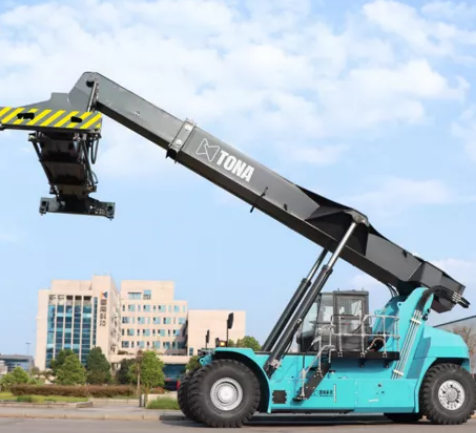 In warehouses and distribution centers, choosing the right equipment is crucial for efficient material handling. Stackers and reach stackers are both essential, but they serve different needs. While stackers excel in tight spaces,
 -
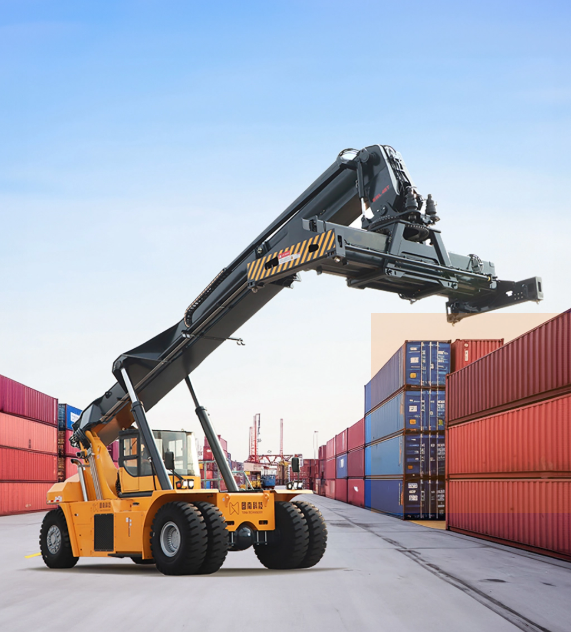 Reach stacker operators are the backbone of efficient logistics. They ensure smooth cargo movement in busy ports and warehouses. This article explores what it takes to become a reach stacker operator. We’ll cover the key skills, training programs, certifications, and safety measures required.
 -
 What Class is a Reach Stacker?Have you ever wondered how material handling in narrow spaces is so efficient? A reach stacker, a specialized type of forklift, plays a crucial role in warehouse and distribution center operations. It is designed to lift and move pallets in tight spaces,