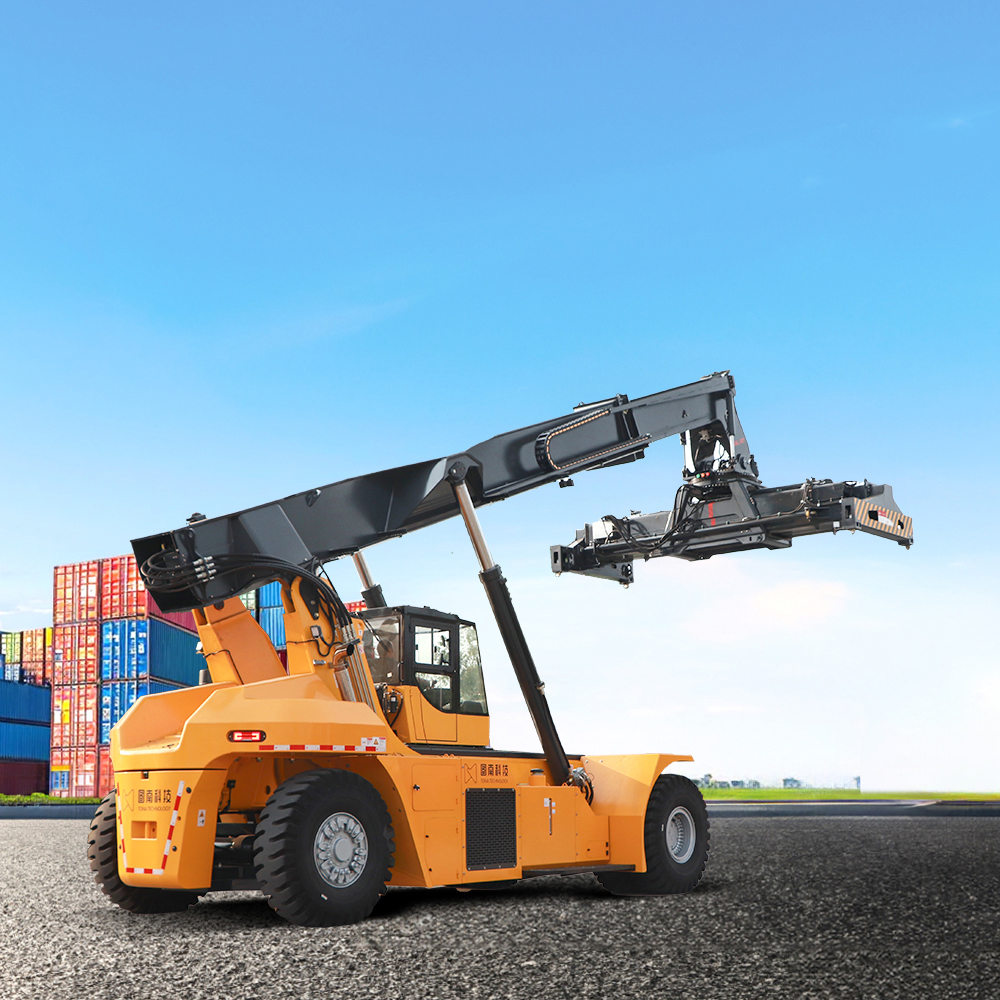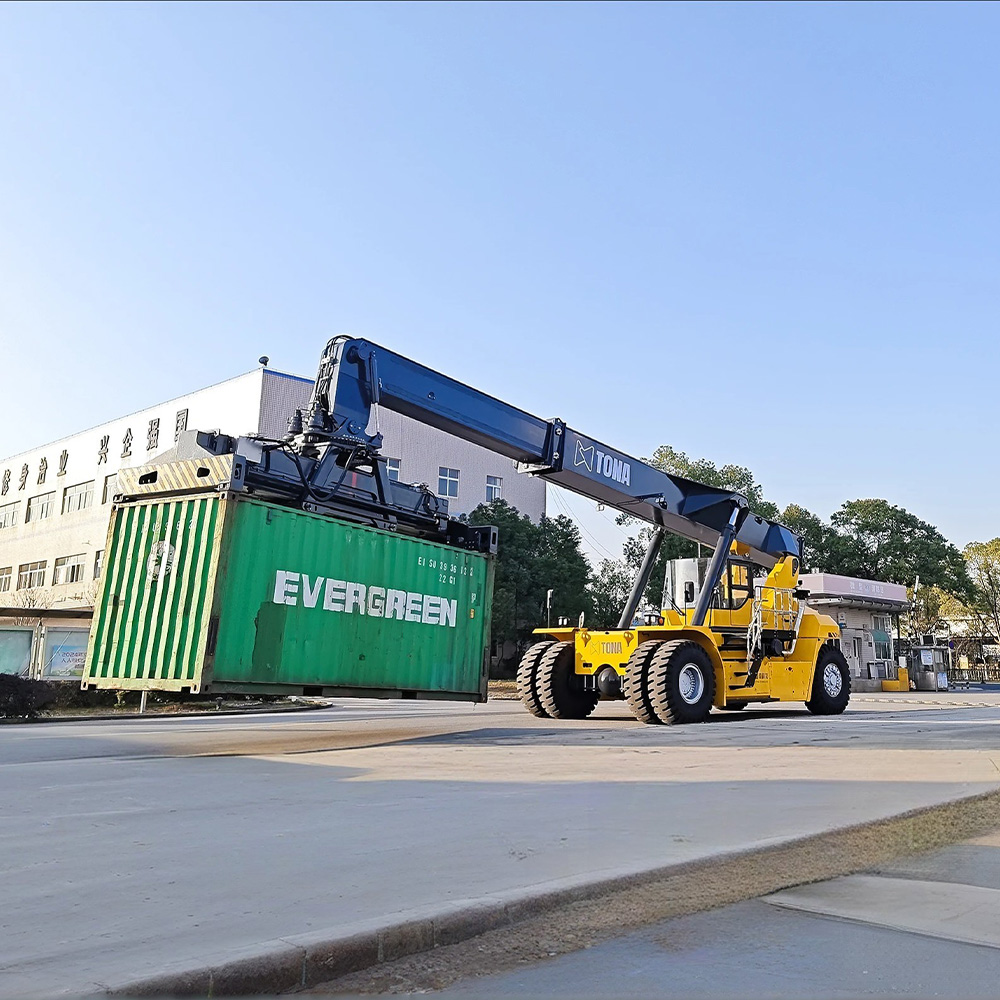

Reach stacker operators are the backbone of efficient logistics. They ensure smooth cargo movement in busy ports and warehouses. This article explores what it takes to become a reach stacker operator. We’ll cover the key skills, training programs, certifications, and safety measures required. By the end, you’ll understand the role, the journey to certification, and the opportunities that await in this essential career.
Key Takeaways
Primary Role: Reach stacker operators handle the lifting, moving, and stacking of heavy containers, often in confined spaces.
Training Requirements: Operators must undergo classroom instruction and hands-on practice, followed by certification to ensure safety and proficiency.
Safety and Compliance: Adherence to OSHA standards and regular safety inspections are essential to avoid accidents and ensure smooth operations.
Career Opportunities: With experience, operators can advance to supervisory roles and explore further certifications to grow in the logistics industry.
Technological Advancements: Modern reach stackers include features like automation and fuel efficiency, making it a dynamic field for operators to stay up-to-date with new technologies.
Understanding the Role of a Reach Stacker Operator
Primary Responsibilities
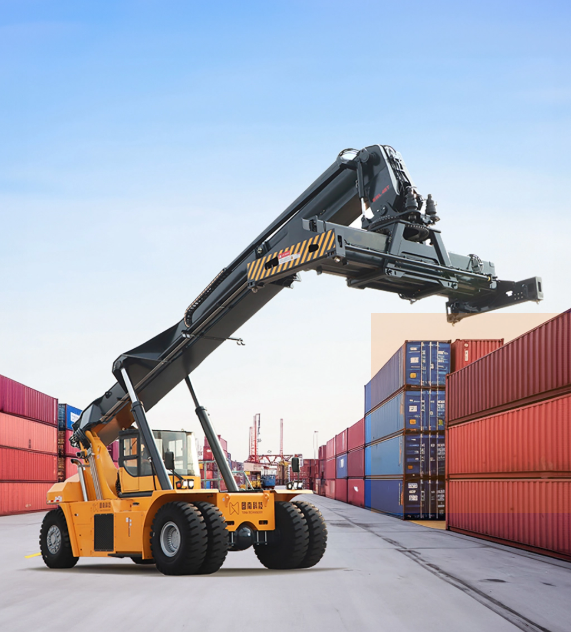
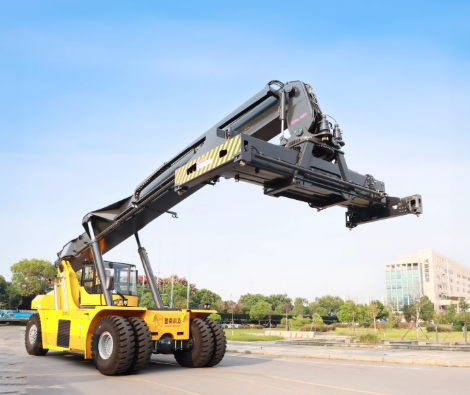
As a reach stacker operator, your primary task is to operate a reach stacker — a powerful machine used to lift, move, and stack heavy containers. These operators must ensure that containers are stacked accurately, safely, and in a manner that maximizes warehouse or port space. The job involves navigating confined areas and often working with ground staff to coordinate the proper placement of containers.
Operators must also monitor the condition of the equipment, complete routine checks, and report any mechanical issues to ensure smooth operations.
Skills Required for the Role
To excel as a reach stacker operator, you need technical proficiency in operating heavy machinery, including understanding the mechanics and controls of the reach stacker. Strong spatial awareness and hand-eye coordination are essential for navigating tight spaces and lifting containers at great heights without incident. Knowledge of safety standards and regulations is crucial, as the job requires handling heavy materials in a fast-paced environment.
Work Environment and Conditions
The work environment for reach stacker operators can vary. While many operators work in outdoor settings, such as ports and container yards, others may operate indoors in warehouses. The job often involves coordinating with other warehouse or port staff to ensure containers are moved and stacked efficiently. Reach stacker operators must be physically fit as the job involves heavy lifting, long hours, and sometimes working in challenging weather conditions.
Essential Training for Reach Stacker Operators
Training Programs Overview
Becoming a reach stacker operator requires specific training to safely and effectively operate the machine. Training typically includes both classroom instruction and hands-on practice. Operators are taught how to handle the equipment, follow safety procedures, and manage loads effectively.
Training programs must cover key areas such as:
| Training Area | Details |
|---|---|
| Equipment Operation | Learning how to operate reach stacker controls, steering, and lifting. |
| Safety Procedures | Understanding safety protocols for operating in confined spaces. |
| Load Handling | Techniques for securing and transporting heavy containers safely. |
| Emergency Protocols | How to respond to equipment malfunctions or accidents. |
Training Course Content
A comprehensive reach stacker training program includes several key components:
Vehicle Stability and Load Handling: Operators learn about the limits of their reach stacker, including how much weight it can handle and the best ways to secure loads.
Pre- and Post-Operation Procedures: These procedures ensure that operators are ready to work and that the machine remains in good condition throughout its use.
Technological Updates: Modern reach stackers often come with advanced features like digital controls and automated systems. Training programs now incorporate these technological advancements to ensure operators are up-to-date with the latest safety and operational techniques.
Certification Process
After completing a training program, candidates must pass both a written exam and a practical skills assessment. Certification is awarded only after operators demonstrate proficiency in operating the reach stacker and following safety protocols.
| Certification Process | Steps |
|---|---|
| Written Exam | Operators must pass a theoretical exam on safety and operational procedures. |
| Practical Assessment | Operators must demonstrate their ability to operate the equipment under supervision. |
| Refresher Training | Recertification is required every 3 years to ensure skills remain current. |
Tip: Continuous professional development is essential. Operators need to take refresher courses every three years to maintain their certification and stay compliant with any new regulations or technological advancements.
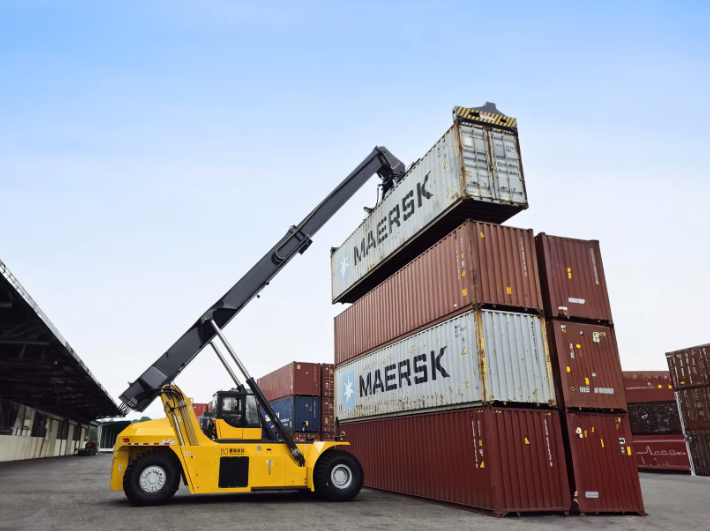
The Importance of OSHA Compliance and Regulations
OSHA Standards for Reach Stacker Operators
Reach stackers fall under OSHA’s classification of powered industrial trucks, which requires operators to undergo specific training. According to OSHA’s 1910.178(l) standard, employers are responsible for ensuring that operators are competent to handle the equipment safely. Training must cover operating instructions, load limits, maintenance, and the potential risks of working with heavy machinery.
Employers are required to provide formal instruction, hands-on training, and practical evaluations to ensure safety. Operators can only work independently after they’ve completed these steps and have been certified.
Training Updates for 2025
OSHA continually updates its standards to reflect the evolving needs of industries and advances in technology. Some of the key updates for 2025 include:
Enhanced hazard recognition: Operators must be trained to identify and mitigate workplace hazards, especially in high-risk environments like container yards.
Integration of new technologies: Modern reach stackers come with advanced features, such as automated systems and digital controls, which require additional training.
More frequent refresher training: In high-risk settings, operators must undergo refresher training more frequently to ensure safety and compliance with the latest safety standards.
Regular updates to OSHA regulations help prevent workplace accidents and ensure that operators are prepared for any operational challenges that may arise.
Safety Measures and Best Practices
Pre-Start Inspections and Routine Maintenance
Before operating a reach stacker, operators must conduct pre-start inspections to ensure the equipment is in good working condition. This includes checking fluid levels, inspecting safety features, and confirming that the lifting equipment is functioning correctly. Routine maintenance is equally important, as it ensures that the stacker remains reliable and reduces the risk of malfunction.
Operating with Safety in Mind
Safety is paramount when operating heavy machinery. Reach stacker operators are required to wear personal protective equipment (PPE), such as safety shoes and high-visibility vests, to reduce the risk of injury. Operators must also adhere to load handling guidelines, ensuring that they never exceed the maximum load capacity of the machine. This helps prevent tipping accidents and ensures the safe transportation of goods.
Operators should also navigate tight spaces with care, always remaining aware of their surroundings to prevent collisions with other equipment or workers.
| Safety Measures | Details |
|---|---|
| Personal Protective Equipment | Operators must wear safety gear such as helmets and vests. |
| Load Handling Guidelines | Adhere to maximum weight limits and secure loads properly. |
| Tight Space Navigation | Operators must navigate through narrow aisles and crowded spaces carefully. |
Risk Management and Emergency Protocols
Recognizing potential hazards and addressing them quickly is crucial for ensuring workplace safety. Reach stacker operators are trained to handle emergency situations, such as equipment malfunctions or accidents. A well-prepared operator can act quickly to minimize damage and prevent injuries.
Regularly practicing emergency procedures and participating in safety drills will ensure that operators are always prepared to handle unforeseen incidents efficiently.
Career Opportunities and Advancement for Reach Stacker Operators
Job Opportunities
The demand for qualified reach stacker operators is growing, especially in industries like warehousing, logistics, freight companies, and ports. As e-commerce and manufacturing industries expand, the need for skilled operators who can manage inventory, transport goods, and ensure the efficient movement of containers will continue to rise.
Career Growth and Further Training
Once certified, reach stacker operators can pursue a variety of career paths. With experience, operators can move into supervisory roles such as warehouse supervisor or logistics coordinator. Further training in areas such as supply chain management or inventory control can open up additional opportunities for career advancement.
Continuous learning and pursuing additional certifications can significantly enhance an operator’s career prospects and contribute to the success of the overall logistics team.
Technological Advancements in Reach Stacker Operations
Modern Features in Reach Stackers
Modern reach stackers are equipped with a range of advanced features designed to improve safety and efficiency. Automated controls allow for precise movements, while enhanced ergonomics reduce operator fatigue. Additionally, newer models are more fuel-efficient, helping to reduce operational costs.
| Technological Features | Benefits |
|---|---|
| Automated Controls | Increased precision and reduced operator error. |
| Ergonomic Designs | Improved operator comfort and reduced fatigue. |
| Fuel Efficiency | Lower operational costs and reduced environmental impact. |
Future of Reach Stacker Operations
As the logistics industry embraces digital technologies, the role of reach stacker operators will continue to evolve. Automation, AI, and real-time tracking systems are expected to revolutionize reach stacker operations. These advancements will improve precision, speed, and safety, making operators even more valuable to employers in the future.
Conclusion
Becoming a certified reach stacker operator offers job security and growth in the logistics sector. With proper training, certification, and adherence to safety protocols, operators can thrive in this vital role. Staying updated with evolving technology and training standards ensures competitiveness in the industry. Continuous learning and certification renewal improve long-term career prospects.
TONA offers advanced reach stacker solutions that enhance operational efficiency. Their cutting-edge technology helps operators work safely and efficiently, ensuring compliance and maximizing productivity in logistics operations.
FAQ
Q: What is a reach stacker operator?
A: A reach stacker operator is a professional who operates heavy machinery designed to lift, move, and stack containers in warehouses, ports, or container yards.
Q: How do you become a reach stacker operator?
A: Becoming a reach stacker operator requires completing a training program, obtaining certification, and passing a written and practical exam. Ongoing training is needed to stay updated with safety standards.
Q: What skills are required to operate a reach stacker?
A: Operators need strong spatial awareness, hand-eye coordination, and the ability to follow safety protocols. Technical knowledge of the machinery is also crucial.
Q: How long does it take to become a certified reach stacker operator?
A: Certification typically requires a few weeks of training, including both classroom instruction and hands-on practice.
Related Blogs
-
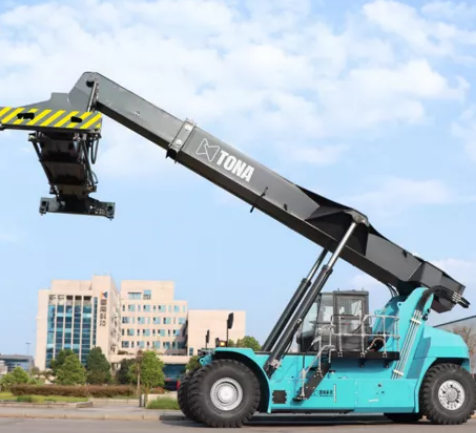 How Does a Reach Stacker Work?Introduction A reach stacker is a vital piece of equipment in modern logistics, especially for handling containers in ports, rail yards, and warehouses.blogs
 -
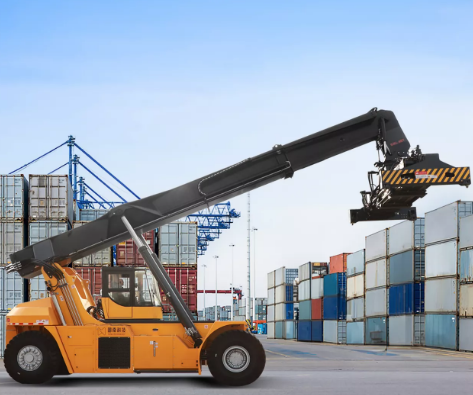 What is the Life Expectancy of a Reach Stacker?Introduction Understanding the life expectancy of a reach stacker is crucial for businesses that rely on material handling equipment. A reach stacker’s lifespan impacts operational efficiency, maintenance costs, and equipment planning.blogs
 -
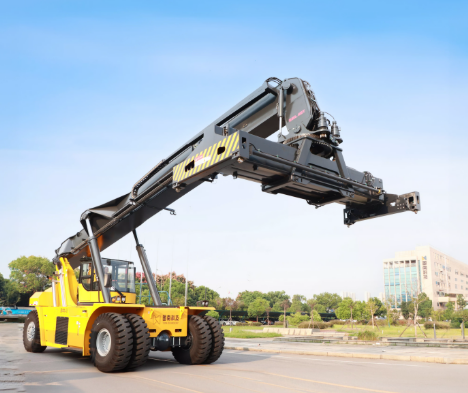 A walkie reach stacker is an electric-powered material handling equipment that combines the functionality of a stacker and a reach truck. Unlike standard walkie stackers, a walkie reach stacker features a pantograph or scissor mast that allows the forks to extend forward
 -
 Operating a reach stacker safely is not a single action but a layered process that begins long before the ignition key turns. Because these machines lift 45 t more than 15 m high, a small lapse quickly becomes a catastrophic or costly event.