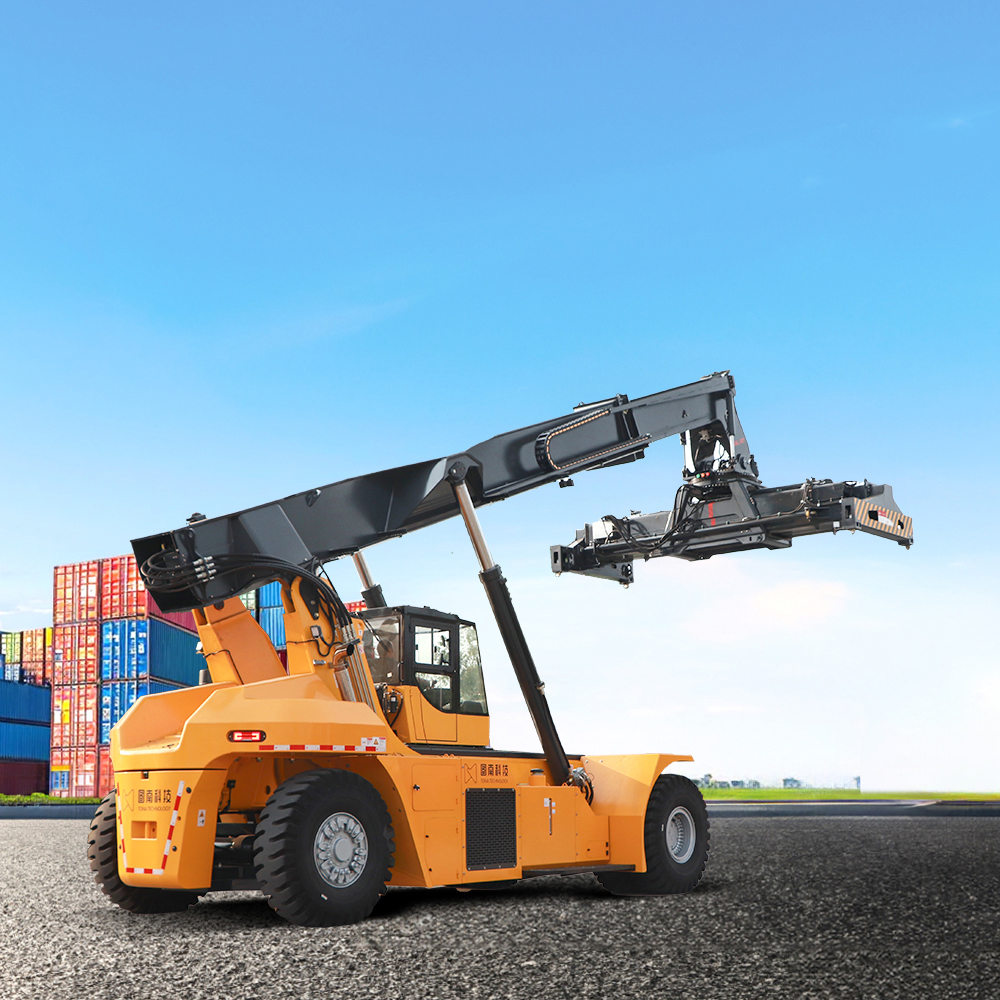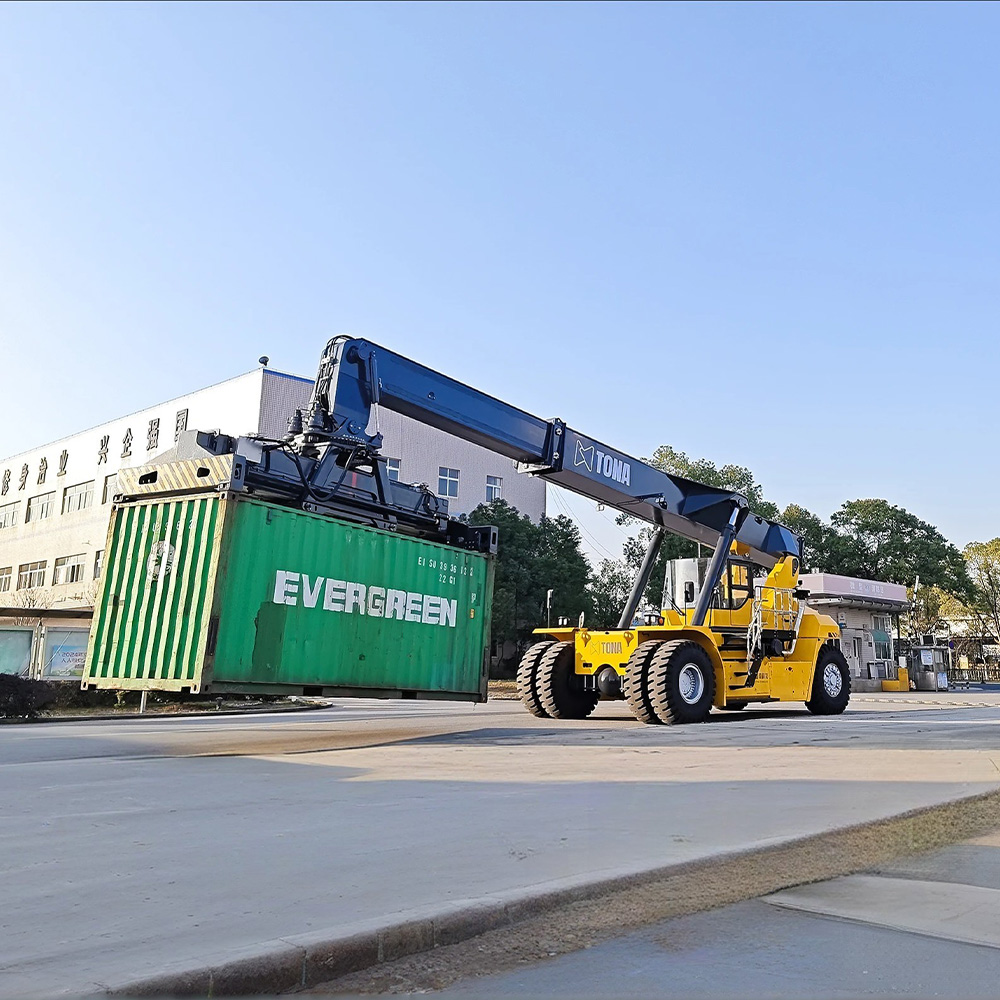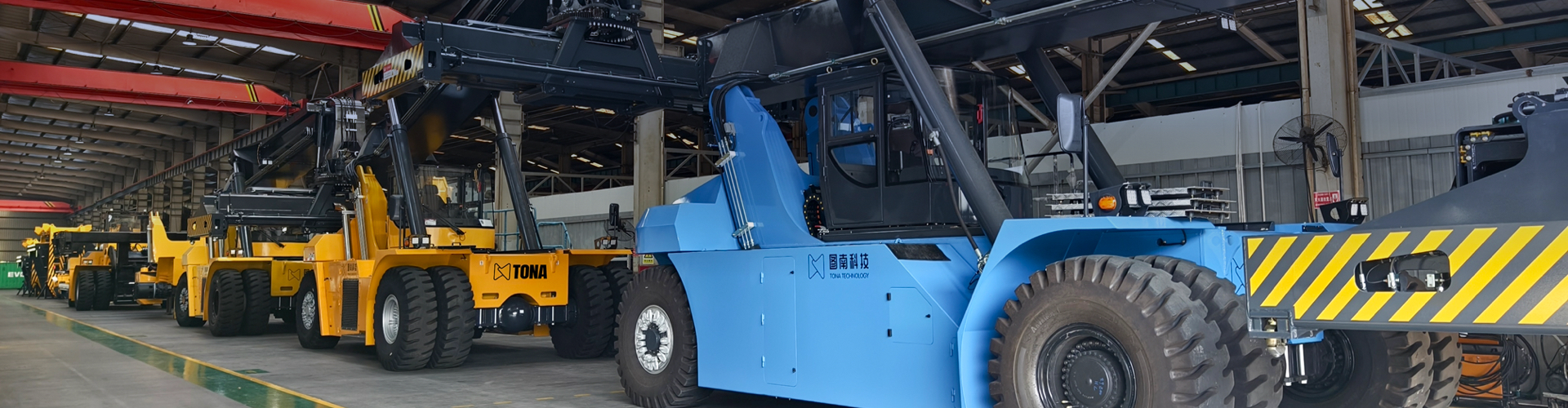

In warehouses and distribution centers, choosing the right equipment is crucial for efficient material handling. Stackers and reach stackers are both essential, but they serve different needs. While stackers excel in tight spaces, reach stackers are built for larger operations and high-density racking. This article explores their differences, helping businesses choose the best option based on their requirements. In this article, you’ll learn about their design, functionality, applications, and which one best suits your needs.
Key Takeaways
Stackers are compact machines ideal for small warehouses with tight spaces and lighter loads.
Reach stackers are versatile and designed for large facilities, with higher lift heights and greater load capacities.
Stackers are more affordable and cost-effective for less frequent tasks, while reach stackers are an investment for high-volume operations.
The maneuverability of stackers excels in confined spaces, while reach stackers provide flexibility for larger, high-density environments.
Reach stackers are best for heavy-duty tasks like container handling and high-bay storage, while stackers work well in environments with lower height requirements.
Design and Functional Differences
Stacker: A Compact and Efficient Solution
Key Features:
Stackers are compact machines designed for handling light to medium loads. They have a simple, stationary mast and a fork system that allows operators to lift pallets vertically. Stackers are ideal for environments where maneuverability in tight spaces is essential.
Lifting Capacity & Height:
Stackers typically handle loads up to 2 tons, with lift heights of up to 6 meters. This makes them suitable for handling pallets in low to mid-range shelves and compact spaces.
Applications:
Stackers excel in small to medium-sized warehouses, DIY stores, light manufacturing facilities, and retail backrooms. Their ability to operate in confined spaces with minimal aisle width makes them an excellent choice for environments where space is limited.
Reach Stacker: The Versatile Heavyweight
Key Features:
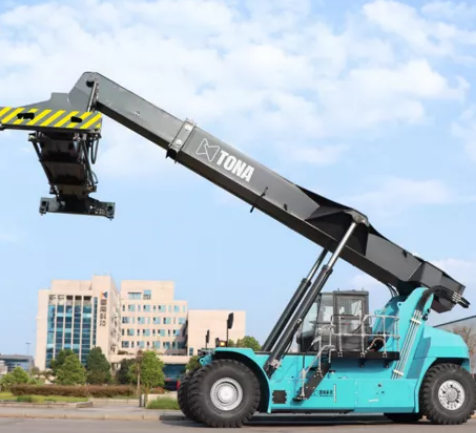
A reach stacker has a more advanced design with an extendable telescopic mast. This feature enables the forks to extend outwards, allowing operators to access pallets deeper into shelving units. Reach stackers can operate in larger spaces and handle a wider range of tasks due to their increased flexibility.
Lifting Capacity & Height:
Reach stackers can lift loads up to 2.5 tons and can reach impressive heights of 12 meters or more. This makes them ideal for handling goods in high-bay racking systems.
Applications:
Reach stackers are most commonly found in large warehouses, distribution centers, ports, and high-density storage environments where maximizing vertical storage is critical. Their ability to handle both heavy and light loads at great heights makes them versatile for various industrial applications.
Load Capacity and Application Areas
| Feature | Stacker | Reach Stacker |
|---|---|---|
| Load Capacity | Up to 2000 kg | Up to 2500 kg |
| Lift Height | Up to 6 meters | Up to 12 meters or more |
| Primary Use | Light to medium loads | Heavy and light loads, high shelves |
Load Capacities of Stackers vs. Reach Stackers
Stackers are ideal for smaller, lighter loads, typically up to 2 tons. Their lift heights are more modest, typically up to 6 meters. In contrast, reach stackers can handle up to 2.5 tons and reach much greater heights, making them suitable for environments where vertical storage is key.
Ideal Environments and Industries
| Equipment | Best for | Industries |
|---|---|---|
| Stacker | Small to medium warehouses | Retail, DIY stores, Cold Storage, Manufacturing |
| Reach Stacker | Large-scale operations | Ports, Distribution Centers, E-commerce, Automotive |
For smaller operations with lighter loads, stackers are cost-effective and provide great efficiency. However, if your business requires handling heavier loads or working in taller racking systems, a reach stacker is the better option.
Maneuverability and Operational Flexibility
Stacker Maneuverability in Tight Spaces
Compact Design:
Stackers are specifically designed to operate in narrow aisles and tight corners. Their small frame and minimal turning radius allow for easy navigation in confined areas, making them a preferred choice for warehouses with limited space.
Operational Efficiency:
With stackers, you can easily stack pallets and retrieve items from lower racking systems. They are perfect for environments where space is more constrained and vertical storage isn't a primary concern.
| Feature | Stacker | Reach Stacker |
|---|---|---|
| Design | Compact and stationary mast | Telescopic mast, extendable forks |
| Space | Ideal for narrow aisles | Suitable for larger spaces with higher shelves |
| Flexibility | Limited to up-down lifting | High flexibility in storage retrieval |
Reach Stacker Flexibility in Larger Areas
Versatile Reach:
Reach stackers, with their extendable masts, provide significant flexibility in lifting containers and pallets from deeper shelves. Their ability to handle both horizontal and vertical tasks makes them suitable for high-bay storage and large warehouses.
Space Utilization:
Reach stackers are perfect for optimizing storage in high-bay racking systems. By reaching higher levels and deep into shelving units, they can maximize vertical space without expanding the facility footprint.
Productivity and Efficiency
Stackers: Simple, Efficient, and Cost-Effective
Productivity Use:
Stackers are excellent for less intensive tasks such as lifting pallets and crates at relatively low heights. They're a straightforward solution for small to medium businesses that need to move goods in a cost-effective manner.
Cost-Effective:
Given their simpler design, stackers tend to have a lower initial investment and maintenance cost. They offer high value for businesses with lower-frequency material handling tasks or less intensive operations.
| Feature | Stacker | Reach Stacker |
|---|---|---|
| Cost | Lower initial cost | Higher upfront cost |
| Efficiency | Best for light-duty tasks | Best for high-speed, high-capacity tasks |
| Investment | Affordable, low maintenance | Long-term investment |
Reach Stackers: High-Speed, High-Capacity Operations
High-Speed Performance:
Reach stackers are designed for more intensive tasks, such as moving large volumes of goods in high-speed operations. Their ability to handle heavy loads and access tall racking systems makes them ideal for larger warehouses and distribution centers.
Time Efficiency:
By allowing operators to stack higher and move more pallets in a single operation, reach stackers significantly improve productivity. Their versatility ensures fewer trips and faster material handling.
Applications in Real-World Scenarios
Ideal Scenarios for Stacker Use
Small to Medium Warehouses:
Stackers are perfect for smaller spaces where maneuverability and compactness are essential. They are commonly used in retail backrooms, small warehouses, and cold storage where goods are relatively light.
Retail & Cold Storage:
Stackers handle light goods and are ideal for operating in temperature-sensitive environments. Their ability to fit into small spaces allows for more storage options in these environments.
| Application | Stacker | Reach Stacker |
|---|---|---|
| Small Spaces | Perfect for tight environments | Less efficient in confined areas |
| Cold Storage | Best for temperature-sensitive goods | Less common in cold environments |
Tip: If you operate in a smaller space, stackers allow for quick, efficient stacking without taking up too much room.
Reach Stacker Applications
Port Terminals:
Reach stackers are essential in port terminals for handling large containers and stacking them in tight spaces. Their ability to extend the mast and reach further into racking systems makes them a vital piece of equipment for heavy-duty operations.
High-Bay Warehouses:
Industries like e-commerce, automotive, and aerospace benefit from reach stackers in high-bay warehouses. These machines can store heavy loads up to 12 meters high, maximizing vertical space and improving storage capacity.
Cost Considerations: Which One is More Cost-Effective?
Stacker: Low Initial Investment, High ROI
Affordability:
Stackers are more affordable than reach stackers, making them a great option for businesses on a tight budget or those with less frequent material handling needs.
Long-Term Savings:
For businesses that need to manage lighter loads, stackers offer an excellent return on investment due to their simplicity and lower maintenance costs.
Reach Stacker: Higher Upfront Cost with Long-Term Benefits
Higher Initial Investment:
Reach stackers come with a higher initial cost due to their advanced features and capabilities. However, the long-term benefits, including higher operational efficiency and productivity, make them a smart investment.
Operational Efficiency:
Reach stackers help reduce handling time, increase productivity, and handle larger volumes, which can offset the higher upfront cost in the long run.
Conclusion
In summary, choosing between a stacker and a reach stacker depends on your operational needs. Stackers are ideal for small spaces and lighter loads. They offer simplicity, maneuverability, and cost-effectiveness, making them perfect for small to medium-sized businesses.
On the other hand, reach stackers excel in larger environments like warehouses and port terminals. Their ability to handle heavier loads, reach greater heights, and navigate confined spaces makes them suitable for complex, high-volume operations.
Final Recommendation: If you need to move lighter loads in tight spaces, a stacker is a cost-effective choice. However, for operations that demand higher capacity and flexibility, investing in a reach stacker, like those offered by TONA, will provide long-term operational benefits. TONA's reach stackers offer exceptional performance and value, optimizing storage capacity and handling efficiency.
FAQ
Q: What is the main difference between a stacker and a reach stacker?
A: A stacker is compact and ideal for small spaces with lighter loads, while a reach stacker has a telescopic mast, allowing it to reach higher and handle heavier loads, making it suitable for larger warehouses and port terminals.
Q: How does a reach stacker improve efficiency in a warehouse?
A: A reach stacker can access deep racking systems and stack containers at great heights, maximizing storage space and improving operational efficiency in large, high-density warehouses.
Q: Why should I choose a stacker over a reach stacker?
A: If you work in a small space and handle lighter loads, a stacker is more cost-effective and easy to maneuver, making it the right choice for businesses with less demanding material handling tasks.
Q: How much does a reach stacker cost compared to a stacker?
A: Reach stackers generally cost more due to their advanced features and higher load capacities, but they provide better value for larger operations with high-volume, heavy-duty tasks.
Q: Can a reach stacker be used in confined spaces?
A: While a reach stacker can work in confined spaces, it is best suited for larger environments where its ability to lift heavy loads and reach greater heights is fully utilized.
Related Blogs
-
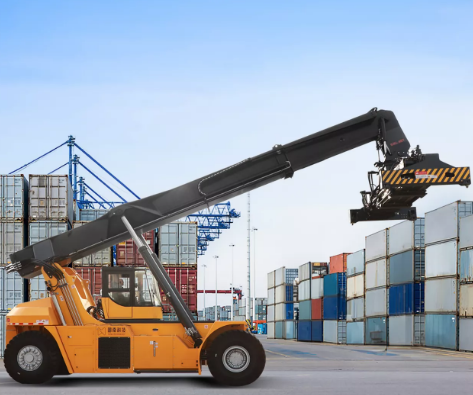
 How Does a Reach Stacker Work?Introduction A reach stacker is a vital piece of equipment in modern logistics, especially for handling containers in ports, rail yards, and warehouses.blogs
 -
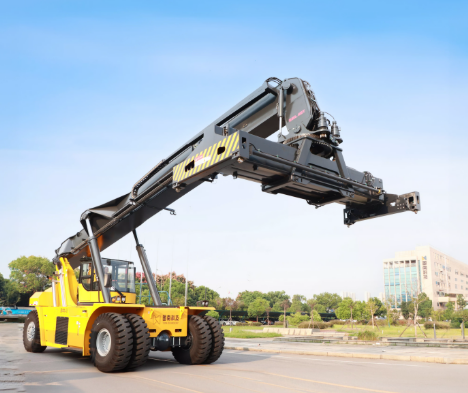
 What is the Life Expectancy of a Reach Stacker?Introduction Understanding the life expectancy of a reach stacker is crucial for businesses that rely on material handling equipment. A reach stacker’s lifespan impacts operational efficiency, maintenance costs, and equipment planning.blogs
 -
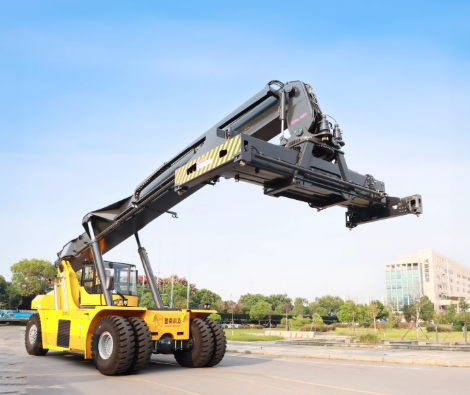
 A walkie reach stacker is an electric-powered material handling equipment that combines the functionality of a stacker and a reach truck. Unlike standard walkie stackers, a walkie reach stacker features a pantograph or scissor mast that allows the forks to extend forward
 -
 Operating a reach stacker safely is not a single action but a layered process that begins long before the ignition key turns. Because these machines lift 45 t more than 15 m high, a small lapse quickly becomes a catastrophic or costly event.