


Blogs
News
-
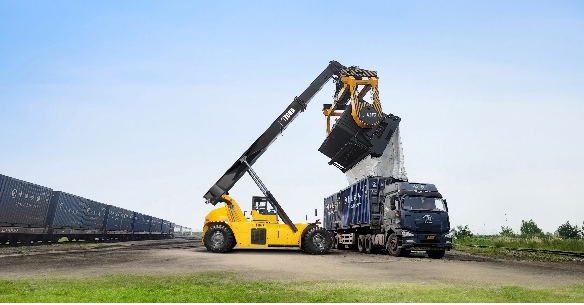 In bulk cargo yards, rail-road intermodal hubs, and other containerized bulk handling scenarios, the unloading efficiency of 20ft open-top containers directly determines the overall workflow pace.
 -
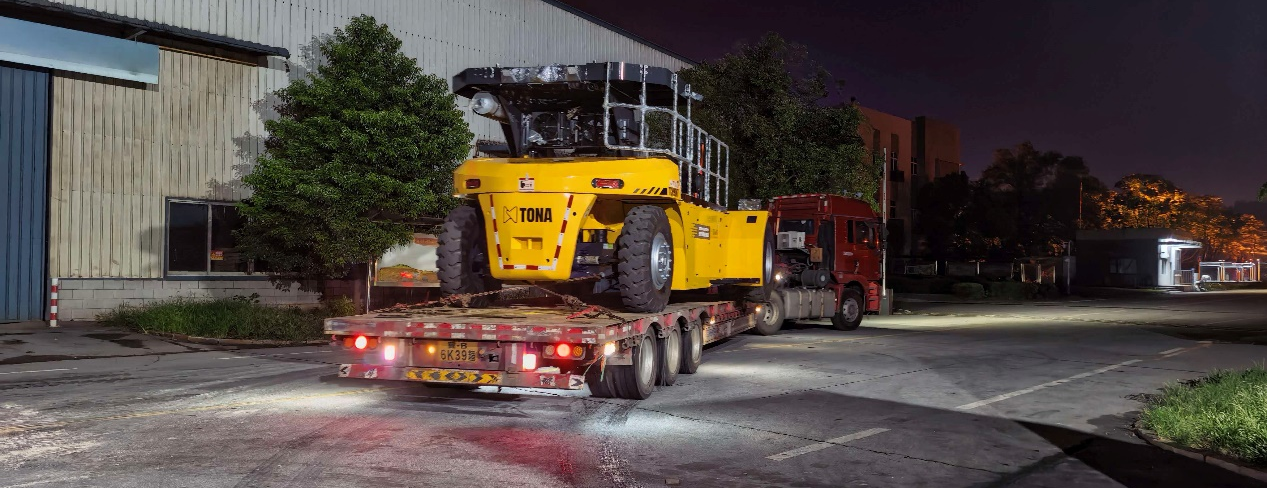 The efficient operation of port terminals and freight yards relies on the strong support of high-performance equipment. TONA's TCH90 Series Empty Container Handler is purpose-built for the handling, transfer, and stacking of 20′ and 40′ standard empty containers. With its core strengths in safety,
 -
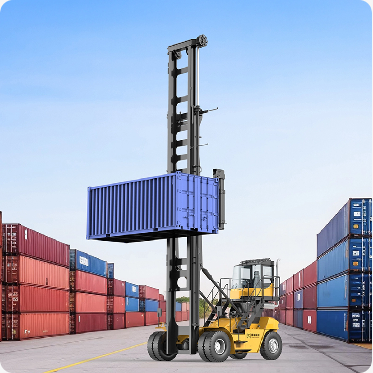 Boost depot throughput by 30% with specialized Empty Container Handlers. Learn about double handling, electric vs. fuel options, and ROI.
 - Discover how container rotating spreaders revolutionize bulk handling. Achieve high throughput, control dust, and ensure environmental compliance.
-
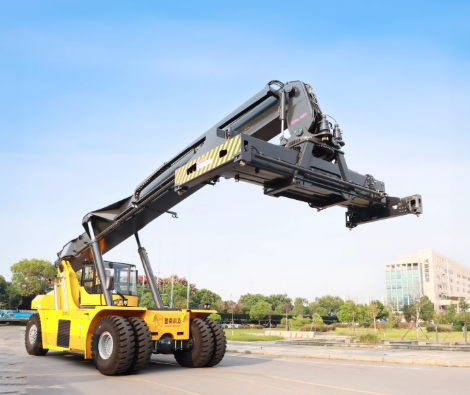 Boost terminal efficiency with multipurpose container rotating spreaders. Handle ISO containers and bulk dumping to maximize asset utilization.
 - Optimize terminal operations. Learn to analyze duty cycles and select the right diesel reach stacker for high-intensity, continuous container handling.
-
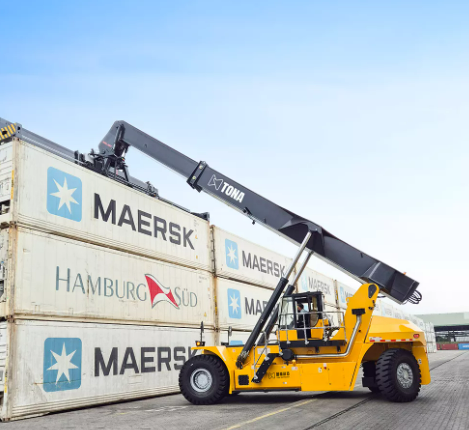 Solve yard congestion with reach stackers. Boost TEU density, cut extra moves, and optimize cycle times for higher port throughput.
 - TONA Technology TCH90 series empty container handler includes diesel and electric two major models. It is primarily designed for ports, terminals, yards, and other locations to handle the loading, unloading, transfer, and stacking of 20' or 40' standard empty containers.
-
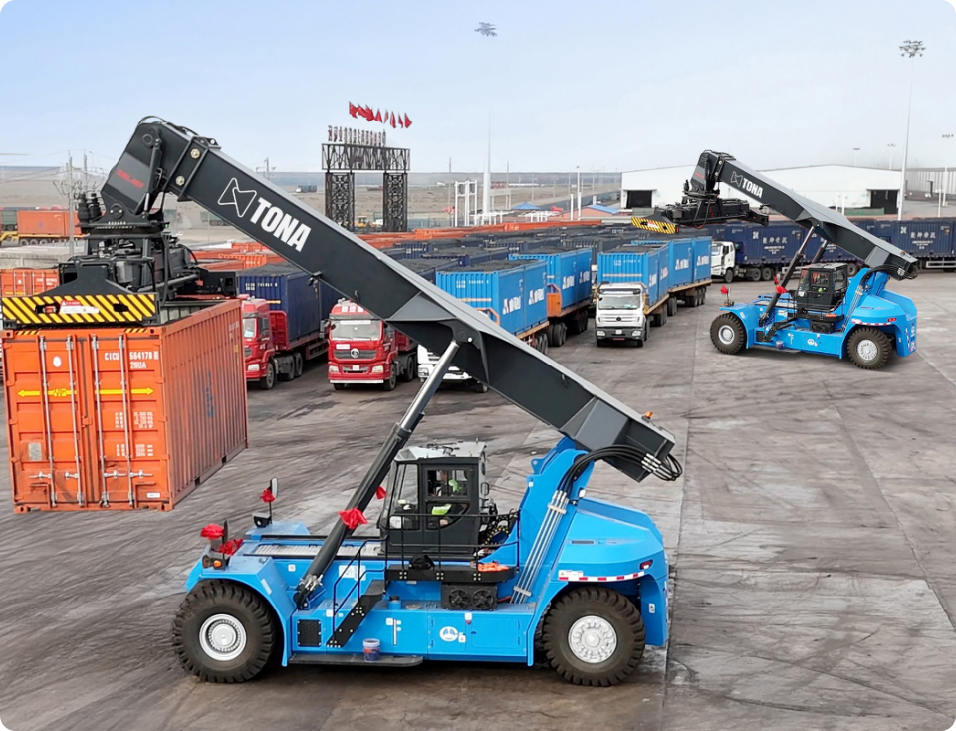 Global supply chains demand unprecedented efficiency from modern container yards.
 -
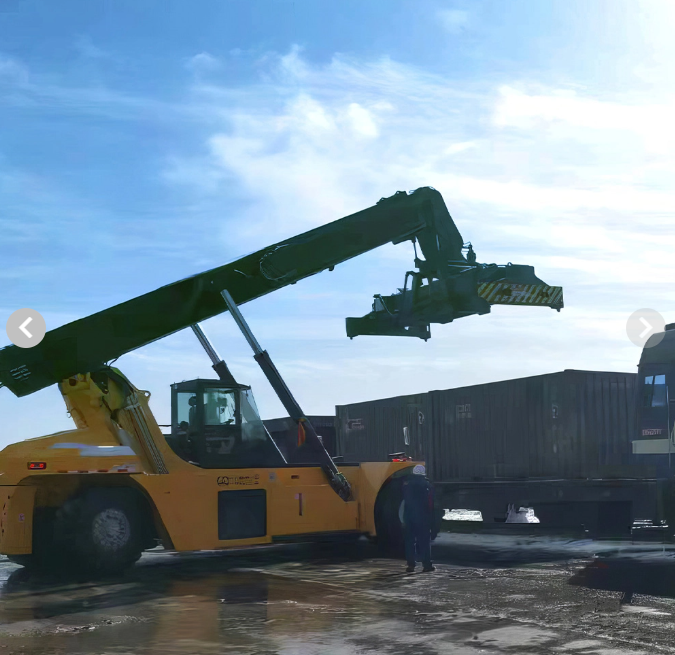 Warehouse and EHS managers face a constant operational dilemma. You need to maximize vertical and high-density storage space.
 -
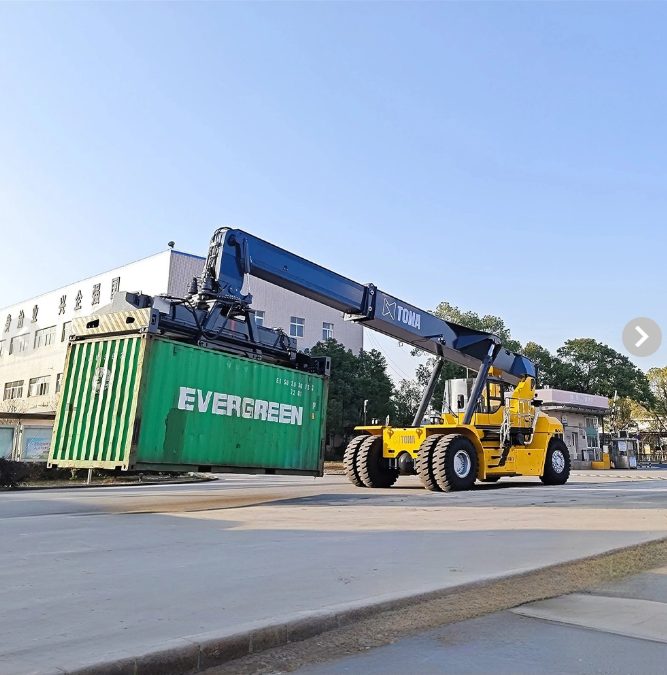 Operating a small yard presents unique logistical hurdles. You must maximize vertical storage continuously.
 -
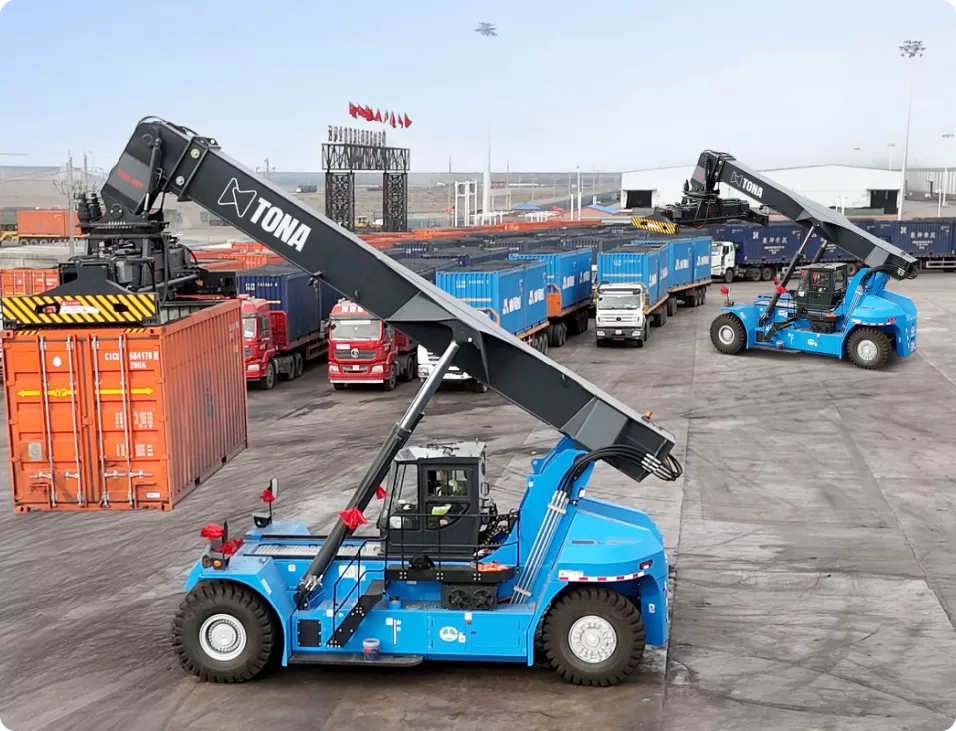 Choosing the wrong container handling equipment can cost more than the machine itself. If the capacity is too low, the equipment may not handle loaded containers safely.
