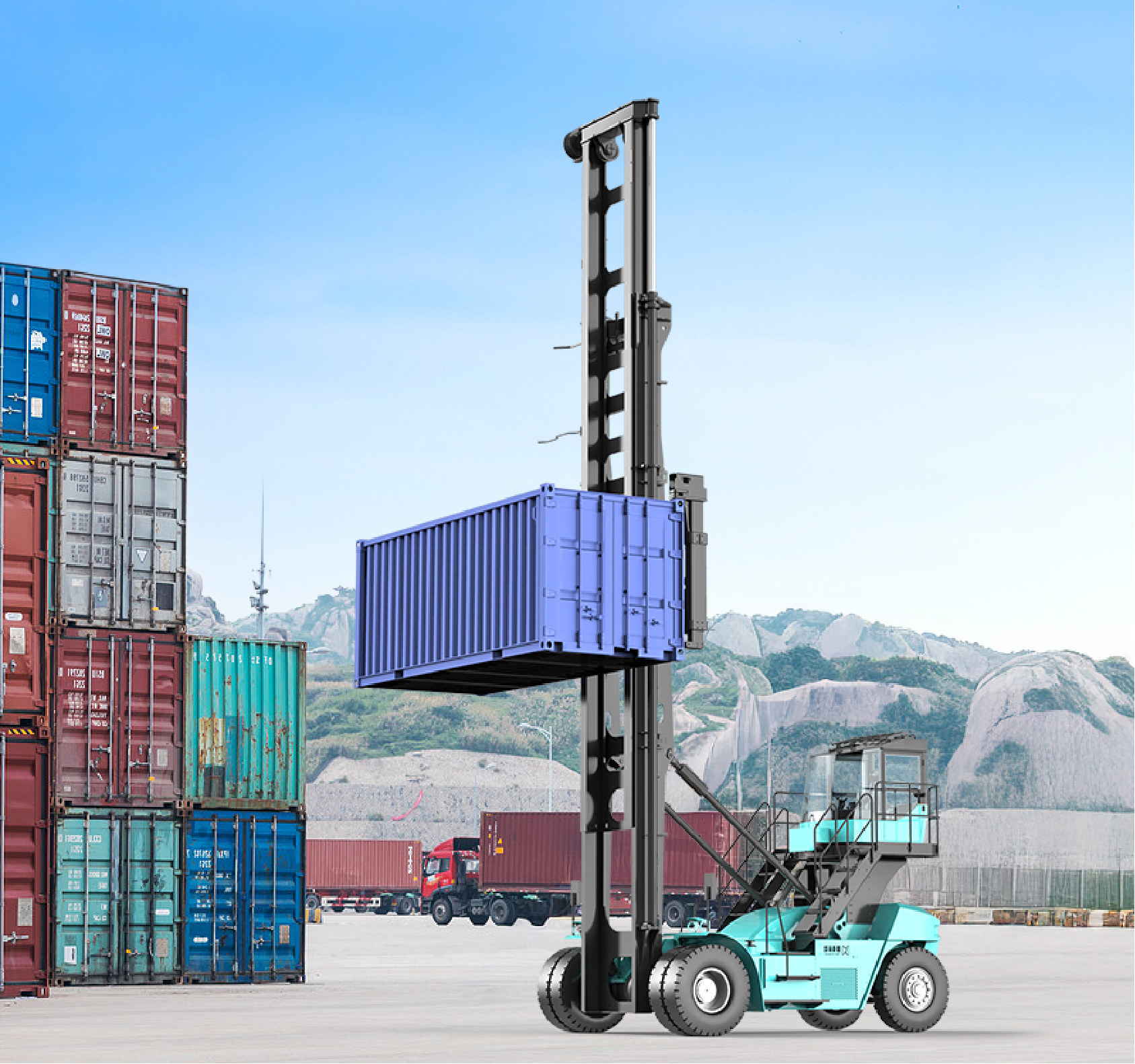

Container depots and port terminals face massive pressure to process higher volumes of empty containers without expanding their physical footprint. Yard congestion, high cost-per-move, and the inefficiencies of using general-purpose reach stackers or standard forklifts create severe operational bottlenecks. These standard machines lack the specialized vertical reach and speed required for optimal empty container management. The definitive solution is a purpose-built Empty Container Handler. This specialized equipment enables high-density stacking, rapid cycle times, and reduced operational costs. By transitioning to dedicated handling systems, facility managers can fundamentally restructure their yard layout for maximum efficiency. Understanding the mechanical advantages and integration requirements of these handlers provides a clear framework for evaluating equipment upgrades and improving daily throughput.
Key Takeaways
Throughput Gains: Implementing double container handling capabilities can increase depot throughput by up to 30%, significantly reducing the cost per container moved.
Fleet Optimization: Double empty container handling allows operations to move more containers simultaneously, facilitating fleet size reduction and lower overall capital expenditure.
Powertrain Evaluation: Choosing between a fuel powered empty container handler and an electric empty container handler requires balancing immediate operational uptime against long-term emissions compliance.
Infrastructure Prerequisites: Maximizing the ROI of an empty container handler requires concurrent optimization of depot layout, including aisle widths, ground bearing capacity, and integration with depot management software.
M&R and Logistics Integration: Integrating equipment workflows with Maintenance & Repair (M&R) routing and real-time inventory systems minimizes secondary handling and bottlenecking.
Risk Mitigation: Transitioning to high-density vertical stacking demands strict adherence to safety protocols, mast stability assessments, and operator training to prevent wind-shear accidents and tip-overs.
The Core Problem: Why Standard Equipment Limits Depot Throughput
Defining baseline metrics is necessary for evaluating depot efficiency. Success criteria typically include cycle time, TEUs processed per hour, and yard utilization percentage. When operations rely on standard equipment, these metrics consistently underperform. General-purpose machines simply cannot match the cycle speeds or stacking heights required by modern, high-volume container depots. You need specialized machinery to handle the specific weight distribution and wind shear factors of empty boxes.
Yard Congestion and Vertical Stacking Limitations
Standard forklifts impose strict physical limitations on yard operations. They typically cap stacking heights at three or four containers, forcing the depot to expand horizontally. This horizontal sprawl requires wider turning aisles and consumes valuable ground space, leading to poor container depot management. As horizontal space diminishes, yard congestion compounds rapidly. Truck turnaround times at the gate increase because operators must navigate longer distances and maneuver around poorly optimized stacks to retrieve specific boxes. We see this constantly in older facilities that haven't updated their fleet strategy.
Cycle Time Inefficiencies with General-Purpose Handlers
Using heavy-duty reach stackers to move lightweight empty containers results in wasted fuel and time. Reach stackers are engineered for laden containers, featuring heavy counterweights and slower hydraulic systems. Lifting a three-ton empty box with a machine designed for forty tons is highly inefficient. Furthermore, using over-specced equipment for high-frequency, low-weight lifting accelerates maintenance wear-and-tear. The constant, rapid movement stresses components designed for slower, heavier loads, leading to premature mechanical failures and increased downtime.

Mechanisms of Efficiency: How an Empty Container Handler Increases Throughput
Purpose-built handlers map specific mechanical features directly to improved throughput metrics. Every component, from the hydraulics to the spreader, is optimized for speed and stability. Transitioning to dedicated equipment fundamentally alters the operational capacity of a depot. You get faster lift speeds, better visibility, and a machine built specifically for the task at hand.
Double Container Handling Capabilities
Double container handling involves lifting two empty containers simultaneously using specialized spreaders. This mechanical advantage halves the number of trips required to move a specific volume of boxes. Projections indicate that this capability translates to a potential 30% increase in throughput. Consequently, equipment wear drops proportionally because the machine performs fewer overall travel cycles. Double handling allows depots to process higher volumes with less physical equipment. This fleet size reduction directly lowers operational costs and driver labor expenses.
High-Speed Lifting and Lowering Cycles
Dedicated empty handlers feature optimized hydraulic systems. These systems allow for significantly faster hoist speeds compared to laden container handlers. The pumps and valves are calibrated specifically for the weight of empty boxes, eliminating the sluggishness associated with heavy-duty reach stackers. Reducing lift and lower cycles by just a few seconds per move yields massive cumulative time savings over a standard shift. Operators can complete more cycles per hour, directly boosting the TEUs processed daily.
Enhanced Mast Stability and Precision at Maximum Heights
Safe stacking up to 8 or 9 containers high requires specialized engineering. Wide-stance drive axles and reinforced mast designs provide the necessary stability to prevent tip-overs. The mast channels are engineered to resist torsion during high-wind conditions. Spreader precision and side-shift capabilities play a major role in reducing operator alignment time. Operators can make micro-adjustments at maximum height without repositioning the entire machine, ensuring rapid and secure container placement.
Evaluating Powertrain Options: Fuel Powered vs. Electric Empty Container Handlers
Selecting the right powertrain requires a balanced evaluation of operational realities. Facility managers must weigh immediate deployment capabilities against long-term sustainability goals. Both technologies offer distinct advantages depending on the specific demands of the depot. We evaluate these based on shift structures, local grid capacity, and maintenance capabilities.
Fuel Powered Empty Container Handler: Performance and Uptime Realities
A fuel powered empty container handler excels in high-demand, 24/7 operations. These machines offer rapid refueling, ensuring minimal downtime between shifts. They also deliver proven reliability in extreme weather conditions, where battery performance might fluctuate. However, operations must account for ongoing costs. Diesel consumption, Tier 4 Final or Stage V engine maintenance, and potential emissions taxation represent continuous financial obligations. Regular servicing of fuel filters, injectors, and exhaust aftertreatment systems is mandatory to maintain peak efficiency.
Electric Empty Container Handler: Emissions Compliance and ROI
Evaluating an electric empty container handler requires analyzing battery capacity and shift longevity. Lithium-ion systems generally offer faster charging and longer lifespans compared to traditional lead-acid batteries. Operations must carefully assess hidden infrastructure costs. Grid capacity upgrades, charging station installation, and required charging downtime must be factored into the deployment strategy. Calculating the breakeven point involves comparing the higher initial capital expenditure against the significantly lower maintenance and energy costs over the machine's lifecycle.
Feature | Fuel Powered Handler | Electric Handler |
|---|---|---|
Uptime & Refueling | Rapid refueling (minutes); ideal for continuous 24/7 shifts. | Requires scheduled charging downtime; opportunity charging available. |
Emissions | Produces exhaust; requires Tier 4/Stage V compliance. | Zero tailpipe emissions; meets strict environmental mandates. |
Infrastructure Needs | Standard fuel storage and delivery systems. | High-voltage grid upgrades and charging stations required. |
Maintenance Focus | Engine servicing, filters, fluids, and exhaust systems. | Battery health monitoring, electric motor checks, and software updates. |
Integrating ECH Equipment with Depot Management and M&R Systems
Physical handling equipment must interface seamlessly with digital infrastructure to optimize logistics. Scalability depends on how well the machinery communicates with centralized software. This integration transforms isolated lifting tasks into a synchronized operational workflow. We rely on these systems to keep the yard fluid and prevent bottlenecks at the gate.
Telematics and Real-Time Data Tracking
Modern handlers utilize onboard telematics to monitor equipment health continuously. These systems track idle time, fuel or energy consumption, and operator efficiency. By analyzing this data, maintenance teams can proactively schedule servicing before catastrophic failures occur. Real-time tracking reduces unexpected downtime and ensures the fleet operates at maximum capacity. Managers can identify training opportunities if telematics reveal inefficient driving or lifting patterns.
Synergies with AI, Automated Gate Systems, and Inventory Management
Integrating handler data with AI-driven depot management software and Electronic Data Interchange (EDI) optimizes yard layout dynamically. Automated gate systems communicate incoming container data directly to the yard software. The software then directs operators to the most efficient stacking locations. This real-time routing minimizes unnecessary travel distance and prevents yard congestion. Operators receive precise instructions via in-cab displays, eliminating guesswork and accelerating the placement process.
Optimizing Empty Container Maintenance & Repair (M&R) Cycles
Dedicated empty handlers streamline M&R workflows significantly. They allow operators to rapidly sort and move damaged units to designated inspection and repair zones. Real-time communication between the handler and inventory management systems ensures accurate tracking of unit status. This integration reduces secondary shuffle moves during the M&R release process. Once repaired, the system immediately flags the container for dispatch, and the handler retrieves it without searching through unorganized stacks.
Facility Layout and Operational Prerequisites
Deploying new equipment requires addressing physical facility changes. High-density stacking and specialized machinery demand specific infrastructure standards. Ignoring these prerequisites introduces severe implementation risks and compromises safety. You cannot simply drop a 9-high stacker onto old, degraded asphalt and expect it to perform safely.
Ground Bearing Pressure and Surface Requirements
High-density stacking and heavy axle loads present a significant infrastructure risk. The front axle of a handler bears immense weight during maximum-height lifts. Facilities require reinforced concrete or specialized heavy-duty asphalt to withstand this pressure. Assessing current ground bearing capacity is a mandatory first step. Operating on inadequate surfaces leads to rutting, pavement failure, and severe equipment instability, increasing the risk of catastrophic tip-overs.
Aisle Widths, Turning Radius, and Layout Optimization
Reconfiguring yard layouts must match the specific turning radius of the chosen equipment. Proper aisle widths ensure maximum storage density without compromising safety or travel speed. Container depot management best practices dictate physically segmenting the yard. Designate high-velocity throughput zones near the gates for fast-moving units. Establish low-velocity storage zones deeper in the yard for long-term stacking. This segmentation minimizes travel time for the most frequently accessed containers.
Measuring ROI and Financial Impact
A concrete financial evaluation framework is necessary to justify equipment upgrades. Facility managers must look beyond the initial purchase price to understand the overall value influencing factors. Accurate calculations reveal the true operational savings generated by dedicated handlers. We track these metrics weekly to ensure the fleet is performing to standard.
Cost per Container Moved
Calculating the cost per move involves a specific formula: Capital cost plus Energy plus Maintenance plus Labor, divided by the total containers moved. Transitioning from single to double handling systems profoundly impacts this metric. By moving two boxes simultaneously, the labor and energy costs per unit are effectively halved. This reduction in the cost per move accelerates the return on investment and drastically improves depot profitability.
Maintenance, Repair, and Downtime Considerations
Comparing the expected lifecycle of different models is necessary. Double handlers may experience different stress patterns than single handlers, requiring specific maintenance intervals. Electric models generally demand less routine mechanical maintenance than fuel-powered models, though battery degradation must be monitored. The financial impact of parts availability cannot be overstated. Selecting equipment supported by robust dealer service networks ensures rapid repairs, minimizing costly operational downtime.
Conclusion
Conduct a comprehensive site infrastructure audit to assess ground bearing capacity and aisle widths before purchasing new equipment.
Calculate your current cost-per-move to establish a financial baseline and identify areas for immediate efficiency gains.
Evaluate your local electrical grid capacity if considering an electric model to ensure adequate charging infrastructure can be installed.
Request a technical consultation or equipment demonstration to test specific models in your actual operational environment.
FAQ
Q: What is the maximum stacking height for an empty container handler?
A: Standard stacking heights typically range up to 8 or 9 containers high. The exact maximum depends on local wind conditions, ground stability, and the specific mast specifications of the equipment being used.
Q: How much does double container handling increase depot throughput?
A: Implementing double container handling can increase depot throughput by up to 30%. This efficiency gain is achieved by lifting and moving two empty boxes per cycle, effectively halving the required travel trips.
Q: How does double container handling help optimize fleet size?
A: Handling two containers at once allows depots to accomplish the same container volume with fewer physical machines. This reduction in required equipment lowers capital expenditure, decreases maintenance burdens, and reduces operator labor costs.
Q: What is the difference between a reach stacker and an empty container handler?
A: Reach stackers are heavy-duty machines designed for lifting laden, heavy containers. In contrast, empty handlers are engineered specifically for high-speed, lightweight, vertical stacking, offering faster hydraulic cycles and greater fuel efficiency for empty boxes.
Q: Are electric empty container handlers as powerful as diesel models?
A: Yes, electric models provide equivalent lifting capacities and hoist speeds. However, operations must account for differences in duty cycles, as electric models require scheduled charging downtime and specific electrical infrastructure.
Q: What ground conditions are required for operating an empty container handler?
A: Operations require level, reinforced surfaces, such as heavy-duty concrete or specialized asphalt. The ground must be capable of withstanding extremely high front-axle loads, especially during maximum-height lifts, to prevent pavement failure and tip-overs.
Related Blogs
-
 TONA Technology TCH90 series empty container handler includes diesel and electric two major models. It is primarily designed for ports, terminals, yards, and other locations to handle the loading, unloading, transfer, and stacking of 20' or 40' standard empty containers.blogs
 -
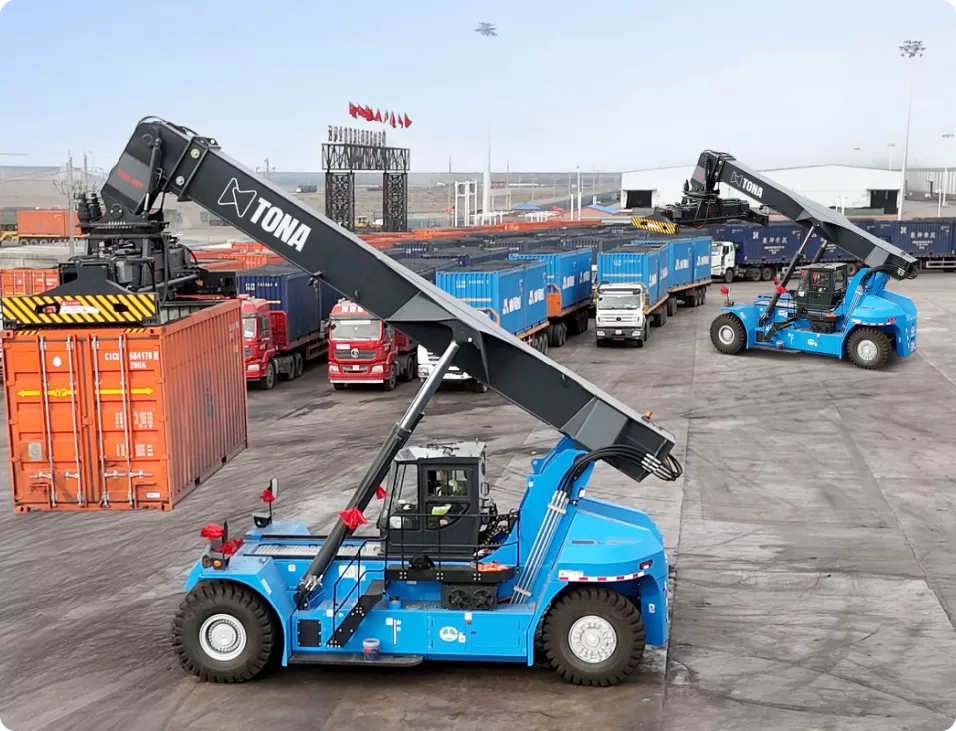 Choosing the wrong container handling equipment can cost more than the machine itself. If the capacity is too low, the equipment may not handle loaded containers safely.blogs
 -
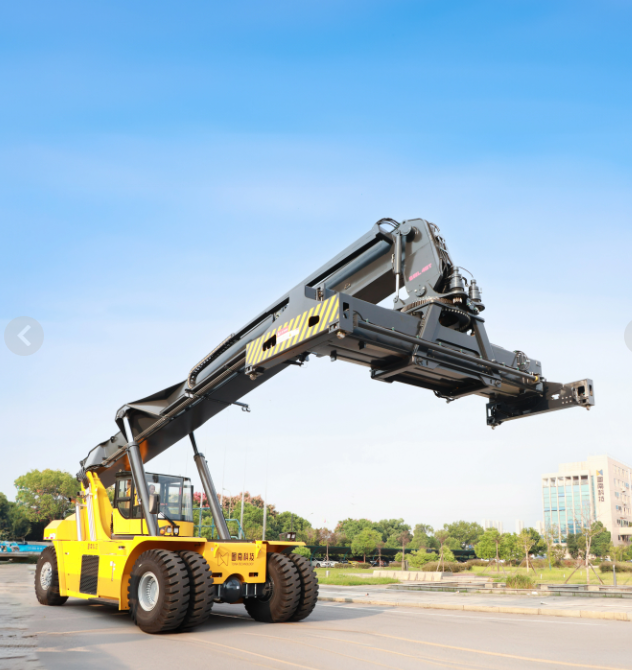 Buying a reach stacker is not like buying ordinary warehouse equipment. It is a major investment that directly affects container handling efficiency, operator safety, maintenance cost, and long-term terminal performance.blogs
 -
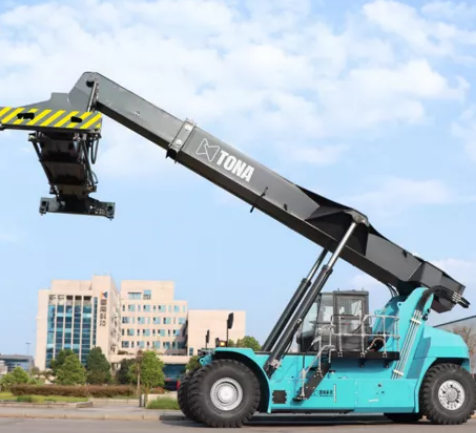 A reach stacker forklift works under heavy loads every day. It lifts containers, moves through busy yards, handles repeated braking and turning, and often operates for long shifts in ports, terminals, depots, and logistics centers.blogs