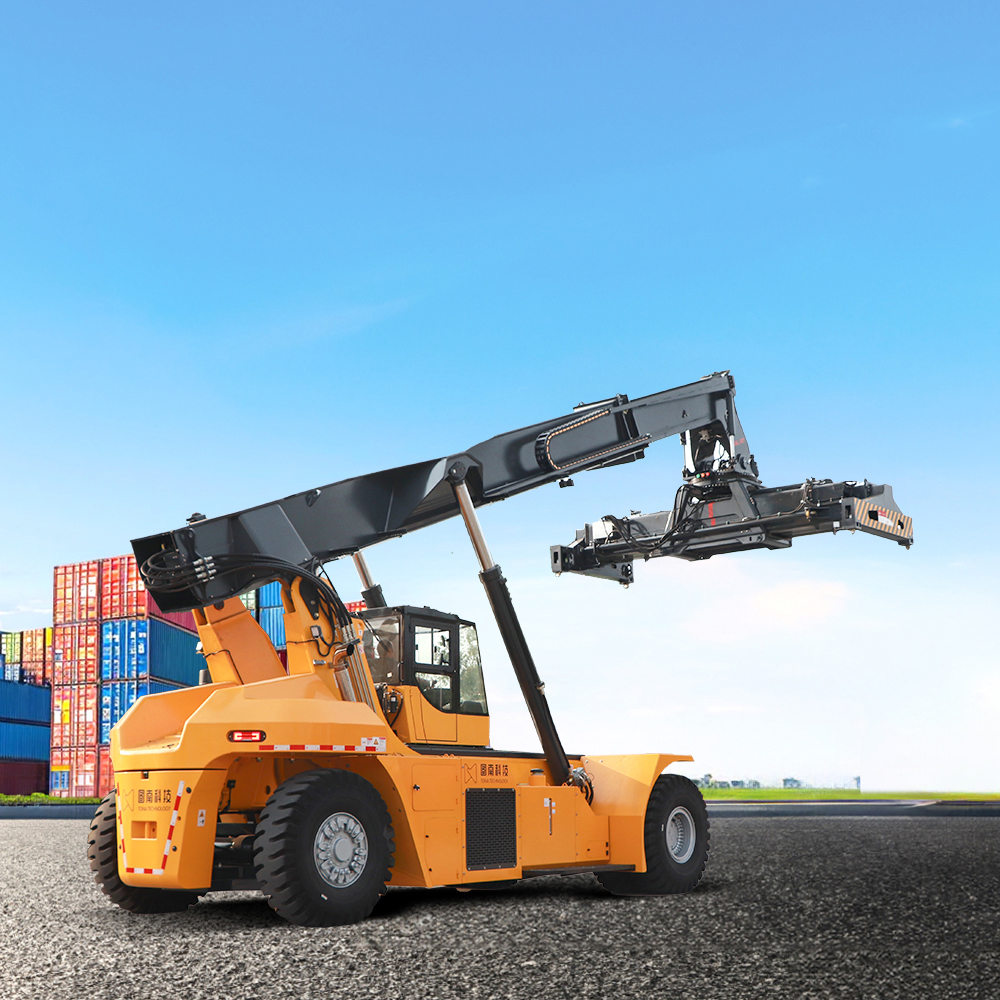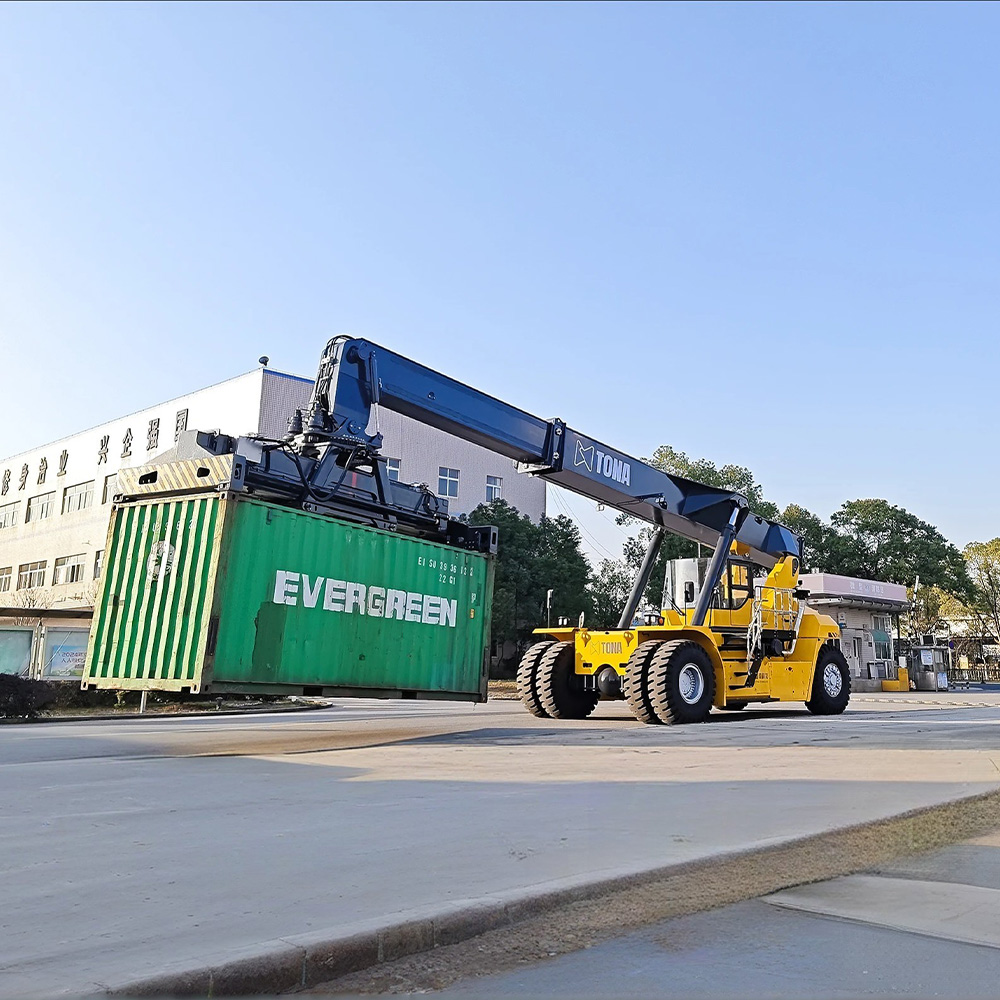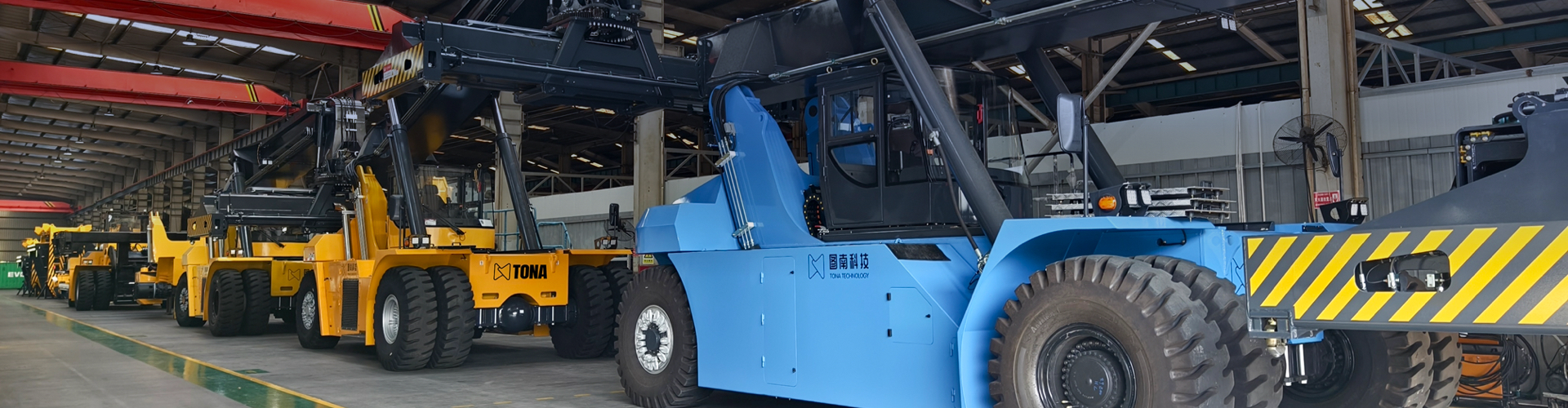

Have you ever wondered how material handling in narrow spaces is so efficient? A reach stacker, a specialized type of forklift, plays a crucial role in warehouse and distribution center operations. It is designed to lift and move pallets in tight spaces, where traditional forklifts struggle.
In this article, we will explore the classification of reach stackers and why understanding their class is essential. We will discuss the features of Class II forklifts and how this classification affects their use in various settings. By the end of this post, you’ll gain a clear understanding of the reach stacker’s importance and its key role in material handling.
Key Takeaways
Reach stackers fall under Class II: Electric Motor Narrow Aisle Trucks, designed for narrow aisle environments.
They are electric-powered and ideal for indoor operations with high storage racks and tight spaces.
Reach stackers excel in maneuverability, making them perfect for environments that require space optimization.
They are best for light to medium loads, with lifting capacities typically between 2,500 to 4,500 lbs.
Reach stackers are cost-effective compared to larger forklifts, especially for smaller to medium-scale operations.
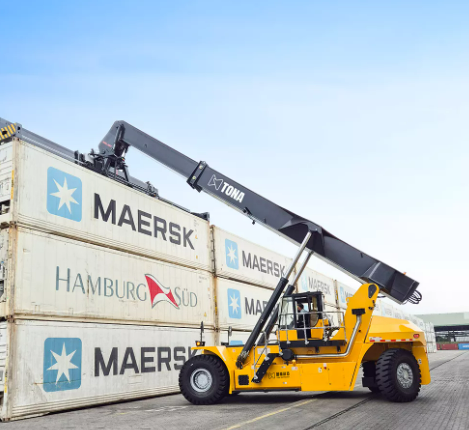
Understanding Forklift Classifications
Overview of OSHA’s Forklift Classifications
OSHA classifies forklifts into seven distinct classes (Class I through Class VII) based on several factors, including power source, design, and the intended environment. These classes help businesses select the right forklift for their needs based on their specific operational environment and handling requirements. The classification system is as follows:
| Class | Description | Application |
|---|---|---|
| Class I | Electric Motor Rider Trucks | Versatile, used indoors for various tasks, powered by batteries. |
| Class II | Electric Motor Narrow Aisle Trucks | Ideal for narrow aisles, designed for warehouse operations. |
| Class III | Electric Motor Hand Trucks | Used for light-duty tasks with hand-controlled operation. |
| Class IV | Internal Combustion Engine Trucks (Cushion Tires) | Typically used indoors with solid tires. |
| Class V | Internal Combustion Engine Trucks (Pneumatic Tires) | Suitable for both indoor and outdoor tasks with greater load capacities. |
| Class VI | Electric and Internal Combustion Engine Tractors | For towing applications, both indoor and outdoor use. |
| Class VII | Rough Terrain Forklift Trucks | Designed for use on construction sites and uneven terrain. |
Reach stackers fall under Class II, specifically as Electric Motor Narrow Aisle Trucks. This classification reflects their ability to operate efficiently in tight spaces, such as narrow aisles found in high-density storage areas.
Reach Stacker Classification
Reach stackers are categorized as Class II: Electric Motor Narrow Aisle Trucks. This means they are electric-powered and designed for operations in confined spaces like warehouses with narrow aisles. Class II forklifts are ideal for environments where maximizing storage space and ensuring efficient maneuverability are critical.
Being classified under Class II allows reach stackers to benefit from features such as compact design, high maneuverability, and the ability to operate in environments with limited floor space. These trucks are commonly used indoors, especially in operations where palletized loads need to be moved vertically and horizontally, such as in high-rack storage systems.
Key Features of Class II Forklifts
Class II forklifts, including reach stackers, are designed for specific environments and tasks. Key features that distinguish them include:
| Feature | Description |
|---|---|
| Electric power | These trucks are powered by industrial batteries, offering quiet and emission-free operations, which makes them ideal for indoor environments. |
| Narrow aisle suitability | Designed to navigate tight spaces, Class II forklifts are perfect for warehouses with narrow aisles, optimizing storage space and efficiency. |
| Vertical and horizontal reach | Reach stackers can extend their forks horizontally, allowing them to pick and place loads at significant heights, typically over 40 feet. |
These features enable Class II forklifts to perform specialized tasks that other types of forklifts, such as those in Classes IV or V, might not be suited for due to their larger size and higher load capacities.
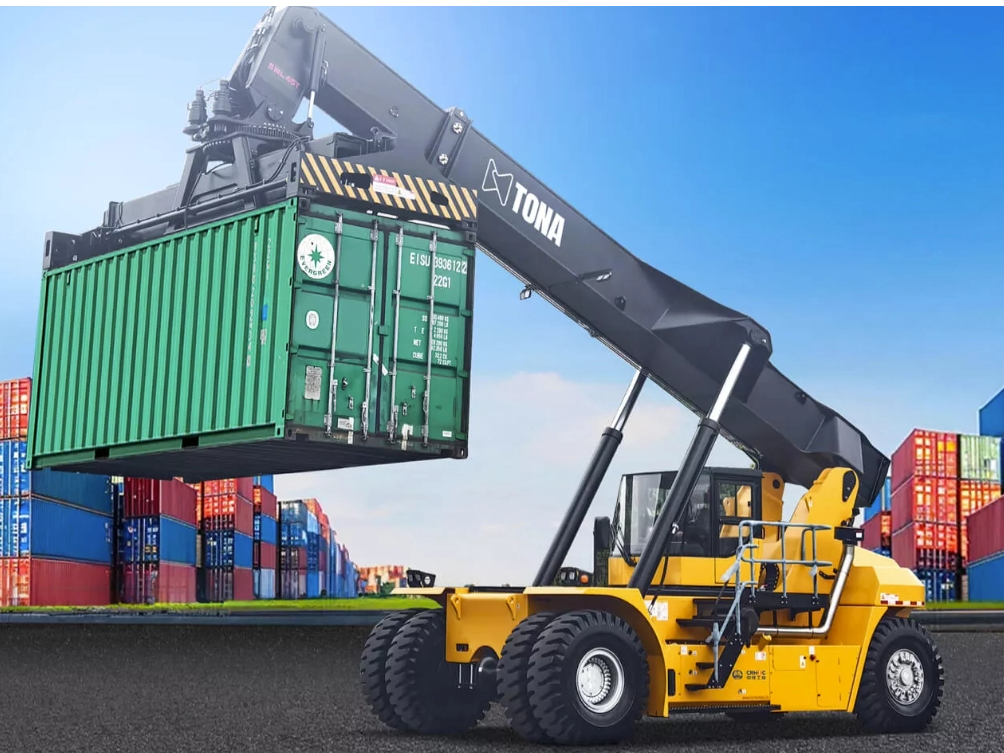
Characteristics of a Reach Stacker
Design and Functionality
The design of a reach stacker is tailored for high-efficiency operations in confined spaces. Key design elements include:
Pantograph mechanism: This mechanism enables the forks to extend and retract horizontally, allowing the operator to reach deep into storage racks to pick and place pallets.
Extended mast: Reach stackers come with tall masts, allowing them to lift loads to great heights, making them essential for high-rise storage systems.
Base legs: These provide stability, absorbing the load's weight without requiring a counterbalance, which is commonly found in other forklift types.
These unique design elements ensure reach stackers can handle material placement and retrieval in narrow aisles and high-storage environments.
Ideal Environments for Use
Reach stackers are ideal for environments where space is limited, and there is a need to maximize storage capacity. They are primarily used indoors in:
| Environment | Application |
|---|---|
| Warehouses | Reach stackers excel in high-density storage facilities where narrow aisles and vertical space need to be optimized. |
| Distribution centers | Used to move products from one point to another while maintaining safety and speed in confined spaces. |
| Manufacturing facilities | Reach stackers help in moving materials in tight spaces around production lines and storage racks. |
Their ability to fit into narrow aisles and reach heights that other forklifts cannot make them indispensable in these settings.
Load Capacity and Reach Height
Reach stackers are designed to handle lighter loads compared to other forklifts, with typical load capacities ranging from 2,500 to 4,500 lbs. However, what they lack in lifting capacity, they make up for in reach height and maneuverability.
| Feature | Value |
|---|---|
| Load Capacity | Typically between 2,500 to 4,500 lbs. |
| Lift Height | Reach stackers can achieve heights over 40 feet, ideal for high-rack storage. |
This combination of moderate load capacity and impressive reach height makes them a popular choice for warehouse environments where maximizing space is a priority.
Comparing Reach Stackers to Other Forklifts
Reach Stackers vs. Counterbalance Forklifts
While both reach stackers and counterbalance forklifts are used for material handling, there are significant differences:
| Aspect | Reach Stackers | Counterbalance Forklifts |
|---|---|---|
| Maneuverability | Designed for tight spaces, ideal for narrow aisles. | Better suited for larger spaces with wider aisles. |
| Load Handling | Moderate load capacity, ideal for light to medium loads. | Higher load capacity, can handle much heavier materials. |
| Stability | Uses base legs for stability without a counterweight. | Relies on counterweight at the rear to balance loads. |
Reach Stackers vs. Order Pickers
Order pickers and reach stackers both have a role in warehouse operations, but they serve different purposes:
| Feature | Reach Stackers | Order Pickers |
|---|---|---|
| Functionality | Used for moving and placing pallets in high-rise storage systems. | Designed for picking individual items from racks at height. |
| Operator Position | Operator stays inside the compartment. | Operator is elevated with the load to pick items directly. |
While order pickers are more suited for picking items, reach stackers are designed for heavier, bulkier palletized loads.
Reach Stackers vs. Walkie Stackers
Walkie stackers are often used as a more affordable alternative to reach stackers:
| Feature | Reach Stackers | Walkie Stackers |
|---|---|---|
| Lifting Height | Can lift to over 40 feet, ideal for high racks. | Limited to 15 feet, suitable for lower shelves. |
| Maneuverability | Designed for high maneuverability in narrow aisles. | Can also operate in tight spaces but lacks the reach. |
Reach stackers are ideal for environments where high storage density and the ability to handle taller racks are required.
The Role of Reach Stackers in Material Handling
Narrow Aisle Efficiency
One of the primary benefits of reach stackers is their ability to operate efficiently in narrow aisles. With their compact design, they can maneuver through tight spaces that other forklifts might struggle with, making them an excellent choice for maximizing storage capacity in limited areas.
High-Rise Storage Solutions
Reach stackers excel in high-rack storage systems, where they can easily access pallets stored at significant heights. Their extended mast and pantograph mechanism allow them to reach the second or even third row of pallet racks, optimizing vertical storage space.
Precision and Stability
When handling delicate or hazardous materials, stability and precision are critical. Reach stackers provide enhanced stability through their base legs, allowing them to safely handle materials without the need for counterweights. This makes them a safer and more stable option in environments where load precision is essential.
Benefits of Class II Forklifts for Specific Applications
Benefits in Warehouse and Distribution Centers
Reach stackers improve efficiency in warehouses by maximizing space and reducing the time spent moving pallets. Their ability to handle high racks and maneuver in narrow aisles makes them ideal for optimizing operations in confined warehouse environments.
Benefits for Handling Light to Medium Loads
For lighter materials, reach stackers are an ideal choice. They offer sufficient lifting capacity and reach height to handle smaller loads without the added cost and size of larger forklifts.
Cost-Effectiveness for Smaller Operations
Reach stackers are a more cost-effective solution compared to larger forklifts, making them a smart investment for small to medium-scale operations. Their electric-powered design also reduces maintenance costs, further increasing their appeal for businesses with budget constraints.
Conclusion
Reach stackers are classified as Class II: Electric Motor Narrow Aisle Trucks, making them ideal for indoor use in narrow aisle environments. Their unique features, such as the pantograph mechanism and extended mast, enable them to handle light to medium loads while accessing high storage systems. By understanding their benefits and limitations, businesses can make informed decisions about material handling needs.
For businesses looking to optimize warehouse operations, reach stackers are a great choice for maximizing storage space and improving handling efficiency. TONA offers high-quality reach stackers that provide the durability and efficiency needed to enhance your warehouse operations. With TONA’s innovative products, your business can benefit from seamless, efficient material handling solutions.
FAQ
Q: What class is a reach stacker?
A: A reach stacker is classified under Class II: Electric Motor Narrow Aisle Trucks, designed for indoor use in narrow aisle environments.
Q: Why is the reach stacker ideal for narrow aisles?
A: The reach stacker's compact design and pantograph mechanism allow it to efficiently maneuver in tight spaces, optimizing warehouse storage.
Q: How do reach stackers differ from counterbalance forklifts?
A: Reach stackers are designed for narrow aisles and lighter loads, while counterbalance forklifts handle heavier loads and require larger spaces.
Q: What are the benefits of using a reach stacker?
A: Reach stackers improve space utilization in warehouses by reaching high shelves and allowing for efficient pallet handling in confined spaces.
Q: Can a reach stacker handle heavy loads?
A: Reach stackers are best for light to medium loads, typically up to 4,500 lbs, and are optimized for high-rack storage systems.
Related Blogs
-
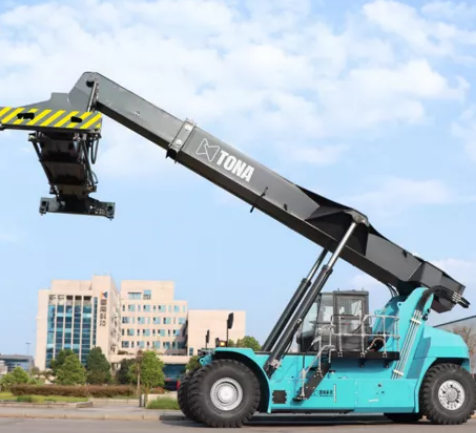 How Does a Reach Stacker Work?Introduction A reach stacker is a vital piece of equipment in modern logistics, especially for handling containers in ports, rail yards, and warehouses.blogs
 -
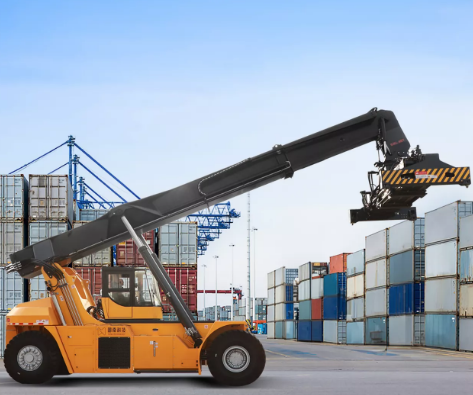 What is the Life Expectancy of a Reach Stacker?Introduction Understanding the life expectancy of a reach stacker is crucial for businesses that rely on material handling equipment. A reach stacker’s lifespan impacts operational efficiency, maintenance costs, and equipment planning.blogs
 -
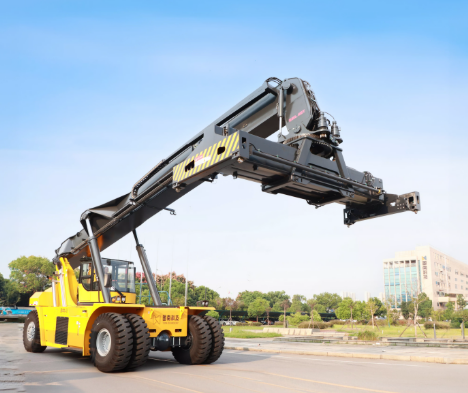 A walkie reach stacker is an electric-powered material handling equipment that combines the functionality of a stacker and a reach truck. Unlike standard walkie stackers, a walkie reach stacker features a pantograph or scissor mast that allows the forks to extend forward
 -
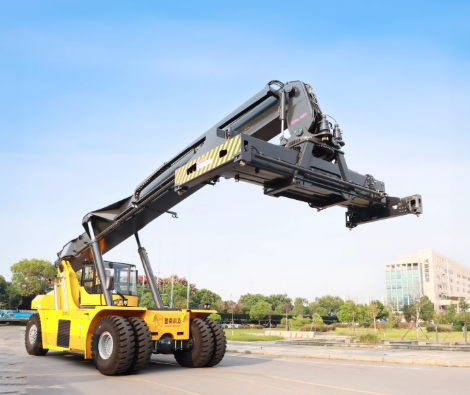 Operating a reach stacker safely is not a single action but a layered process that begins long before the ignition key turns. Because these machines lift 45 t more than 15 m high, a small lapse quickly becomes a catastrophic or costly event.