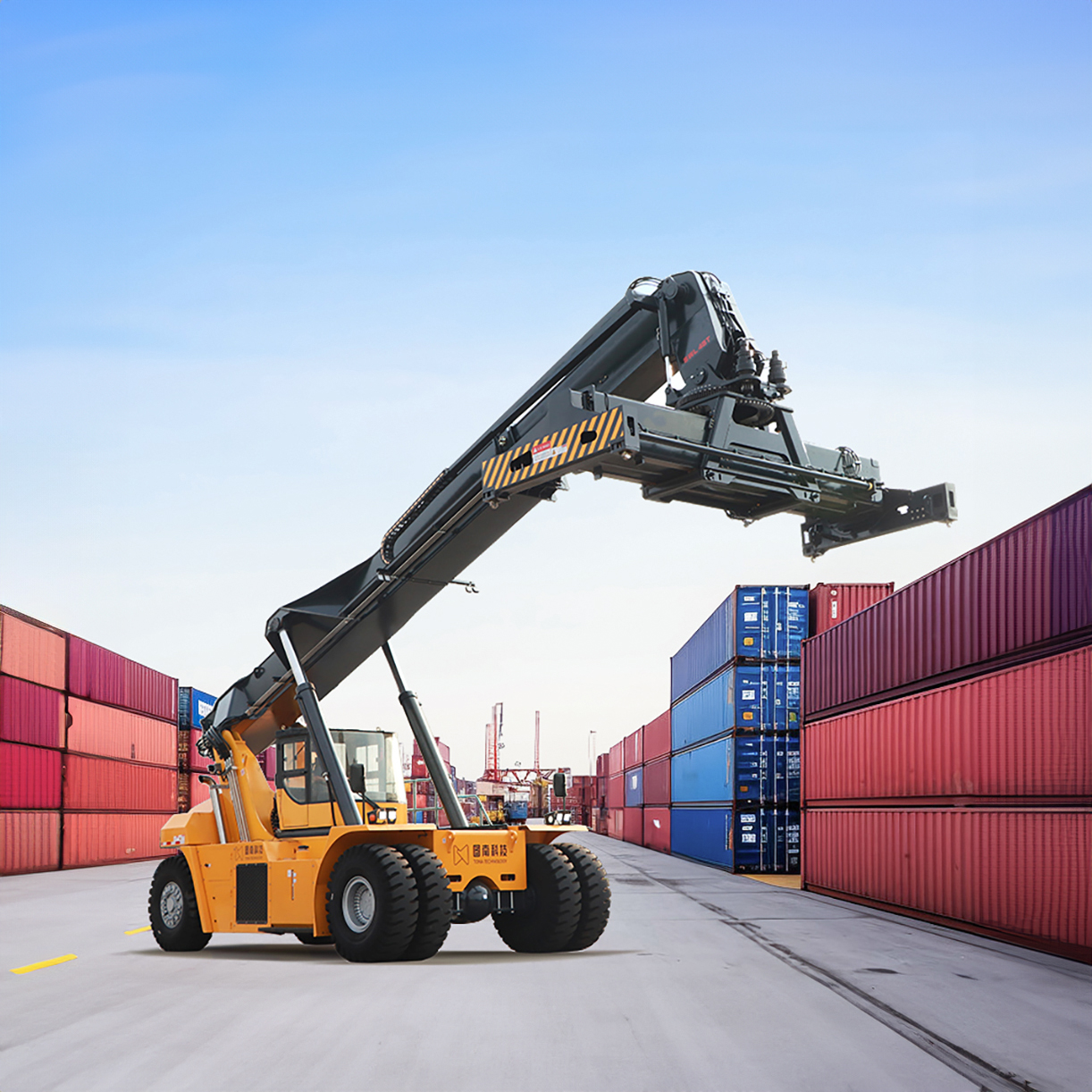

Heavy machines move huge containers daily. But who controls them safely? Operators need professional reach stacker training. It teaches safe lifting and machine control.But how long does training take? Does experience change the timeline?In this article, you will learn typical reach stacker training duration and key learning stages.
Typical Duration of Reach Stacker Training
Average Reach Stacker Training Course Length
Most professional reach stacker training programs take between three and five days to complete, although the exact duration may vary depending on the training provider and the operator’s previous experience. These programs usually include a combination of theoretical instruction, practical equipment operation, and final certification assessments.
During the first stage of the training program, trainees attend classroom sessions where instructors explain the structure of the reach stacker, its control systems, safety procedures, and load-handling principles. Once trainees understand the theoretical aspects of the machine, they move on to practical training sessions where they operate the equipment under the supervision of experienced instructors.
The following table shows a typical training timeline used by many training providers:
Training Stage | Typical Duration | Description |
Classroom theory training | 1–2 days | Safety regulations, machine structure, load charts |
Practical machine operation | 2–3 days | Driving, lifting, stacking containers |
Final evaluation and certification | 1 day | Written test and practical operation exam |
This structured approach ensures that trainees develop a strong understanding of the machine before they begin operating it in real logistics environments.
Differences Between Beginner and Experienced Operator Training
The time required for reach stacker training often depends on the trainee’s background. Operators who already have experience driving forklifts, cranes, or other heavy industrial vehicles typically learn faster because they already understand basic vehicle control principles and load-handling techniques. For example, forklift operators are familiar with steering systems, hydraulic lifting mechanisms, and workplace safety procedures, which allows them to adapt more quickly to reach stacker operation.
In contrast, trainees with no prior experience operating heavy equipment may require additional instruction and practice. Beginners must learn fundamental concepts such as vehicle maneuvering, spatial awareness, load balancing, and machine safety before they can safely operate a reach stacker. As a result, beginner training programs may last slightly longer or include additional practical sessions to ensure safe skill development.
Classroom Learning vs Practical Hands-On Training
A comprehensive reach stacker training program must include both theoretical instruction and practical machine operation. Classroom learning focuses on the technical aspects of the machine, including engine systems, hydraulic components, electronic controls, and safety regulations. Trainees also learn about container weight limits, load distribution, and the importance of reading load charts before lifting heavy containers.
However, hands-on experience is the most critical part of the training program. During practical training sessions, trainees practice driving the reach stacker, positioning the spreader, lifting containers from trucks, transporting them across the yard, and stacking them accurately in container rows. These exercises allow trainees to develop coordination and confidence while learning how the machine responds under different operating conditions.
Certification Requirements and Assessment Duration
At the end of a reach stacker training program, trainees must complete a certification assessment that evaluates both theoretical knowledge and practical operating skills. The written test typically covers safety procedures, machine operation guidelines, and load chart interpretation. Trainees must demonstrate that they understand the safety principles required to operate heavy container handling equipment.
The practical assessment evaluates the trainee’s ability to control the reach stacker safely while performing tasks such as driving, lifting containers, and stacking them correctly. Once trainees successfully complete both assessments, they receive certification confirming that they have completed professional reach stacker training.
On-Site Operational Training in Ports and Terminals
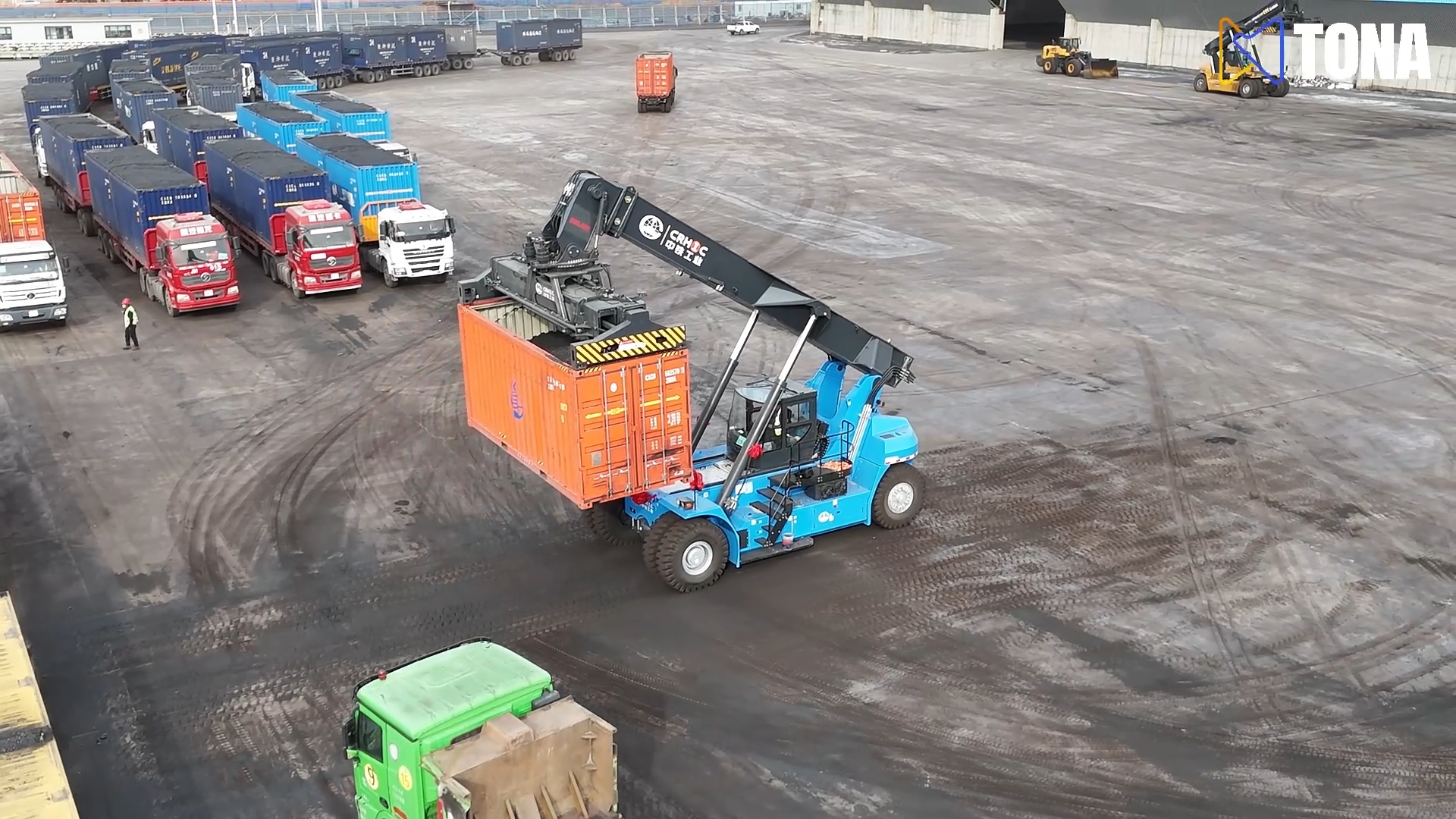
Some advanced training programs include on-site training sessions at ports or container terminals. This type of training allows trainees to operate reach stackers in real working environments rather than simulated training yards. Real-world training helps operators understand the complexity of container yard operations, including vehicle traffic, communication with ground staff, and coordination with cranes and other machinery.
Working in real port environments also exposes trainees to challenges such as uneven ground surfaces, limited maneuvering space, and heavy cargo movement. These conditions help operators gain practical experience and prepare for real operational scenarios.
Time Needed to Achieve Basic Operating Competency
Although formal reach stacker training programs may last only a few days, most operators require additional practice before they feel fully comfortable operating the machine independently. Basic competency usually develops within several weeks of regular machine operation. During this period, trainees often work under the supervision of experienced operators who guide them through daily tasks and help them improve their technique.
Time Required to Become a Fully Skilled Operator
Becoming a highly skilled reach stacker operator takes longer than completing the initial training program. Advanced skills such as high-stack container handling, operating in crowded terminals, and performing precise container positioning require months of real-world experience. Operators develop these skills gradually as they encounter different working conditions and container-handling challenges.
What Is Included in Reach Stacker Training Programs
Learning Machine Controls and Operating Principles
During reach stacker training, trainees learn how the machine operates and how its mechanical systems function together. They study the structure of the boom, the container spreader attachment, the hydraulic lifting system, and the vehicle’s powertrain. Understanding these systems allows operators to control the machine safely and identify potential technical problems during operation.
Understanding Load Charts and Container Handling Limits
Load charts are essential safety tools used by reach stacker operators. They show the maximum safe lifting capacity of the machine under different conditions such as reach distance, boom extension, and lifting height. Operators must carefully read load charts before lifting containers to avoid overloading the machine.
Container Row Position | Typical Lifting Capacity |
First row | Up to 45 tons |
Second row | 30–35 tons |
Third row | 20–25 tons |
Practicing Container Lifting and Stacking Operations
Practical exercises form the core of reach stacker training. Trainees practice lifting containers from trucks, transporting them across container yards, and stacking them in organized rows. They also learn how to position containers precisely so that they align correctly with other containers in the stack.
Safety Regulations and Risk Prevention Procedures
Safety training is a major component of reach stacker training programs because these machines handle extremely heavy loads. Operators learn how to identify workplace hazards, conduct pre-operation inspections, and follow emergency procedures. They also learn how to maintain safe distances from other workers and equipment while operating the machine.
Example Reach Stacker Models Used in Port Operations
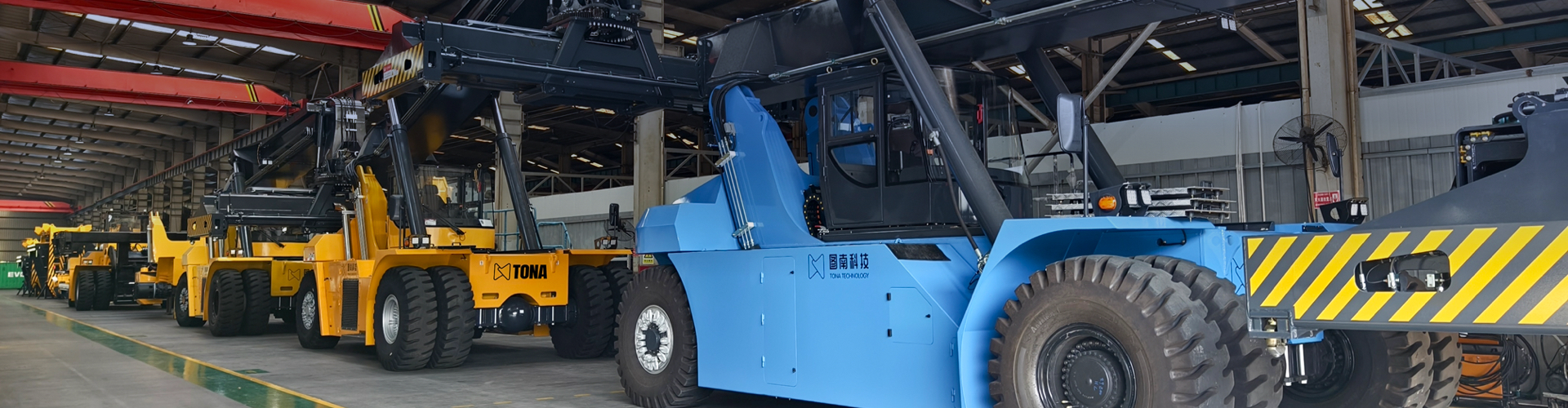
Modern container terminals use various reach stacker models depending on operational requirements such as lifting capacity, yard layout, and container volume. The following table highlights several models provided by Hunan Tona Machinery Technology Co., Ltd. that are commonly used in container handling operations.
Model | Type / Feature | Application |
Electric-powered reach stacker | Low-emission container handling | |
Standard reach stacker | General container operations | |
High-capacity reach stacker | Heavy container lifting | |
Mid-capacity reach stacker | Medium logistics terminals | |
Reinforced design | Ports and railway yards | |
High-performance reach stacker | Intensive container stacking | |
Lightweight model | Compact container yards | |
40-ton reach stacker | Standard logistics operations |
Factors That Affect Reach Stacker Training Duration
Several factors influence how long it takes to complete reach stacker training, including previous experience, training program complexity, learning pace, and training conditions.
Operators with experience operating forklifts or construction equipment usually learn faster than beginners. Training programs that include advanced topics such as machine maintenance and high-stack container handling may take longer to complete. Additionally, training centers with modern equipment and dedicated training areas can provide more efficient learning environments.
Reach Stacker Training vs Reach Truck Training
Although the names sound similar, reach trucks and reach stackers are used in different environments and require different training programs. Reach trucks operate mainly in warehouses where they move palletized goods within narrow aisles. Their lifting capacity usually ranges between 1.5 and 3 tons.
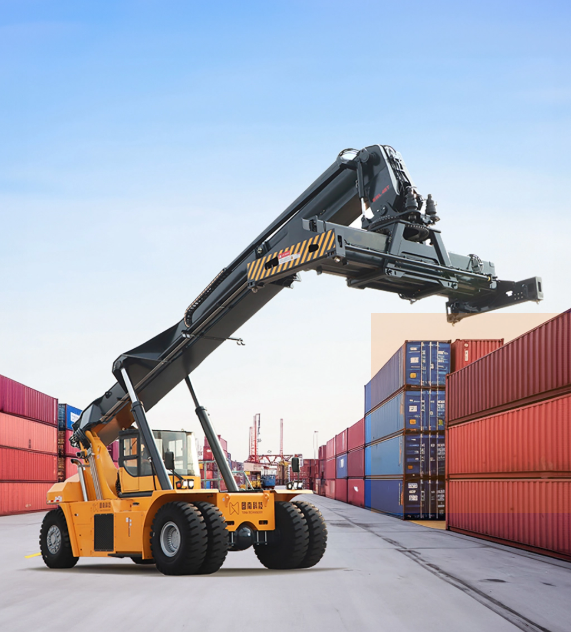
Reach stackers, on the other hand, operate outdoors in ports and logistics terminals and handle heavy shipping containers that can weigh up to 45 tons. Because reach stackers handle heavier loads and operate in complex outdoor environments, reach stacker training generally requires more extensive safety instruction and practical training sessions.
Equipment Type | Operating Environment | Typical Capacity |
Reach Truck | Warehouses | 1.5–3 tons |
Reach Stacker | Ports and terminals | Up to 45 tons |
Continued Learning After Initial Reach Stacker Training
Even after completing formal reach stacker training, operators must continue improving their skills through real-world experience and refresher training. On-the-job practice helps operators gain confidence and improve efficiency in container handling tasks.
Many companies require periodic refresher courses to ensure that operators remain familiar with safety procedures and updated equipment technology. As container handling equipment continues to evolve, operators must stay informed about new machine features and digital control systems.
Conclusion
In most cases, reach stacker training takes three to five days for basic certification, depending on the training program and operator experience. However, real proficiency requires additional practice in port and logistics environments. With proper reach stacker training and reliable equipment from Hunan Tona Machinery Technology Co., Ltd., operators can improve safety, efficiency, and container handling performance.
FAQ
Q: What is reach stacker training?
A: Reach stacker training teaches operators safe container handling.
Q: How long does reach stacker training take?
A: Reach stacker training usually takes three to five days.
Q: Why is reach stacker training important?
A: Reach stacker training improves safety and equipment control.
Q: Who needs reach stacker training?
A: Operators working in ports or container yards need reach stacker training.
Q: Does reach stacker training require experience?
A: Reach stacker training is faster for operators with forklift experience.
Related Blogs
-
 If you’re wondering what is reach stacker, it’s a powerful vehicle designed to lift, move, and stack large shipping containers. You’ll often spot a reach stacker at ports, container terminals, and storage yards.hot blog
 -
 In warehouses and distribution centers, choosing the right equipment is crucial for efficient material handling. Stackers and reach stackers are both essential, but they serve different needs. While stackers excel in tight spaces,
 -
 Reach stacker operators are the backbone of efficient logistics. They ensure smooth cargo movement in busy ports and warehouses. This article explores what it takes to become a reach stacker operator. We’ll cover the key skills, training programs, certifications, and safety measures required.
 -
 What Class is a Reach Stacker?Have you ever wondered how material handling in narrow spaces is so efficient? A reach stacker, a specialized type of forklift, plays a crucial role in warehouse and distribution center operations. It is designed to lift and move pallets in tight spaces,