
Space is tight in many yards. Forklifts often struggle there.A walkie reach stacker solves this problem. It moves pallets in narrow aisles.But choosing the right walkie reach stacker is not easy. In this article, you will learn key selection factors.

Why a Walkie Reach Stacker Is Ideal for Small Yards
Compact Design for Narrow Aisles and Limited Space
Small yards usually have tight aisles and crowded storage zones. Large forklifts need wider aisles and more turning space.
A walkie reach stacker uses a compact body and walk-behind control. Operators guide it using a handle. This allows precise movement in narrow aisles.
Typical aisle width comparison:
Equipment | Typical Aisle Width |
Counterbalance forklift | 3.5–4 m |
Reach truck | 2.7–3 m |
Walkie reach stacker | 2–2.5 m |
This compact design helps warehouses store more goods in the same space.
Vertical Stacking to Maximize Storage Density
Floor space is limited in small yards. Vertical storage becomes essential.
A walkie reach stacker lifts pallets onto storage racks. Many models reach heights above 4–5 meters (data needs verification). This allows businesses to increase storage density.
Benefits include:
● Better space utilization
● Organized inventory layout
● Reduced floor congestion
Using vertical racks often doubles storage capacity.
Lower Cost Compared to Full-Size Forklifts
Budget is important for many small operations.
Walkie reach stackers generally cost less than traditional forklifts. They also require lower operating expenses.
Cost advantages include:
● Lower purchase price
● Reduced energy consumption
● Minimal maintenance
● Easier operator training
Electric operation also eliminates fuel costs.
Improved Maneuverability in Tight Work Areas
Tight corners slow down warehouse operations. Equipment must move accurately to avoid collisions.
Walkie reach stackers offer:
● Short turning radius
● Smooth steering control
● Adjustable travel speeds
● Precise load placement
These features help operators work faster and safer.
Key Factors When Choosing a Walkie Reach Stacker for Small Yards
Selecting the right walkie reach stacker requires careful evaluation.
Evaluate Available Aisle Width and Turning Radius
Start by measuring the workspace.
Key measurements include:
● Aisle width
● Turning space
● Rack distance
● Door clearance
Equipment that is too large will reduce efficiency.
Determine the Required Load Capacity
Stackers are designed for different load ranges.
Typical capacity levels:
Type | Capacity |
Light duty | 1000–1200 kg |
Medium duty | 1500–2000 kg |
Heavy duty | 2000–3000 kg |
Always choose equipment with higher capacity than the average load.
Choose the Right Lift Height for Your Racking System
Lift height must match the warehouse storage system.
Common lift heights include:
● 3 m for small racks
● 4–5 m for standard racks
● 6 m for high racks
Residual capacity decreases as lift height increases. :contentReference[oaicite:1]{index=1}
Assess Reach Mechanism and Fork Extension
Reach stackers extend forks forward. This allows deeper pallet placement.
Two common mechanisms include:
● Pantograph reach system
● Telescopic fork extension
These features increase flexibility in tight storage layouts.
Check Battery Type and Power Efficiency
Electric stackers use battery power.
Common battery options:
Battery Type | Advantages | Disadvantages |
Lead-acid | Low cost | Requires maintenance |
Lithium-ion | Fast charging | Higher price |
Lithium batteries offer longer lifespan and lower maintenance.
Review Safety and Stability Features
Safety protects workers and inventory.
Important safety systems include:
● Emergency stop button
● Anti-rollback system
● Stability control
● Automatic braking
These features reduce accidents and improve operator confidence.
Consider Ease of Maintenance and Service Support
Reliable equipment requires good service support.
Before purchasing, check:
● Spare parts availability
● Local service network
● Warranty coverage
● Diagnostic systems
Machines with built-in diagnostics simplify repairs.
How to Evaluate Your Yard Layout Before Buying a Walkie Reach Stacker
Measuring Aisle Width and Working Space
Accurate measurement is essential when selecting a walkie reach stacker for small yards. Begin by carefully measuring storage aisles, loading areas, and turning zones to ensure the equipment can operate smoothly without obstacles. These dimensions help determine whether the stacker has enough space to move, turn, and place pallets safely. It is also important to check doorways, rack spacing, and nearby structures that may limit movement. After collecting the measurements, record the data clearly and document the entire layout so you can evaluate equipment compatibility before purchasing.
Analyzing Storage Rack Height and Layout
Rack design strongly influences the choice of a walkie reach stacker. Before selecting equipment, review key rack specifications such as rack height, beam spacing, and pallet size. These factors determine how high the stacker must lift and how easily pallets can be placed on the racks. Taller storage systems usually require stackers with higher lift capacity and stable mast structures to ensure safe operation. Proper planning of rack dimensions helps improve storage efficiency and prevents handling problems during daily warehouse operations.
Identifying Obstacles and Floor Conditions
Warehouses often contain various obstacles that can affect the operation of a walkie reach stacker. Common obstacles include structural columns, warehouse doors, loading ramps, and uneven floor surfaces. These elements may limit turning space or reduce equipment stability during lifting operations. Before selecting a stacker, carefully inspect the working environment and note any areas that may restrict movement. In some cases, stackers equipped with an initial lift system can provide additional ground clearance, allowing them to operate more safely on ramps or slightly uneven floors.
Planning Future Storage Expansion
Warehouse needs often change as businesses grow. When selecting a walkie reach stacker, it is important to consider potential future expansion. This may include increased inventory volume, higher storage racks, or the addition of new storage areas within the facility. Choosing equipment that supports higher lift heights and flexible storage layouts can help avoid costly upgrades later. Planning ahead ensures the stacker will continue to meet operational needs as the warehouse develops.
Comparing Walkie Reach Stackers With Other Material Handling Equipment
Walkie Reach Stacker vs. Standard Walkie Stacker
Standard walkie stackers lift pallets vertically and work well for basic stacking tasks. However, they lack forward reach capability, which limits their ability to access pallets stored deep inside racking systems. In contrast, a walkie reach stacker can extend its forks forward, allowing operators to place and retrieve pallets from deeper rack positions with greater precision. This feature makes reach stackers more suitable for warehouses that use high-density or deep racking layouts.
Walkie Reach Stacker vs. Counterbalance Forklift
Forklifts handle heavier loads but require more space.
Feature | Walkie Reach Stacker | Forklift |
Space requirement | Low | High |
Purchase cost | Lower | Higher |
Load capacity | Medium | High |
Small warehouses benefit more from stackers.
Walkie Reach Stacker vs. Electric Pallet Jack
Electric pallet jacks move loads horizontally.
They cannot lift pallets onto racks.
Reach stackers provide both movement and stacking.
When a Walkie Reach Stacker Is the Best Choice
This equipment works best when:
● Aisles are narrow
● Storage racks are medium height
● Pallet loads are moderate weight
● Warehouse space is limited
Essential Specifications to Check Before Purchasing
When selecting a walkie reach stacker, it is important to review several technical specifications to ensure the equipment meets operational needs. First, understand the difference between rated capacity and residual capacity. Rated capacity indicates the maximum safe load under standard conditions, while residual capacity shows the safe load when the forks are raised to higher positions. Because lifting height affects stability, always review the load chart and compare capacity at full lift height. Another important factor is the mast type and lift configuration. Common mast designs include single-stage, duplex, and triplex masts. Triplex masts allow higher lifting while maintaining a lower collapsed height, which helps the machine pass through doors or operate in warehouses with limited ceiling clearance. Fork specifications must also match the pallets used in the facility. Key considerations include fork length, fork spacing, and the adjustment range. Adjustable forks allow operators to handle different pallet sizes more easily and improve operational flexibility. In addition, modern stackers are typically equipped with AC drive motors and advanced control systems. These motors provide higher efficiency, require less maintenance, and deliver smoother acceleration and braking during operation. Programmable control systems further improve handling precision and overall productivity.
Operator Comfort and Safety Considerations
Operator comfort and safety are important when selecting a walkie reach stacker. Most stackers are controlled using ergonomic handles that reduce fatigue during long shifts. Modern designs often include multi-function handles, thumb control wheels, and smooth steering systems to improve maneuverability and operator comfort. Good visibility is also essential. High-visibility mast structures allow operators to clearly see the forks and the load, which helps reduce positioning errors when stacking pallets. Safety systems further enhance operational protection. Many stackers include emergency stop switches, anti-rollback protection, and automatic braking to prevent accidents during operation. Finally, proper operator training is critical. Workers must understand load limits, safe driving practices, and basic maintenance checks to ensure efficient and safe warehouse operations.
Cost, Maintenance, and Long-Term ROI
When choosing a walkie reach stacker, buyers should consider long-term return on investment rather than focusing only on the initial purchase price. Equipment cost includes more than the upfront expense, as operating costs such as energy consumption, maintenance, and battery replacement also affect the total investment. Battery management plays a key role in operating efficiency. Lead-acid batteries require regular watering and maintenance, while lithium batteries charge faster and require less upkeep. Reliable service support is equally important. Before purchasing equipment, verify that spare parts are readily available and that local service teams can provide timely technical assistance. Strong service networks help minimize downtime and keep warehouse operations running smoothly. Ultimately, businesses should evaluate the total cost of ownership, which includes the purchase price, energy use, maintenance costs, and potential downtime risks. In many cases, a higher-quality machine with better reliability will deliver greater long-term value than a cheaper alternative.
Heavy-Duty Reach Stackers for Container Handling
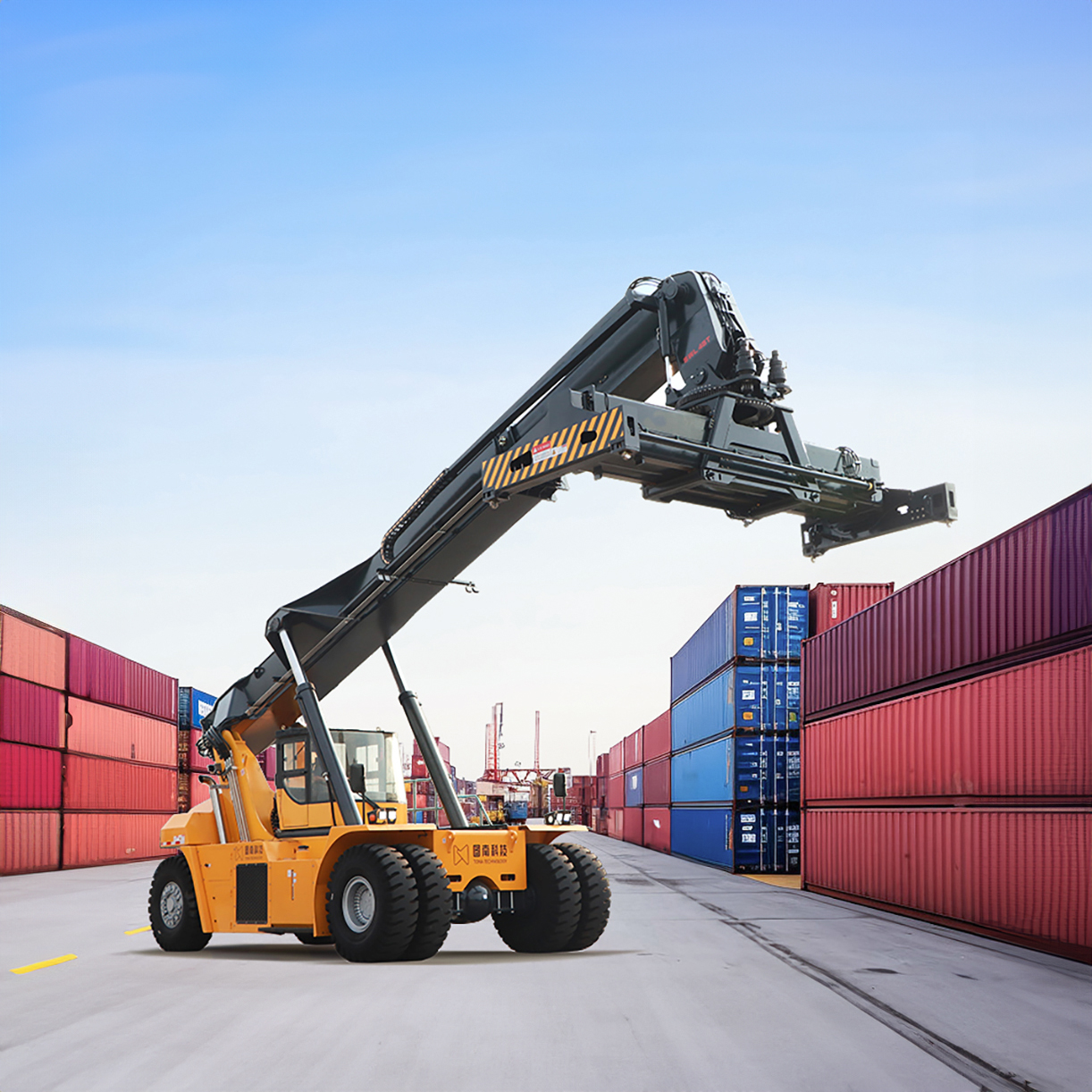
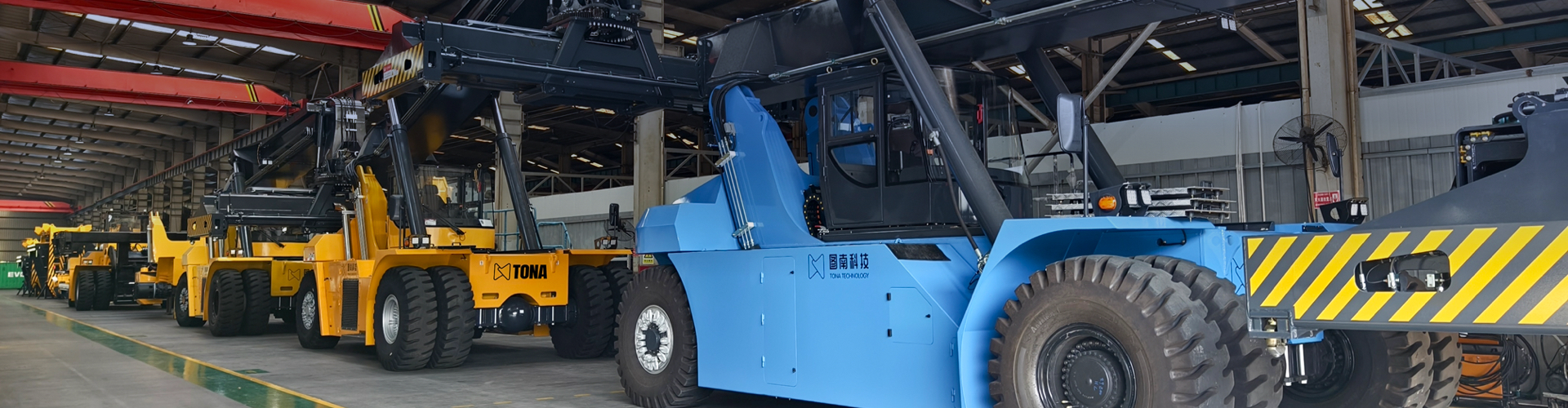
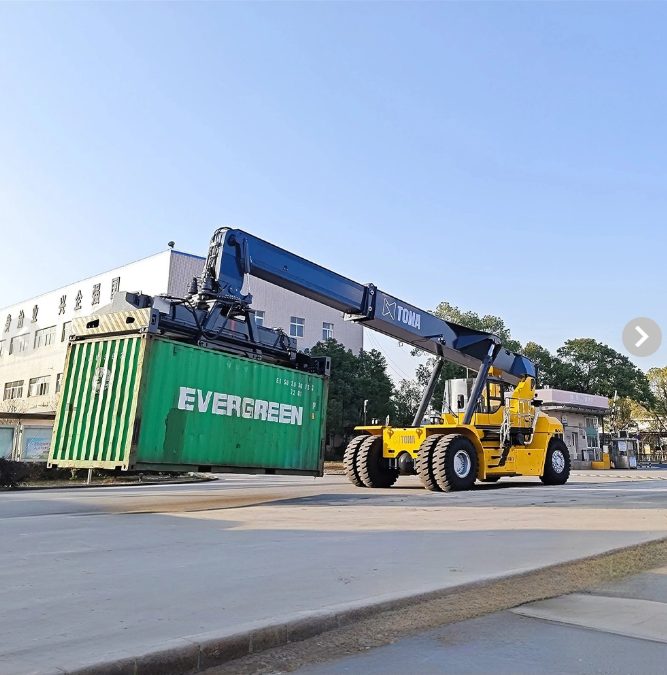
While a walkie reach stacker works best inside warehouses, large logistics yards often use heavy-duty reach stackers for container handling.
These machines are designed for ports, railway terminals, and container logistics centers. They handle large shipping containers with strong lifting capacity and advanced hydraulic systems.
Modern reach stackers offer:
● High container lifting capacity
● Precise hydraulic control
● Comfortable operator cabins
● Smart control systems
These features improve productivity and reduce downtime in container yards.
Example Reach Stacker Models
Many manufacturers provide different models for container operations.
Common models include:
● TR45E Electric Reach Stacker – environmentally friendly container handling equipment with lower emissions and reduced energy costs.
● TR45 Series Reach Stackers – reliable machines for general container stacking in logistics hubs.
● TR4645 and TR4535 Reach Stackers – heavy-duty models designed for high-volume container terminals.
● TR4545 Reach Stacker – suitable for ports and railway container stations requiring high stacking performance.
● TRT40 Reach Stacker – lightweight model offering excellent maneuverability for smaller container yards.
These machines help operators stack containers efficiently while maintaining safety and operational stability.
How These Machines Complement Warehouse Equipment
Different equipment types serve different roles in logistics.
Equipment Type | Application | Load Type |
Walkie reach stacker | Small warehouses | Pallets |
Electric pallet stacker | Retail storage | Light pallets |
Reach stacker | Ports and terminals | Containers |
Businesses often combine these machines. Containers are unloaded in the yard using reach stackers. Pallets are then transported inside warehouses using walkie reach stackers.
Common Mistakes to Avoid When Choosing a Walkie Reach Stacker
When selecting a walkie reach stacker, many buyers focus only on price or basic specifications. This often leads to poor equipment choices. One common mistake is ignoring actual warehouse space and layout requirements. Incorrect measurements can result in machines that are too large or difficult to maneuver. Always measure aisles, turning zones, and storage areas carefully before purchasing. Another issue is choosing insufficient lift capacity. A stacker that cannot safely handle typical loads will limit operations and increase safety risks. Equipment capacity should always exceed the average pallet weight to maintain safe performance. Some buyers also overlook safety and stability features. Modern systems such as stability control and automatic braking are essential for safe operation. Finally, focusing only on purchase price rather than overall value can create long-term costs. Lower-priced machines may require frequent repairs, while durable equipment provides better reliability and lower operating expenses over time.
Conclusion
Choosing the right walkie reach stacker for a small yard requires careful evaluation. Buyers must analyze space layout, load capacity, lift height, safety features, and maintenance requirements. The right equipment improves storage efficiency and workflow while increasing safety and reducing operational costs. For warehouses with limited space, a walkie reach stacker offers an ideal balance of compact design, flexibility, and productivity. With reliable equipment and professional solutions from Hunan Tona Machinery Technology Co., Ltd., businesses can optimize warehouse handling efficiency. When combined with heavy-duty reach stackers used in container yards, companies can build a complete and efficient material handling system that supports both indoor pallet handling and large-scale container operations.
FAQ
Q: What is a walkie reach stacker?
A: A walkie reach stacker lifts and moves pallets in narrow aisles.
Q: How to choose a walkie reach stacker for small yards?
A: Check aisle width, load weight, lift height, and safety features.
Q: Why use a walkie reach stacker instead of a forklift?
A: A walkie reach stacker works better in tight warehouse spaces.
Q: What capacity should a walkie reach stacker have?
A: It should exceed average pallet weight for safe operation.
Q: How much does a walkie reach stacker cost?
A: Price varies by capacity, battery type, and lift height.
Related Blogs
-
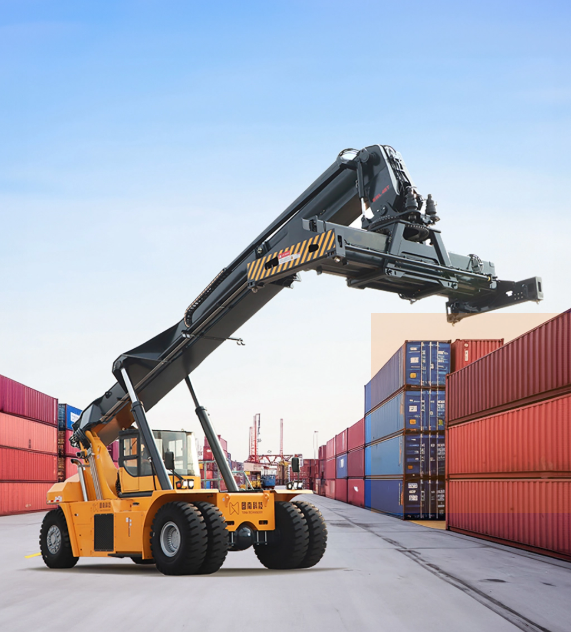 Reach stacker operators are the backbone of efficient logistics. They ensure smooth cargo movement in busy ports and warehouses. This article explores what it takes to become a reach stacker operator. We’ll cover the key skills, training programs, certifications, and safety measures required.
 -
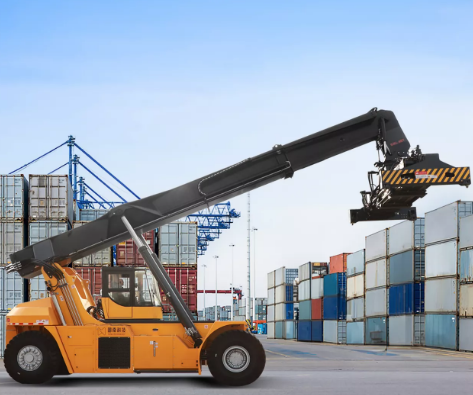 Reach stackers are essential in logistics, especially for moving and stacking containers. These powerful machines ensure smooth operations in busy shipping environments. But the question arises: is a reach stacker considered a vehicle?In this article,
 -
 How Does a Reach Stacker Work?Introduction A reach stacker is a vital piece of equipment in modern logistics, especially for handling containers in ports, rail yards, and warehouses.blogs
 -
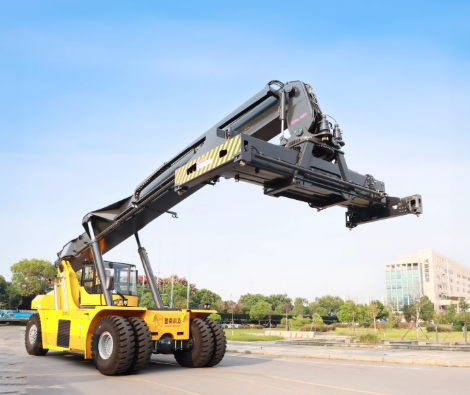 Operating a reach stacker safely is not a single action but a layered process that begins long before the ignition key turns. Because these machines lift 45 t more than 15 m high, a small lapse quickly becomes a catastrophic or costly event.