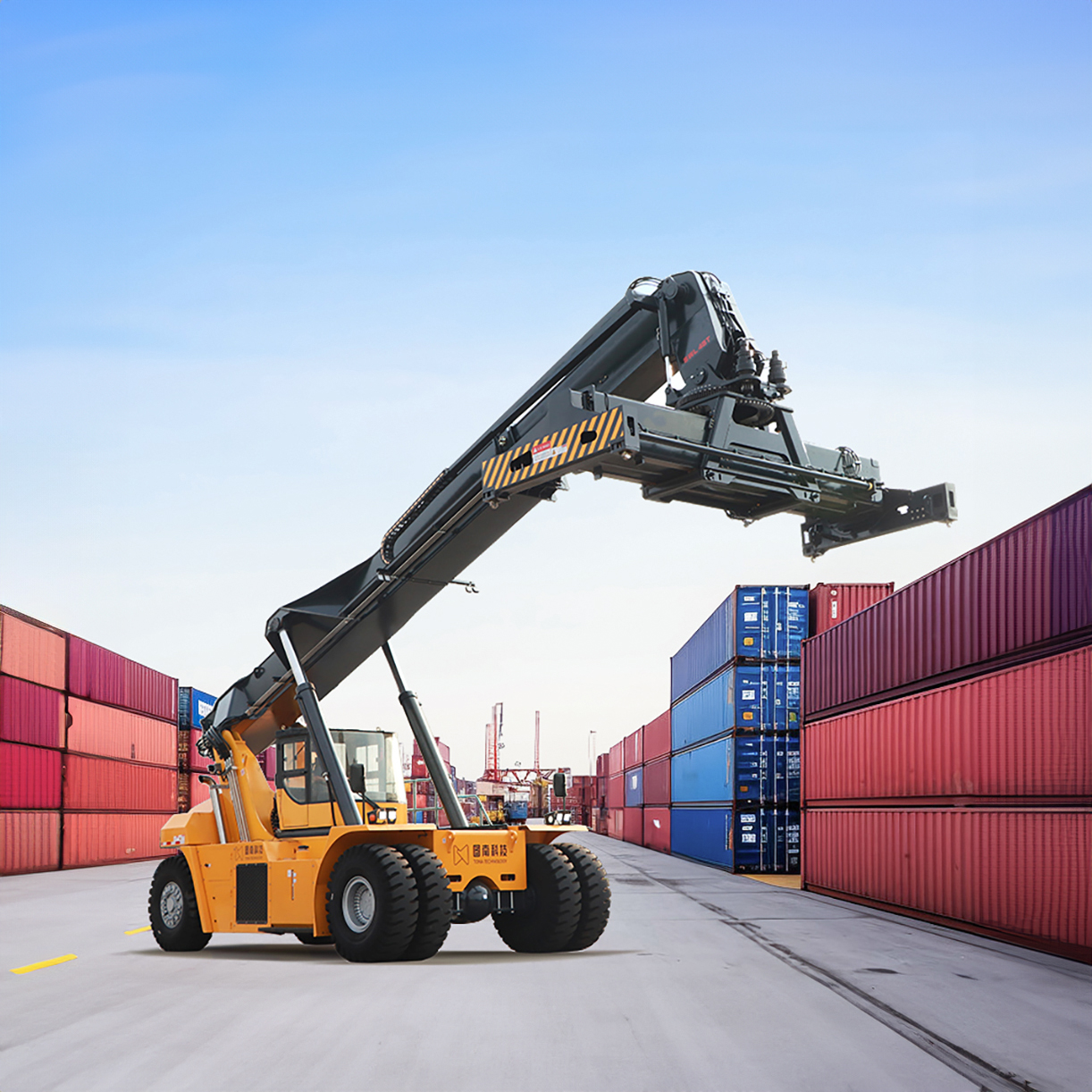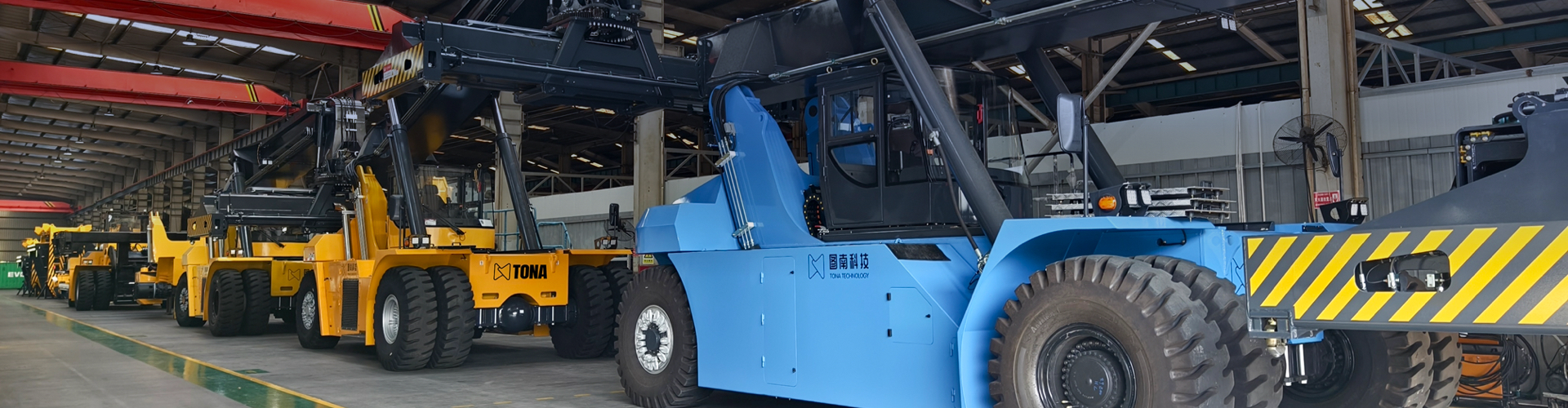

Containers weigh tens of tons. Ports must lift them safely.A forklift reach stacker handles these heavy loads.
But how much can it really lift? Load capacity depends on reach and height. It also changes across container rows.In this article, you will learn typical capacity ranges and safe lifting limits.
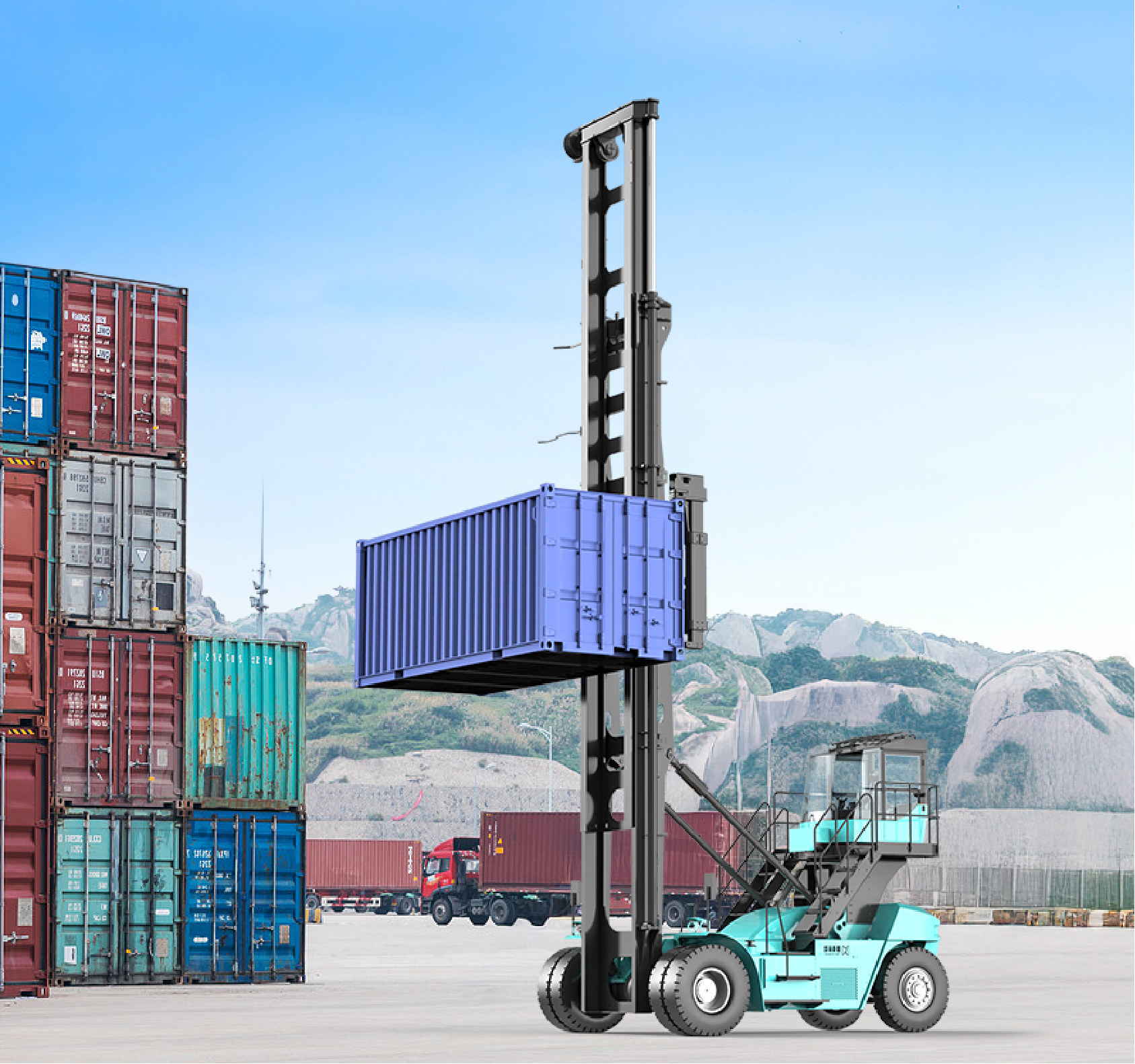
Typical Load Capacity of a Forklift Reach Stacker
Standard Load Capacity Range for Modern Forklift Reach Stackers
Modern forklift reach stacker machines are designed to handle extremely heavy containers, and most standard models used in ports and container terminals fall within a specific lifting capacity range. In general, a typical reach stacker can lift between 30 and 45 tons, depending on the machine configuration, boom design, and operating conditions.
These machines are specifically built to handle intermodal containers used in international shipping, including both 20-foot and 40-foot containers, which often weigh tens of tons when fully loaded. High-capacity models are commonly equipped with powerful diesel engines, advanced hydraulic systems, and reinforced boom structures that enable them to lift heavy loads while maintaining stability and control.
The following table shows typical lifting capacities for common reach stacker categories:
Reach Stacker Type | Typical Load Capacity |
Light-duty reach stacker | 30–35 tons |
Standard port reach stacker | 40–45 tons |
Heavy-duty reach stacker | 45–50+ tons |
While the maximum capacity may appear straightforward, the actual load a machine can lift safely varies depending on where the container is positioned relative to the machine and how far the boom must extend.
Most container terminals select 45-ton reach stackers for standard operations.
Capacity Differences by Container Row
One of the most important characteristics of a forklift reach stacker is that its lifting capacity changes depending on the container row in which the machine is operating. Containers in a yard are usually stacked in rows, and the reach stacker must extend its boom further when accessing deeper rows.
Because extending the boom shifts the center of gravity forward and increases the overturning moment, the lifting capacity gradually decreases as the reach distance increases. A reach stacker may therefore lift its maximum load when handling containers in the first row but significantly less when reaching into the second or third row.
Typical lifting capacities by container row are shown below:
Container Row | Typical Capacity Range |
First row | Up to 45 tons |
Second row | 30–35 tons |
Third row | 20–25 tons |
This difference is a fundamental principle of reach stacker design and explains why operators must carefully consider reach distance before lifting heavy containers.
Heavy-Duty Forklift Reach Stacker Models and Maximum Capacities
Large container ports and intermodal freight terminals often require heavy-duty forklift reach stacker machines capable of handling higher loads and operating continuously under demanding conditions. These machines typically include reinforced steel booms, stronger hydraulic cylinders, and high-output engines that deliver greater lifting power and faster container handling cycles.
Heavy-duty reach stackers are particularly useful in high-volume container yards where stacking heights are greater and container throughput is extremely high. Some specialized models designed for rail terminals, barge terminals, or heavy industrial operations can lift containers weighing more than 45 tons when operating in the first row.
In addition to higher lifting power, heavy-duty machines often feature advanced stability control systems that monitor load distribution and automatically adjust hydraulic pressure to maintain safe operation.
Example Capacity Ratings in Real Port Operations
In real container terminal operations, the lifting capacity of a forklift reach stacker changes continuously depending on the position of the container and the working cycle of the machine. For example, during container unloading operations from trucks or rail wagons, the reach stacker typically handles containers in the first row, allowing it to use its maximum lifting capacity.
When stacking containers deeper in the yard, the machine must extend the boom further forward, which reduces the amount of weight it can safely handle. As a result, operators must adjust their lifting operations accordingly to maintain safety and equipment reliability.
How Load Capacity Changes With Reach Distance
Why Capacity Drops as the Boom Extends
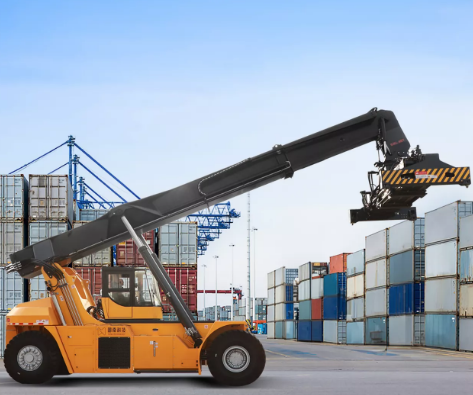
The boom of a forklift reach stacker functions as a long lever arm that allows the machine to reach containers positioned several meters away from the chassis. While this design provides flexibility for stacking containers in multiple rows, it also changes the balance of the machine as the boom extends outward.
As the boom moves forward, the load shifts away from the machine’s center of gravity, increasing the overturning moment. To maintain stability and prevent tipping, the machine must reduce the maximum allowable load weight when the reach distance increases.
This mechanical principle explains why reach stackers can lift heavier loads close to the machine but lighter loads when reaching further away.
Load Capacity in the First Container Row
Containers located in the first row are positioned closest to the reach stacker, allowing the machine to operate with minimal boom extension. Because the center of gravity remains close to the chassis, the machine maintains maximum stability and can therefore lift its highest rated capacity.
For most standard machines, this means a forklift reach stacker can lift up to about 45 tons when handling containers in the first row.
Capacity Limits in the Second and Third Rows
When the reach stacker accesses containers located in the second or third row, the boom must extend significantly further forward. This increased reach distance reduces stability and forces the machine to operate at lower lifting capacities.
Typical capacity limits for deeper rows include around 30–35 tons in the second row and approximately 20–25 tons in the third row, although exact limits depend on the specific machine model.
Practical Example of Capacity by Reach Distance
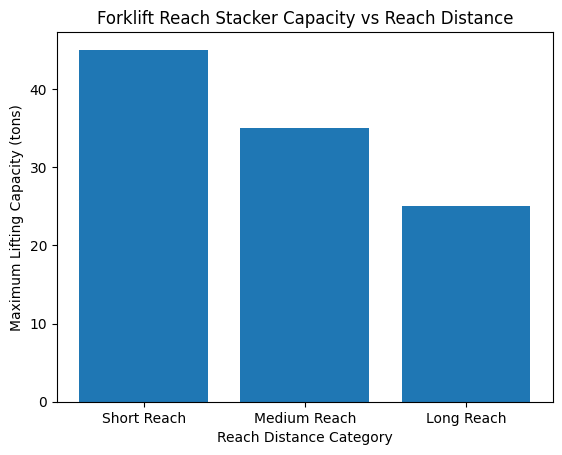
The following example illustrates how reach distance affects load capacity:
Reach Distance | Maximum Capacity |
Short reach | 45 tons |
Medium reach | 35 tons |
Long reach | 25 tons |
Operators must constantly monitor reach distance when lifting containers, as exceeding the allowed capacity may cause instability or mechanical stress.
Key Factors That Affect Forklift Reach Stacker Load Capacity
Several operational factors influence the safe lifting capacity of a forklift reach stacker, and understanding these variables is essential for safe container handling.
● Boom Length and Reach Distance
The most significant factor affecting load capacity is the reach distance created by the boom. The further the boom extends, the more the center of gravity shifts away from the machine, reducing stability and lifting power.
● Container Weight and Type
Not all containers weigh the same, and the type of cargo inside a container can significantly affect lifting safety. Refrigerated containers, for example, often weigh more than standard cargo containers because of their cooling systems and insulation.
● Ground Conditions and Yard Surface
Stable ground conditions are essential for safe lifting operations. Uneven or soft ground surfaces may reduce machine stability and lower the safe load capacity of a reach stacker.
● Lifting Height and Stacking Levels
The height at which a container is lifted also influences capacity because raising a load shifts the center of gravity upward. Higher stacking levels therefore require lower lifting weights.
Safety Risks of Exceeding Forklift Reach Stacker Capacity
Operating a forklift reach stacker beyond its rated capacity can create serious safety and operational risks. Overloading may push the machine’s center of gravity outside the stability zone, increasing the possibility of a dangerous tip-over accident. Excessive weight also places heavy stress on critical components such as the hydraulic system, boom structure, and chassis, which may lead to mechanical damage or unexpected equipment failure. When a machine breaks down, terminal operations can slow down or stop completely, causing costly delays in container handling. In addition, safety regulations require operators to strictly follow the manufacturer’s load limits, and ignoring these limits may result in penalties or compliance violations.
How to Choose the Right Forklift Reach Stacker Capacity
Selecting the correct forklift reach stacker capacity is essential for efficient and safe container terminal operations. Operators should first evaluate the typical weight of containers handled in the yard to ensure the equipment has enough lifting capacity for daily tasks. At the same time, the layout of the container yard, including stacking rows, reach distance, and working space, should be considered because these factors directly influence the machine’s required lifting performance. Ports and logistics centers also need to think about long-term development, since container volumes often increase as operations grow, making it beneficial to choose equipment with slightly higher capacity to support future expansion. In addition, working closely with equipment manufacturers can help operators select the most suitable reach stacker model based on real operational conditions and workload requirements.
Comparing Forklift Reach Stacker Capacity With Other Equipment
Reach stackers are not the only machines used for container handling, but they provide several advantages compared with other equipment types. A forklift reach stacker can access multiple container rows and move containers efficiently within the yard, while container forklifts mainly lift containers vertically and have limited reach capability. Straddle carriers are also widely used in large automated terminals, but they usually require wider operating areas and more complex infrastructure. Because of their flexibility and mobility, reach stackers are often the preferred choice for medium-size container yards where space efficiency and operational versatility are important. In addition, reach stackers offer strong lifting capacity, excellent maneuverability, and flexible stacking capabilities while requiring less infrastructure investment compared with many other container handling systems.
Conclusion
The forklift reach stacker is a key machine in modern container terminals and logistics yards, providing strong lifting power and flexible stacking capability. Most machines can lift up to 45 tons in the first container row, while deeper rows require lower lifting capacity for safe operation. Because lifting limits change based on reach distance, container weight, stacking height, and ground conditions, operators should always follow manufacturer load charts and guidelines. With reliable solutions from Hunan Tona Machinery Technology Co., Ltd., port operators and logistics companies can improve safety, efficiency, and overall container handling performance.
FAQ
Q: What is the load capacity of a forklift reach stacker?
A: A forklift reach stacker usually lifts up to 45 tons in the first row.
Q: Why does forklift reach stacker capacity decrease in deeper rows?
A: A forklift reach stacker lifts less when the boom reaches farther.
Q: How can operators check forklift reach stacker capacity?
A: Operators read the forklift reach stacker load chart before lifting.
Q: What affects forklift reach stacker lifting capacity?
A: Reach distance, container weight, height, and ground conditions affect capacity.
Q: How much does a forklift reach stacker cost?
A: Price depends on capacity, engine power, and equipment configuration.
Related Blogs
-
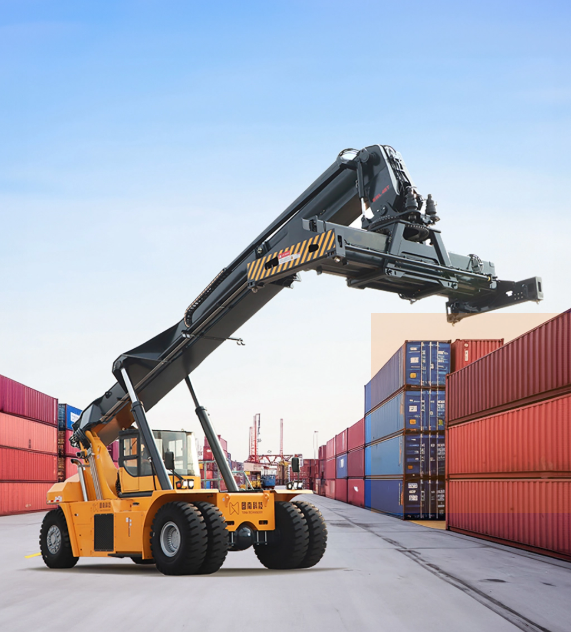 Reach stacker operators are the backbone of efficient logistics. They ensure smooth cargo movement in busy ports and warehouses. This article explores what it takes to become a reach stacker operator. We’ll cover the key skills, training programs, certifications, and safety measures required.
 -
 Reach stackers are essential in logistics, especially for moving and stacking containers. These powerful machines ensure smooth operations in busy shipping environments. But the question arises: is a reach stacker considered a vehicle?In this article,
 -
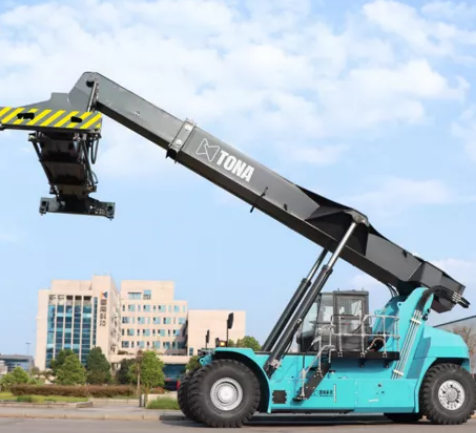 How Does a Reach Stacker Work?Introduction A reach stacker is a vital piece of equipment in modern logistics, especially for handling containers in ports, rail yards, and warehouses.blogs
 -
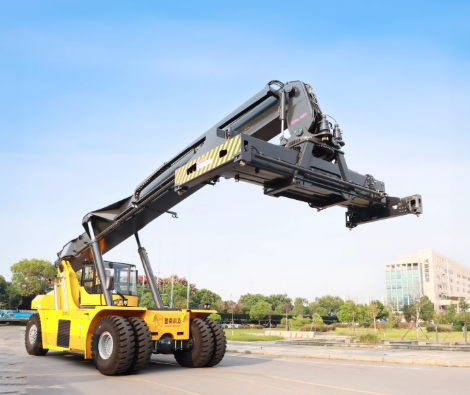 Operating a reach stacker safely is not a single action but a layered process that begins long before the ignition key turns. Because these machines lift 45 t more than 15 m high, a small lapse quickly becomes a catastrophic or costly event.