
Introduction
Efficient shipping container unloading plays a crucial role in streamlining the global supply chain. Whether at ports, distribution centers, or warehouses, the process of unloading containers can be a complex and demanding task that requires the right set of tools and equipment. The right equipment not only enhances operational efficiency but also ensures safety and minimizes potential delays or damage to goods. In this article, we will examine the essential machinery involved in container unloading, with a specific focus on reach stackers, cranes, and forklifts, helping you understand how to choose the best equipment for your needs and improve unloading processes across various operations.
What Is Shipping Container Unloading?
Shipping container unloading refers to the process of removing goods from containers that are transported by land, sea, or air. The unloading process begins once the container reaches its destination, whether it's a port, rail yard, or warehouse. Containers are typically used to carry bulk goods, often stacked on top of each other, which can make unloading a challenging and labor-intensive task. The main goal of unloading is to do so efficiently while ensuring that the cargo is handled with care and minimal damage.
The right equipment for unloading containers can have a significant impact on how quickly and safely this task is accomplished. This equipment is essential to move containers from the transport vessel or truck to the storage area, allowing for smooth transitions between different stages of the supply chain. The choice of equipment depends on factors such as the type of cargo, available space, and the size of the operation.
Core Must-Have Equipment for Shipping Container Unloading
The process of unloading containers can differ based on the nature of the cargo and the setup of the unloading site. However, there are several essential types of equipment that are widely used in the industry for container unloading. Below are the key pieces of machinery that should be considered:
Ship-to-Shore (STS) Cranes
Ship-to-shore (STS) cranes are typically used at large ports to unload containers directly from ships. These colossal cranes are designed to handle massive amounts of cargo efficiently. They are capable of lifting heavy containers from the deck of a ship and lowering them onto trucks or storage areas on the dock. STS cranes are indispensable at major ports where the volume of container traffic is high, and rapid unloading is critical. Their ability to move containers quickly and precisely makes them one of the most essential pieces of equipment in container unloading operations.
Container Gantry Cranes
Container gantry cranes are an integral part of container yards, where they are used to lift containers off the ground and move them to designated locations such as trucks, railcars, or stacking areas. Unlike STS cranes, which are primarily designed to unload from ships, gantry cranes are typically used for ground-based operations. Their mobile nature allows them to operate across vast yards, efficiently moving containers across long distances. With their sturdy construction and powerful lifting mechanisms, container gantry cranes are ideal for handling multiple containers simultaneously in high-traffic areas.
Reach Stacker
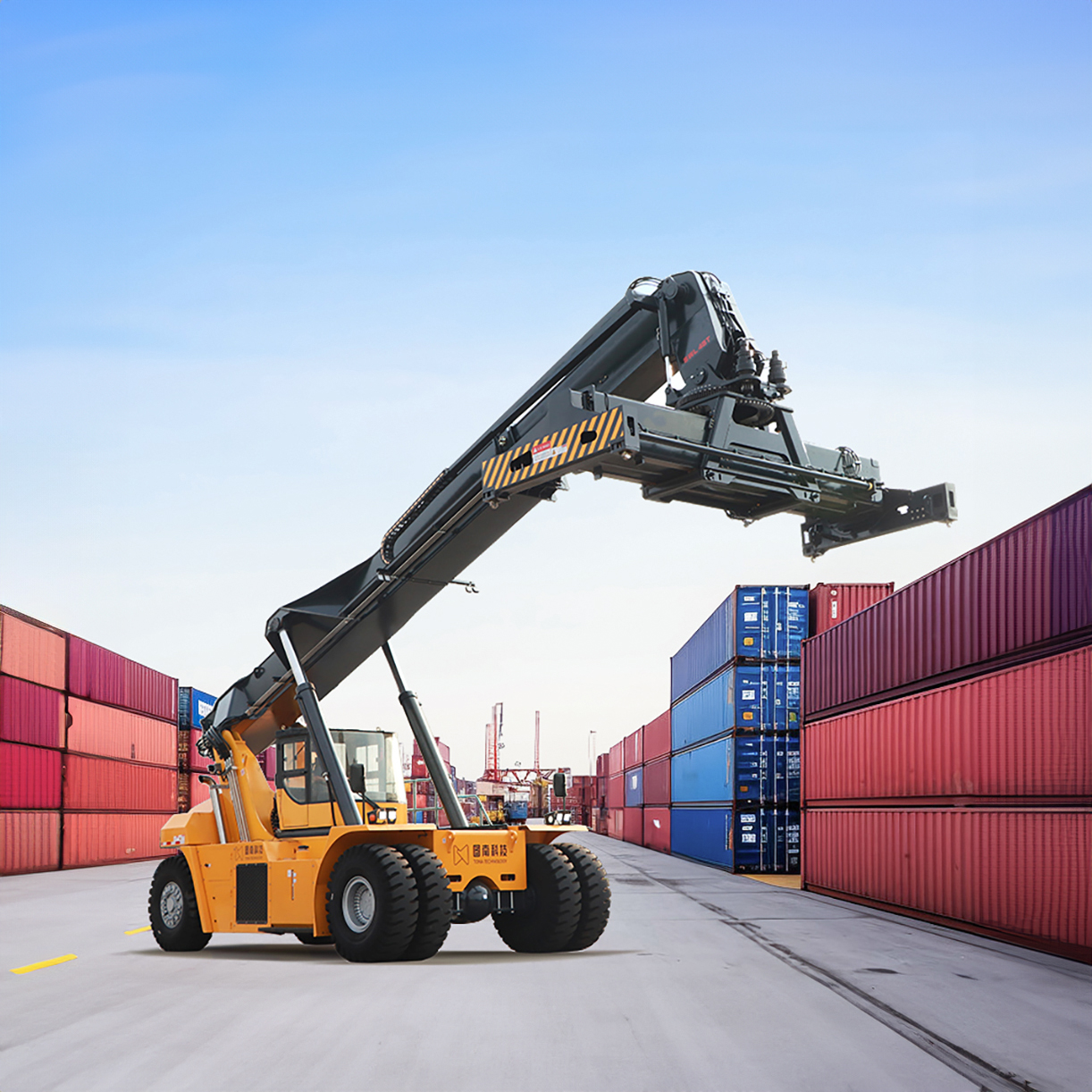
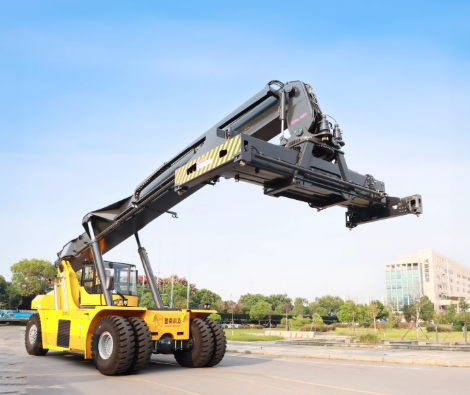
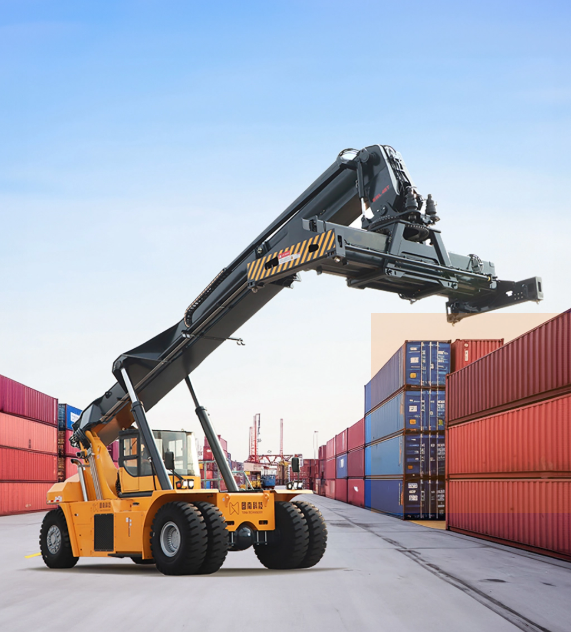
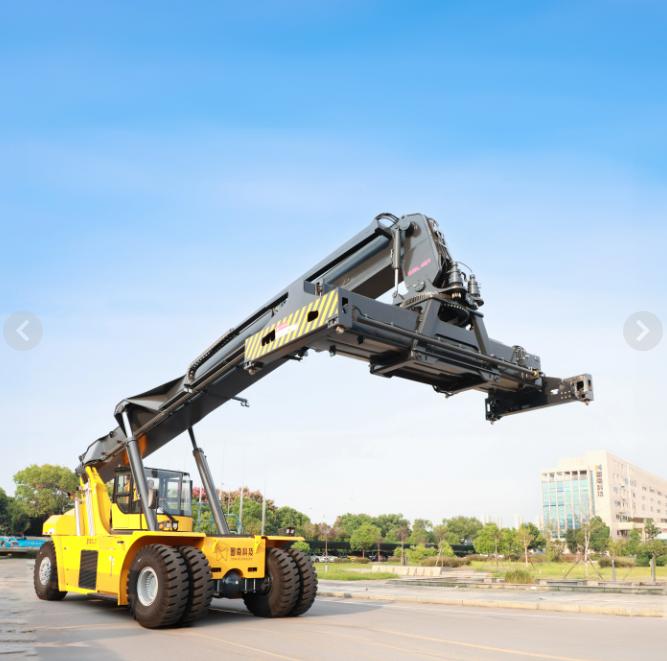
The reach stacker is a highly versatile machine used for handling containers in smaller yards or warehouses. Unlike traditional forklifts, reach stackers are designed to not only lift containers but also to move them horizontally across a large area, making them incredibly efficient in tighter spaces. With their ability to extend their reach both vertically and horizontally, reach stackers are perfect for stacking containers up to several layers high and moving them around yards with ease.
One of the key advantages of a reach stacker is its ability to operate in compact environments where larger cranes may not be feasible. This makes it an invaluable tool for smaller ports or terminals with limited space. The reach stacker's flexible design allows it to perform a variety of functions, such as loading, unloading, and stacking containers, making it a valuable asset in any container handling operation.
Container Forklifts
Container forklifts are a fundamental piece of equipment for unloading containers at warehouses and smaller distribution centers. These forklifts are specially designed to lift containers and move them across short distances. They are equipped with spreader bars that ensure the container is safely lifted and moved without causing damage. Due to their compact size and maneuverability, container forklifts are ideal for handling containers in confined spaces where larger machinery like cranes or reach stackers cannot operate effectively.
For operations with limited space, container forklifts can significantly reduce downtime by offering a simple, effective solution for moving containers between unloading areas and storage locations. They are versatile, low-maintenance machines that require less space to operate compared to larger equipment, making them suitable for smaller-scale operations.
Container Spreaders
Container spreaders are crucial attachments used to secure containers while they are being lifted. These devices are connected to cranes or forklifts and lock into the container’s corner castings, ensuring a stable and secure grip. Without a spreader, there is a significant risk that the container may slip or become unstable, leading to potential accidents or damage to the cargo. Spreaders ensure that the weight of the container is evenly distributed across the lifting equipment, reducing the likelihood of tipping or mishandling during the unloading process.
Straddle Carriers
Straddle carriers are a form of mobile lifting equipment that is used to transport containers across yards or facilities. The design of straddle carriers allows them to “straddle” the container, lifting it off the ground and moving it across short distances. While not as fast as larger cranes, straddle carriers are highly efficient in environments where containers need to be moved within a confined space. Their compact design makes them ideal for smaller operations or areas with limited space for maneuvering larger equipment.
Manual & Auxiliary Tools
In addition to heavy-duty machinery, manual tools like pallet jacks, ramps, and conveyor belts are essential for handling smaller items within the containers. These tools are often used after the main container is offloaded, assisting in the movement of goods into warehouses or storage spaces. For example, pallet jacks help transport goods onto storage racks after unloading, ensuring that operations remain efficient and organized.
How Each Piece of Equipment Helps Improve Unloading
Each piece of equipment in the unloading process has a distinct function, which contributes to improving operational efficiency and safety. For instance, STS cranes and gantry cranes are invaluable for handling large volumes of containers quickly, while reach stackers are perfect for smaller yards with tight space restrictions. Forklifts, on the other hand, offer a compact and efficient solution for short-distance container movement. By selecting the appropriate equipment based on operational needs, facilities can improve unloading speed, minimize labor costs, and reduce the risk of damage to the goods being handled.
Industry Viewpoints on Essential Shipping Container Unloading Equipment
Midstate Containers
Midstate Containers emphasizes the importance of having the right equipment to minimize delays during unloading operations. They recommend investing in a well-rounded fleet of equipment, including reach stackers and STS cranes, to handle both large and small container handling tasks. Proper planning and regular equipment inspections are key to avoiding accidents and keeping unloading processes efficient.
OUCO Insights
OUCO suggests that while STS cranes and reach stackers are essential for large-scale operations, smaller terminals should focus on equipment like forklifts and spreaders for more manageable tasks. The ability to choose the right equipment based on yard space and operational demands is crucial to maintaining an efficient workflow.
IncoDocs Unloading Advice
IncoDocs stresses that the unloading process requires more than just heavy-duty machinery. A combination of cranes, forklifts, and reach stackers ensures that all unloading scenarios can be efficiently handled. In addition, they highlight the importance of regular equipment maintenance to prevent delays and malfunctions that can slow down the process.
Labor Loop Methods
Labor Loop promotes a flexible approach, suggesting that smaller operations may benefit from using manual tools in combination with cranes and forklifts. In scenarios where the scale of operations is limited, manual equipment like pallet jacks can still be highly effective for unloading goods and keeping the process running smoothly.
Bison Jacks Perspective
Bison Jacks highlights the value of versatile machines, such as reach stackers, for smaller companies. Investing in equipment that can perform a variety of functions allows businesses to cut costs while maintaining efficiency. This approach reduces the need for multiple machines, streamlining operations and saving valuable space.
Safety and Best Practices
Safety should always be a top priority when unloading shipping containers. It’s essential that operators are well-trained in the safe use of all equipment, including cranes, forklifts, and reach stackers. Regular safety checks and equipment inspections should be conducted to ensure that all machinery is functioning properly and that workers are not exposed to unnecessary risks. Adherence to OSHA guidelines and ensuring that all operators wear appropriate protective gear are essential steps in creating a safe unloading environment.
Future Trends in Container Unloading Equipment
The future of container unloading is likely to see more automation, with cranes and reach stackers incorporating advanced technology like remote control and telematics. These innovations will not only improve safety but also increase the efficiency of operations. As the industry moves towards more environmentally friendly equipment, the use of electric cranes and battery-powered machines will likely become more widespread, reducing the carbon footprint of unloading operations.
Conclusion
In conclusion, the process of shipping container unloading is an essential part of logistics and requires the right mix of equipment to ensure efficiency and safety. From heavy-duty cranes to versatile reach stackers, each piece of equipment has a specific role to play in unloading containers smoothly. By selecting the right machinery and keeping it well-maintained, operations can be optimized for cost savings and improved performance. As technology continues to advance, adopting new equipment and maintenance practices will be key to staying competitive in the industry.
FAQ Section
What’s the difference between a reach stacker and a crane?
A reach stacker is a versatile piece of machinery used for stacking and moving containers within yards. In contrast, a crane, specifically a ship-to-shore crane, is used for unloading containers from ships and transferring them to docks or storage. Reach stackers are more maneuverable and suitable for smaller spaces, while cranes are designed for heavy lifting and high-volume operations.
Do warehouses always need heavy equipment?
Not every warehouse requires heavy equipment. For smaller operations, manual tools such as pallet jacks and conveyor systems can be sufficient. However, for larger operations or high-volume facilities, more advanced machinery like forklifts and reach stackers are necessary to ensure efficiency.
How do I choose equipment for a small terminal?
For smaller terminals, a **reach stacker** is often the most practical choice. It offers flexibility and efficiency for handling containers in tight spaces. Additionally, using a combination of forklifts and manual tools can help manage day-to-day operations without the need for larger, more expensive equipment.
Related Blogs
-
 This guide walks through a practical, port-ready workflow—before arrival, on the quay, in the yard, and at the gate—so you can reduce delays, improve handling quality, and choose the right equipment (including the reach stacker) for each step.hot blog
 -
 This guide breaks down the most important factors that affect container unloading service quality, including labor readiness, equipment fit, process discipline, technology, and the role of a reach stacker in yard efficiency. Use it as a practical checklist when comparing providers or improving your internal unloading process.hot blog
 -
 How to Book a Container Unloading Service QuicklyWhen you need a container unloading service fast, “quick booking” is only half the job. The real goal is to secure the right crew, the right time window, and the right site setup so unloading starts on schedule and finishes without delays.hot blog
 -
 If you’re searching for a container unloading service, you’re probably not just paying for “extra hands.” A truly professional team brings a repeatable process that protects your freight, keeps the dock moving, and leaves you with clear receiving records you can trust.hot blog