
How to Book a Container Unloading Service Quickly
When you need a container unloading service fast, “quick booking” is only half the job. The real goal is to secure the right crew, the right time window, and the right site setup so unloading starts on schedule and finishes without delays, re-quotes, or surprise fees. This guide walks you through a practical, repeatable process to book quickly—whether your container is arriving at a warehouse dock, a yard, a job site, or a portable storage location.
What “book quickly” actually means in container unloading
Fast booking is not just clicking “schedule.” In real operations, speed depends on removing uncertainty. Providers can dispatch faster when they clearly understand:
Scope: floor-loaded vs. palletized, whether you need palletizing, sorting, restacking, or debris removal
Site: dock/ground unloading, access rules, parking and turning space, lighting, and safety requirements
Timing: your delivery appointment window, buffer for early/late arrival, and who can sign off on completion
Equipment: whether you need a forklift, pallet jacks, or heavy handling support such as a reach stacker
If you prepare these details before requesting quotes, you will shorten back-and-forth messages and lock in manpower faster.
Pick the fastest booking route for your situation
There are multiple ways to book a container unloading service. The “fastest” option depends on your container type, location, and how predictable your arrival schedule is.
Option 1: On-demand unloading labor for short notice jobs
If your ETA is uncertain or your operation runs peak inbound cycles, on-demand labor can be the quickest way to secure a crew. This route is ideal when:
Your container arrival time may shift and you need flexible scheduling
You want a crew that can scale up or down with workload
You need help beyond unloading, such as staging, sorting, or restacking
To speed up dispatch, provide a clear time window (not a single time), plus a simple description of the cargo and site access.
Option 2: Marketplace-style moving labor for portable storage and small sites
If you’re unloading a portable storage container or handling household or mixed goods in a driveway, small warehouse, or tight urban area, moving-labor marketplaces can be a fast match. This option works well when:
You need 2–6 workers for manual unloading
The job is time-based and you can estimate hours
The cargo is manageable without forklifts or dock systems
Speed tip: choose providers that allow quick rebooking or adding extra hours on-site if your load is heavier than expected.
Option 3: Dedicated freight unloading providers for consistent B2B inbound
If you run regular inbound containers to a DC, cross-dock, or manufacturing facility, dedicated freight unloading providers may be the fastest in the long run. They often shine when you need:
Repeatable SOPs and consistent labor performance
Compliance-driven sites with strict safety rules
Reliable scheduling around appointments and dock availability
The booking may not be “one-click,” but once your scope and rules are standardized, repeat scheduling becomes very fast.
The 15-minute pre-book checklist (copy/paste ready)
Use this checklist to prepare your request. When you send complete information, you reduce delays caused by re-quoting and mismatched expectations.
Container details: 20ft/40ft, door direction, seal status, floor-loaded or palletized
Cargo profile: cartons/bags/rolls/crates, fragile items, heavy pieces, odd sizes, moisture-sensitive goods
Estimated volume: full container vs partial, approximate weight if known
Unload method: dock unload, ground unload, ramp needed, palletizing needed
Site access: address, gate rules, parking instructions, turning radius, hours of operation
On-site tools: forklift availability, pallet jacks, pallets, shrink wrap, labels
Safety/compliance: PPE rules, sign-in process, photo ID requirements, training requirements
Completion expectation: count verification, photo proof, damage notes, sign-off contact
Special equipment: mention if a reach stacker is needed to position or move the container
Step-by-step: how to book a container unloading service quickly
Follow these steps in order. They’re designed to reduce the most common causes of booking delays.
1) Lock the delivery window first
A crew can only be “quick” if they have a workable time window. Confirm your container’s appointment and give a realistic arrival range. If the carrier is unpredictable, plan a wider window and choose a provider that can flex.
2) Request quotes from two provider types (plus a backup)
For speed, don’t rely on one channel. Send your checklist to:
Primary: the provider type that best matches your job (on-demand, moving labor, or dedicated freight unloading)
Secondary: a second provider type as a contingency
Backup: a local crew option in case the ETA shifts dramatically
This approach prevents schedule loss if one provider can’t cover the window.
3) Share site photos and a “door-open” cargo snapshot
Photos reduce the biggest booking friction: uncertainty. Send:
Dock or ground unload area
Parking approach and turning space
Any slope, uneven ground, or restricted access
When possible, a photo of the container interior at the door
This helps the provider select crew size, tools, and time estimate without repeated questions.
4) Confirm scope in plain language
Many delays happen because “unloading” can mean different things. In your booking message, define the job using simple bullets, such as:
“Unload floor-loaded cartons to pallets and stage in Bay 3.”
“Break down mixed pallets, sort by SKU, and restack to outbound pallets.”
“Remove dunnage and shrink wrap; leave debris in designated bins.”
Clear scope protects both speed and budget.
5) Right-size the crew and time block
Under-booking hours is a common cause of slowdowns and premium extensions. A fast booking strategy is to choose a realistic time block and a crew size that matches your load complexity. If you are unsure, ask the provider for a conservative estimate and build a buffer.
6) Get written confirmation of key terms
Before the truck arrives, confirm:
Arrival window and onsite point-of-contact
Minimum hours, overtime increments, and wait-time rules
Cancellation and reschedule policy (especially if the ETA shifts)
Payment method and invoice format
This prevents day-of disputes that slow down the start time.
Where a reach stacker fits—and how it affects booking speed
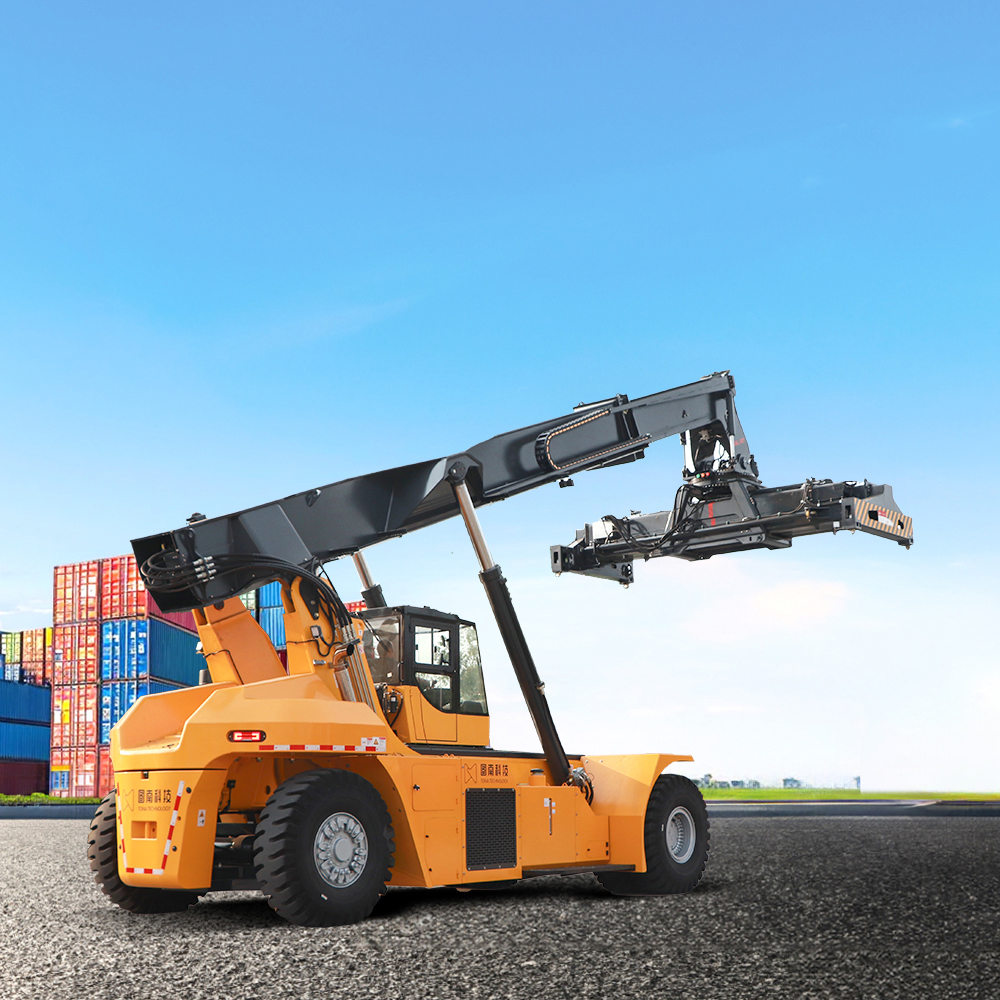
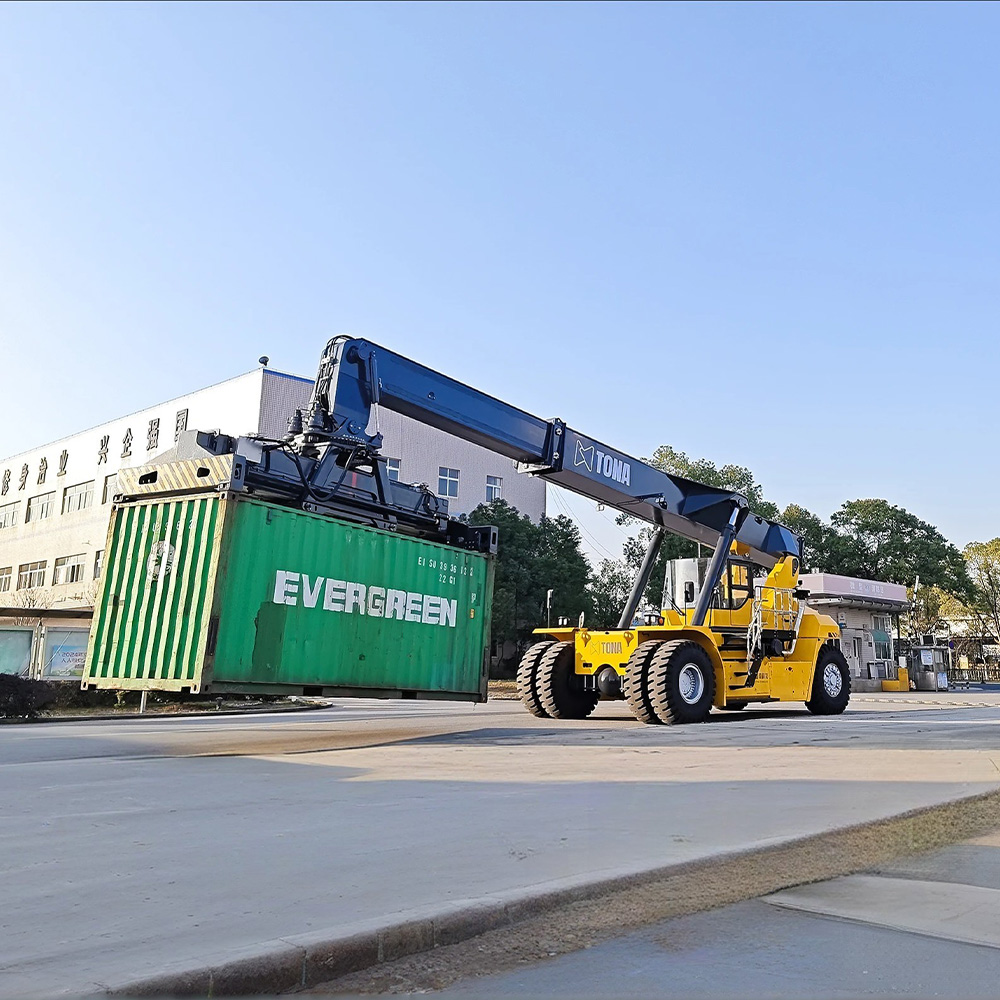
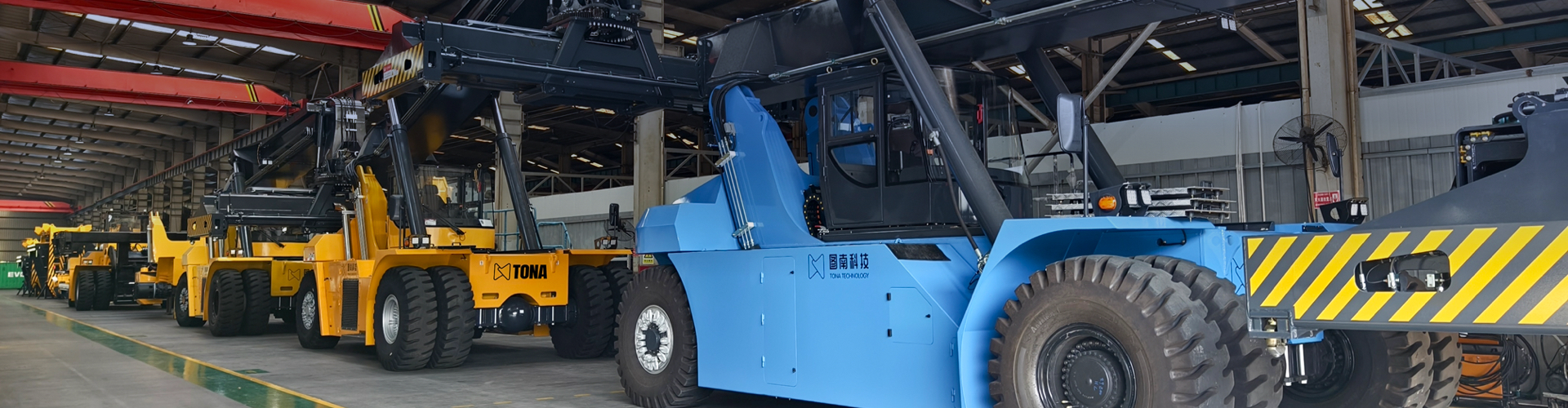
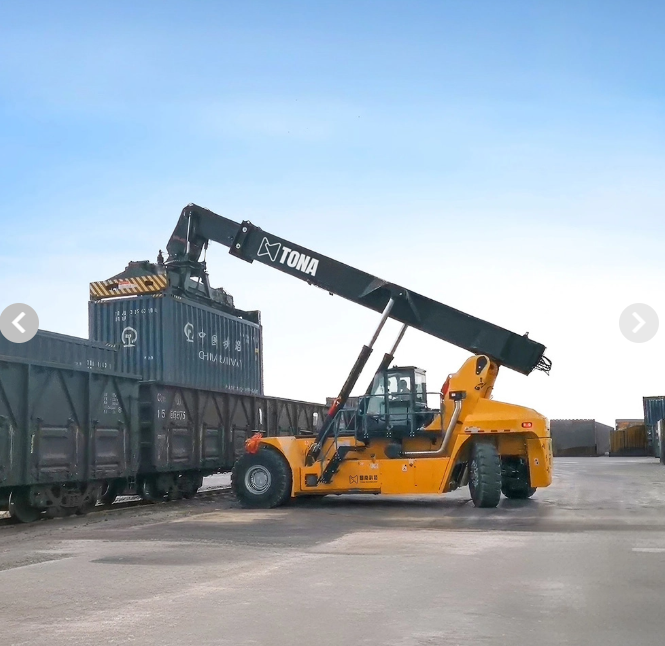
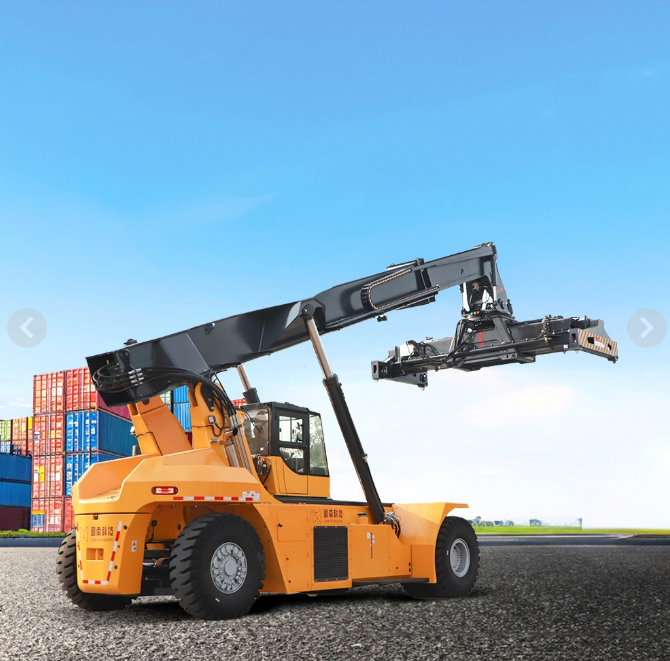
A reach stacker is typically used to handle and position intermodal containers in yards and terminals. In certain projects, it can also be the missing piece that determines whether unloading starts on time.
When you may need a reach stacker
No dock access: the container must be set down in a precise yard location for safe unloading
Container repositioning: the unit needs to be moved short distances before unloading
Busy yards: the container must be staged or stacked to avoid blocking traffic lanes
Site constraints: you cannot keep a truck waiting while you prepare an unloading spot
What to include when booking reach stacker support
If your project may require a reach stacker, include these details in the same message as your container unloading service request:
Container size (20ft/40ft) and estimated weight (if known)
Exact placement location (mark it on a simple site map or photo)
Ground condition (soft soil, gravel, uneven pavement, slope)
Access route and clearance constraints
Requested time window and coordination contact on-site
Who supplies the operator and who provides spotters/traffic control
Speed tip: equipment scheduling often has its own availability constraints. If you wait until the last minute to mention a reach stacker, you may lose the entire unloading window. If you’re evaluating equipment options, this container unloading equipment overview can help you frame what you actually need at the site.
Faster bookings when automation is part of the plan
Some sites speed up inbound by reducing manual touchpoints. If your operation frequently handles floor-loaded cargo or high-throughput peaks, it may be worth understanding what an automated container unloading system looks like—so your booking request can be more precise about flow, staging, and constraints.
Pricing and terms that can slow you down (and how to avoid it)
Fast booking is also about avoiding last-minute changes. Watch for these common issues:
Minimum hour requirements: clarify the minimum charge and what happens if the job finishes early
Waiting time fees: confirm rates if the truck is late, the gate is closed, or paperwork is missing
After-hours premiums: if you need 24/7 coverage, confirm the surcharge upfront
Scope creep: sorting, counting, and palletizing can change the time estimate—get it written
Documentation expectations: confirm whether photos, count sheets, or damage notes are required
Day-of execution: how to keep the unloading fast
You can book quickly and still lose time on-site. Use this simple day-of plan:
Pre-stage materials: pallets, wrap, labels, markers, and bins for dunnage
Confirm equipment readiness: forklift charged/fueled, pallet jacks available, clear travel paths
Assign one decision-maker: a single person who can answer questions and approve adjustments
Run a 2-minute safety briefing: PPE, traffic lanes, and emergency procedures
Set a staging zone: define where unloaded goods go so the crew doesn’t “guess”
After unloading: close out the job cleanly
A quick closeout helps you book faster next time because your notes become a reusable SOP. Capture:
Completion time, crew size, and what worked well
Any damage or exceptions (with photos if needed)
Counts or basic inventory notes if part of scope
Debris removal status and any leftover tasks
Then save your best-performing provider contacts, preferred scope wording, and site photos for future repeat bookings. If your operation also involves yard container handling, browsing a Reach Stacker product category can help you standardize the right language for equipment needs in future RFQs.
FAQ: quick answers for fast booking
Can I book a container unloading service same day?
Yes—especially through on-demand labor or moving labor marketplaces—if you provide a flexible time window, clear scope, and accurate site details. Same-day booking is most successful when the job is straightforward and access is easy.
What information helps providers confirm availability faster?
Your delivery window, container type (floor-loaded or palletized), site access rules, and whether equipment like a forklift or reach stacker is required. Photos can reduce follow-up questions and speed up confirmation.
Do I need a reach stacker or is a forklift enough?
A forklift is often enough when goods are palletized and you have a dock or stable ground unload area. A reach stacker becomes relevant when you must position, move, or stage the container itself—especially in yards or constrained sites where container handling is the bottleneck.
How do I avoid delays caused by scope confusion?
Describe the work in plain bullets: where the cargo starts, where it ends, and what handling steps are required (palletize, sort, restack, remove debris). Confirm inclusions and exclusions in writing before arrival.
What’s the fastest way to rebook if my ETA changes?
Choose providers with flexible scheduling policies, share updated ETAs immediately, and keep a backup provider ready. When your request message already includes photos, scope, and site details, rebooking is much faster.
Related Blogs
-
 If you’re searching for a container unloading service, you’re probably not just paying for “extra hands.” A truly professional team brings a repeatable process that protects your freight, keeps the dock moving, and leaves you with clear receiving records you can trust.hot blog
 -
 Choosing container unloading services isn’t just about finding a crew to “get it done.” The right provider protects your cargo, your schedule, and your reputation—while the wrong one can create hidden costs such as detention fees, damaged goods, inventory mismatches, and safety incidents.hot blog
 -
 Pricing for container unloading services can feel confusing because “unloading” may refer to very different jobs: pulling freight out of a floor-loaded box by hand, devanning into a warehouse dock with forklifts, moving containers around a yard, or even handling at a port terminal.hot blog
 -
 Are container unloading services available 24/7?When a container arrives late at night, during a holiday, or outside your warehouse receiving window, the real question is not just “Can someone unload it?”—it’s “Can someone unload it right now without disrupting safety, scheduling, and cost?”hot blog