
Container unloading service quality is not a single “nice-to-have” feature—it’s the difference between smooth dock-to-stock flow and a day of delays, damages, and rework. If you’re importing, transloading, or feeding a fulfillment operation, the quality of unloading affects everything that follows: inventory accuracy, labor productivity, safety performance, and customer lead time. The good news is that “quality” is measurable and predictable once you understand the factors that drive it.
This guide breaks down the most important factors that affect container unloading service quality, including labor readiness, equipment fit, process discipline, technology, and the role of a reach stacker in yard efficiency. Use it as a practical checklist when comparing providers or improving your internal unloading process.
What “container unloading service quality” really means
In day-to-day operations, container unloading service quality is best defined as a combination of five outcomes:
On-time performance: the container is unloaded within the promised window and without queueing chaos.
Damage control: cartons, pallets, and products are handled in a way that minimizes crush, puncture, moisture exposure, and shifting losses.
Count accuracy: SKUs and quantities match documents, with clear handling of shortages/overages.
Safety performance: zero incidents, fewer near-misses, and consistent compliance with site rules.
Traceability: unload timestamps, photos, exception notes, and reporting that help you resolve issues fast.
Quality isn’t only about speed. A “fast” unload that creates damages, miscounts, or safety risks is a costly unload. High-quality unloading is the fastest path to stable, repeatable performance.
How to measure unloading quality with simple KPIs
If you want to evaluate a container unloading service objectively, track these KPIs (even if you start with a simple spreadsheet):
Turnaround time: gate-in to empty container; or dock-in to released trailer.
Dock-to-stock time: time from first carton handled to inventory available for picking.
Damage rate: damaged cartons/pallets per container; claims per 100 containers.
Short/over/miscount rate: exceptions per container and how quickly they are resolved.
Safety indicators: incidents, near-misses, and repeated unsafe behaviors.
Re-handling rate: how often freight gets moved twice due to poor staging or planning.
These metrics translate “service quality” into numbers that can be compared across providers, shifts, and sites.
Factor #1: Pre-arrival planning and document readiness
Many quality problems begin before the container doors open. A strong container unloading service prepares the unload plan using the information you already have:
Container type and load style (palletized vs floor-loaded)
SKU mix, packaging fragility, and special handling notes
Dock assignment, staging space, and outbound flow priorities
Appointment window and labor/equipment scheduling
When documents are incomplete or inconsistent—missing packing lists, unclear carton labels, poor SKU mapping—teams lose time stopping to verify, recount, or relabel. A quality-focused provider pushes for clarity early, and uses an exception workflow to document issues without stalling the entire unload.
Factor #2: Workforce capability, training, and supervision
Unloading is physical, fast-moving work. Service quality depends heavily on how the team is staffed and managed:
Correct headcount: too few people creates overtime fatigue and rushed handling; too many increases congestion and mistakes.
Role clarity: door opener/spotter, handlers, pallet builder, counter, forklift operator, and supervisor.
Training: safe lifting, carton stacking methods, pallet pattern discipline, and handling of unstable loads.
On-site supervision: someone must own pace, safety checks, and quality verification—not just “get it done.”
Floor-loaded containers highlight the difference between average and excellent providers. Without disciplined stacking, pallet build standards, and stable movement patterns, floor-loaded freight becomes a damage factory. Training and supervision are quality multipliers.
Factor #3: Equipment availability and “fit-for-cargo” selection
Equipment does not automatically mean quality—but the right equipment used correctly can reduce damage, speed up flow, and protect workers. The best container unloading service matches tools to the job:
Forklifts and pallet jacks: essential for palletized loads and fast staging.
Conveyors or telescopic belts: useful for high-volume cartons where staging and pallet build are organized.
Slip-sheet handling tools: for shippers using slip sheets instead of pallets.
Clamps/attachments: for specific unit loads when permitted by packaging design.
Quality drops when equipment is missing, worn, or poorly maintained. Downtime forces manual “workarounds,” and workarounds create errors. Providers who plan preventative maintenance and keep backup options on-site are more consistent—especially when backed by clear equipment service & support standards.
Factor #4: Yard and terminal handling—where a reach stacker matters
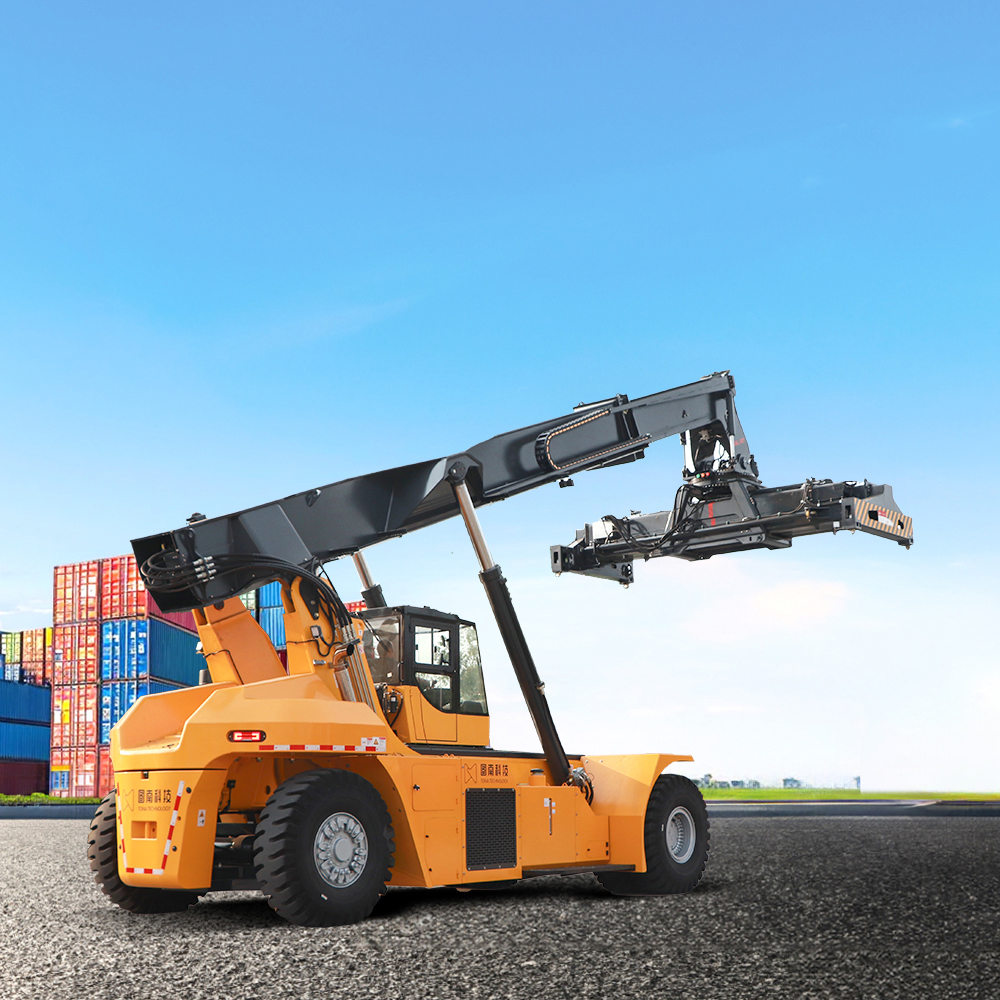
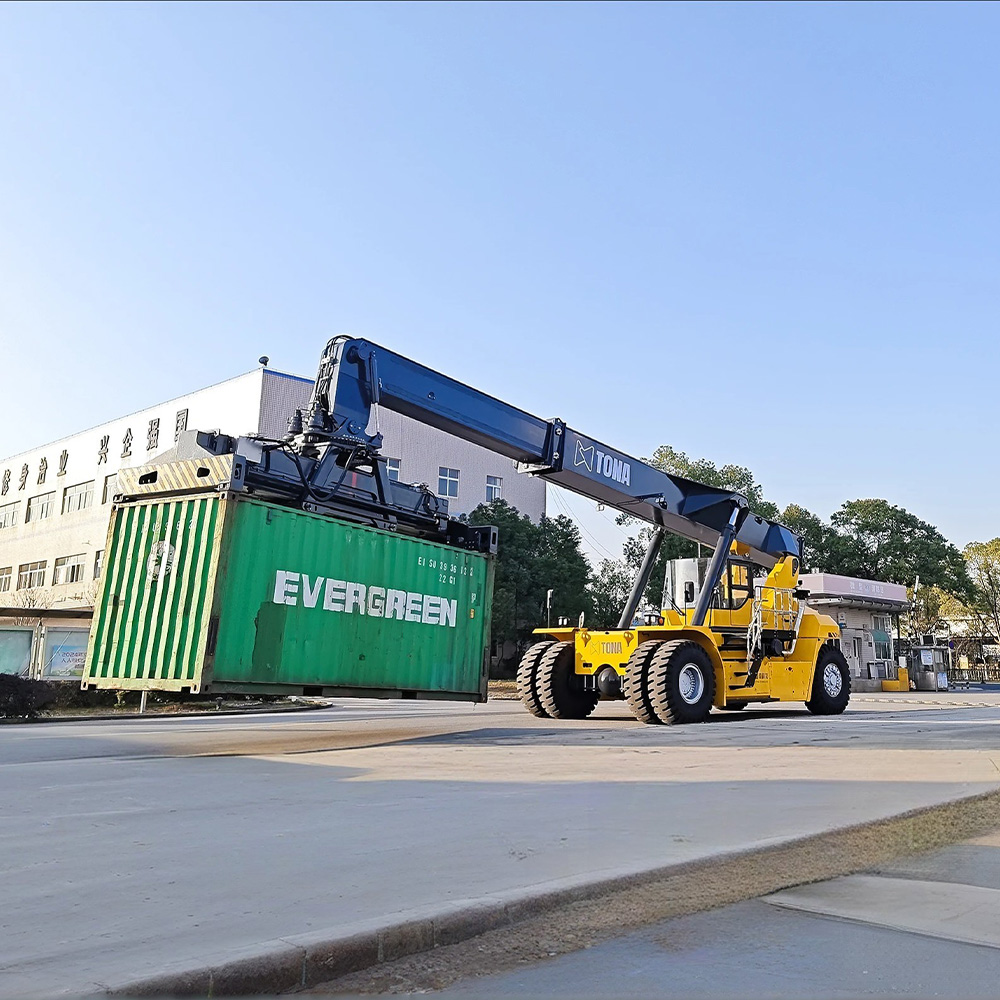
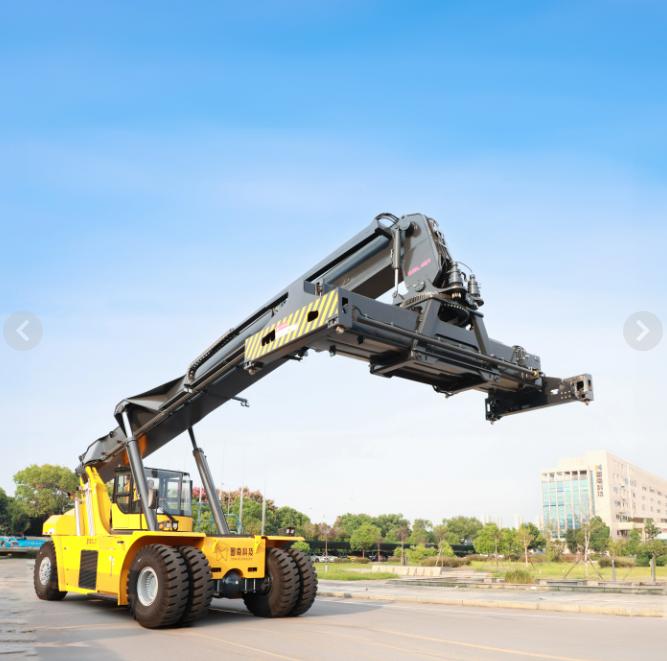
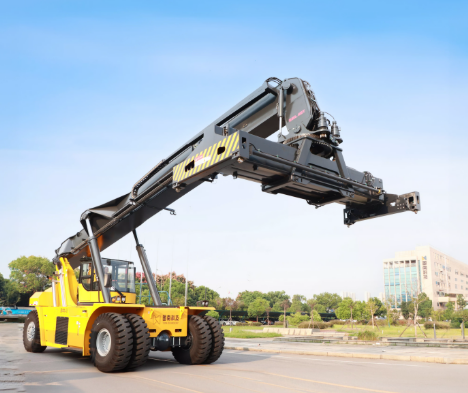
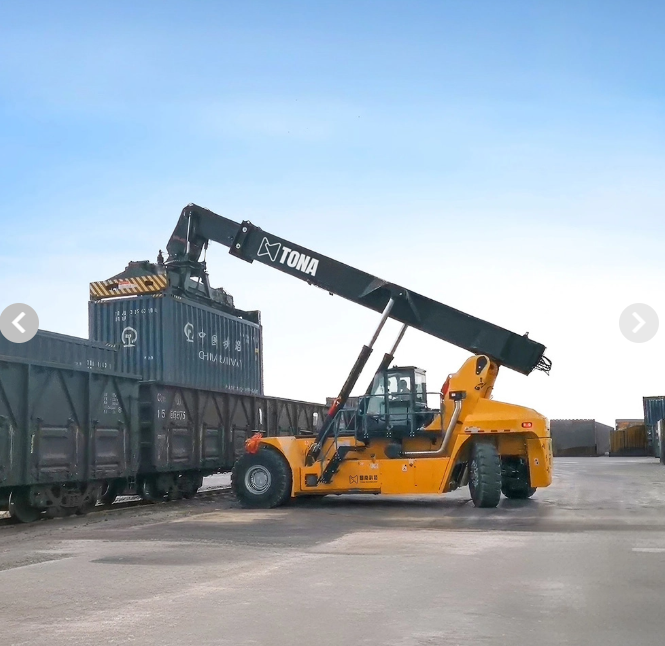
Not every site needs a reach stacker, but when containers are staged in a yard, stacked in rows, or moved frequently, a reach stacker can significantly influence unloading service quality. The reach stacker’s role is often upstream of the dock: positioning and retrieving containers efficiently so unloading can start on time.
Reach stacker-related quality factors include:
Availability: if the reach stacker is tied up or down for maintenance, containers queue and schedules collapse.
Operator skill: smooth, controlled movements reduce the risk of container impacts, tip hazards, or yard congestion.
Capacity and reach match: the machine must match the site’s container mix, stacking height, and row access needs.
Traffic management: safe routing and clear yard rules prevent conflicts with forklifts, trucks, and pedestrians.
In practical terms: if your container unloading service includes yard operations, ask how they manage reach stacker scheduling, operator certification, daily checks, and peak-volume contingency plans—and whether their team follows formal reach stacker training rules for consistent, safe performance.
Factor #5: Facility conditions and layout
Even a skilled team struggles in a poorly designed space. Physical site conditions directly affect speed, safety, and accuracy:
Dock design: door height alignment, dock levelers, and safe access reduce delays and injuries.
Staging space: insufficient staging forces re-handling and increases damage risk.
Lighting and visibility: poor visibility creates mis-scans, missed damages, and unsafe movements.
Traffic flow: clear lanes for forklifts and people reduce congestion and near-misses.
If a provider can’t control your building layout, they can still protect quality by adapting the unloading plan: changing staging patterns, adding temporary zones, or adjusting the unload sequence to prevent pileups.
Factor #6: Standard operating procedures (SOPs) and process discipline
High-quality unloading is repeatable. Repeatability comes from SOPs that are actually used—not a PDF that no one reads. Strong SOPs cover:
Pre-open checks: door safety, cargo shift risk, odor/ventilation concerns, and loose freight hazards.
Unload sequence: stable removal order that prevents collapses and keeps aisles clear.
Pallet build standards: pattern discipline, corner protection, wrap rules, and label placement.
Counting and verification: how counts are captured and reconciled with documents.
Exception handling: shortages, overages, wet cartons, crushed cases, mixed SKUs, and photo evidence.
Post-unload audit: sweep, debris removal, seal verification, and container condition notes.
Process discipline is also what keeps safety and quality from competing. When a team follows a proven sequence, speed and safety rise together.
Factor #7: Safety culture and compliance
Safety is a quality outcome. A container unloading service that ignores safety will eventually deliver poor quality through injuries, stoppages, damaged goods, and liability. Key safety elements include:
Mandatory PPE and clear site rules
Spotters for door opening and unstable cargo
Equipment inspections and “do not use” rules for damaged tools
Ergonomic practices and rotation to reduce fatigue
Clear escalation steps when cargo shift or hazards are detected
Ask providers how they track near-misses, not just incidents. Near-miss learning is often the difference between average and world-class operations.
Factor #8: Technology, reporting, and visibility
Technology improves quality when it supports the workflow instead of distracting from it. In a container unloading service, useful tech typically includes:
Digital timestamps: start/stop times, pauses, and release times for performance transparency.
Photo-based exceptions: damage evidence, shifted loads, and carton condition documentation.
Scanning or tally capture: item-level or carton-level accuracy support (when your process needs it).
Standard reports: daily/weekly dashboards on time, damage, and exceptions.
Even basic reporting improves quality because it makes problems visible. Once visible, problems can be fixed and prevented.
Factor #9: Cargo characteristics that change the quality “recipe”
The same provider can deliver different quality levels depending on what is inside the container. Cargo characteristics that strongly influence outcomes include:
Load method: palletized loads unload faster and with fewer touches; floor-loaded loads require more handling and stronger control.
Packaging strength: weak cartons crush easily under rushed stacking; fragile products need protective handling standards.
SKU complexity: mixed SKUs increase counting and sorting complexity—quality depends on labeling and process design.
Special handling: temperature sensitivity, hazardous restrictions, or awkward shapes require trained handling.
If you want a consistently high-quality container unloading service, share cargo details early and align on the correct method instead of forcing a “one-size-fits-all” approach.
Factor #10: External conditions and sustainability expectations
Service quality can also be affected by external factors such as weather, yard surface conditions, and seasonal peaks. Good providers plan for variability—especially when yard handling and container positioning depend on equipment like a reach stacker.
Additionally, some shippers and warehouses now treat sustainability and responsible operations as part of “quality.” That may include cleaner equipment practices, waste control, and responsible workplace management. While not every site requires formal sustainability reporting, the trend is that quality expectations are expanding beyond speed alone.
How to evaluate a container unloading service provider
When comparing providers, use a practical scorecard instead of relying on promises. Here’s a proven structure:
Planning readiness: can they staff and stage based on your container profile and appointment windows?
Workforce plan: training approach, supervision, and contingency staffing for peak days.
Equipment list: tools for your cargo type; reach stacker access/plan if yard positioning is required.
SOP maturity: checklists, unload sequence rules, and exception handling process.
Safety proof: safety program basics, incident tracking, and compliance norms for your site.
Reporting samples: example unload report showing timestamps, counts, damages, and photos.
References: similar facilities or cargo profiles they’ve handled successfully.
If a provider cannot explain how they prevent damage and manage exceptions, you are not buying quality—you’re buying uncertainty.
Questions to ask before booking
How do you plan staffing and equipment for floor-loaded vs palletized containers?
What is your step-by-step process when cargo is shifted or unstable at the door?
How do you ensure counting accuracy for mixed SKU containers?
What damage-prevention standards do you follow (pallet build, wrapping, staging rules)?
If a reach stacker is needed, who provides it, and how do you avoid yard bottlenecks?
What reporting do we receive within 24 hours of unloading?
How do you handle claims documentation and exception evidence?
FAQ
What is the most common cause of poor container unloading service quality?
The most common cause is a mismatch between the container profile and the unloading plan—wrong staffing levels, missing equipment, unclear documents, and no exception process. When teams improvise under time pressure, damages and errors rise quickly.
How does a reach stacker improve unloading performance?
A reach stacker improves performance when containers must be retrieved, positioned, or staged in a yard. Faster and more reliable positioning helps the dock start on time and reduces queueing. Quality depends on availability, operator skill, and correct capacity/reach selection.
How can you reduce damage in floor-loaded containers?
Use a disciplined unload sequence, enforce pallet build standards, control stacking height, protect corners, and keep staging areas organized to avoid re-handling. Training and supervision matter more than speed targets.
What reporting should a professional container unloading service provide?
At minimum: start/stop timestamps, container ID, labor/equipment used, count summary, damage notes, exception list, and photo evidence for any irregularities. If your inventory flow is time-sensitive, request dock-to-stock or release-time tracking as well.
Related Blogs
-
 How to Book a Container Unloading Service QuicklyWhen you need a container unloading service fast, “quick booking” is only half the job. The real goal is to secure the right crew, the right time window, and the right site setup so unloading starts on schedule and finishes without delays.hot blog
 -
 If you’re searching for a container unloading service, you’re probably not just paying for “extra hands.” A truly professional team brings a repeatable process that protects your freight, keeps the dock moving, and leaves you with clear receiving records you can trust.hot blog
 -
 Choosing container unloading services isn’t just about finding a crew to “get it done.” The right provider protects your cargo, your schedule, and your reputation—while the wrong one can create hidden costs such as detention fees, damaged goods, inventory mismatches, and safety incidents.hot blog
 -
 Pricing for container unloading services can feel confusing because “unloading” may refer to very different jobs: pulling freight out of a floor-loaded box by hand, devanning into a warehouse dock with forklifts, moving containers around a yard, or even handling at a port terminal.hot blog