
If you’re searching for a container unloading service, you’re probably not just paying for “extra hands.” A truly professional team brings a repeatable process that protects your freight, keeps the dock moving, and leaves you with clear receiving records you can trust. In this guide, you’ll learn what a professional container unloading service typically includes—from pre-arrival planning to final reporting—plus where yard equipment like a reach stacker can make a real difference.
What “Professional” Means in a Container Unloading Service
A professional container unloading service is an end-to-end unloading and receiving workflow, not a single task. The goal is to remove cargo safely and efficiently while reducing damage, minimizing downtime, and ensuring accurate counts. Professional providers usually operate with:
Standard operating procedures (step-by-step unloading flow, safety checks, and documentation routines)
Trained supervision (a team lead who controls pace, workflow, and safety)
Site coordination (dock scheduling, staging zones, and traffic control)
Clear outputs (counts, exception reports, and proof of condition)
In short: you don’t just get labor—you get a structured service designed to support reliable inbound operations.
What a Professional Container Unloading Service Includes
While packages vary by provider and facility, most professional services follow the same core phases. Knowing these phases helps you compare quotes and avoid surprise add-ons.
Pre-Arrival Planning: Getting Ready Before the Container Opens
Unloading starts before the container reaches your dock. Planning reduces idle time and prevents rushed decisions that lead to damage or miscounts. A professional container unloading service typically includes:
Appointment coordination with your receiving schedule and labor availability
Cargo review (floor-loaded vs. palletized, fragile items, overweight cartons, long-length goods, moisture-sensitive products)
Equipment planning (forklifts, pallet jacks, conveyors/ramps, pallet supplies, wrap, labels)
Staging layout (where freight will be placed: by SKU, PO, temperature zone, carrier, or destination)
This step is where a professional team prevents “dock chaos” and builds a clear unloading game plan.
Arrival Checks: Safety and Condition Verification at the Door
Before unloading begins, the crew should secure the area and verify the container’s condition. This protects workers and supports freight claims if problems are discovered. Typical inclusions are:
Door-area safety setup (clear zone, lighting, PPE checks, traffic awareness)
Seal verification and basic exterior inspection
Initial photo documentation for visible issues (evidence matters if you later dispute damage)
Risk scan for shifted loads, leaning stacks, or compromised packaging
This is where “professional” shows up: careful opening, controlled access, and early documentation—before anything is moved.
Unloading Execution: The Physical Work Done the Right Way
The unloading method depends on how the container was loaded. A professional container unloading service chooses the safest, fastest approach without sacrificing control.
Manual Unloading for Floor-Loaded Freight
Floor-loaded containers often require hand unloading—especially for mixed cartons or delicate goods. A professional crew will typically:
Remove freight in a stable sequence to prevent collapses
Sort and stage cartons by label, PO, SKU, or destination
Identify crushed, wet, or opened cartons early and isolate them
Mechanical Unloading for Palletized Loads
If freight is palletized, unloading is often faster with forklifts or pallet jacks. A professional team will:
Confirm pallet integrity before lifting
Use appropriate forks, load ratings, and handling speed
Stage pallets for receiving checks and put-away flow
Sorting, Staging, and Palletizing: Turning Loose Freight into Warehouse-Ready Units
Unloading isn’t finished when cartons touch the floor. Most buyers choose a container unloading service because they want freight organized and ready for the next step. Common inclusions are:
Sorting by SKU/PO/vendor/destination to speed receiving
Palletizing floor-loaded cartons into stable pallet builds
Re-stack and rework if cartons are shifted, damaged, or poorly packed
Stretch wrap / shrink wrap to stabilize freight for put-away or transfer
Label support (basic pallet labels if required by your workflow)
These steps reduce warehouse rehandling later and help you keep inventory movement predictable.
Verification and Reporting: Proof, Accuracy, and Exceptions
Professional unloading includes information—because receiving accuracy is a cost-control lever. Depending on service level, a professional provider may deliver:
Piece count or carton count verification against BOL/manifest/packing list
Exception reporting (shortages, overages, mismatched labels)
Damage reporting with photos and clear notes
Time logs and productivity notes (useful for internal KPI tracking)
If your facility relies on tight inventory control, ask specifically how the provider records counts and how exceptions are shared.
Put-Away Support, Cross-Dock, and Transloading Add-Ons
Many providers offer extensions beyond the dock. If you’re trying to shorten dwell time, these options can be valuable:
Put-away support to move staged freight into storage locations
Cross-dock staging for immediate outbound flow
Transloading (unload from container and reload into a domestic trailer)
Disposal support for dunnage, broken pallets, or packaging waste (often billed separately)
When comparing quotes, confirm what is “standard included” vs. what is billed as an add-on.
Equipment and Tools: What Pros Bring (and What You May Need to Provide)
Equipment requirements depend on your dock configuration and cargo type. A professional container unloading service typically uses a mix of:
Forklifts (for pallet handling and heavier units)
Pallet jacks (for short moves and staging)
Hand trucks and carts (for cartons and small loads)
Portable ramps or conveyors (to reduce repeated lifting in floor-loaded containers)
Pallets, wrap, corner boards, straps (to build stable shipping/warehouse units)
Always ask: “Do you supply equipment and consumables, or does the facility supply them?” The answer affects both pricing and readiness.
Where a Reach Stacker Fits: Yard Efficiency vs. Dock Efficiency
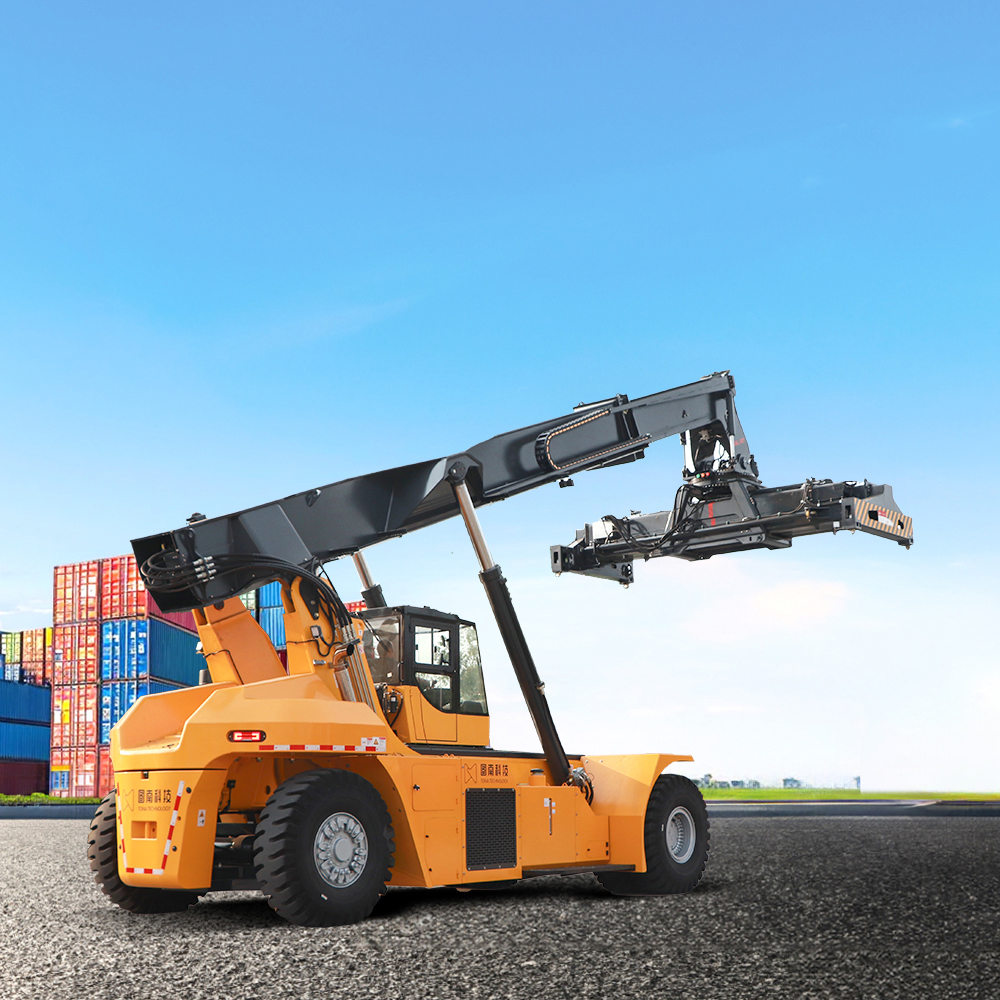
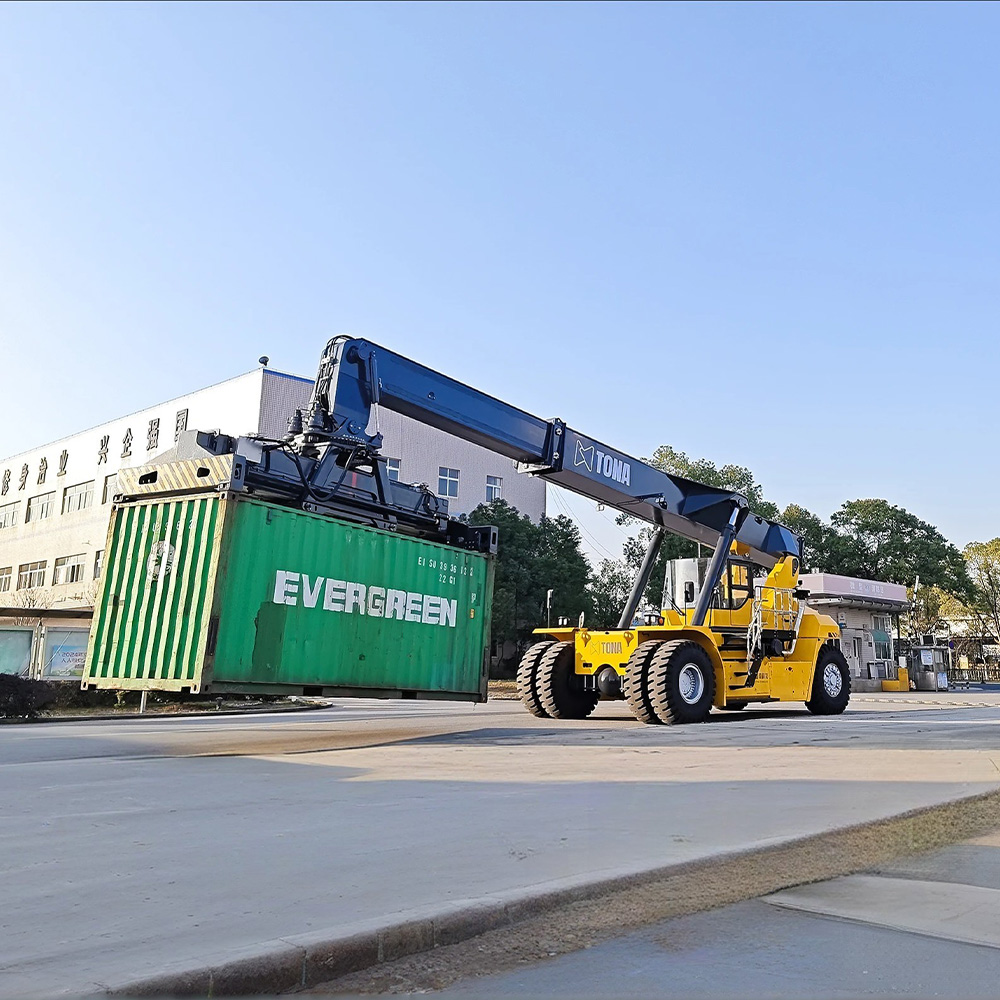
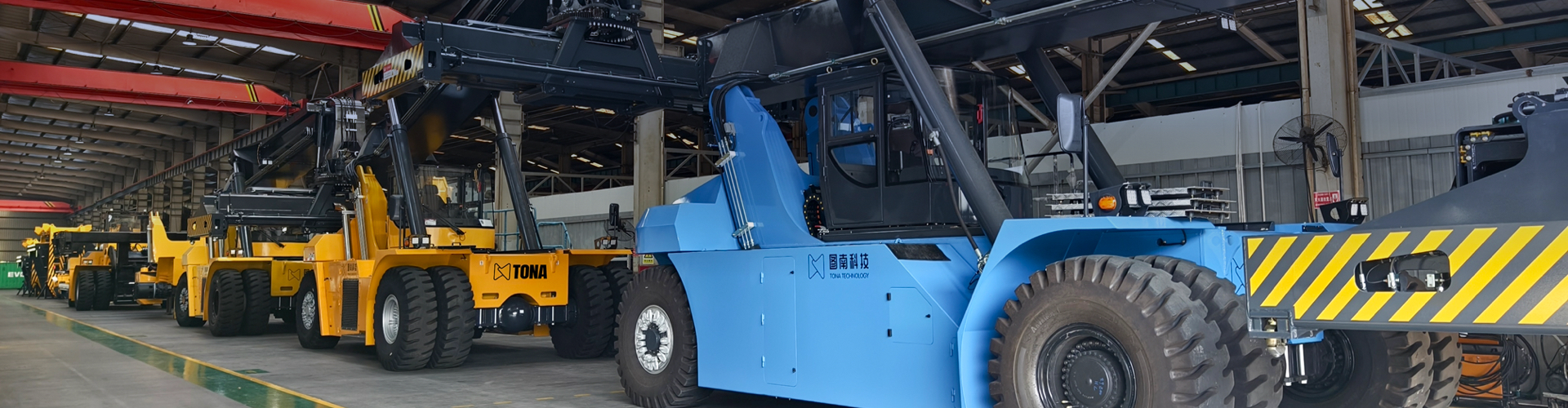
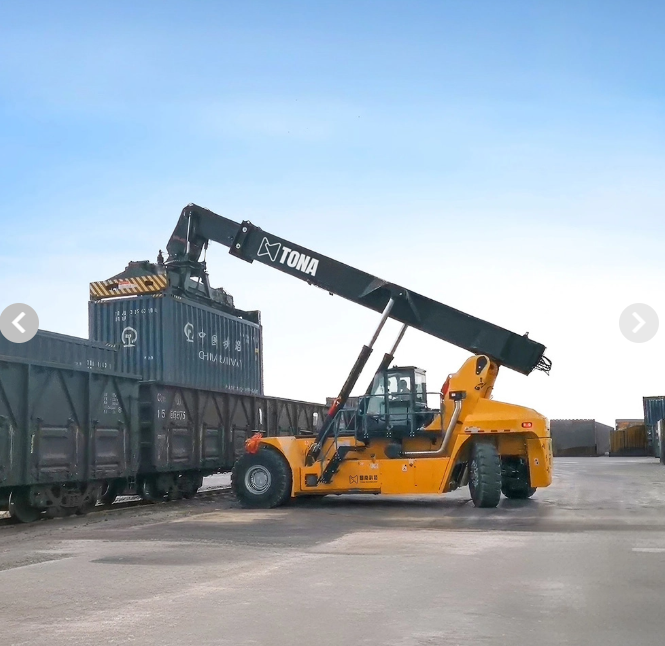
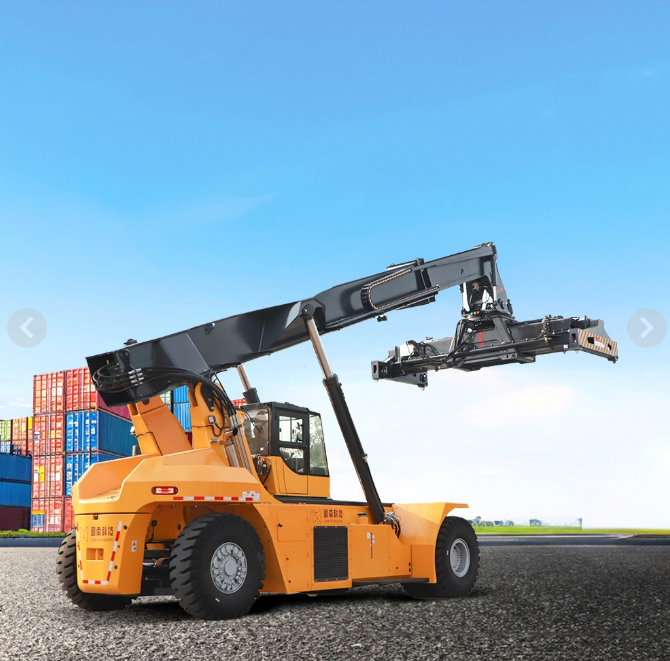
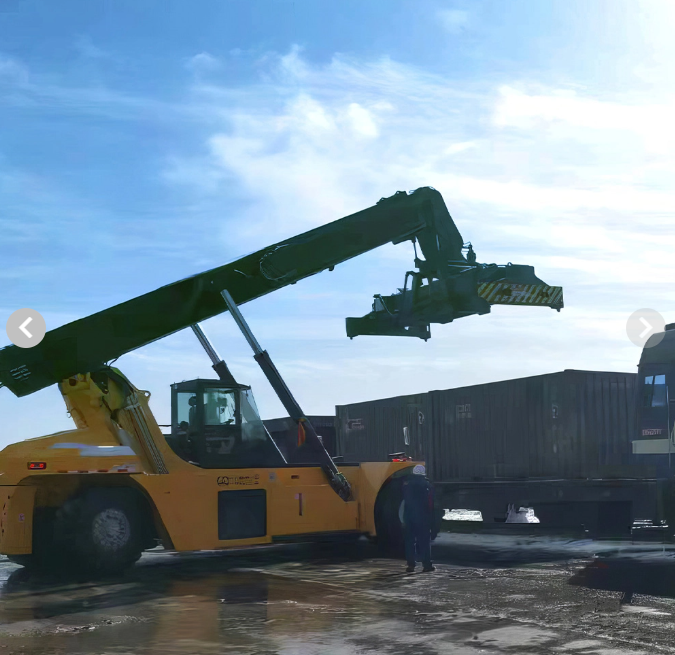
A reach stacker is primarily a yard/terminal machine used to handle and stack intermodal containers. It matters when your operation involves frequent container moves or a container yard-style layout. While many warehouse docks rely on tractors and chassis for positioning, reach stackers become valuable when you need:
Rapid container repositioning in a tight yard
Stacking and organizing containers when space is limited
Faster availability of the next container for unloading (reducing dock waiting time)
If your site receives multiple containers daily and suffers from “container hunting” or congestion, reach stacker capability—on-site or via a nearby yard partner—can improve turn time. If your operation is purely dock-based with direct chassis delivery, the reach stacker may be less relevant than forklift capacity and staging space.
Safety and Compliance: What You Should Expect by Default
Unloading is a high-risk activity: shifting loads, repetitive lifting, tight trailer space, and forklift traffic all increase hazards. A professional container unloading service should include:
PPE standards and enforcement (vests, gloves, safety footwear, eye protection where required)
Dock safety controls (clear zones, stable staging, controlled forklift travel lanes)
Safe opening procedure for shifted freight (slow door opening, load stability checks)
Equipment safety (rated forklift use, spotters when needed, controlled lift speeds)
If your freight includes heavy machinery, oversized units, or unusual packaging, request a brief lift plan and confirm the provider’s maximum equipment capacity.
Service Levels: Typical Packages You’ll See
To compare providers quickly, group offerings into service levels:
Basic unload: remove freight and stage it in a designated area
Unload + palletize + wrap: convert floor-loaded freight into warehouse-ready pallets
Unload + verify + report: include counts, exception notes, and damage documentation
Full inbound support: unload, verify, stage, and assist with put-away or cross-dock flow
On-demand peak coverage: flexible crews for seasonal spikes or volume surges
Pick the service level that matches your bottleneck. If your bottleneck is receiving accuracy, prioritize verification and reporting. If your bottleneck is labor capacity, prioritize execution speed and palletizing support.
Buyer Checklist: Questions to Ask Before You Book
Use these questions to confirm a provider’s scope and professionalism:
Scope clarity: What exactly is included in the container unloading service? What counts as an add-on?
Counting method: Do you verify by piece count, carton count, pallet count, or scan-based method?
Damage protocol: How do you document damage and share evidence?
Supervision: Will a team lead be on-site the full shift?
Equipment: Who supplies forklifts, pallets, wrap, and labels?
Safety: What training and safety procedures are required for crews?
KPIs: Can you estimate unload time based on container type and cargo style?
Reach stacker needs: Does your site require yard container moves that justify reach stacker support?
FAQ: Container Unloading Service Essentials
Is “devanning” the same as container unloading?
In everyday logistics language, devanning often refers to unloading freight from a container. Many providers use the terms interchangeably. The best approach is to define the scope: unloading only, or unloading plus palletizing, verification, and reporting.
Do unloading services include palletizing and shrink wrap?
Some do, some don’t. A professional container unloading service commonly offers palletizing and wrap as an add-on or as part of a higher service level. Always confirm in writing.
How long does it take to unload a container?
Time depends on container size, cargo type, and whether the freight is floor-loaded or palletized. Floor-loaded mixed cartons generally take longer because sorting and pallet building add steps.
When would I need a reach stacker?
You’ll care about a reach stacker when your operation involves frequent container repositioning, container stacking in a yard, or congestion that delays containers reaching the dock. If you only receive containers directly on chassis to a dock door, forklift capacity and staging space are usually the bigger levers.
What should I receive after the job is done?
At minimum, you should receive confirmation of completion and notes on visible damages or irregularities. For higher service levels, expect a count summary, exception notes, photos of damages, and basic productivity/time details.
Conclusion: What You’re Really Buying
A professional container unloading service includes planning, controlled unloading, organization, and documentation—not just labor. The best providers reduce your total cost by preventing damage, shrinking dock dwell time, and delivering accurate receiving outputs your warehouse can act on. If your facility manages containers in a yard environment, consider whether container handling equipment and yard capability improve container flow. If your challenge is inside the dock, focus on palletizing, verification, and staging discipline—those are the pieces that turn unloading into operational reliability.
Optional reading for equipment buyers: If you’re evaluating yard machines, this breakdown on container handler vs reach stacker can help clarify which type fits your operation.
Related Blogs
-
 Choosing container unloading services isn’t just about finding a crew to “get it done.” The right provider protects your cargo, your schedule, and your reputation—while the wrong one can create hidden costs such as detention fees, damaged goods, inventory mismatches, and safety incidents.hot blog
 -
 Pricing for container unloading services can feel confusing because “unloading” may refer to very different jobs: pulling freight out of a floor-loaded box by hand, devanning into a warehouse dock with forklifts, moving containers around a yard, or even handling at a port terminal.hot blog
 -
 Are container unloading services available 24/7?When a container arrives late at night, during a holiday, or outside your warehouse receiving window, the real question is not just “Can someone unload it?”—it’s “Can someone unload it right now without disrupting safety, scheduling, and cost?”hot blog
 -
 Container unloading looks routine until something goes wrong: a shifted pallet pushes on the doors, a ramp slips, or a pedestrian steps into a blind spot. The safest operations treat every unload as a controlled process with repeatable checks.hot blog