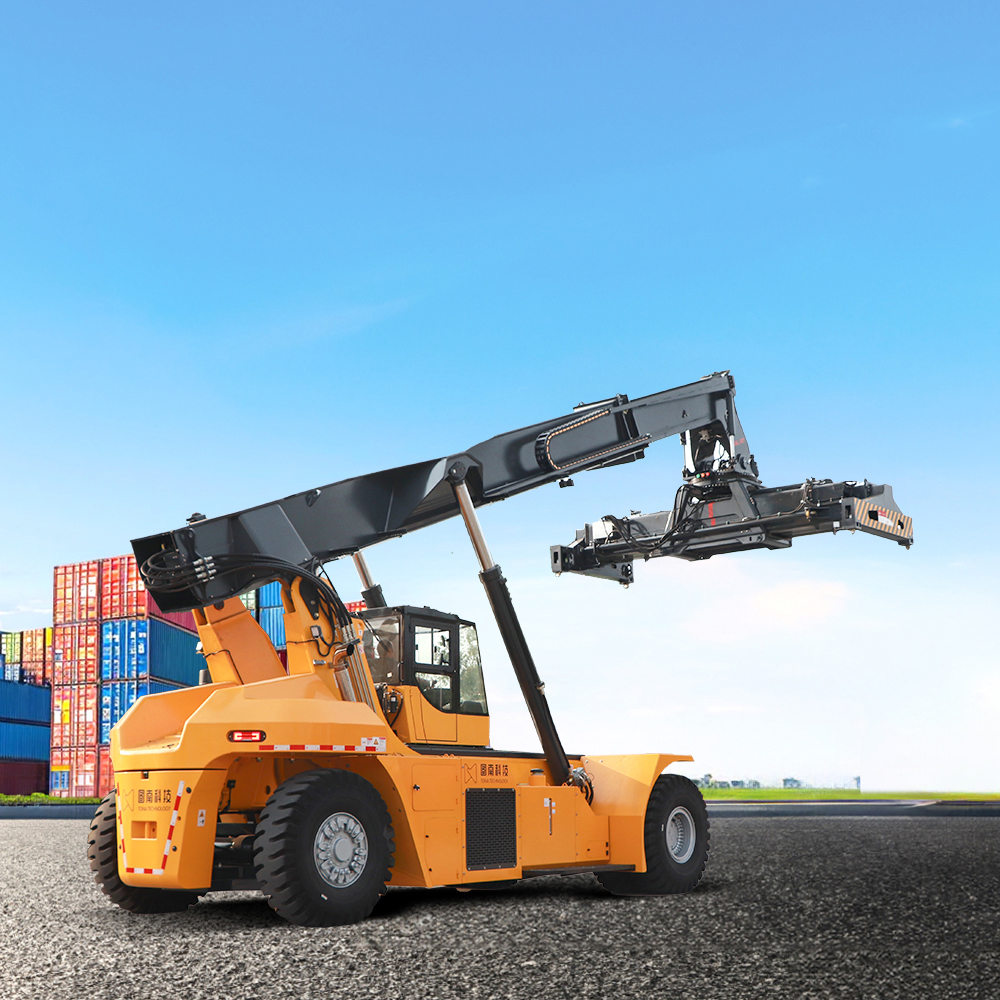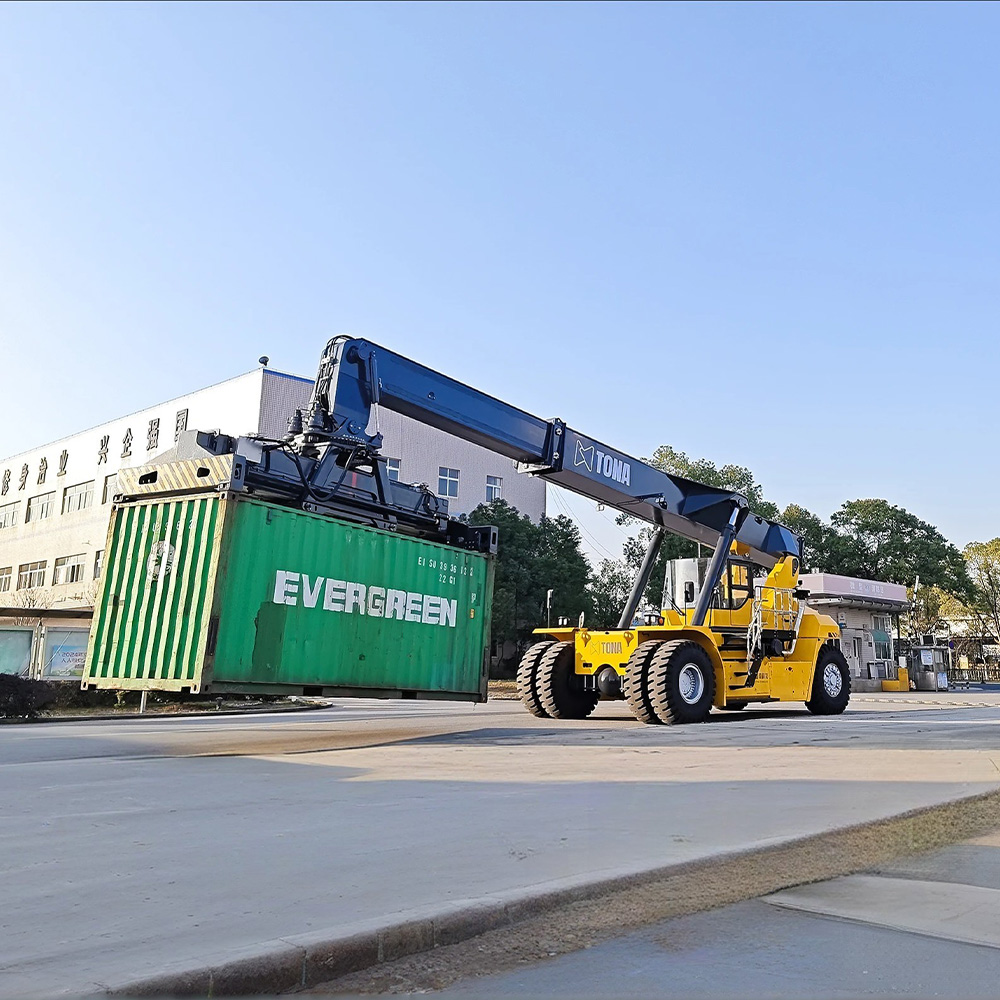

Container unloading looks routine until something goes wrong: a shifted pallet pushes on the doors, a ramp slips, or a pedestrian steps into a blind spot. The safest operations treat every unload as a controlled process with repeatable checks—before the container arrives, when it lands on site, when doors open, during movement of cargo, and when the job is closed out.
This guide walks through practical safety checks you can apply to any container unloading workflow, and adds a dedicated section for reach stacker operations so your team can manage the extra risks of heavy container handling.
Safety checks at a glance (use this as your quick checklist)
Plan before arrival: confirm unloading method, staffing, roles, stop-work authority, and communication signals; verify the right equipment is available and fit for the task.
On arrival: verify documents and seal, inspect the container exterior, confirm stable placement and ground conditions, and set a clear exclusion zone.
Before opening doors: assume cargo has shifted; open in a controlled sequence, watch for labels/odors/leaks, and ventilate when needed.
During container unloading: keep pedestrians separated from mobile plant, maintain clear exits and walkways, remove restraints gradually, and use mechanical aids to reduce manual handling risk.
After unloading: complete a final sweep, secure the container for return, and record issues, near-misses, and corrective actions.
Reach stacker checks: daily pre-use inspection, capacity/boom-position awareness, twistlock confirmation, overhead clearance checks, ground/slope assessment, and strict exclusion zones.
Pre-arrival safety checks (set the operation up to succeed)
Strong container unloading safety starts before the truck arrives. Pre-arrival checks reduce rushed decisions and last-minute improvisation—two common drivers of incidents.
Confirm the unloading method and site readiness
Select the unloading setup: dock unload, live unload on chassis, drop-and-hook, or yard handling. Match the method to cargo type, equipment availability, and site constraints.
Verify space and access: ensure there is enough room for the truck to position safely, for equipment to maneuver, and for cargo staging without blocking emergency routes.
Check visibility: confirm lighting for early/late shifts, and plan additional lights if shadows or glare could affect safe handling.
Weather and surface planning: anticipate rain, wind, or heat that could change traction, visibility, or worker fatigue, and adjust controls accordingly.
Equipment “fit-for-task” checks
Before container unloading begins, confirm you have the right tools—and that they are safe to use.
Handling equipment readiness: confirm forklifts, pallet jacks, ramps/plates, straps, door restraints, dunnage, and edge protection are available and in good condition.
Load-rated accessories: verify that straps, chains, and lifting accessories are rated for the expected loads and are free from damage.
Emergency equipment: ensure first-aid supplies, spill kits (when relevant), fire extinguisher access, and communication devices are functional.
People, PPE, and communication checks
Role assignment: identify the lead person, spotter/banksman (if used), equipment operators, and traffic control responsibilities.
Stop-work rule: confirm everyone has authority to stop the job if conditions change (unstable load, unsafe behavior, equipment issue).
PPE baseline: high-visibility clothing, safety footwear, gloves suitable for the load/edges, and head protection when overhead risk exists. Add task-specific PPE (eye/respiratory protection) when cargo or environment requires it.
Communication method: agree on radio channels or hand signals and confirm they are understood before the container is opened.
Arrival safety checks (before touching the doors)
When the container reaches your site, the safest approach is to slow down and verify conditions. These checks help prevent surprises and control risk at the start of container unloading.
Document and seal verification
Confirm identity and paperwork: match container ID and shipment details to your receiving documents.
Check the seal: confirm seal number and inspect for tampering or signs of forced entry. If anything is inconsistent, isolate the container and escalate per your procedure.
Container exterior inspection
Structural condition: look for dents, twisting, buckling, or door frame damage that could affect safe opening or unloading.
Leaks and residues: check for stains, wet patches, unusual odors, or visible residue—especially around doors and seams.
Door hardware: confirm locking bars and handles are functional and not visibly compromised.
Ground, placement, and traffic control
Stable placement: ensure the container is positioned on level, stable ground. If on a chassis, verify parking brake and wheel chocks (or equivalent controls) where required.
Ramp and transition checks: confirm ramps/plates are the correct capacity, properly seated, and cannot slip during movement.
Exclusion zone setup: mark a clear pedestrian-free area around the container unloading workspace and any moving plant route.
Traffic plan: separate people and vehicles with barriers/signage; define entry/exit points and a safe walking path.
Door-opening safety checks (the highest-risk moment)
Opening container doors is often the most hazardous step in container unloading because cargo can shift in transit and press against the doors. Treat every door opening as if something is leaning on it.
Controlled opening sequence
Position your body safely: stand to the side—never directly in front of the door swing path.
Use restraints or control tools when available: door restraints or straps help reduce sudden movement if the load is pushing outward.
Open gradually: release locking mechanisms carefully and crack the door open to assess internal stability before fully opening.
Open one door at a time: follow your site’s safe sequence to minimize exposure to shifting cargo.
Hazard awareness before entry
Check labels and warnings: look for hazard markings or handling notes that change PPE or ventilation needs.
Assess air quality indicators: if you notice strong odors, fumes, or signs of chemical leakage, do not enter—ventilate and escalate per your procedure.
Confirm internal stability visually: inspect for leaning pallets, damaged packaging, or loose items before stepping inside or moving equipment in.
Safety checks during container unloading (keep control while cargo moves)
Once unloading begins, risks shift from “door hazards” to “movement hazards”: collisions, crush points, falling items, and manual handling injuries. These checks help keep the process stable and predictable.
Load stability and restraint management
Remove restraints progressively: only remove straps, bars, or blocking as needed for the next item—avoid clearing everything at once.
Re-check balance frequently: unloading can change how remaining cargo sits. Pause and reassess if the load starts to lean, slide, or collapse.
Use temporary support: apply dunnage, bracing, or blocking to stabilize partial loads where necessary.
People–equipment separation
No mixed traffic inside: avoid having pedestrians inside the container when mobile plant is operating in the same space.
Spotter discipline: if a spotter is used, keep them visible to the operator at all times and outside pinch zones.
Maintain clear routes: keep walkways, exits, and staging areas free of clutter to prevent trips and delays during emergencies.
Manual handling and ergonomics checks
Use mechanical aids first: prioritize pallet jacks, lift tables, conveyors, or forklifts for heavy or awkward items.
Set safe lifting rules: define when to team lift, weight limits, and preferred lifting zones (avoid lifts from floor level or above shoulder height when possible).
Manage pace: fatigue increases mistakes. Build in brief pauses for longer container unloading cycles, especially in hot environments.
Housekeeping and incident prevention checks
Control loose packaging: remove plastic wrap, straps, and cardboard promptly to avoid slips and entanglement.
Inspect damaged goods safely: treat broken pallets, sharp edges, and punctured packages as hazards—adjust PPE and handling method.
Stop-work triggers: agree on clear triggers such as unstable load, equipment warning, reduced visibility, or near-miss events.
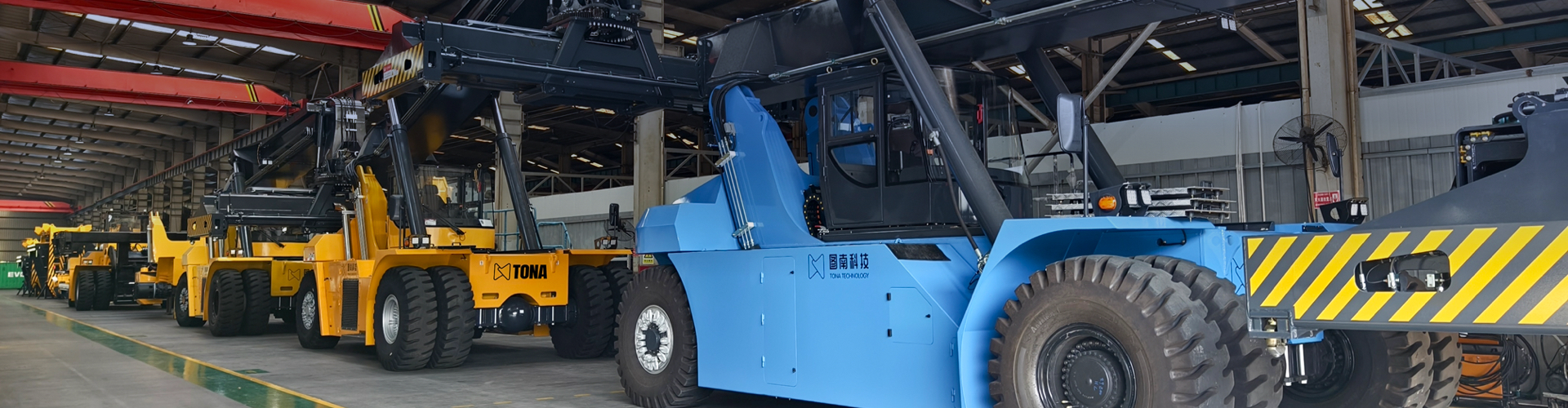
Reach stacker safety checks for container unloading operations
A reach stacker adds powerful capability to container unloading and yard movement, but it also introduces high consequence risk: heavy suspended loads, boom dynamics, blind spots, and ground condition sensitivity. Use these checks as a minimum standard before any lift or relocation.
Daily pre-operation inspection
Walk-around check: look for leaks, visible damage, loose components, and tire condition issues before starting.
Functional checks: confirm brakes, steering, horn, lights, alarms, and emergency stop functions work as intended.
Hydraulic and spreader readiness: check hoses, fittings, and spreader movement; ensure there is no abnormal noise or response.
Operator readiness: confirm competency, seatbelt use, and that the operator has reviewed any site-specific controls.
Lift planning: capacity, configuration, and twistlocks
Capacity awareness: confirm the reach stacker’s rated capacity for the container weight and the planned boom extension/height. Capacity changes with boom position—never assume a single number applies to all lifts.
Twistlock confirmation: verify the spreader is correctly aligned and all twistlocks are fully engaged before lifting. If anything looks uncertain, lower the load and re-seat.
Controlled test lift: lift a small amount first to verify stability, lock engagement, and load balance before moving.
Site condition checks: ground, slope, and overhead hazards
Ground strength and stability: confirm the surface can handle the reach stacker’s weight and dynamic forces. Soft ground, uneven surfaces, or hidden voids can cause tipping risks.
Slope limits: avoid operating on slopes outside site or manufacturer limits. If the area is not level, redesign the route or the unloading plan.
Overhead clearance: check for power lines, awnings, cranes, and building edges. Maintain safe distances and use a spotter if visibility is limited.
Exclusion zones and pedestrian protection
Hard separation: keep pedestrians out of the reach stacker’s operating envelope, including the travel route and swing radius.
Spotter and signaling: use a trained spotter for tight areas, reversing, or blind corners. Confirm signals and stop-work rules before movement.
No suspended load over people: never travel with a load over pedestrian areas; reroute or stop the lift until the area is clear.
Post-unloading safety checks (close out the job safely)
Good container unloading safety doesn’t end when the last pallet comes out. Close-out checks prevent return incidents and capture learnings for the next job.
Final sweep and container securing
Clear the area: remove debris, loose straps, packaging, and any slip hazards around the unloading zone.
Inspect the container interior: confirm no items remain, floors are not damaged, and no protruding nails/splinters or sharp edges are left exposed.
Secure for return: close and latch doors properly; apply seals if required by your process.
Documentation and continuous improvement
Record issues: document damaged cargo, container defects, equipment problems, and near-misses.
Corrective actions: note what was fixed immediately and what needs follow-up maintenance or training.
Update SOPs: if a new hazard pattern is identified, revise the container unloading checklist and share the change with the team.
Training, SOPs, and audit-ready records (build trust and consistency)
Google-friendly content is helpful content—and safe container unloading is built on repeatable systems. Strong operations use clear SOPs, ongoing training, and simple records that prove checks were done.
Standard operating procedures that reduce risk
Written sequence: pre-arrival planning, arrival checks, door-opening steps, unloading flow, and close-out.
Role clarity: define who checks what, who approves entry, and who controls stop-work decisions.
Escalation rules: specify what to do if seals don’t match, the container is damaged, cargo has shifted, or hazardous signs appear.
Competency and refresher training
Task-specific training: door-opening controls, load stability awareness, and safe interaction with forklifts or reach stackers.
Practical refreshers: short refresh sessions reduce “drift” away from safe steps, especially for high-volume container unloading sites.
Checklist discipline: use checklists as a memory aid, not as paperwork—stop and resolve failed checks before continuing.
Simple documentation that supports audits
Pre-op and close-out logs: record date, container ID, key checks completed, and any defects or incidents.
Equipment inspection records: keep reach stacker and forklift daily checks accessible and up to date.
Incident learning loop: document improvements so the next container unloading job is safer and faster.
FAQ: common questions about container unloading safety checks
What are the most important checks before container unloading starts?
Verify the unloading method and site readiness, ensure equipment is fit for task, set an exclusion zone, and confirm roles, PPE, and communication. On arrival, check the seal and container condition before opening doors.
What should I check before opening container doors?
Assume the load may be pressing against the doors. Stand to the side, open slowly in a controlled sequence, check for warning labels, and stop if you detect leaks or strong odors. Ventilate and escalate if conditions are abnormal.
How do I prevent people from being hit during container unloading?
Separate pedestrians from mobile plant with barriers and a defined walking route. Avoid having pedestrians inside the container while equipment is operating in the same space. Use a spotter when visibility is limited.
What reach stacker checks matter most for safe lifting?
Complete the daily pre-use inspection, confirm capacity for the planned boom position, verify all twistlocks are fully engaged, assess ground strength/slope, check overhead hazards, and enforce strict exclusion zones.
What should be done after unloading is finished?
Clean the work area, inspect the container interior, secure doors for return, and document defects, damage, and near-misses. Use those records to improve the next container unloading cycle.
Related Blogs
-
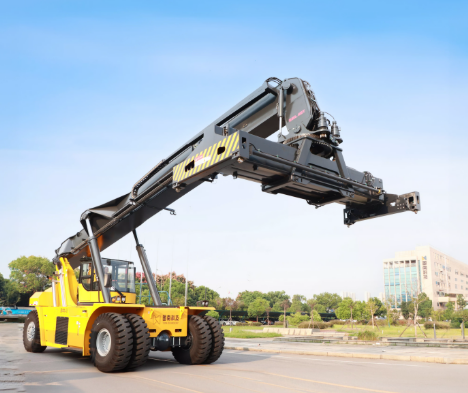 Choosing container unloading services isn’t just about finding a crew to “get it done.” The right provider protects your cargo, your schedule, and your reputation—while the wrong one can create hidden costs such as detention fees, damaged goods, inventory mismatches, and safety incidents.hot blog
 -
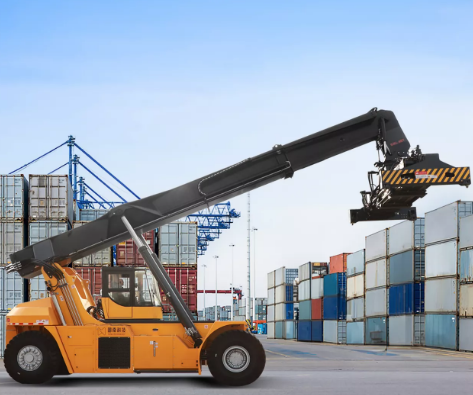 Slow container unloading is rarely caused by one “big problem.” It’s usually the sum of small delays: waiting for paperwork, searching for SKUs, re-handling freight, missing equipment, crowded staging areas, and unclear roles at the dock.hot blog
 -
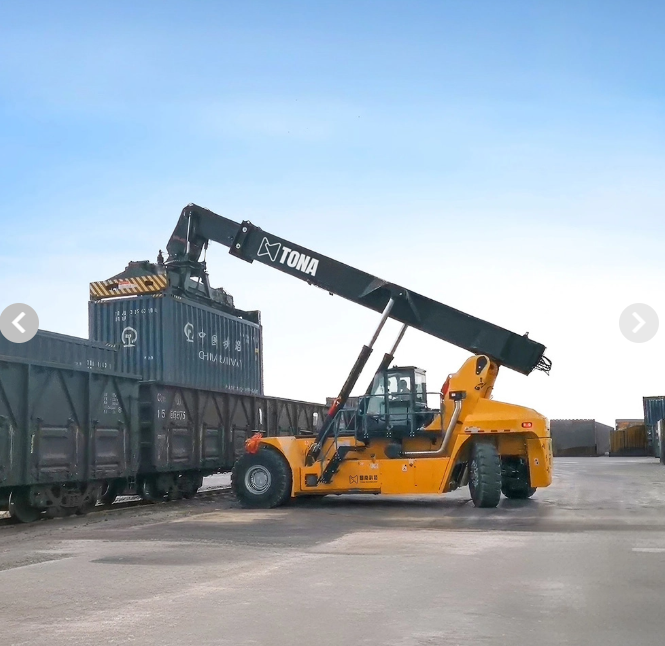 Efficient container unloading is a mix of smart planning, the right equipment, and a repeatable workflow that keeps people safe while moving freight fast. Whether you’re handling palletized goods at a warehouse dock or floor-loaded cartons in a tight receiving bayhot blog
 -
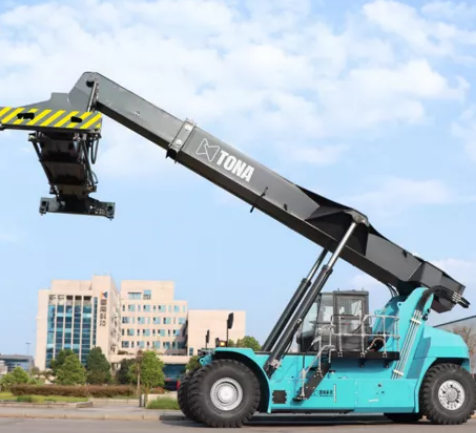 In warehouses and distribution centers, choosing the right equipment is crucial for efficient material handling. Stackers and reach stackers are both essential, but they serve different needs. While stackers excel in tight spaces,