
Slow container unloading is rarely caused by one “big problem.” It’s usually the sum of small delays: waiting for paperwork, searching for SKUs, re-handling freight, missing equipment, crowded staging areas, and unclear roles at the dock. The good news is that unloading time can be reduced quickly when you treat the process like a flow system—measured, planned, and executed the same way every time.
This guide walks through practical steps to reduce container unloading time without sacrificing safety or accuracy. It also explains when a reach stacker can speed up yard and dock operations by cutting unnecessary container moves and travel distance.
Measure the time you are actually trying to reduce
Before you optimize, decide what “unloading time” means for your operation. Many teams track only “doors open to last carton out,” but the real cost often happens outside that window—when trucks wait, docks stay occupied, or inbound freight sits unverified.
Use clear timestamps and record them for at least 10–20 containers:
Gate check-in to dock assignment
Dock assignment to doors open
Doors open to last unit removed
Last unit removed to receiving verification complete
Receiving complete to put-away/cross-dock finished
Track a small set of KPIs that connect time to cost:
Minutes per container (by load type: palletized vs floor-loaded)
Pallets or cartons per labor hour
Damage/exception rate (shortage, overage, broken packaging)
Dock dwell time and yard dwell time
Re-handles per SKU (how many times you touch the same product)
Do pre-arrival planning to remove avoidable waiting
Faster container unloading starts before the container reaches your dock. Pre-arrival planning reduces the “dead minutes” that stack up when crews are ready but the workflow is not.
Build a simple inbound checklist that must be completed before the appointment:
Confirm packing list, PO/SKU mapping, carton counts, and special handling notes
Assign a dock door, start time, and unloading method (palletized vs floor-loaded)
Stage essentials: pallets, wrap, dunnage, labels, scanners, and a camera/photo station for exceptions
Create a staging map: where each PO/SKU should go immediately after it leaves the container
If your inbound volumes are high, set “container profiles” and route them automatically. For example: floor-loaded mixed SKUs goes to Door 4 with a two-team workflow; palletized full PO goes to Door 1 for rapid scan-and-stage.
Design the unloading zone for flow, not piles
Many warehouses lose time because the dock area becomes a temporary storage chaos. When staging is unstructured, people search, forklifts detour, pallets get rebuilt, and receiving accuracy suffers.
Organize your unloading zone around movement:
Mark inbound staging lanes by PO, destination zone, or priority level
Separate “clean flow” freight from “exceptions” (damage, missing labels, unclear counts)
Create one-way traffic paths for forklifts and pallet jacks to reduce cross-traffic
Ensure dock readiness: clear door area, working levelers, adequate lighting, and safe egress routes
A simple rule helps keep speed and safety aligned: nothing stops in the travel lane. If something needs checking, it moves to an exceptions spot so the flow continues.
Match the unloading method to how the freight is loaded
The fastest container unloading method depends on the container load style. Using the wrong method forces extra touches, increases instability, and creates slowdowns later.
For palletized containers, focus on rapid transfer and verification
If goods are palletized, your biggest gains come from reducing dwell at the door and avoiding rework.
Use a scan-at-touch method: scan pallet labels or carton IDs as they move to staging
Stage by destination zone to reduce later sorting time
Keep wrap and stabilization consistent so pallets can move immediately to put-away
When possible, direct palletized freight into cross-dock lanes for same-day outbound. Every avoided put-away saves time twice.
For floor-loaded containers, reduce touches with a two-speed workflow
Floor-loaded containers create bottlenecks because freight must be broken down and rebuilt into stable unit loads. The key is to separate tasks so the inside team never waits on the outside team (and vice versa).
A proven approach is a “two-speed line”:
Inside team: breaks down cartons and builds pallets to a standard pattern
Outside team: wraps, labels, scans, counts, and stages pallets without blocking the container
For high-volume floor-loaded operations, consider handling aids that reduce fatigue and speed up movement (choose based on ROI and container profile): roller tracks, telescopic conveyors, lift-assist devices, or carton handling systems. The goal is not fancy equipment—it is fewer pauses and fewer re-handles per carton.
Turn roles into an SOP that prevents collision and confusion
When unloading is slow, you’ll often see “role overlap”: two people doing the same check, forklifts waiting for space, or workers stopping to ask what to do next. A simple SOP reduces decision-making at the dock and makes performance repeatable.
Define roles and the sequence clearly:
Safety check and load-shift assessment before entry
Stabilize freight (especially near the doors)
Unload to the correct staging lane
Verify counts and record exceptions immediately
Move freight to put-away or cross-dock without re-handling
Micro-standards matter. For example: wrap pallets as soon as they reach a stable layer height, not “at the end.” This prevents collapses that trigger long rework cycles and damages.
Use the right equipment mix, including when a reach stacker helps
Equipment affects unloading speed in two places: at the dock and in the yard. Many teams focus only on dock equipment, but yard inefficiency often creates hidden time loss—containers are not positioned correctly, docks wait, or the operation relies on too many “extra moves.”
At the dock, choose equipment that matches freight and space:
Forklifts and pallet jacks sized for the load and aisle layout
Conveyors or roller systems for floor-loaded cartons when volumes justify it
Attachments or lift-assist tools where manual handling is the bottleneck
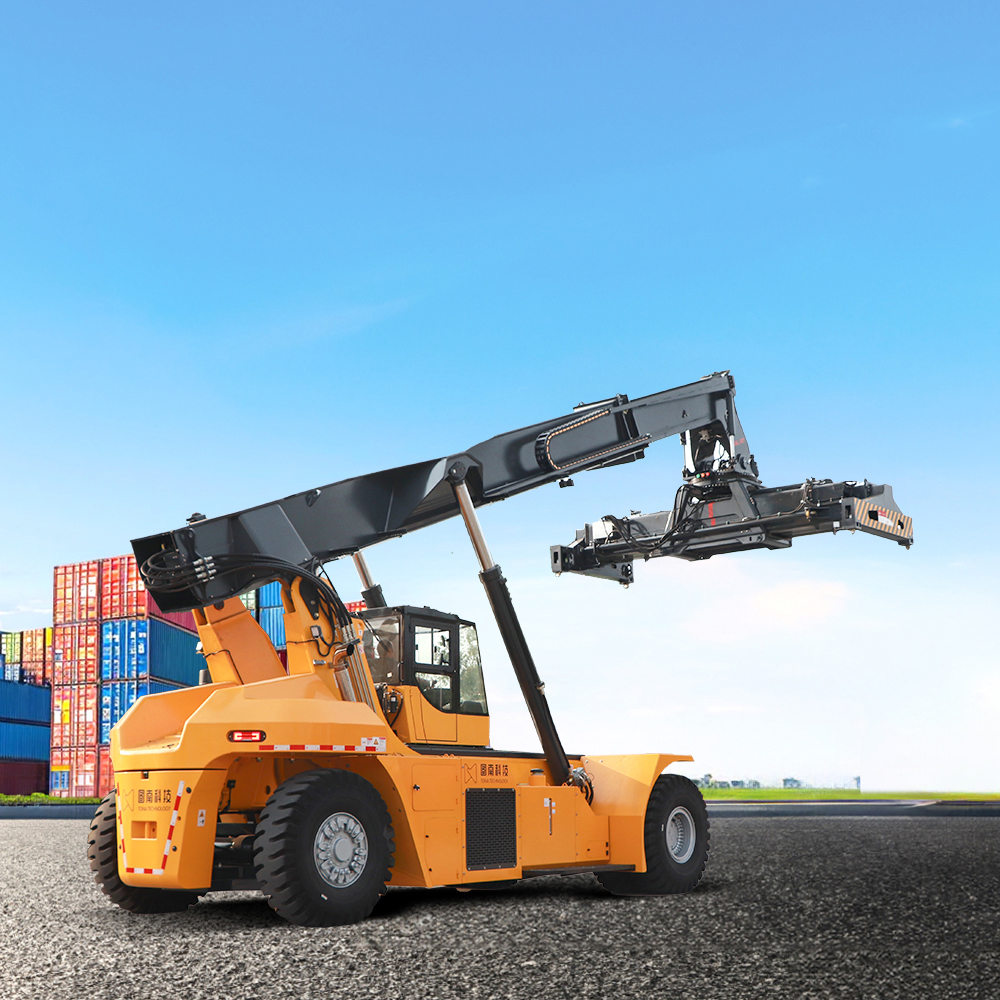
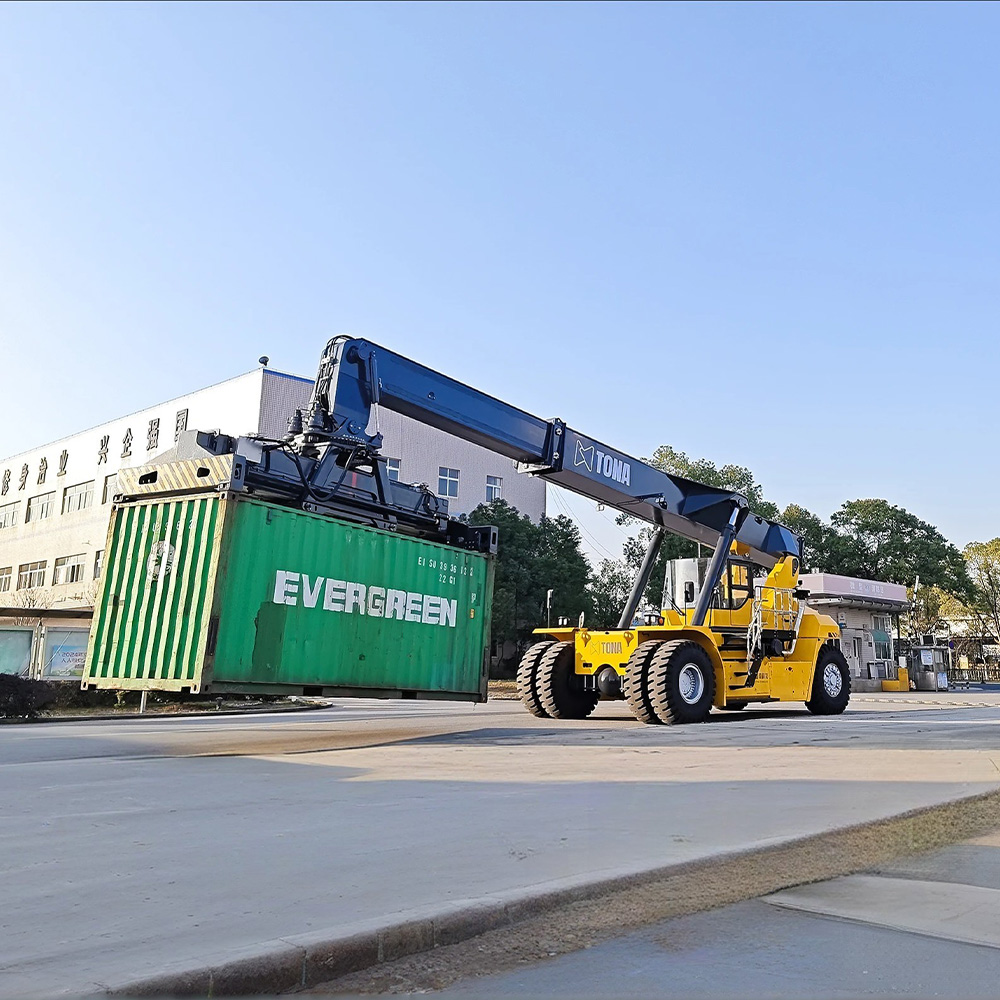
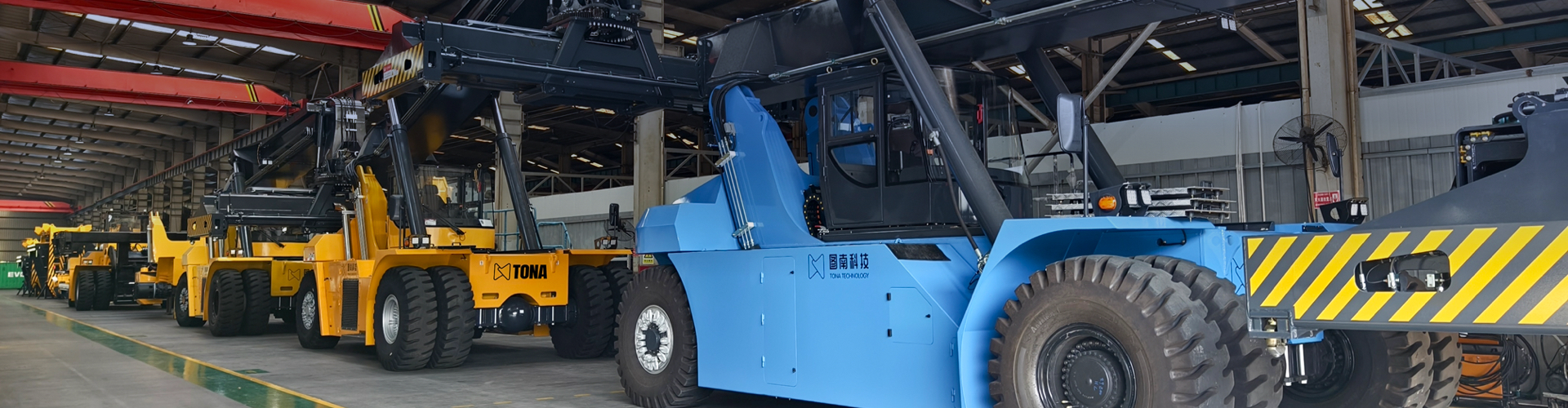
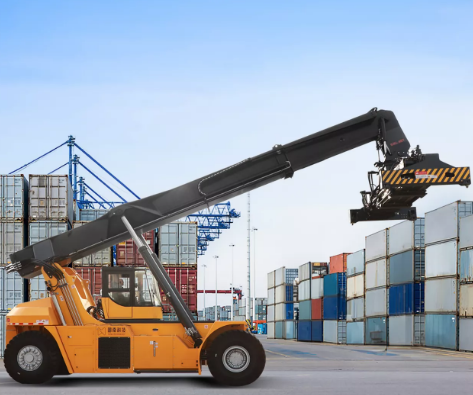
In the yard, a reach stacker can reduce container unloading time by improving container availability and positioning:
Pre-position containers near the correct dock door: less internal travel, fewer forklift miles, faster start
Reduce double handling: smarter stacking order and retrieval sequence means fewer re-stacks
Improve peak-hour responsiveness: when appointments shift, reach stackers can quickly rearrange container flow
Support throughput expansion: when yard density increases, reach stacker operations can keep containers accessible
To maximize reach stacker impact, connect yard moves to the dock schedule. When the dock knows what container is next—and the yard can deliver it on time—you remove the most common delay: waiting for the right container to arrive at the door.
Digitize receiving to eliminate searching, checking, and rework
Manual verification slows container unloading because checks happen after the fact. Digitizing the process shifts verification to the point of touch, so you don’t unload fast only to get stuck later.
High-impact digital practices include:
Scan at the dock as freight exits the container, not later in staging
Use real-time receiving status boards: percent complete, exceptions, priority SKUs
Trigger alerts for delays: late trucks, door changes, equipment downtime, missing documents
If you already use a WMS or TMS, start small: a standardized receiving screen, a simple exception code list, and a dock dashboard. The goal is shorter feedback loops and fewer surprises.
Speed up safely to avoid the biggest time-wasters
Accidents and damage destroy unloading speed. Even a minor incident can shut down a door, create investigations, and force repalletizing. Safe container unloading is not the opposite of fast—it is the foundation of fast.
Safety practices that protect both people and time:
Open container doors cautiously and assess load shift before entry
Keep walk paths clear and enforce separation from powered equipment
Stabilize loose freight early using straps, dunnage, or controlled breakdown
Use proper PPE and rotate tasks during peak periods to prevent fatigue errors
Also build a “damage quarantine lane.” When damaged goods mix with clean flow, the entire line slows down.
Plan labor to prevent bottlenecks during peak receiving
Labor planning is a primary lever for container unloading time because the dock is a constrained resource. Understaffing creates slowdowns; overstaffing creates confusion. The right answer depends on container type and equipment.
Practical labor strategies:
Adjust crew size by load profile (palletized vs floor-loaded, mixed SKUs vs single SKU)
Cross-train workers so breaks don’t stall the workflow
Use “flex roles” during surges: one person dedicated to wrap/label, one dedicated to scanning and exception notes
Align shift start times to the appointment schedule, not the clock
When you combine a stable SOP with flexible staffing, you reduce both idle time and collision time.
Build a continuous improvement loop that keeps time savings permanent
One-time improvements often fade because unloading slips back into old habits. Keep gains by reviewing performance weekly and fixing one constraint at a time.
A lightweight improvement cycle:
Run a short time study on 5–10 containers and tag delays (waiting, searching, re-handling, paperwork, damage)
Choose one constraint to fix this week (for example: staging map, door assignment, scan method)
Update the SOP and retrain in 10-minute micro-sessions at the dock
Compare results by container profile to see where the savings are real
Over time, create a simple “unload playbook” by container type. When your team knows exactly how to unload each profile, your container unloading time becomes predictable—and predictability is what reduces detention risk and improves throughput.
Frequently asked questions
What causes the biggest delays in container unloading?
The most common causes are waiting for documents or door assignment, unclear staging, re-handling due to poor layout, missing equipment, and time lost to exceptions (damage, missing labels, shortages).
How can a reach stacker reduce unloading time?
A reach stacker speeds up yard container positioning and retrieval, reducing the time docks spend waiting for the correct container. When yard moves follow the dock schedule, you eliminate unnecessary re-stacks and travel distance.
What is the fastest way to unload a floor-loaded container?
Use a defined two-team workflow (inside breakdown + outside wrap/scan/stage), follow standard pallet patterns, and keep an exceptions lane separate. This reduces touches and prevents stoppages caused by instability or verification issues.
Should we prioritize speed or accuracy in receiving?
You need both. The fastest operations verify at the point of touch so accuracy improves as speed increases. When verification is delayed, rework appears later and your total time grows.
What is the first improvement to implement?
Start with measurement plus a staging map. When every container has a defined door plan, crew plan, and staging destination, you remove the most common sources of idle time within days.
Related Blogs
-
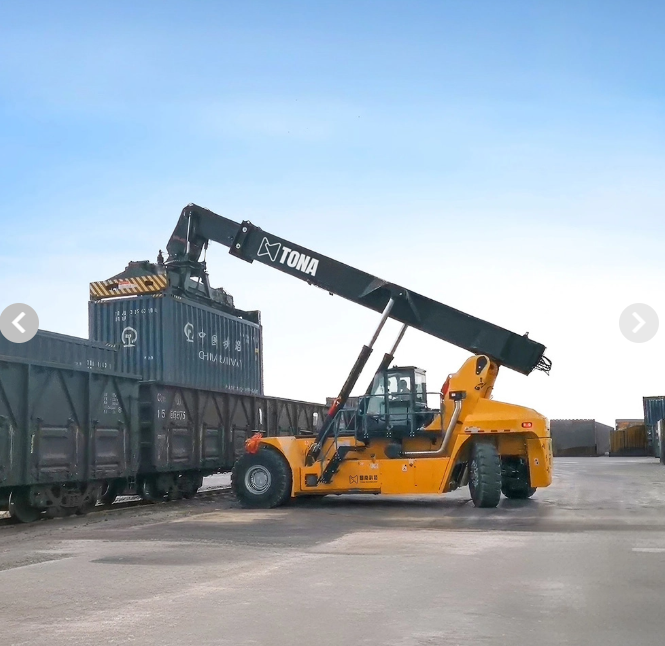 Efficient container unloading is a mix of smart planning, the right equipment, and a repeatable workflow that keeps people safe while moving freight fast. Whether you’re handling palletized goods at a warehouse dock or floor-loaded cartons in a tight receiving bayhot blog
 -
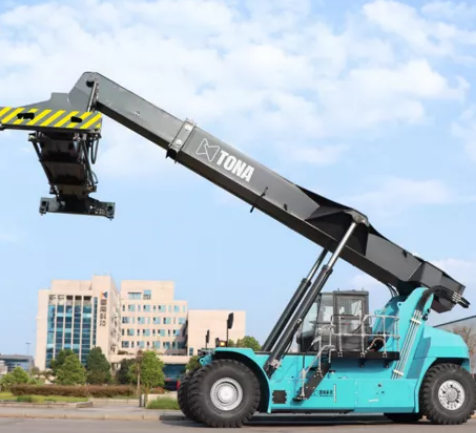 In warehouses and distribution centers, choosing the right equipment is crucial for efficient material handling. Stackers and reach stackers are both essential, but they serve different needs. While stackers excel in tight spaces,
 -
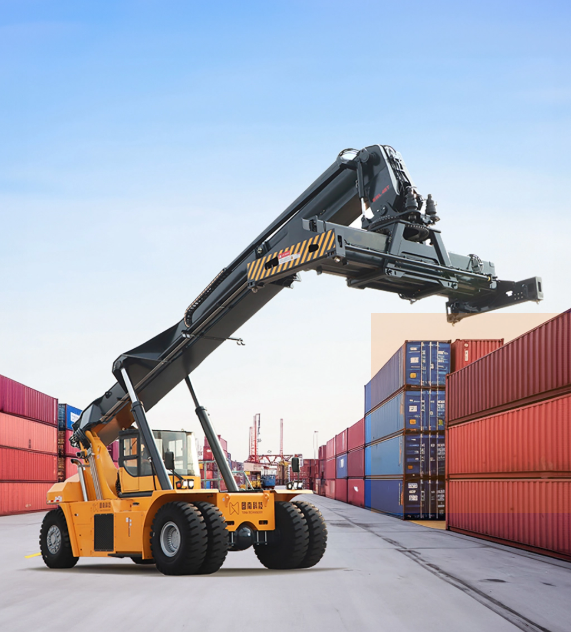 Reach stacker operators are the backbone of efficient logistics. They ensure smooth cargo movement in busy ports and warehouses. This article explores what it takes to become a reach stacker operator. We’ll cover the key skills, training programs, certifications, and safety measures required.
 -
 What Class is a Reach Stacker?Have you ever wondered how material handling in narrow spaces is so efficient? A reach stacker, a specialized type of forklift, plays a crucial role in warehouse and distribution center operations. It is designed to lift and move pallets in tight spaces,