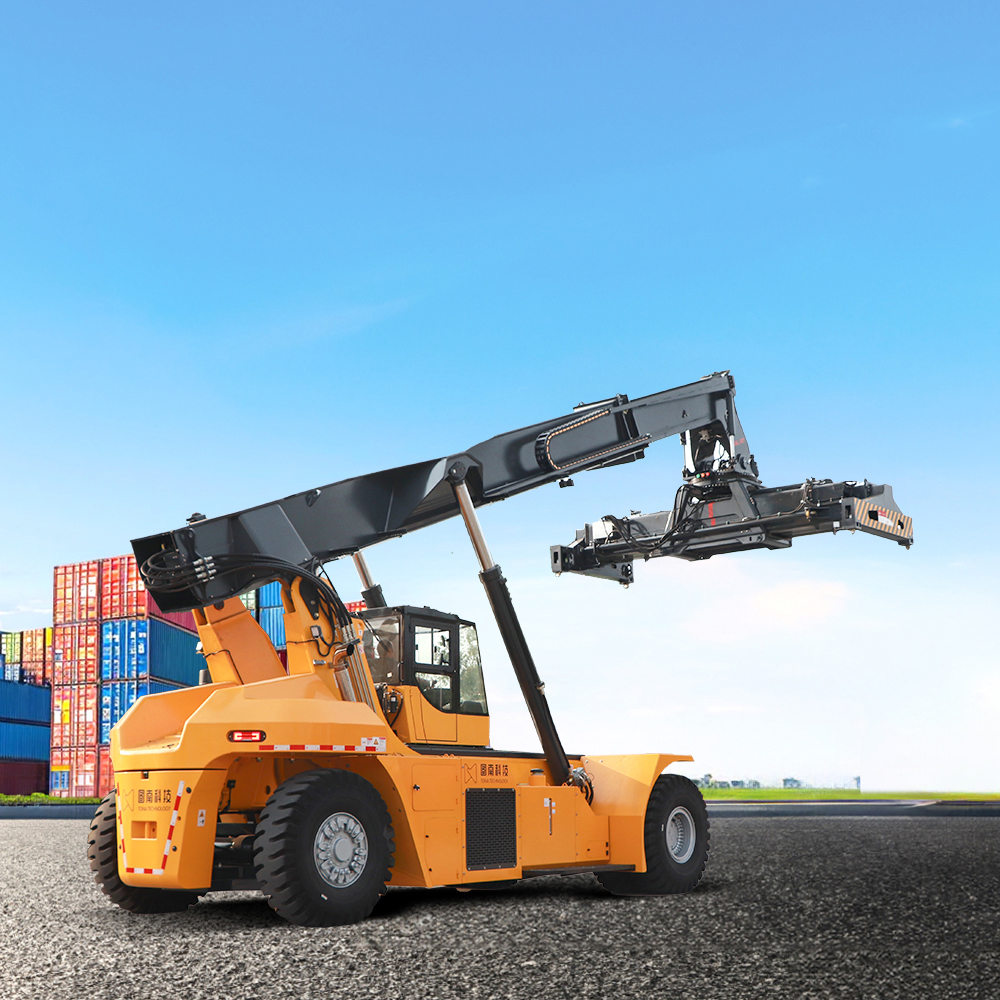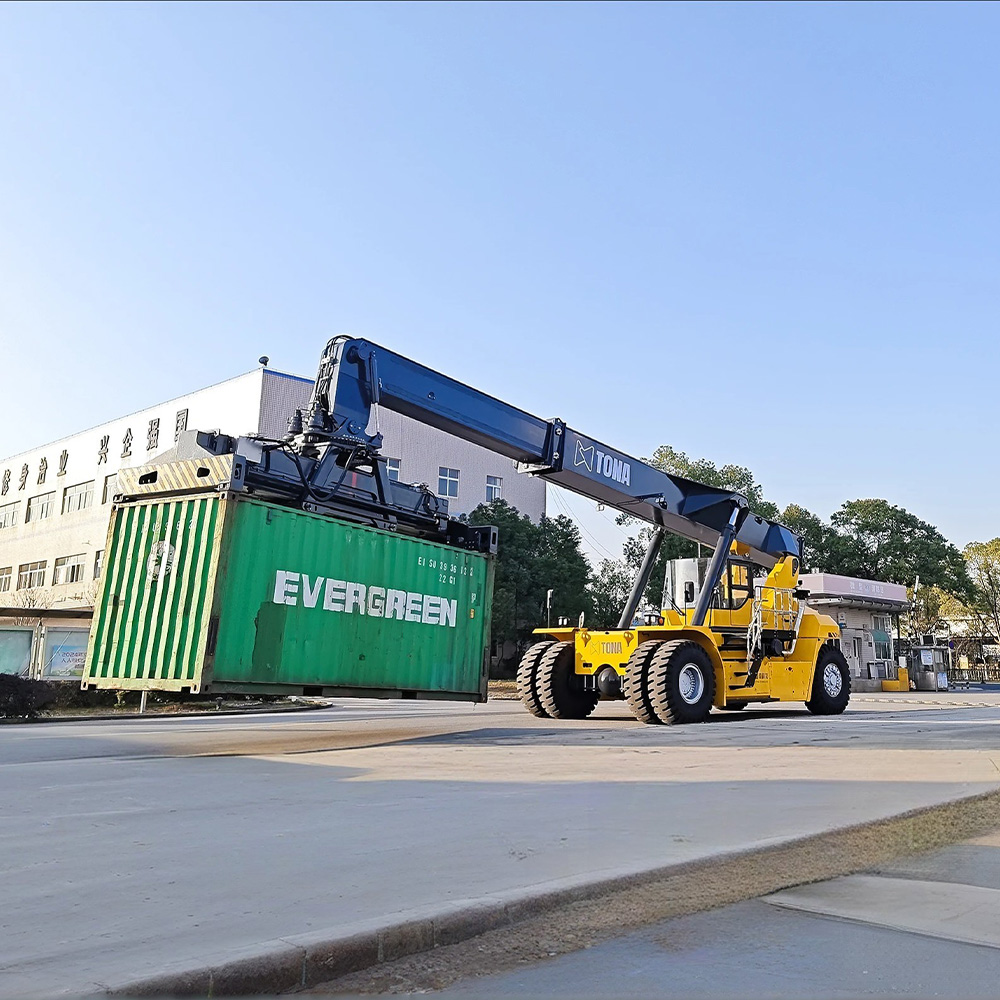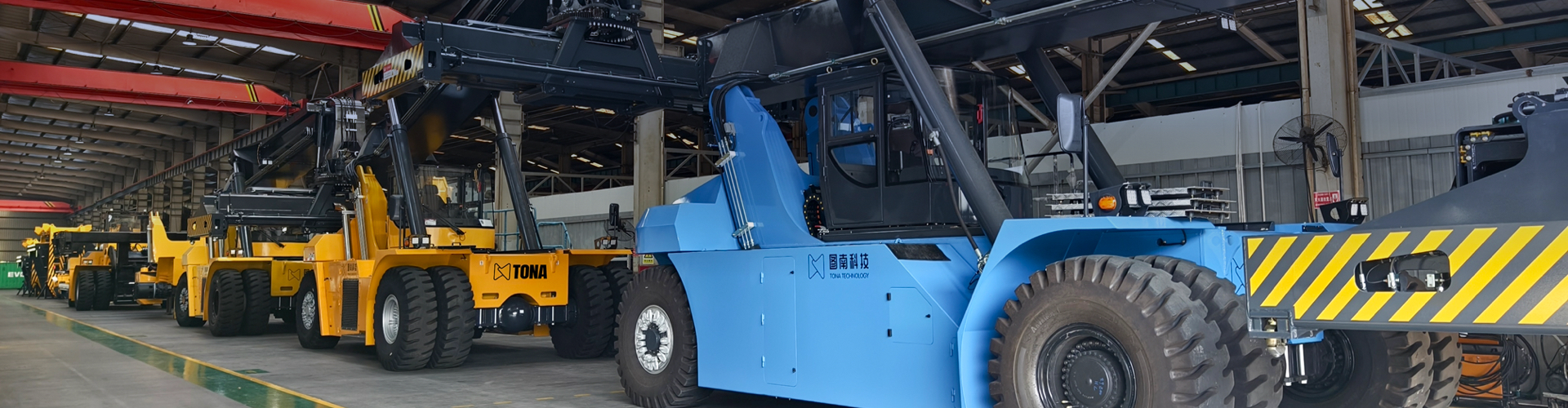

Efficient container unloading is a mix of smart planning, the right equipment, and a repeatable workflow that keeps people safe while moving freight fast. Whether you’re handling palletized goods at a warehouse dock or floor-loaded cartons in a tight receiving bay, the best results come from matching the unloading method to your cargo type, site constraints, and throughput goals. In yards and terminals, equipment such as a reach stacker can add flexibility by repositioning containers quickly and optimizing stack density—reducing wait time and unnecessary handling.
This guide walks through practical container unloading methods, when to use each one, and how to build a reliable standard operating procedure (SOP) that improves speed, reduces damage, and supports consistent inventory control.
What “efficient” container unloading really means
Efficiency isn’t only about finishing sooner. The most effective container unloading operations balance five outcomes:
Cycle time: total time from arrival to empty container release
Labor productivity: cartons/pallets moved per labor-hour
Damage rate: reduced product and packaging losses
Safety performance: fewer injuries and near-misses
Flow reliability: fewer stoppages caused by congestion, missing tools, or poor staging
When those outcomes improve together, container unloading becomes predictable—so you can plan labor, docks, and yard moves with confidence.
How to choose the right unloading approach
Before deciding on a method, answer three questions:
What is the cargo format? palletized, slip-sheet, floor-loaded cartons, mixed SKUs, irregular/heavy items
Where is the unloading happening? dock door, ground-level receiving, yard/terminal, cross-dock, or on-chassis
What is the throughput requirement? occasional containers vs daily high volume
With that clarity, you can select a container unloading method that fits the job rather than forcing the job into an inefficient process.
Pre-arrival planning: the fastest way to reduce unloading time
The biggest time savings usually happen before you open the container doors. A short pre-arrival routine prevents stoppages that can easily add 30–60 minutes per container.
Site readiness checklist
Confirm turning radius and access path for the truck or chassis
Ensure the unloading surface is stable, level, and clear of debris
Assign a staging zone for inbound pallets/cartons and a separate zone for returns and dunnage
Set traffic control rules (spotter zones, pedestrian lanes, equipment routes)
Team briefing and role assignment
Assign an unloading lead to coordinate pace and safety checks
Define roles: equipment operator(s), spotter, inside crew, pallet builder, scanner/counter
Set a simple communication plan (hand signals, radio channels, stop-work rules)
Documentation and inventory prep
Review packing list and plan scanning/labeling points
Prepare barcode/RFID tools and confirm WMS receiving task setup
Pre-plan exceptions: damaged cartons, mixed SKU piles, short/over shipments
Equipment readiness
Verify forklift capacity, battery/fuel levels, and attachments (if needed)
Confirm ramps or dock plates are rated and properly placed
Check conveyors, pallet jacks, and wrap stations are positioned and working
Live unload vs drop-and-return: picking the right container unloading setup
Two common operational setups influence unloading speed and cost:
Live unload: the driver waits while you unload. This can be efficient when your dock is ready and your process is fast, but it increases pressure and can lead to mistakes if you’re understaffed or unprepared.
Drop-and-return: the container/chassis is dropped and retrieved later. This improves scheduling flexibility and reduces “rush unloading,” but you must manage yard space and retrieval windows carefully.
If your facility frequently experiences dock congestion, drop-and-return can protect productivity. If you have strong SOPs and stable staffing, live unload can reduce yard moves and keep freight flowing.
Container unloading methods for palletized cargo
Palletized freight is typically the fastest to handle because each lift moves more product. The most efficient approach is to maintain a clear path from container to staging lanes with minimal re-handling.
Recommended workflow
Position the container to maximize forklift access (dock door or safe ground-level area)
Use a rated ramp or dock plate if the forklift must enter the container
Unload pallets in a consistent sequence to prevent tipping or shifting
Stage pallets by receiving lane (SKU, PO, temperature class, outbound route)
Scan pallets at a single, consistent checkpoint to avoid missed receipts
Best for: uniform SKUs, stable pallets, high-throughput warehouse receiving.
Container unloading methods for floor-loaded and mixed cargo
Floor-loaded containers (loose cartons, mixed SKUs, irregular packaging) require more labor and greater control to avoid damage and miscounts. The efficiency gain comes from organizing the flow—so the team isn’t stepping over product or stopping to “figure it out” mid-unload.
Recommended workflow
Start with a safety check and stabilize any shifted freight near the doors
Create a “handoff line” so cartons move continuously from container to staging
Build pallets to a standard footprint and height to reduce rework
Label and scan by batch (zone, SKU family, PO) to maintain accuracy
Wrap and cap pallets early to prevent collapse during transport
Best for: e-commerce imports, mixed retail cartons, hand-stacked shipments.
Seven efficient container unloading methods (and when to use them)
Manual devanning with a relay flow
This method uses people rather than powered equipment inside the container. Efficiency comes from designing a steady rhythm: cartons move forward, and no one is idle waiting for a decision or space.
Best for: floor-loaded cartons, fragile packaging, narrow bays
Required tools: gloves/PPE, pallet jacks, pallet wrap station, labels/scanners
Advantages: low equipment requirement; flexible for mixed SKUs
Risks: fatigue and lifting injuries—use rotation, lift training, and conveyors when possible
Forklift unloading (dock or ground-level)
Forklifts are the standard for fast container unloading when cargo is palletized or can be quickly palletized. The key is preventing bottlenecks at the container mouth and ensuring safe entry/exit.
Best for: palletized goods, high volume, standardized receiving lanes
Required tools: forklift, ramp/dock plate, wheel chocks, spotter protocol
Advantages: high speed per move; reduced manual handling
Risks: ramp misuse, congestion, blind spots—use spotters and strict pedestrian separation
Conveyor-assisted unloading
Conveyors reduce lifting and speed up piece handling by bringing cartons to a stable pallet-building or sorting zone. This method is especially effective when paired with a consistent scan point.
Best for: cartons, mixed SKUs, operations prioritizing worker ergonomics
Required tools: extendable or mobile conveyor, pallet-building area, scanners
Advantages: improved ergonomics; smoother flow; less fatigue
Risks: jams and clutter if staging is poorly designed—keep lanes clear and define “in/out” zones
Dock-based standardized workflow (staging lanes + roles)
Sometimes the biggest improvement isn’t a new machine—it’s a consistent receiving layout. A dock SOP ensures freight moves through predictable steps: unload → stage → verify → wrap → put-away.
Best for: warehouses with recurring inbound volume
Required tools: lane signage, wrap station, scanners, dunnage bins
Advantages: less confusion; fewer miscounts; stable throughput
Risks: role overlap and congestion—define roles and keep the dock face uncluttered
Crane-based unloading in ports and heavy-duty sites
In port or terminal environments, cranes deliver high throughput and support container moves at scale. This is typically part of a broader terminal operating system rather than a warehouse receiving workflow.
Best for: port/terminal operations, heavy infrastructure sites
Required tools: crane system, trained operators, controlled exclusion zones
Advantages: high throughput at scale
Risks: complex coordination and safety requirements—strict procedures are mandatory
Reach stacker workflow for flexible yard handling
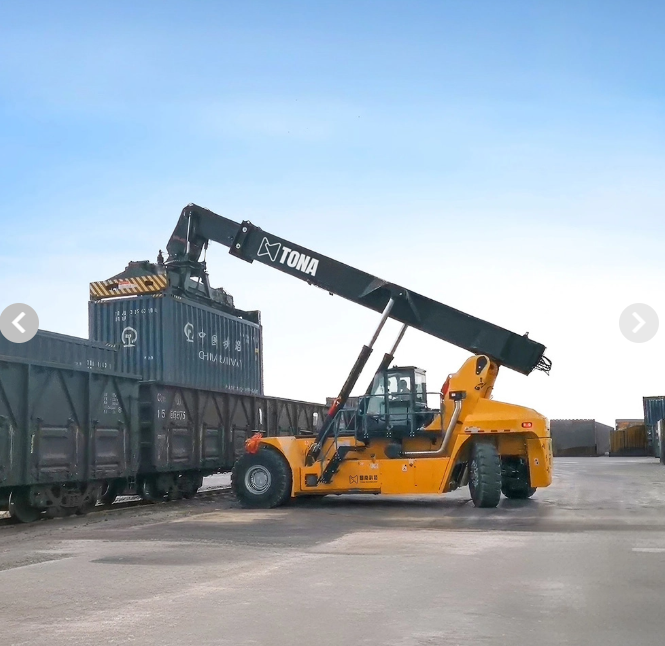
A reach stacker supports efficient container unloading indirectly by improving how containers are positioned, staged, and moved in the yard. When trucks arrive faster than docks can process, the yard becomes the buffer—and that’s where a reach stacker can add major operational flexibility.
Where a reach stacker improves container unloading efficiency
Rapidly reposition containers to the most suitable unloading location
Reduce delays by staging inbound containers in priority order
Improve yard space utilization through stacking strategies
Support cross-dock transfers (container-to-trailer or container-to-ground)
Best for: yards, terminals, distribution centers with limited dock availability or frequent container traffic.
Key operational notes: plan travel lanes, ensure stable ground conditions, use trained operators, and define clear spotter zones to prevent pedestrian conflicts.
Automation and unloading systems
Automated or semi-automated container unloading systems aim to reduce manual entry into containers and deliver consistent unload speeds. These systems vary widely, but the efficiency logic is the same: fewer manual touches, fewer pauses, better safety and consistency.
Best for: high volume operations with repetitive cargo patterns
Required tools: unloading system + integration with receiving/staging workflow
Advantages: predictable cycle time; lower manual handling; improved safety
Risks: upfront cost and change management—ROI depends on volume and standardization
A repeatable SOP for fast, safe container unloading
Use this SOP template to standardize container unloading across teams and shifts.
Before opening the doors
Confirm container ID, seal condition, and take quick photos for records
Open doors carefully and stand to the side in case cargo shifted
Check for odor, heat, or visible hazards; ventilate if needed
Set wheel chocks and confirm stable parking position
During unloading
Keep the container entrance clear—avoid “pileups” at the door
Maintain one-way flow: container → staging → verification → wrap → put-away
Use consistent pallet-building rules (height, stability, labeling position)
Scan at a defined checkpoint and immediately flag exceptions
Close-out
Verify final count against documents and record shortages/damage
Remove dunnage and debris; ensure no product remains
Release the empty container quickly to reduce yard congestion
Log cycle time and issues for continuous improvement
Safety practices that protect speed (not slow it down)
Safety and speed are connected. When teams feel rushed, injuries and damage rise—and operations lose time. Build safety into your SOP so it becomes automatic.
PPE: safety shoes, gloves, high-visibility clothing; add eye protection where debris risk exists
Training: equipment certification, spotter protocol, lift technique, stop-work authority
Zone control: separate pedestrians from forklifts/reach stackers with marked lanes
Fatigue management: rotate manual roles during floor-loaded devanning
Housekeeping: keep wrap, labels, and dunnage bins organized to prevent trips and jams
Technology and process improvements that increase throughput
Small tech upgrades can remove hidden delays in container unloading:
Real-time receiving: scan on arrival and integrate with WMS to prevent re-counting
Pre-labeling: use consistent label rules for pallets and mixed SKU builds
Yard visibility: prioritize containers by appointment time, product urgency, and dock availability
Work measurement: track unload time, labor hours, damage incidents, and exception rates
Over time, these metrics show which container unloading methods perform best for your specific cargo mix.
Common bottlenecks (and how to avoid them)
No staging plan: creates congestion and repeated handling. Fix with labeled lanes and a fixed scan point.
Unclear roles: causes stops and arguments mid-unload. Fix with a 2-minute briefing and role cards.
Unstable pallets: leads to rework and damage. Fix with standard build rules and early wrapping.
Equipment downtime: halts flow completely. Fix with daily checks and backup tools (pallet jacks, spare batteries).
Yard delays: containers arrive but can’t reach the dock. Fix with better staging and, where appropriate, reach stacker yard handling.
When a reach stacker is the right choice
Not every operation needs a reach stacker. But if you regularly deal with limited dock availability, growing inbound container volume, or a yard that becomes a scheduling buffer, a reach stacker can make container unloading more predictable by improving how containers are queued, staged, and positioned.
Signs a reach stacker may improve your operation
Containers wait too long for a dock door or unloading slot
Yard space is tight and stacking strategy matters
You need fast repositioning for priority shipments
Cross-docking requires frequent container moves
For these environments, reach stacker-driven staging can reduce idle time and keep unloading teams focused on the dock workflow instead of waiting for containers to be placed.
Frequently asked questions
What is container unloading?
Container unloading is the process of removing cargo from a shipping container and transferring it into a warehouse, staging area, or downstream transport—while maintaining safety, accuracy, and minimal product handling.
What is the fastest container unloading method?
For palletized freight, forklift-based unloading with a clear staging plan is typically fastest. For floor-loaded cargo, conveyor-assisted unloading or a well-organized manual relay flow can significantly reduce delays.
How do you unload floor-loaded containers efficiently?
Use a steady “flow” process: keep the entrance clear, build stable pallets to a standard rule set, scan at a consistent checkpoint, and rotate labor roles to reduce fatigue and errors.
How does a reach stacker help container unloading?
A reach stacker improves efficiency by staging and repositioning containers quickly in a yard or terminal. This reduces waiting time, helps prioritize urgent loads, and improves yard space utilization—supporting smoother container unloading at the dock.
Is automation worth it for container unloading?
Automation can be worthwhile when you have high volume, repeatable cargo formats, and consistent inbound schedules. The best ROI typically comes from reducing manual handling, improving safety, and delivering predictable unloading cycle times.
Related Blogs
-
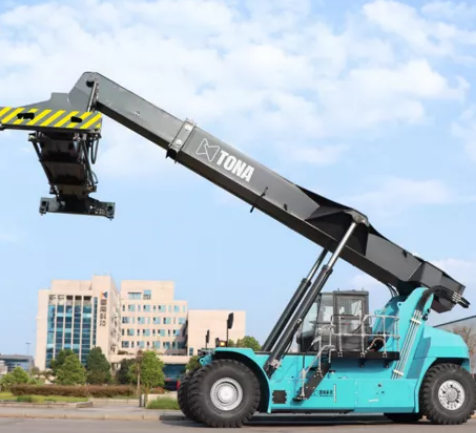 In warehouses and distribution centers, choosing the right equipment is crucial for efficient material handling. Stackers and reach stackers are both essential, but they serve different needs. While stackers excel in tight spaces,
 -
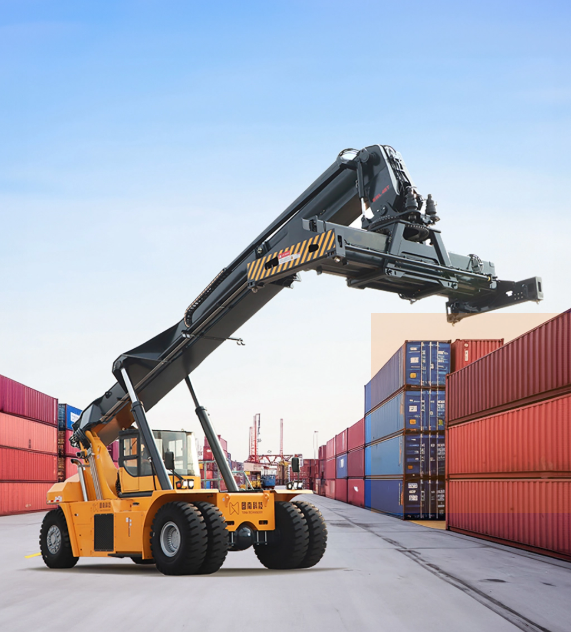 Reach stacker operators are the backbone of efficient logistics. They ensure smooth cargo movement in busy ports and warehouses. This article explores what it takes to become a reach stacker operator. We’ll cover the key skills, training programs, certifications, and safety measures required.
 -
 What Class is a Reach Stacker?Have you ever wondered how material handling in narrow spaces is so efficient? A reach stacker, a specialized type of forklift, plays a crucial role in warehouse and distribution center operations. It is designed to lift and move pallets in tight spaces,
 -
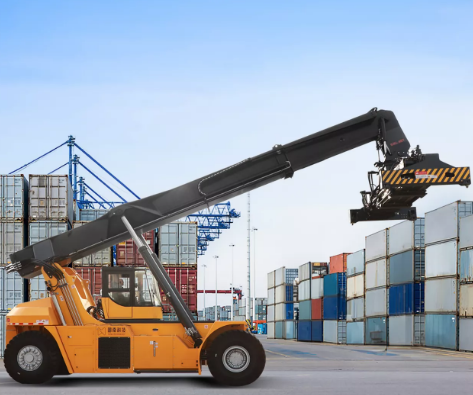 Reach stackers are essential in logistics, especially for moving and stacking containers. These powerful machines ensure smooth operations in busy shipping environments. But the question arises: is a reach stacker considered a vehicle?In this article,