
Automated container unloading systems are revolutionizing the logistics and warehousing industries by improving efficiency and safety. These systems, equipped with advanced robotics and sensors, replace manual labor, streamlining the process of unloading cargo from containers. The evolution of such systems is crucial in modernizing supply chain operations and reducing costs. This article delves into how these systems work, their key components, and their benefits.
What Is a Container Unloading System?
A container unloading system is an automated solution designed to unload cargo from containers with minimal human intervention. These systems leverage technologies like robotics, sensors, and advanced software to detect, handle, and sort goods efficiently. Unlike traditional manual unloading methods, automated systems provide increased throughput, reduced labor costs, and enhanced safety.
Definition and Scope
Automated container unloading systems encompass a variety of technologies and equipment aimed at facilitating the efficient unloading of containers. These systems can handle different types of cargo, including loose goods, pallets, and even hazardous materials, depending on the configuration and technology used.
Typical Use Cases
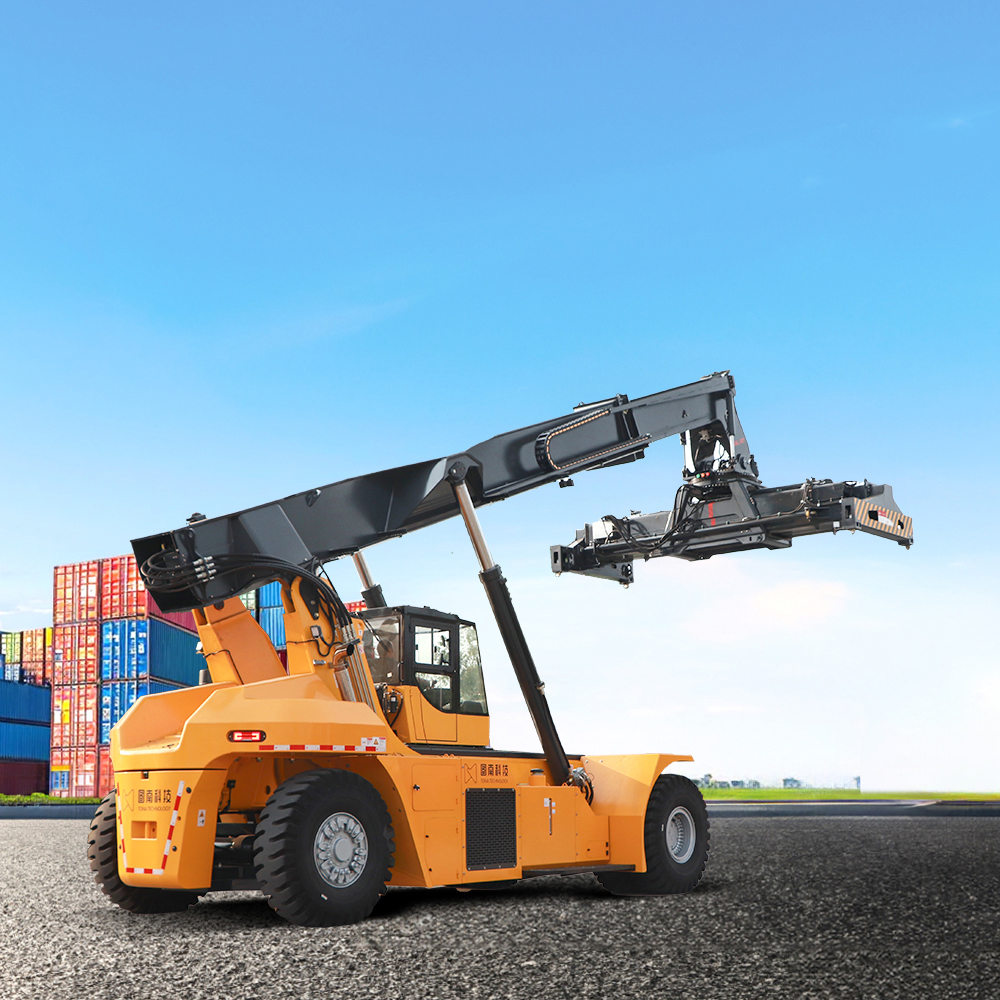
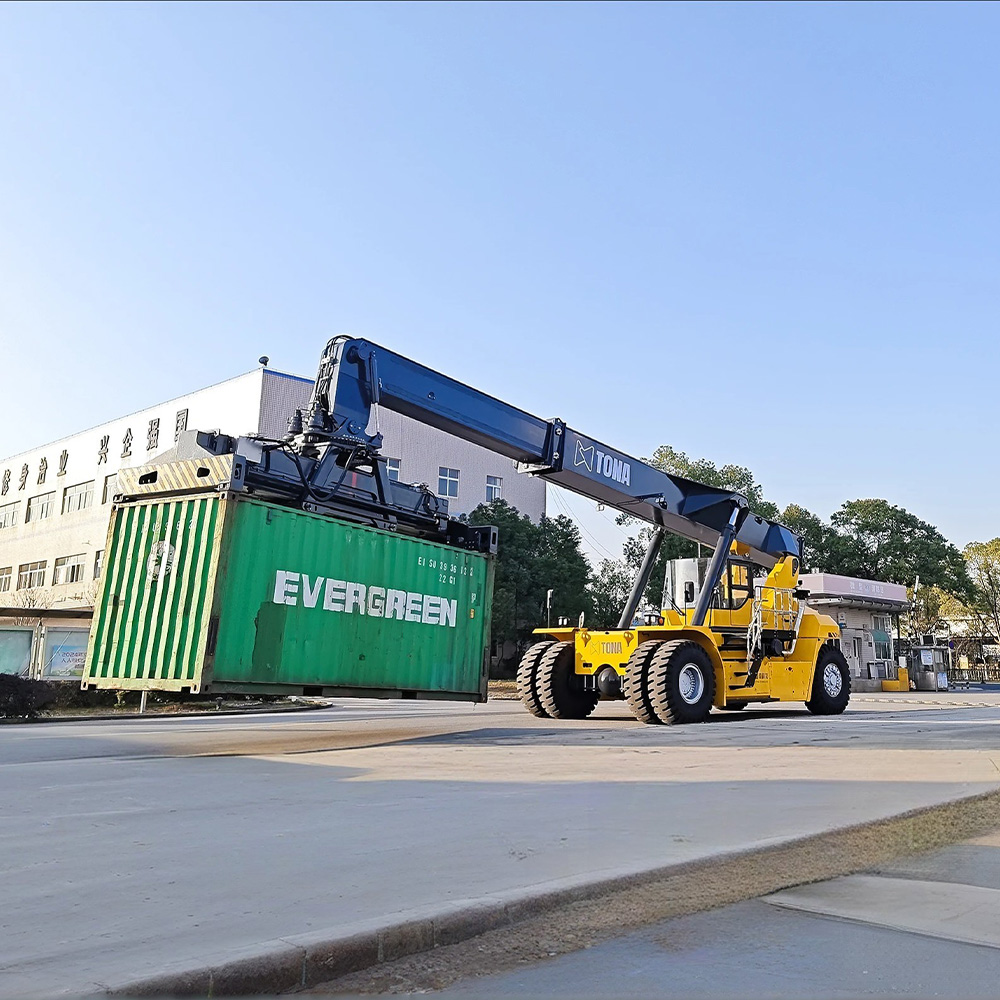
Automated systems are commonly used in large-scale ports, intermodal terminals, distribution centers, and airports. These systems are integral to streamlining the unloading process, particularly in high-volume environments. In ports, for instance, the combination of automated systems with equipment like reach stackers helps improve the flow of containers, reducing congestion and delays.
Core Components of an Automated Container Unloading System
An automated container unloading system is composed of several key components, each playing a crucial role in the seamless operation of the system. These components work in harmony to detect, transport, and sort cargo as it moves from the container to its next destination.
Mechanical Structure
The mechanical structure of an automated unloading system includes components such as conveyors, rollers, gantries, and robotic arms. These elements help move containers and their contents from the unloading point to the sorting area. Robotic manipulators and end-effectors are designed to lift and transfer cargo with precision, ensuring smooth operations and reducing the risk of damage to goods.
Sensor and Vision Technology
Vision technology plays a critical role in automated unloading. Cameras, optical character recognition (OCR) systems, and weight sensors are used to scan and identify containers and their contents. These technologies provide the system with real-time data, allowing for accurate sorting and tracking of goods as they are unloaded from the container.
Control Systems and Software
Control systems, such as Programmable Logic Controllers (PLC) and Terminal Operating Systems (TOS), orchestrate the operation of the entire system. These systems integrate sensor data, control movements, and coordinate with warehouse management systems to ensure that cargo is unloaded, sorted, and delivered to the correct destination without delays.
Integration with Handling Equipment
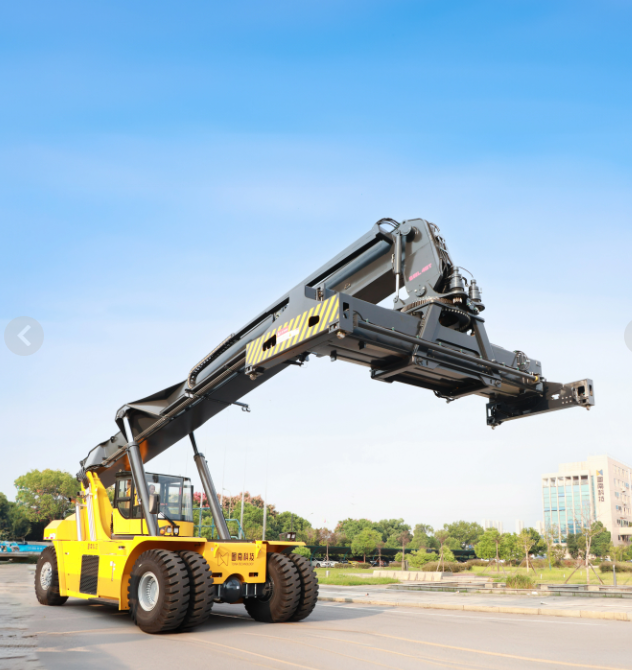
Automated systems are often integrated with other types of material handling equipment, such as reach stackers and cranes. These machines work in conjunction with automated unloading systems to ensure that containers are efficiently moved from unloading areas to storage or transport zones. The reach stacker plays a key role in lifting and stacking containers once they have been unloaded.
How Automated Container Unloading Systems Work
Automated container unloading systems operate through a series of well-coordinated processes, from cargo detection to movement and sorting. Below is an overview of how these systems function to optimize the unloading process.
Detection and Identification
The first step in the automated unloading process is the detection and identification of cargo. Sensors and cameras scan containers to gather information about their contents, including dimensions, weight, and type of goods. This data is essential for the system to plan the most efficient unloading process.
Robotic Grasping and Extraction
Once the cargo has been identified, robotic arms or manipulators equipped with grippers or vacuum suction devices are used to extract items from the container. These robotic systems are designed to handle a wide range of goods, from small packages to large and heavy pallets. Vacuum suction is often employed for delicate or irregularly shaped items that require a non-invasive method of extraction.
Material Movement to Conveyors
After the goods are grasped, they are moved onto conveyors or roller systems that transport them further along the unloading process. This ensures that cargo is efficiently transferred from the container to the sorting or storage area, reducing handling time and increasing throughput.
Sorting and Downstream Handling
As cargo moves along conveyors, it is sorted according to predefined criteria such as size, weight, or destination. Automated sorting systems work in tandem with warehouse management software to direct items to the appropriate storage area or delivery route. This stage ensures that goods are efficiently stored or dispatched, contributing to the overall speed and accuracy of the operation.
Interaction with Terminal Operating Systems
The entire process is orchestrated by Terminal Operating Systems (TOS) that communicate with other systems in the facility. These systems track the movement of containers, providing real-time updates and ensuring smooth coordination between unloading, sorting, and storage.
Key Technologies Powering Automation
Several cutting-edge technologies power automated container unloading systems, ensuring high efficiency, accuracy, and safety. These technologies are vital in enabling automation to perform at optimal levels.
Robotics and AI
Robotic arms and artificial intelligence are at the heart of automated unloading systems. AI-powered systems enable robots to recognize and adapt to different types of cargo, improving handling accuracy. AI also plays a significant role in optimizing the unloading process, enabling systems to predict and adapt to changes in cargo type or container layout.
Sensor Fusion and Safety Systems
Sensor fusion technology combines data from various sensors, such as cameras, weight sensors, and proximity detectors, to create a comprehensive understanding of the environment. These sensors work together to enhance the safety of the system, preventing accidents and ensuring that automated processes run smoothly.
Conveyor and Motion Control
Advanced motion control systems manage the precise movements of conveyors and robotic systems. These systems ensure that cargo is transported efficiently without causing damage or delays. Motion control also plays a critical role in maintaining the speed and accuracy of unloading operations.
Benefits of Automated Container Unloading
The implementation of automated container unloading systems offers numerous advantages, transforming the logistics industry by improving efficiency and reducing operational costs.
Increased Efficiency and Throughput
Automated systems significantly reduce the time required to unload containers, increasing throughput and allowing for faster turnaround times. This is especially beneficial in high-volume ports and warehouses where efficiency is critical to maintaining supply chain operations.
Reduced Labor and Costs
With automation, the reliance on manual labor is reduced, lowering operational costs and minimizing the risks associated with human error. Automation also helps businesses avoid labor shortages, which can disrupt operations during peak times.
Improved Safety and Ergonomics
Automated systems handle the heavy lifting and repetitive tasks traditionally performed by workers, reducing the risk of injuries. This leads to a safer work environment and better ergonomics for employees, especially in physically demanding roles.
Better Space Utilization and Accuracy
Automated systems enable more precise handling and storage of goods, leading to better space utilization within warehouses and terminals. They also minimize the risk of inventory errors, improving stock accuracy and reducing losses due to misplacement.
Challenges and Considerations
While automated container unloading systems offer numerous benefits, there are still challenges to consider when implementing these technologies.
Upfront Investment
The initial cost of installing an automated unloading system can be high. However, the long-term return on investment (ROI) is significant due to the reduction in labor costs and increased operational efficiency.
System Integration
Integrating automated systems with existing infrastructure and legacy equipment can be challenging. Businesses must ensure that their systems are compatible with other warehouse management technologies to avoid disruptions.
Variability in Cargo Types
Automated systems must be adaptable to different types of cargo. Irregularly shaped or fragile goods may require specialized handling techniques, which can complicate the automation process.
The Role of Traditional Equipment
Despite the rise of automation, traditional equipment like reach stackers still plays a crucial role in container handling operations. These machines are used for lifting and stacking containers that may not be directly handled by automated systems.
Where Reach Stackers Still Matter
Reach stackers are still essential in handling containers that require manual intervention or in situations where automated systems cannot operate efficiently. They complement automated unloading systems by providing flexibility in container handling and storage.
Hybrid Operations
Many operations combine automated systems with traditional equipment to maximize efficiency. Hybrid operations allow businesses to maintain flexibility while benefiting from the advantages of automation.
Future Trends
The future of automated container unloading systems looks promising, with ongoing advancements in robotics, AI, and sensor technology. These innovations will continue to enhance the speed, accuracy, and adaptability of automated systems, making them even more integral to logistics and supply chain operations.
Conclusion
Automated container unloading systems are reshaping the logistics industry by offering faster, safer, and more efficient ways to handle cargo. With advancements in robotics, AI, and sensor technology, these systems are set to play a crucial role in modernizing the global supply chain. As businesses continue to invest in automation, the benefits of these systems will become even more apparent, helping to streamline operations and reduce costs.
Related Blogs
-
 Container unloading is a crucial step in the logistics and supply chain industry. The right choice of unloading equipment can significantly impact the efficiency and cost-effectiveness of operations. This article will explore various types of container unloading equipment
 -
 Automated container unloading systems are revolutionizing the logistics and warehousing industries by improving efficiency and safety. These systems, equipped with advanced robotics and sensors, replace manual labor, streamlining the process of unloading cargo from containers.hot blog
 -
 What are the Advantages of Container Unloading Systems?IntroductionAs global trade continues to expand, so does the demand for faster, more efficient logistics solutions.hot blog