
Container unloading is a crucial step in the logistics and supply chain industry. The right choice of unloading equipment can significantly impact the efficiency and cost-effectiveness of operations. This article will explore various types of container unloading equipment, with a focus on the reach stacker, to help you determine which option provides the best return on investment.
What Is Container Unloading Equipment?
Container unloading equipment refers to machines and tools used to offload goods from shipping containers to storage areas, trucks, or warehouses. These machines are essential for improving speed, reducing manual labor, and increasing safety in unloading operations. Container unloading equipment can range from simple manual tools to high-tech automated systems.
Broadly, container unloading equipment can be categorized into three types: manual, mechanized, and automated systems. Each type offers different benefits, costs, and suitability for various operational scales.
Key Factors in Determining Cost-Effectiveness
When choosing container unloading equipment, it’s essential to evaluate not only the initial purchase price but also the long-term costs. Here are some key factors to consider when determining the cost-effectiveness of the equipment:
Initial Investment: The upfront cost of purchasing or leasing the equipment, which varies widely between manual and automated systems.
Labor Requirements: While manual methods typically require more labor, mechanized and automated systems reduce the need for a large workforce, thereby lowering long-term operational costs.
Speed and Efficiency: Faster unloading operations mean more containers can be processed in less time, improving overall throughput and reducing the cost per unit handled.
Maintenance and Operational Costs: Machines with higher initial costs, such as automated systems, might have higher maintenance requirements. Understanding the total cost of ownership is key.
Safety: Equipment that reduces the risk of accidents or damages during unloading can prevent costly safety incidents and improve operational efficiency.
Types of Container Unloading Equipment
Manual Methods
Manual unloading involves using basic hand tools such as pallet jacks, carts, and forklifts for moving goods from containers. This method is often used for smaller volumes or when budgets are limited. While it requires low initial investment, it comes with significant labor costs and slower unloading speeds. It is ideal for low-volume operations but is not as scalable or efficient as mechanized alternatives.
Traditional Mechanized Equipment
Mechanized equipment includes forklifts, cranes, and other machines designed to speed up unloading tasks. For example, forklifts are widely used for moving pallets within warehouses, while cranes are more suited for unloading large, heavy containers. These solutions strike a balance between cost and speed but are still dependent on operators and require maintenance and fuel costs. Forklifts, while effective, are slower than automated systems but are often more affordable for medium-sized operations.
Automated and Semi-Automated Systems
Automated systems like robotic unloaders and conveyor belts can handle high volumes with minimal human intervention. These systems often have a higher initial cost but can provide faster unloading times, improving overall throughput and reducing labor costs in high-volume settings. Automated systems are best suited for large-scale operations and ports with high container turnover. However, the high capital expenditure and specialized maintenance can make them less cost-effective for smaller operations.
Focus: Reach Stacker — A Cost-Effective Solution
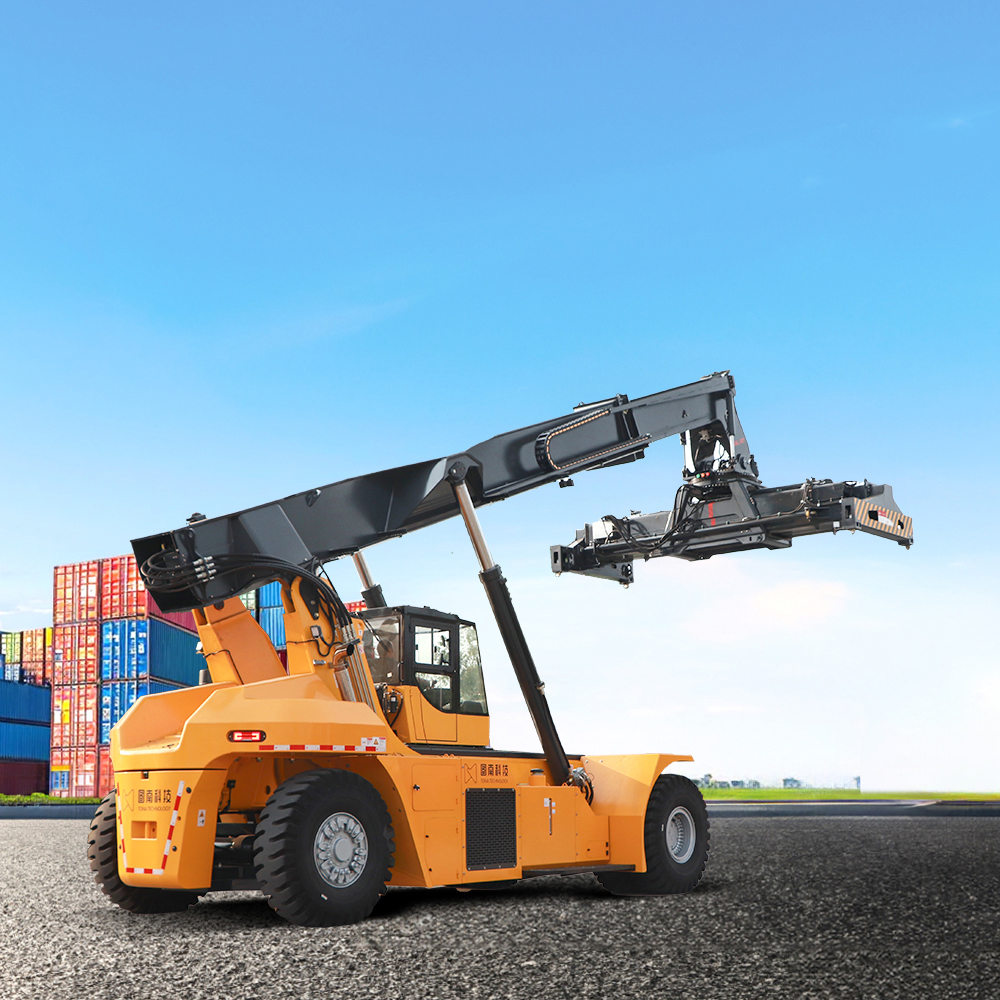
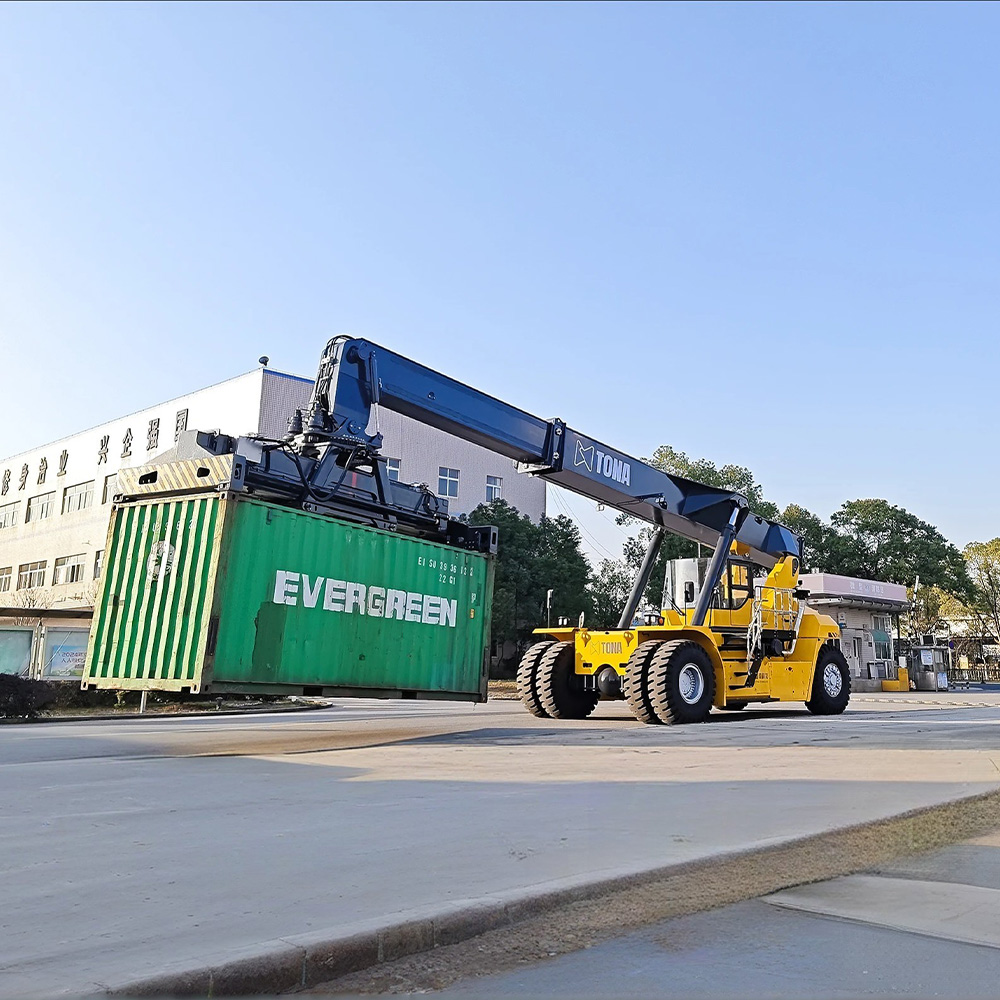
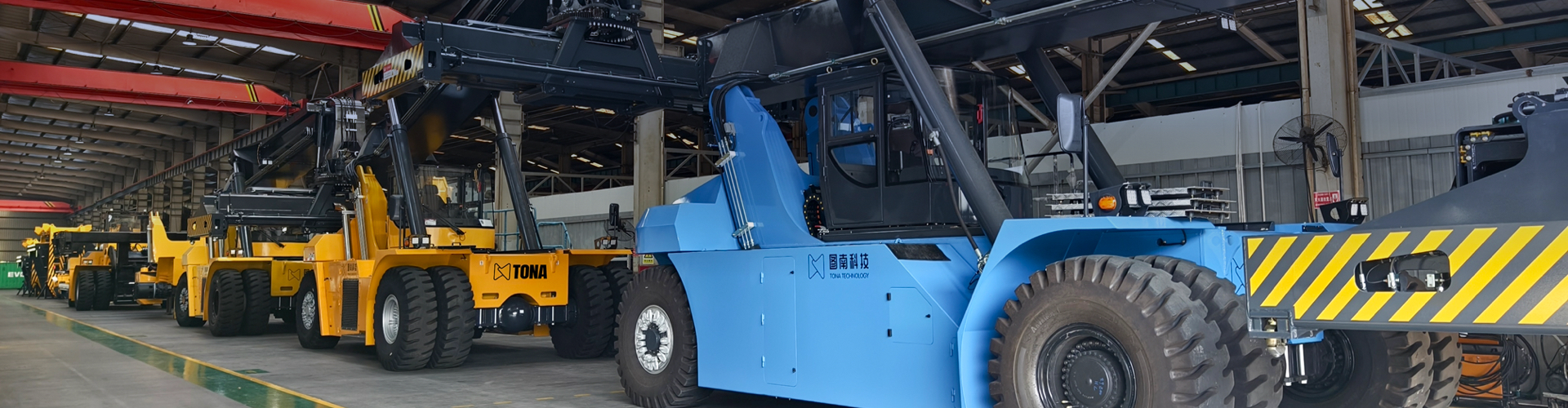
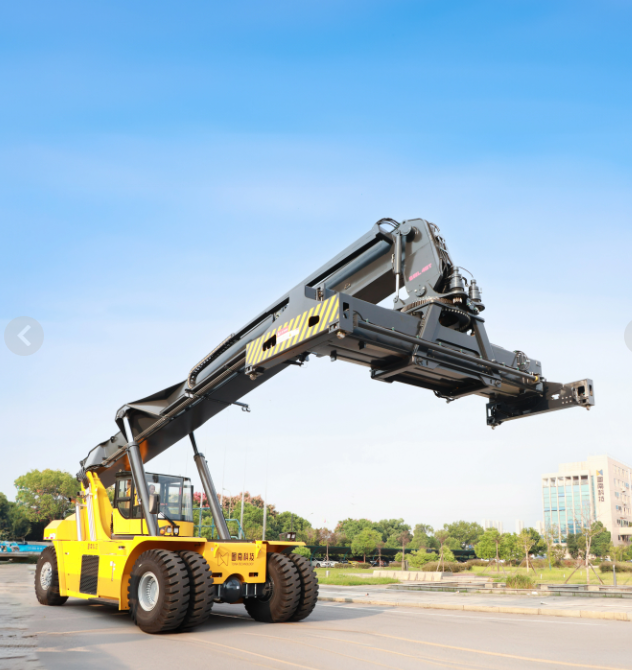
The reach stacker is a versatile piece of equipment that is increasingly popular in container unloading operations. This machine is designed to lift and stack containers efficiently, offering excellent mobility and flexibility within container yards and warehouses.
Advantages of Reach Stackers
Reach stackers are known for their high mobility and ability to handle containers in tight spaces, making them an ideal choice for mid-sized container yards. The reach stacker’s ability to lift and stack containers up to several rows high makes it more efficient than basic forklifts, allowing operators to store more containers in a smaller area. This equipment is perfect for locations with limited space or variable container sizes.
Cost-Effectiveness of Reach Stackers
One of the primary reasons reach stackers are considered cost-effective is their balance between purchase price and operational efficiency. While they are more expensive than basic forklifts, they are much cheaper than large cranes or fully automated systems. Reach stackers offer a strong return on investment, as they can handle large containers efficiently without requiring extensive infrastructure or a large workforce.
Additionally, reach stackers are known for their lower maintenance costs compared to high-tech automated systems, making them a more sustainable long-term solution for many logistics companies. Their versatility also reduces the need for multiple pieces of equipment, further contributing to cost savings.
Comparing Popular Unloading Equipment
| Equipment Type | Initial Cost | Speed | Flexibility | Best Use Case |
|---|---|---|---|---|
| Manual Labor | Low | Slow | High | Low-volume operations |
| Forklift | Medium | Medium | Medium | Small warehouses |
| Reach Stacker | Medium | High | High | Mid-sized terminals |
| Cranes (STS/Gantry) | High | Very High | Low | Large ports |
| Automated Systems | Very High | Very High | Medium | High-volume logistics |
How to Choose the Right Container Unloading Equipment
Choosing the right container unloading equipment involves balancing cost, efficiency, and operational needs. Consider these steps:
Assess Your Container Volume and Throughput Needs: Large operations require faster equipment, while smaller companies may benefit from more affordable, slower machines.
Evaluate Budget vs. Projected Labor Savings: The total cost of ownership includes more than just purchase costs. Factor in labor savings over time.
Match Equipment with Facility Size: Consider the size of your yard or warehouse and whether the equipment will need to navigate tight spaces.
Include Safety and Maintenance Considerations: Choose equipment that reduces accident risks and lowers long-term maintenance expenses.
Conclusion
When considering container unloading equipment, cost-effectiveness depends on the specific needs of your operation. While manual methods might work for small-scale operations, mechanized systems like reach stackers strike a good balance between cost and efficiency for mid-sized operations. Automated systems, though faster, may not always provide the best return on investment for every company.
By carefully evaluating your operational needs, budget, and long-term goals, you can select the most cost-effective solution for your business, ensuring improved performance, safety, and profitability in your container unloading operations.
Related Blogs
-
 Container unloading is a crucial step in the logistics and supply chain industry. The right choice of unloading equipment can significantly impact the efficiency and cost-effectiveness of operations. This article will explore various types of container unloading equipment
 -
 Automated container unloading systems are revolutionizing the logistics and warehousing industries by improving efficiency and safety. These systems, equipped with advanced robotics and sensors, replace manual labor, streamlining the process of unloading cargo from containers.hot blog
 -
 What are the Advantages of Container Unloading Systems?IntroductionAs global trade continues to expand, so does the demand for faster, more efficient logistics solutions.hot blog