
Introduction
Moving a container without a forklift can seem daunting. But what if you could do it more efficiently and affordably? In many situations, forklifts are impractical due to high costs or space constraints. In this article, we’ll explore alternative solutions for moving containers without forklifts, including methods like the reach stacker, lifting jacks, and more. You’ll learn the best techniques for a safe and cost-effective container move.
Why Move a Container Without a Forklift?
Limitations of Forklifts in Certain Scenarios
Forklifts are an essential tool in many logistics operations, but they are not always the best choice for every situation. One of the primary drawbacks of forklifts is their high cost. Renting or purchasing forklifts can be expensive, particularly for operations that only occasionally need to move containers. Additionally, forklifts require sufficient space to maneuver, which can be challenging in tight or confined spaces. For example, if you are working on a construction site or in a remote location with limited access, using a forklift may not be feasible.
Moreover, terrain plays a significant role in forklift usability. Forklifts work best on smooth, level surfaces, making them unsuitable for rough, uneven, or soft ground. In such cases, alternatives that can handle various terrains are necessary for safe container movement.
Benefits of Moving Containers Without Forklifts
The key benefit of moving containers without forklifts is cost-effectiveness. Forklift alternatives such as container lifting jacks, winches, and skates provide affordable solutions for container movement, especially when forklifts are not viable. These alternatives are also much more versatile. They allow for greater access to tight spaces and rugged terrains where a forklift may not fit or function correctly. Furthermore, without the need for specialized operators, the process can be streamlined, allowing even small teams to handle container movement efficiently.
Alternative Methods for Moving Containers Without a Forklift
Container Lifting Jacks
Container lifting jacks are one of the most versatile tools for lifting and moving containers without forklifts. These jacks can lift containers off the ground, making them ideal for tight spaces and low-volume operations. Their compact and portable design allows them to be used in areas where large equipment like forklifts may not fit. Additionally, container lifting jacks are often more affordable and easier to transport, making them a practical choice for smaller operations or one-time moves.
Lifting jacks are designed to raise containers evenly from each corner, ensuring stability throughout the lifting process. Once the container is lifted, it can be moved short distances manually or with the help of other tools, such as skates or dollies.
Roll-Off Trucks
Roll-off trucks are another option for moving containers without a forklift. These trucks have hydraulically tilting beds that allow containers to be rolled off onto the ground or onto a flat surface. This method is highly effective for short-distance moves and is especially useful for transferring containers from one location to another without the need for a forklift.
Roll-off trucks are commonly used in scenarios where containers need to be loaded or unloaded at ground level. The ability to tilt the truck bed and lower the container to the ground provides an easy and efficient solution for container relocation, particularly in areas with limited access for large machinery.
Method | Description | Pros | Cons |
Container Lifting Jacks | Compact, portable tools for lifting containers. | Affordable, easy to use in tight spaces. | Not suitable for long-distance moves. |
Roll-Off Trucks | Trucks with hydraulically tilting beds. | Efficient for loading/unloading. | Best for short distances, not versatile. |
Skates and Rollers | Manual tools to slide containers. | Ideal for repositioning in tight spaces. | Requires flat ground, not for heavy containers. |
Hitch Systems | Towing containers with vehicles. | Great for long-distance moves. | Requires vehicles and appropriate surface. |
Skates and Rollers
When it comes to moving containers over short distances, skates and rollers are often the simplest and most cost-effective solution. These tools consist of flat platforms with wheels or rollers that allow containers to be manually pushed or pulled. Once a container is lifted slightly off the ground, skates or rollers can be positioned beneath the container, allowing it to be moved across hard, level surfaces.
Skates and rollers are particularly useful in confined spaces where traditional machinery may not fit. While the process is manual, it is still highly effective for repositioning containers within a specific area.
Hitch Systems
Hitch systems offer an excellent way to move containers over larger distances without a forklift. By connecting a vehicle to a dolly setup, containers can be towed across a site or along roads. This method is ideal for larger, more flexible moves where using forklifts or cranes would be too cumbersome.
The hitch system is designed to attach to the container, allowing it to be pulled by a vehicle. This setup is highly effective when combined with other tools such as skates or rollers, enabling the container to be moved quickly and safely. Hitch systems are especially useful in construction sites or locations where other forms of transport are not available.
Step-by-Step Guide: How to Move a Container Without a Forklift
Preparation Before Moving
Before attempting to move a container, it is essential to prepare the site and inspect the container. Clear any obstacles from the path to ensure there is enough space for movement. Make sure the surface is stable, and consider laying down plywood or other materials if the ground is soft or uneven. Also, check the container for any damage and confirm that it is balanced to avoid tipping during the move.
Lifting the Container
Use container lifting jacks to raise the container evenly. Lift each corner of the container and make sure it remains stable throughout the process. Once the container is lifted, ensure that the lifting equipment is positioned correctly to avoid any accidental tilting or movement. If the container is to be moved over a longer distance, skates or rollers should be placed under the container.
Step | Action | Tool/Equipment Needed |
1. Preparation | Inspect container and clear the path. | No equipment needed |
2. Lifting the Container | Use lifting jacks to raise the container. | Container Lifting Jacks |
3. Moving the Container | Use winches, skates, or vehicles to move. | Winches, Skates, Hitch System |
4. Setting the Container | Lower container gently into the desired spot. | Lifting Jacks |
Moving the Container
Once the container is lifted, it can be moved manually or with the assistance of a vehicle or winch. If using skates or rollers, carefully push or pull the container to its destination. If using a hitch system, connect the container to a vehicle and tow it slowly, making sure to keep the container steady and aligned.
Tips for a Successful and Safe Container Move
Proper Planning
Planning is crucial when moving a container. Make sure the path is clear, and ensure that the equipment being used is in good condition. Check for any potential obstacles along the way, such as overhead wires or uneven ground, and take the time to inspect the tools for proper functionality.
Work in Teams
If possible, work in teams to increase safety and efficiency. Having multiple people involved ensures better control over the container and helps with communication during the move. Clear communication is essential for a smooth and safe container move.
Safety First
Always wear proper safety gear, such as gloves, steel-toed boots, and high-visibility vests. Ensure that everyone involved in the move is trained on safety procedures, and use spotters to guide the move when necessary.
Tip | Description |
Clear the Path | Ensure the path is free from obstacles before starting the move. |
Use Proper Equipment | Use tools suitable for the terrain and weight of the container. |
Work in Teams | Teamwork ensures the move is safe and efficient. |
Monitor Container Stability | Always check for stability to prevent tipping or shifting. |
When to Seek Professional Help
Some container moves may require specialized equipment or expertise. If the move involves heavy, loaded containers or takes place in a challenging environment, it may be best to hire professional movers. They have the necessary equipment and experience to handle complex moves safely and efficiently.
Conclusion
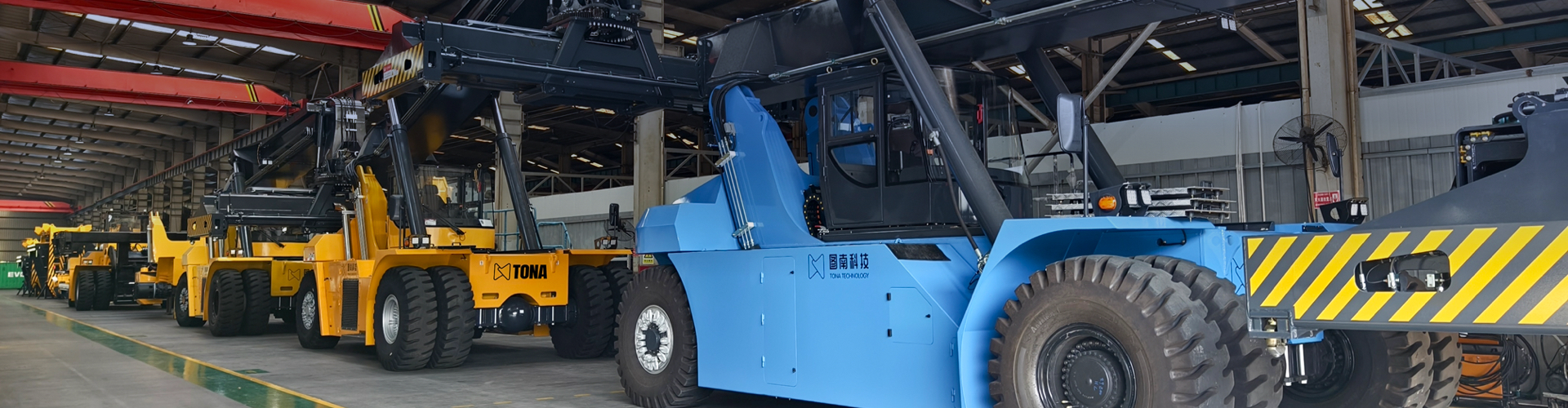
Moving a container without a forklift is achievable with the right equipment and methods. Solutions like container lifting jacks, skates, and hitch systems provide flexible and cost-effective options. These methods ensure safety and efficiency, even in tight spaces or uneven terrain. By preparing the area properly and using suitable tools, you can move containers without relying on a forklift. Hunan Tona Machinery Technology Co., Ltd. offers high-quality equipment that supports safe and efficient container handling, delivering value with its innovative solutions.
FAQ
Q: Can I move a container without a forklift?
A: Yes, tools like container lifting jacks, skates, and hitch systems can help move containers without a forklift.
Q: How does a reach stacker help in moving containers without a forklift?
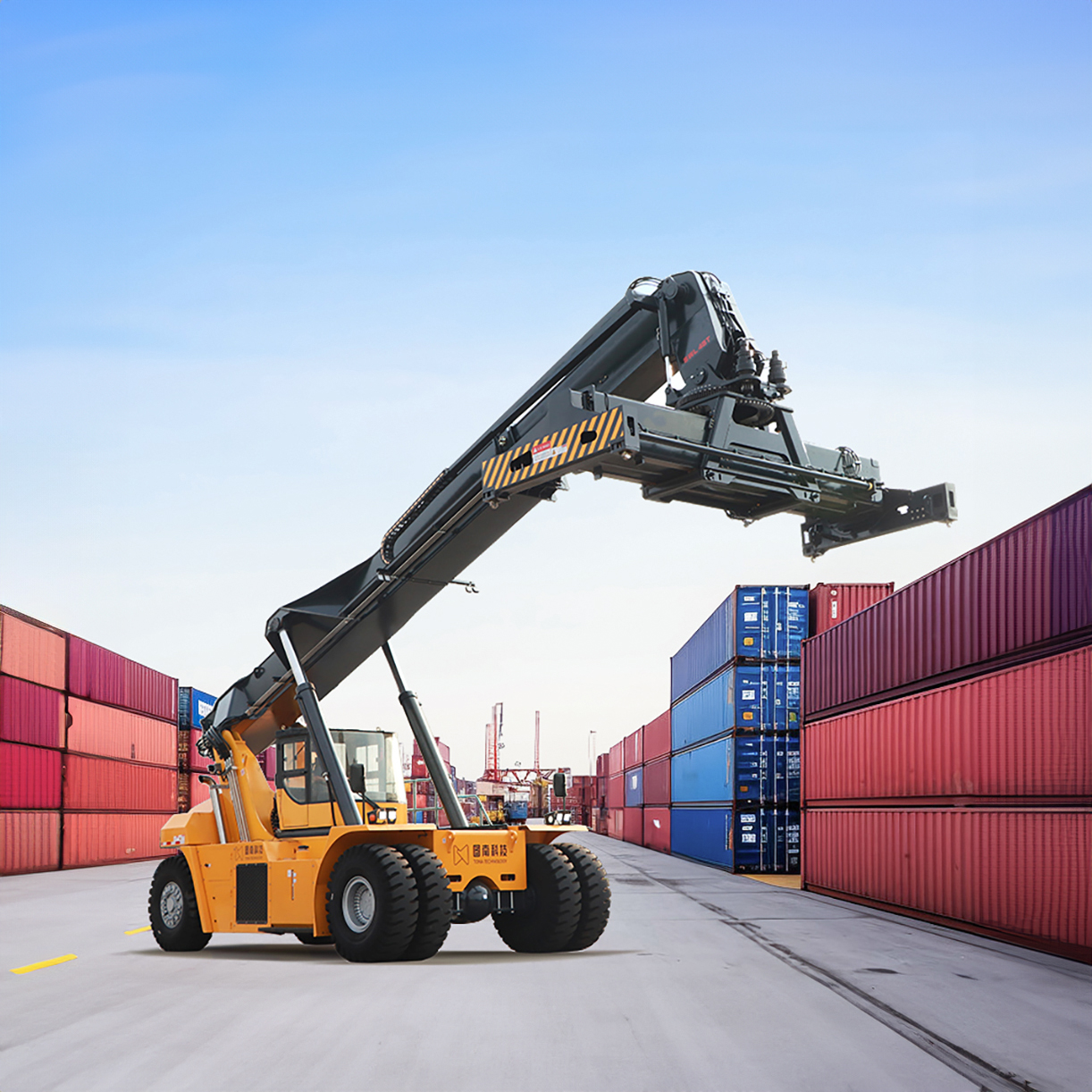
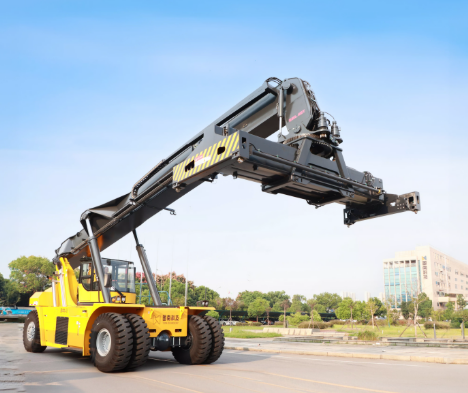
A: A reach stacker is an efficient alternative for moving containers, especially in tight spaces or when forklifts are impractical.
Q: What is the best method for short-distance container moves without a forklift?
A: For short moves, container lifting jacks and skates are ideal as they are cost-effective and allow precise control.
Q: When should I use a reach stacker instead of other tools?
A: A reach stacker is perfect when you need to stack containers or move them over longer distances with higher capacity.
Q: What are the benefits of using a reach stacker for container handling?
A: Reach stackers provide quick container movement, flexibility, and can handle containers in confined spaces with high stacking capacity.
Related Blogs
-
 If you’re wondering what is reach stacker, it’s a powerful vehicle designed to lift, move, and stack large shipping containers. You’ll often spot a reach stacker at ports, container terminals, and storage yards.hot blog
 -
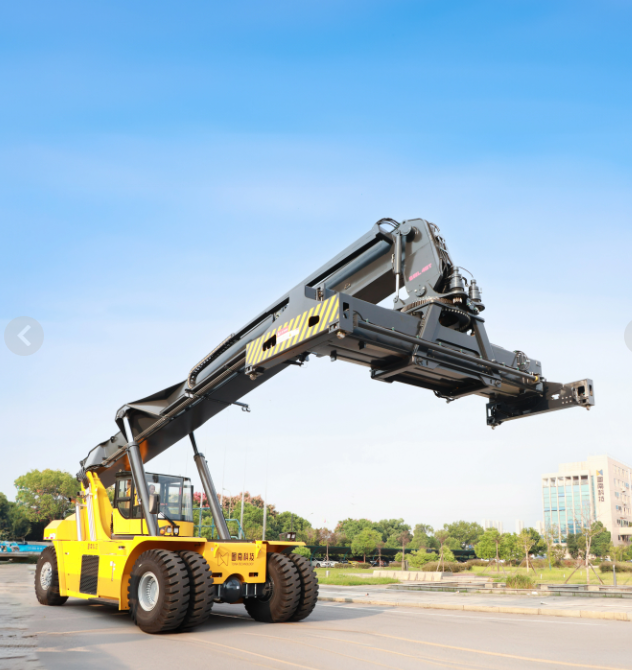 Reach stackers, also known as container handlers or intermodal handlers, are essential machines in material handling and logistics. They are equipped with a telescopic boom that allows for efficient lifting and stacking of containers at various heights. While reach stacker is the most common term, alternatives like container stacker and stacking crane emphasize different functionalities. The choice of terminology often depends on regional preferences, specific applications, or the machine's capabilities. Understanding these terms helps businesses select the right equipment for their operations. Whether lifting or stacking, reach stackers optimize container handling in ports, warehouses, and rail yards.
 -
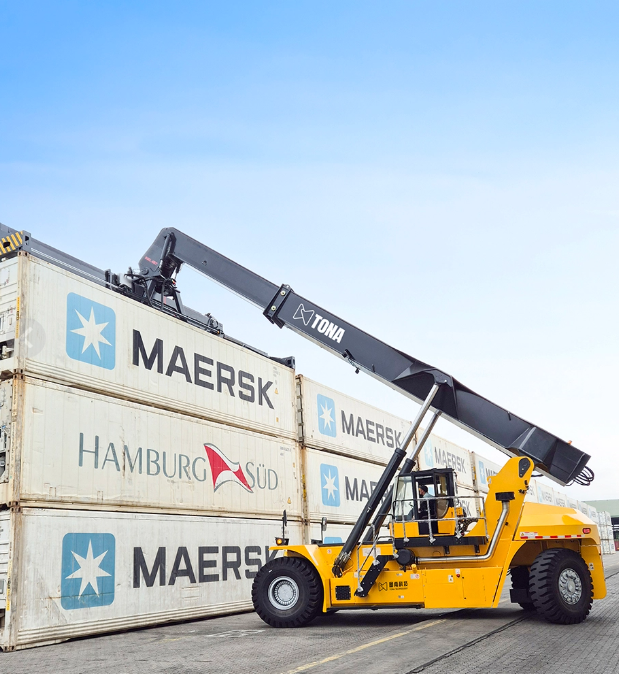 This article compares container handlers and reach stackers, two essential machines for container handling. It outlines their differences, including storage capacity, selectivity, and manoeuvrability. Container handlers excel in speed and efficiency for quick access to containers in narrow spaces, while reach stackers are ideal for maximizing storage density by stacking containers in multiple rows. The article discusses lifting capacities, cost considerations, and ROI for both machines, helping businesses choose the best option based on their specific needs. Reach stackers are recommended for operations focused on optimizing space, whereas container handlers are better for quick and efficient container movement.