
Are container unloading services available 24/7?
When a container arrives late at night, during a holiday, or outside your warehouse receiving window, the real question is not just “Can someone unload it?”—it’s “Can someone unload it right now without disrupting safety, scheduling, and cost?” In many markets, container unloading services can be arranged around the clock, but “24/7” can mean different things depending on the provider’s coverage, staffing model, and the operational rules at your facility.
Why 24/7 availability matters for modern logistics
Import and domestic distribution schedules are increasingly tight. Delays can trigger a chain reaction: missed appointments, overtime costs, storage congestion, and penalties such as detention or demurrage. A 24/7-capable service model helps shippers and warehouses:
Reduce dwell time by unloading as soon as freight arrives.
Protect service levels when inbound timing shifts unexpectedly.
Keep production, fulfillment, and retail replenishment on schedule.
Handle peak-season surges without permanent headcount increases.
The practical answer: yes—under specific conditions
In reality, 24/7 container unloading services are common in port-adjacent hubs, high-volume 3PL corridors, and cities with strong labor networks. However, availability depends on three layers of “yes”:
Dispatch availability: Can you book or reach a coordinator 24/7?
Crew availability: Can a team arrive at night, weekends, and holidays?
Site availability: Can your facility legally and operationally receive and unload at that time?
Many providers offer 24/7 booking but require lead time for the actual labor deployment. Others truly support after-hours unloading, but only where they have consistent coverage and where the receiving site can accommodate it.
What “24/7 container unloading services” typically include
After-hours doesn’t only mean “hands on boxes.” A professional unloading plan usually includes a bundle of tasks designed to keep operations accurate and safe:
Container devanning: Floor-loaded cartons or mixed freight unloading.
Sorting & staging: SKU segregation, zone staging, and put-away prep.
Palletizing & stabilization: Building pallets, stretch wrapping, corner boards, and banding as needed.
Restacking & load correction: Reworking collapsed stacks or rebalancing unstable freight.
Cross-dock / transload support: Moving freight into outbound trailers or staging lanes.
Documentation support: Piece counts, discrepancy notes, damage photos, and seal checks.
For buyers, the most important detail is whether the service includes supervision and reporting—not only labor—especially when unloading occurs outside normal office hours.
Where 24/7 unloading is most commonly available
You’re more likely to find genuine 24/7 coverage in locations that already run multi-shift logistics:
Port and rail drayage corridors: High container density creates consistent demand.
Large 3PL clusters: Facilities designed for around-the-clock receiving and shipping.
Retail and e-commerce distribution regions: High-volume replenishment cycles often require night work.
Food and temperature-sensitive supply chains: Time windows can be critical for quality and compliance.
If your facility is outside major freight corridors, 24/7 may still be possible—but typically with more notice or higher minimum charges.
What can prevent true 24/7 unloading (and how to solve it)
Even if the provider can dispatch a crew at 2:00 a.m., your operation may still be the limiting factor. Common blockers include:
Restricted receiving hours: Security rules, staffing, or landlord constraints may limit access.
Noise or neighborhood limitations: Some areas restrict late-night dock activity.
Appointment-only gates: Yards and buildings may require scheduled arrival slots.
Safety and compliance requirements: PPE rules, training, and certifications must be met.
Equipment readiness: No available forklifts, dock plates, or staging space can stall unloading.
Best practice: Treat 24/7 unloading as a coordinated workflow: access approval + dock readiness + labor + equipment + documentation.
How to confirm a provider is actually 24/7 (buyer checklist)
Before you select a partner, verify details that define real operational support—not just marketing language:
Response time: What is the guaranteed window for night or weekend dispatch?
Lead time policy: Same-day, 24-hour notice, or scheduled blocks only?
Minimum charges: Minimum hours, call-out fees, and overtime rules for after-hours work.
Scope clarity: Unload-only vs unload + palletizing + sorting + wrap + reporting.
Supervision model: Is there an on-site lead or documented chain of responsibility?
Insurance and compliance: Proof of coverage and safety procedures for your facility requirements.
Damage handling: How discrepancies and damages are recorded and escalated.
This checklist also helps you compare providers fairly when pricing looks similar but service definitions differ.
Where “reach stacker” fits into 24/7 container operations
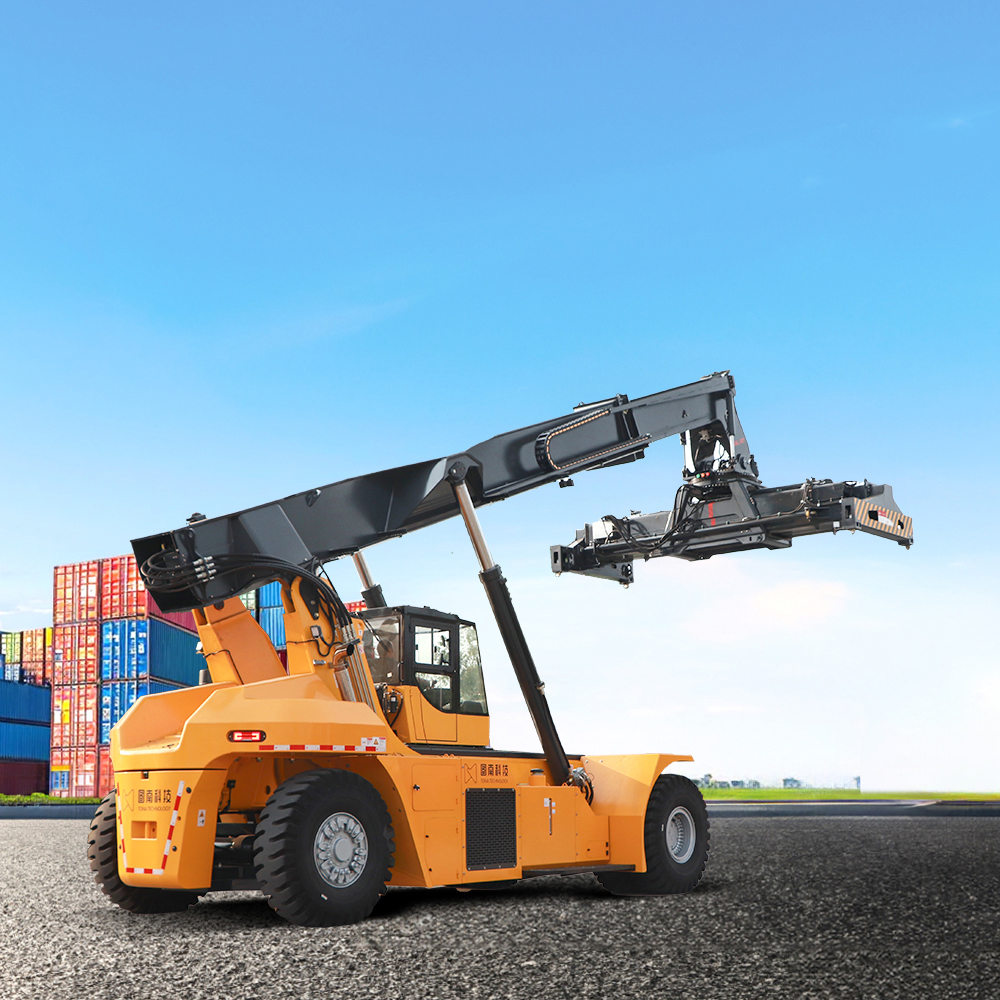
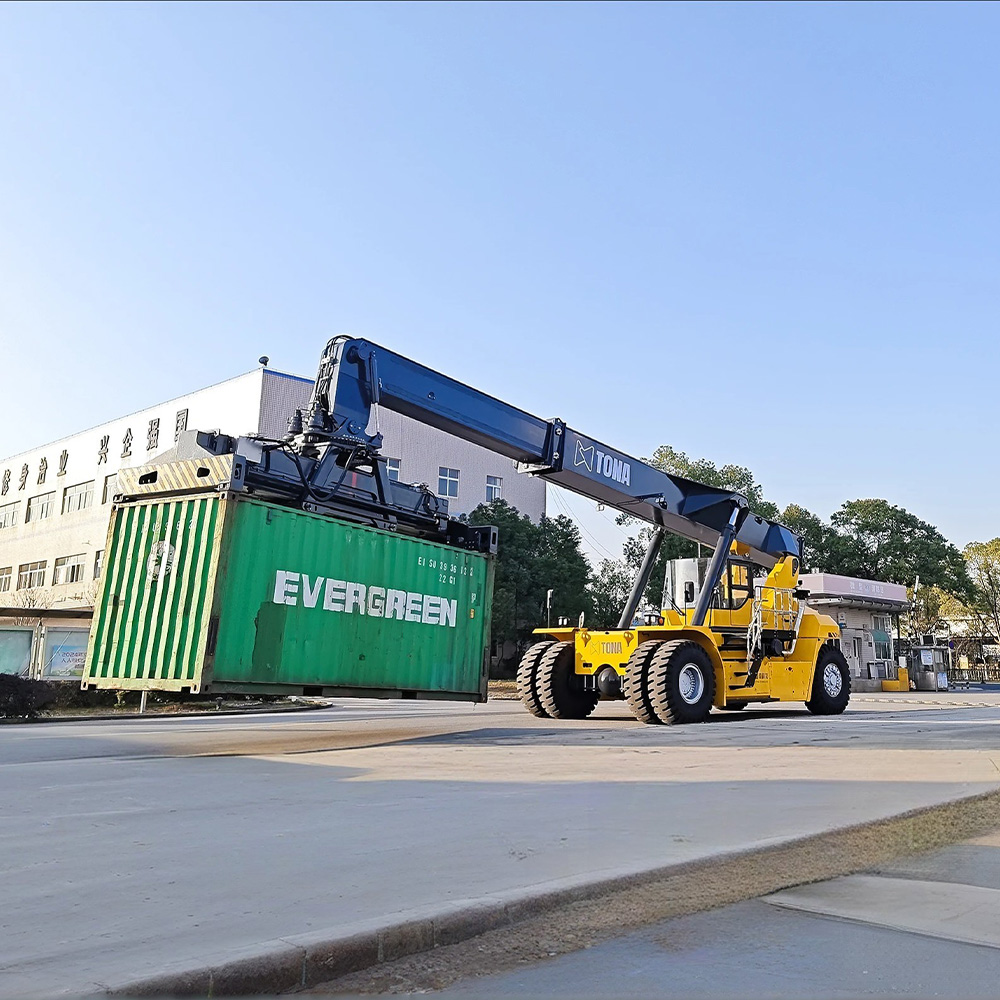
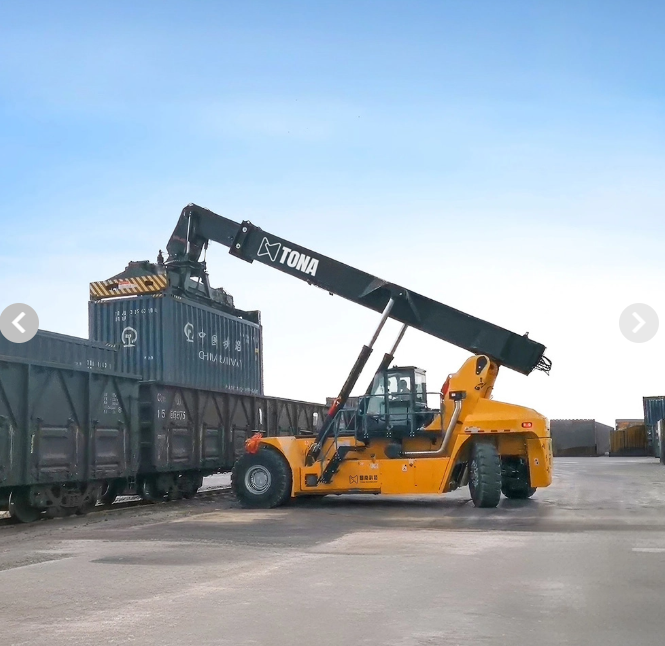
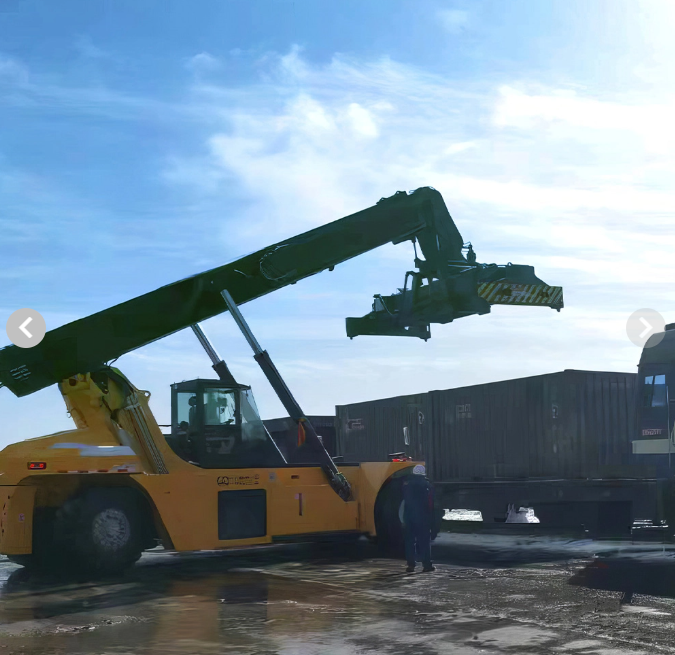
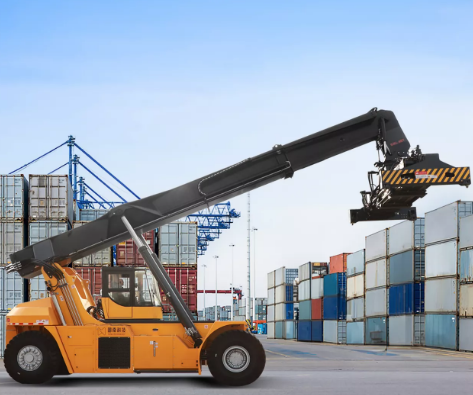
Many buyers associate unloading with warehouse labor, but container logistics often requires yard handling too. A reach stacker is most relevant when you need to move, position, or stack containers within a yard or terminal-style environment. It can support 24/7 workflows by:
Repositioning containers: Moving units to the correct dock area or staging line.
Container stacking: Efficiently organizing boxes when space is limited.
Chassis-to-ground transfers: Placing containers for later unloading when dock doors are occupied.
Reducing bottlenecks: Keeping trailers and docks flowing when inbound timing is unpredictable.
If your site uses a reach stacker, plan for night operations by confirming operator availability, visibility and lighting requirements, safe traffic lanes, and spotter rules. For facilities without a yard-handling program, unloading may rely more on dock scheduling and internal equipment such as forklifts and pallet jacks.
Pricing realities for 24/7 container unloading services
After-hours support often comes with premiums. The cost structure typically reflects the labor intensity, risk, and scheduling constraints. Key cost drivers include:
Time of service: Nights, weekends, and holidays generally increase labor rates.
Freight condition: Floor-loaded, mixed SKUs, fragile goods, or unstable stacks take longer.
Volume and speed expectations: Faster turnarounds may require larger crews or added supervision.
Minimum call-out blocks: Many providers require minimum hours even for smaller jobs.
Extra handling: Palletizing, wrapping, sorting, labeling, and rework add to scope.
To control after-hours costs, prepare the dock like a “pit stop”: clear staging space, pre-stage pallets and wrap, define your sorting rules, and ensure equipment is charged and ready.
Night-shift safety and quality controls
Safety is non-negotiable—especially when fatigue and low visibility increase risk. A professional 24/7 unloading plan should include:
Lighting and visibility: Adequate dock lighting and clear marking of traffic routes.
PPE compliance: High-visibility gear, gloves, safety footwear, and facility-specific rules.
Safe unloading sequence: Managing load shifts and preventing carton collapse.
Spotter and communication rules: Especially important if yard equipment or a reach stacker is in use.
Damage prevention SOPs: Handling fragile cartons, corner protection, stable pallet patterns.
Quality controls matter too. Night unloading should still deliver the same standards of accuracy, count verification, and exception reporting as a daytime operation.
Documentation: make after-hours unloading measurable
After-hours work can be harder to audit unless documentation is built into the process. Strong container unloading services usually provide:
Count confirmation: Piece counts, pallet counts, and discrepancy logs.
Condition reporting: Notes on crushed cartons, wet product, broken pallets, or shifted freight.
Photo evidence: Visual proof for claims, supplier follow-up, and internal accountability.
Time stamps: Start/end times and milestone tracking to support operational review.
Over time, these records help you benchmark unload speed, reduce damage rates, and improve staffing and appointment planning.
Frequently asked questions
Is 24/7 available everywhere?
Availability varies by region. Port cities and major logistics hubs usually have more consistent coverage than remote areas.
Can a team arrive immediately at night?
Some providers can, but many require lead time. Confirm response-time commitments and scheduling policies before relying on urgent dispatch.
Do I need a reach stacker for container unloading?
Not always. A reach stacker is primarily for yard/container handling—repositioning and stacking units. If your operation includes a yard or container staging program, it can improve throughput.
What information should I provide when booking?
Share container type and load condition (floor-loaded or palletized), estimated cartons/pallets, dock setup, required tasks (palletizing/sorting/wrap), access rules, and your target time window.
How do I avoid delays during after-hours unloading?
Prepare staging space, confirm equipment readiness, provide clear sorting instructions, and align yard movement (including reach stacker handling if used) with dock availability.
Bottom line: 24/7 is achievable with the right plan
Container unloading services can be available 24/7—especially in active freight markets—but true after-hours execution requires alignment between provider dispatch, crew readiness, and your facility’s access and safety rules. If your workflow includes yard/container logistics, understanding container handling best practices—and the role of equipment like a reach stacker—can further reduce bottlenecks and protect schedule reliability.
For operations that deal with specialized flows (such as bulk cargo emptied from containers), equipment solutions like bulk container rotary equipment may help streamline unloading workflows while improving control and safety.
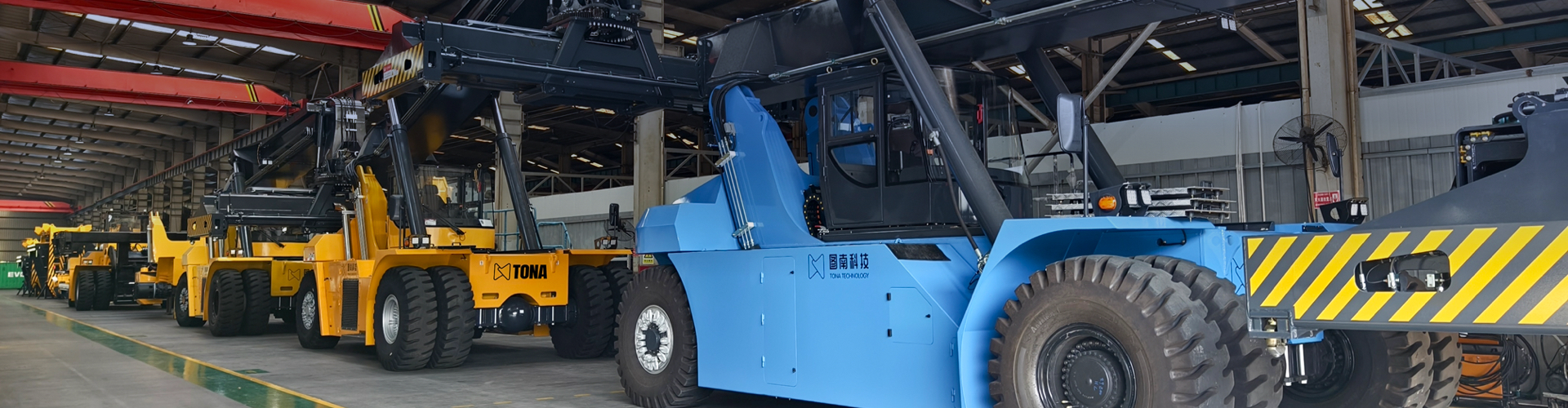
If you’re planning to modernize yard capacity or reduce emissions, exploring an electric reach stacker option can be part of a long-term strategy for efficient, flexible container movement in busy logistics environments.
Related Blogs
-
 Choosing container unloading services isn’t just about finding a crew to “get it done.” The right provider protects your cargo, your schedule, and your reputation—while the wrong one can create hidden costs such as detention fees, damaged goods, inventory mismatches, and safety incidents.hot blog
 -
 Pricing for container unloading services can feel confusing because “unloading” may refer to very different jobs: pulling freight out of a floor-loaded box by hand, devanning into a warehouse dock with forklifts, moving containers around a yard, or even handling at a port terminal.hot blog
 -
 Container unloading looks routine until something goes wrong: a shifted pallet pushes on the doors, a ramp slips, or a pedestrian steps into a blind spot. The safest operations treat every unload as a controlled process with repeatable checks.hot blog
 -
 Slow container unloading is rarely caused by one “big problem.” It’s usually the sum of small delays: waiting for paperwork, searching for SKUs, re-handling freight, missing equipment, crowded staging areas, and unclear roles at the dock.hot blog