
Choosing container unloading services isn’t just about finding a crew to “get it done.” The right provider protects your cargo, your schedule, and your reputation—while the wrong one can create hidden costs such as detention fees, damaged goods, inventory mismatches, and safety incidents. This guide walks you through a practical, buyer-friendly process to select reliable container unloading services, including when reach stacker support becomes a key decision factor.
Why Reliability Matters in Container Unloading Services
Reliability shows up in outcomes you can measure: consistent turnaround times, accurate counts, fewer damage claims, and clear communication. When unloading is unreliable, the problems compound fast—your receiving team gets interrupted, downstream deliveries slip, and disputes over shortages or damage become hard to resolve. Reliable container unloading services reduce operational noise and give you repeatable performance you can plan around.
In practice, “reliable” means the provider can handle real-world variability: mixed SKU loads, floor-loaded containers, peak-season surges, fragile cartons, heavy items, and different dock layouts—without improvising on the fly.

What Container Unloading Services Typically Include
Before comparing vendors, define what you actually need. Container unloading services often vary in scope, and misunderstandings are a common reason buyers feel disappointed later.
Unloading methods: handling palletized loads, floor-loaded (hand-unload) containers, or mixed configurations.
Staging and organization: moving goods to a designated staging area, sorting by SKU, PO, store, lane, or pallet position.
Count verification: piece counts, carton counts, pallet counts, or scan-based verification depending on your process.
Basic rework: re-palletizing unstable stacks, labeling support, shrink-wrapping, and segregation of exceptions (damage/shortage).
Documentation: completion confirmation, exception notes, photos for damage, and time stamps if agreed.
Some providers also offer warehousing, cross-docking, transloading, and last-mile preparation. If you need these, treat them as separate line items with defined boundaries, not “assumed extras.”
How to Choose Reliable Container Unloading Services: A Step-by-Step Framework
The best way to choose container unloading services is to evaluate fit, process, safety, and accountability in that order—then price. Here’s a structured approach you can reuse for any lane, site, or project.
Match the Provider to Your Cargo and Container Profile
Start with the container and the cargo—not the vendor’s marketing. A provider who performs well for palletized retail loads may struggle with floor-loaded mixed cartons, bulky goods, or high-value fragile product.
Share these details upfront:
Container type and volume (20 ft, 40 ft, high cube; frequency per week/month)
Load style (palletized, floor-loaded, slip sheets, mixed)
Typical carton weights and any oversized/heavy pieces
Damage sensitivity (fragile packaging, high-value items, temperature constraints)
Required segregation rules (SKU/PO/store split, quarantine process, returns)
If a provider can’t explain how their workflow changes for your load type, that’s an early signal they may be relying on ad-hoc labor rather than a managed unloading process.
Confirm They Use a Repeatable Unloading Process
Reliable container unloading services run on standard operating procedures (SOPs), not guesswork. Ask the vendor to describe their workflow from container arrival to final sign-off. You’re looking for clarity, sequencing, and controls—especially around safety and accuracy.
What a solid process usually includes:
Pre-arrival planning: appointment confirmation, staffing plan, staging map, equipment checklist, and communication points.
Pre-open check: quick inspection of the container exterior and dock area for hazards and access constraints.
Controlled unloading: safe pace, stable handling, defined staging zones, and separation of exceptions (damage/shortage/overage).
Verification: agreed counting method (manual count, scan, tally sheet, or hybrid) and reconciliation to your documents.
Closeout: post-unload sweep, notes/photos of exceptions, completion time stamps, and sign-off protocol.
A good provider can adapt without breaking the structure: if the load is messier than expected, they should have a “contain the chaos” plan—more staging, tighter segregation, and a clearer exception flow.
Vet Safety and Compliance Without Complicating It
Safety is a performance issue, not a paperwork exercise. The fastest operations are usually the safest, because they avoid stoppages, injuries, and damaged product. When evaluating container unloading services, focus on whether safety is built into the operation.
What to check:
Training and supervision: who leads the crew on-site, how new workers are trained, and how rules are enforced.
PPE and site rules: how they confirm PPE compliance and traffic separation at the dock or yard.
Equipment readiness: daily checks for forklifts, pallet jacks, dock plates, and restraints if used.
Incident response: how they report near-misses, damage, and injuries, and what happens next.
If your cargo or site has special requirements (regulated goods, strict documentation, restricted dock access), ask for a short written checklist that matches your needs. Reliable providers don’t resist clarity—they use it to reduce disputes.
Evaluate Staffing Stability and Service Coverage
Many container unloading services look similar on paper, but reliability often comes down to labor stability. The key question is: can they deliver the same quality on a Monday morning, during peak season, or when two containers arrive late?
Ask about:
Coverage model: weekday/weekend availability, early/late shifts, and surge capacity.
Supervisor presence: whether a lead is on-site for every job or “on call.”
Turnover control: how they keep trained workers and prevent constant crew rotation.
Communication protocol: who you contact for updates, delays, and exceptions.
A reliable provider should also be able to propose a ramp-up plan: start with a pilot period, set clear KPIs, then scale once performance is stable.
Check Equipment Capability and When Reach Stacker Support Matters
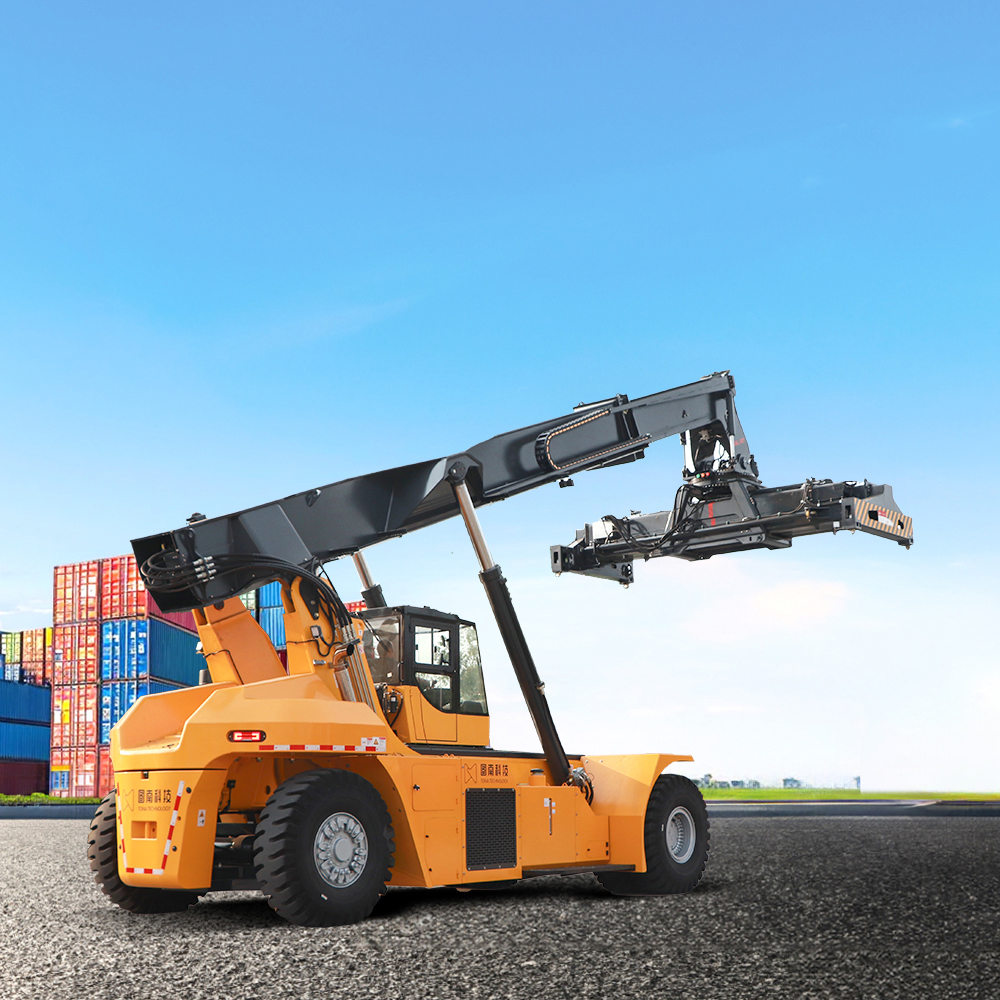
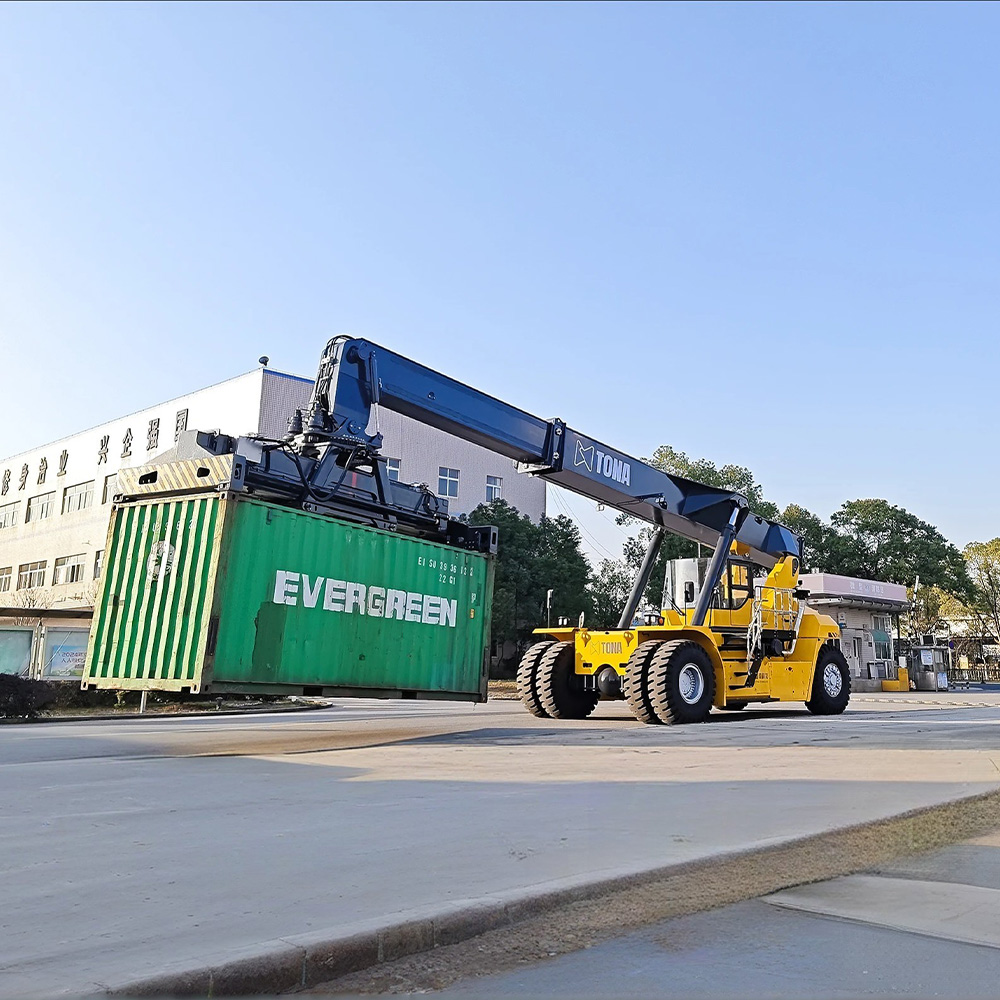
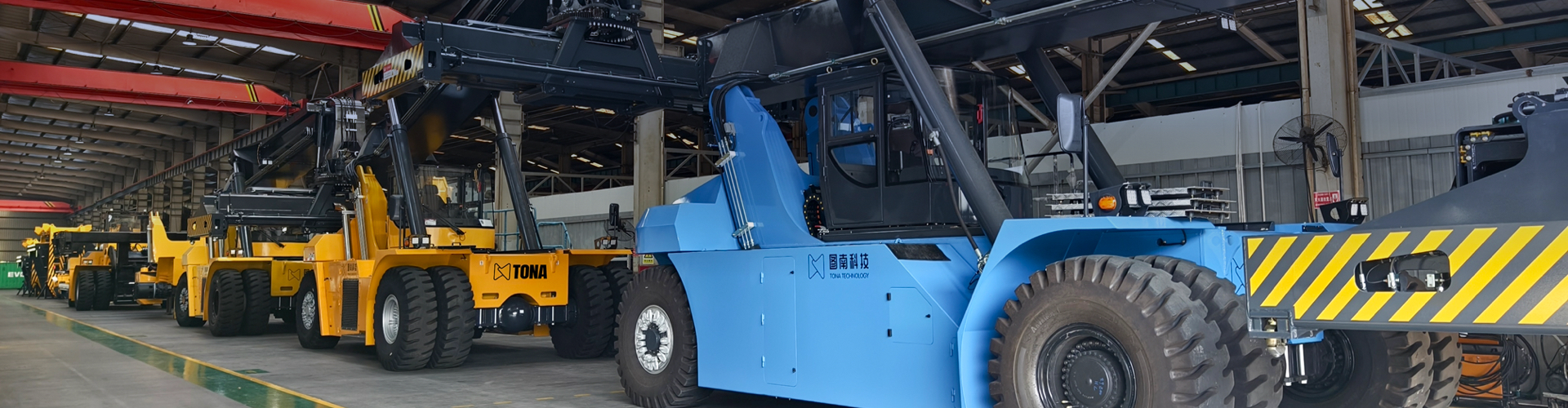
Not every project needs heavy yard equipment, but when your containers are staged in a yard, stacked, or need repositioning, reach stacker capability can become essential. If your site resembles a terminal-style operation or you manage a large yard, ask early whether reach stacker support is available and how it integrates with unloading.
Typical situations where a reach stacker adds value:
Container positioning: moving containers from yard stacks to the dock area efficiently.
Stacking density: maximizing yard space by stacking containers safely and retrieving them on schedule.
Intermodal handling workflows: supporting transload operations where containers are rotated quickly.
Congestion management: reducing bottlenecks when multiple containers arrive or depart in tight windows.
What to verify if reach stacker support is part of the solution:
Operator qualification and safety practices: trained operators, clear traffic routing, and site-specific rules.
Site fit: turning space, ground conditions, and an agreed plan for container placement and retrieval.
Backup options: how they respond if equipment is down (alternate equipment, rental plan, or partner support).
Even if you don’t “own” reach stacker operations, a reliable container unloading services partner should understand how yard handling affects your unloading timetable and build that dependency into the plan.
Demand Visibility: KPIs, Documentation, and Proof of Performance
You can’t manage what you can’t see. Reliable container unloading services are willing to define outputs and share proof. This isn’t about micromanagement—it’s about preventing disputes and improving performance over time.
Practical KPIs to request:
Average unload time per container (by load type: palletized vs floor-loaded)
Damage rate (with photo-backed exceptions)
Miscount/variance rate (shortage/overage reconciliation)
Detention and delay incidents (what caused them and how they were handled)
Response time for exceptions and claims-related documentation
Useful documentation deliverables:
Time-stamped completion confirmation
Exception log (damage, shortages, overages, contaminated/unsafe conditions)
Photo evidence for damaged cartons or unusual container conditions
Count summary aligned to your receiving format
Set expectations early: define what “proof” looks like before the first container arrives.
Compare Pricing Models the Smart Way (and Avoid Surprise Charges)
Pricing for container unloading services can be structured in several ways. The cheapest quote often becomes expensive if the scope is vague or exceptions are billed unpredictably.
Common pricing structures:
Per container: simple, but must define load type and complexity bands.
Hourly labor: flexible, but requires productivity expectations and time controls.
Per unit/carton/pallet: aligns cost to volume, but needs a clear counting method.
Turnkey program: best for steady lanes, usually tied to KPIs and defined service levels.
Clarify these cost triggers:
Floor-loaded vs palletized differences
Overweight cartons, re-palletizing, and special handling
Waiting time (driver delays, dock congestion, paperwork holds)
After-hours or weekend surcharges
Documentation requirements beyond “standard”
Reliable providers are transparent about what changes the price—and they can help you reduce those triggers through better pre-arrival planning.
Copy/Paste Due-Diligence Checklist for Container Unloading Services
Scope: What load types do you handle? What’s included vs optional?
Process: Can you describe your workflow from arrival to closeout?
Safety: What training, PPE, and dock/yard controls do you use?
Supervision: Is a lead on-site for every job? Who escalates issues?
Counting: How do you verify counts and document shortages/overages?
Damage handling: How do you isolate, document, and report damage?
Equipment: What tools are always available? Do you support reach stacker needs?
Capacity: Can you handle peak volume and multiple containers per day?
Reporting: What proof do you provide after unloading?
Commercial terms: Pricing model, accessorial triggers, and claims support timeline.
Red Flags That Signal an Unreliable Provider
No clear SOP—only vague promises
Unwilling to define counting and exception handling
No consistent supervisor presence
Confusing pricing that changes after the first job
Weak documentation (no photos, no exception log, no timestamps)
Can’t explain how they manage floor-loaded containers or mixed SKUs
Reach stacker needs dismissed or treated as an afterthought (if your site depends on yard handling)
How to Set Your Provider Up for Success
Even the best container unloading services perform better with good inputs. Use these steps to reduce friction and improve outcomes from day one:
Send a simple pre-arrival brief: container ETA, load type, SKU segregation rules, and known risks.
Agree on a staging map: where each SKU/PO/store grouping goes, plus an exception zone.
Standardize count expectations: define whether counts are carton-based, pallet-based, or scan-verified.
Run a pilot period: 30–60 days with KPIs, weekly reviews, and process adjustments.
If reach stacker is involved: confirm container placement rules, traffic routes, and retrieval scheduling ahead of time.
When your team and the provider share the same definition of “done,” reliability becomes repeatable—container after container.
Frequently Asked Questions
What’s the difference between lumper labor and container unloading services?
Lumper labor is often labor-only, while managed container unloading services typically include supervision, defined processes, and clearer documentation. The right choice depends on how much accountability and reporting you need.
How do I estimate unloading time for a floor-loaded container?
Time depends on carton count, weight, staging rules, and whether re-palletizing is needed. A reliable provider should ask these questions and give you a range, then refine it after the first few containers.
When do I need reach stacker support?
You may need a reach stacker when containers must be stacked, moved within a yard, repositioned for dock access, or rotated quickly for transload operations—especially where space is tight and scheduling is strict.
What proof should I expect after unloading?
At minimum: completion confirmation, exception notes, and a summary aligned to your receiving process. For sensitive cargo or high variance risk, add photos and time stamps.
How can I prevent surprise charges?
Define scope and exceptions in writing, especially for floor-loaded containers, rework, waiting time, and after-hours support. Clear inputs and a standard checklist reduce ambiguity.
Related Blogs
-
 Slow container unloading is rarely caused by one “big problem.” It’s usually the sum of small delays: waiting for paperwork, searching for SKUs, re-handling freight, missing equipment, crowded staging areas, and unclear roles at the dock.hot blog
 -
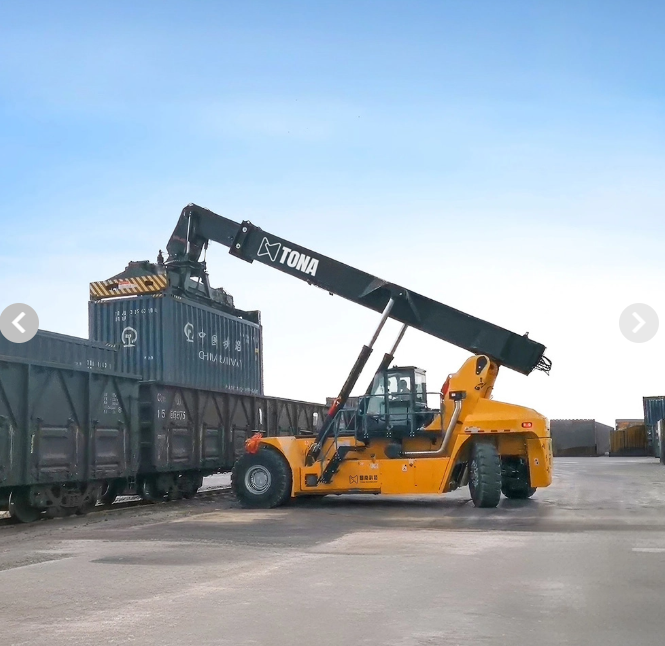 Efficient container unloading is a mix of smart planning, the right equipment, and a repeatable workflow that keeps people safe while moving freight fast. Whether you’re handling palletized goods at a warehouse dock or floor-loaded cartons in a tight receiving bayhot blog
 -
 In warehouses and distribution centers, choosing the right equipment is crucial for efficient material handling. Stackers and reach stackers are both essential, but they serve different needs. While stackers excel in tight spaces,
 -
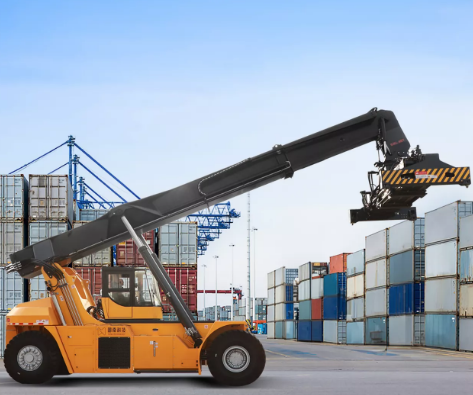
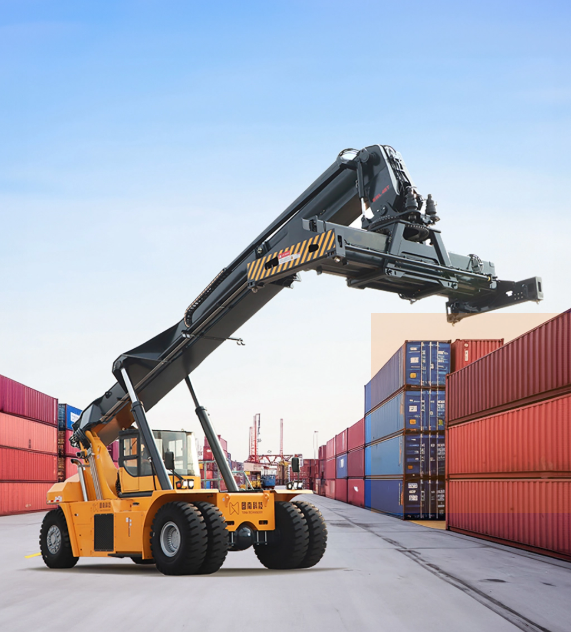 Reach stacker operators are the backbone of efficient logistics. They ensure smooth cargo movement in busy ports and warehouses. This article explores what it takes to become a reach stacker operator. We’ll cover the key skills, training programs, certifications, and safety measures required.