
Pricing for container unloading services can feel confusing because “unloading” may refer to very different jobs: pulling freight out of a floor-loaded box by hand, devanning into a warehouse dock with forklifts, moving containers around a yard, or even handling at a port terminal. This guide breaks down the most common pricing models, the real cost drivers, and how equipment choices—especially a reach stacker—can change the total number you pay.
Typical cost ranges for container unloading services
Most buyers want a simple benchmark first. In practice, container unloading services are commonly quoted in a broad range because labor intensity and site conditions vary.
Service-only unloading (warehouse/jobsite): often falls somewhere between a low-hundreds to mid-hundreds USD per container when the shipment is straightforward and the site is ready.
Labor-heavy scenarios: floor-loaded cartons, mixed SKUs, tight appointment windows, or poor access can push costs higher due to time, staffing, and added handling steps.
Flat-rate programs: some providers publish per-container rates and then add surcharges based on piece count, SKU count, or special requirements.
Use these ranges only as a starting point. The quote you receive should be tied to a clear scope (what’s included, what’s extra, and what is billed if delays happen).
What “container unloading” means in real operations
Different industries use different terms. The task may be described as devanning, destuffing, stripping, transloading, or freight unloading. The practical meaning is the same: goods are removed from the container and placed where the receiving operation needs them—on pallets, on the floor, on conveyors, or directly into an outbound trailer.
A key difference is whether you’re buying:
Warehouse receiving support: unloading into a dock area, staging by PO/SKU, counting, labeling, or wrapping pallets.
Transload/cross-dock support: moving freight from the container into another trailer with minimal storage time.
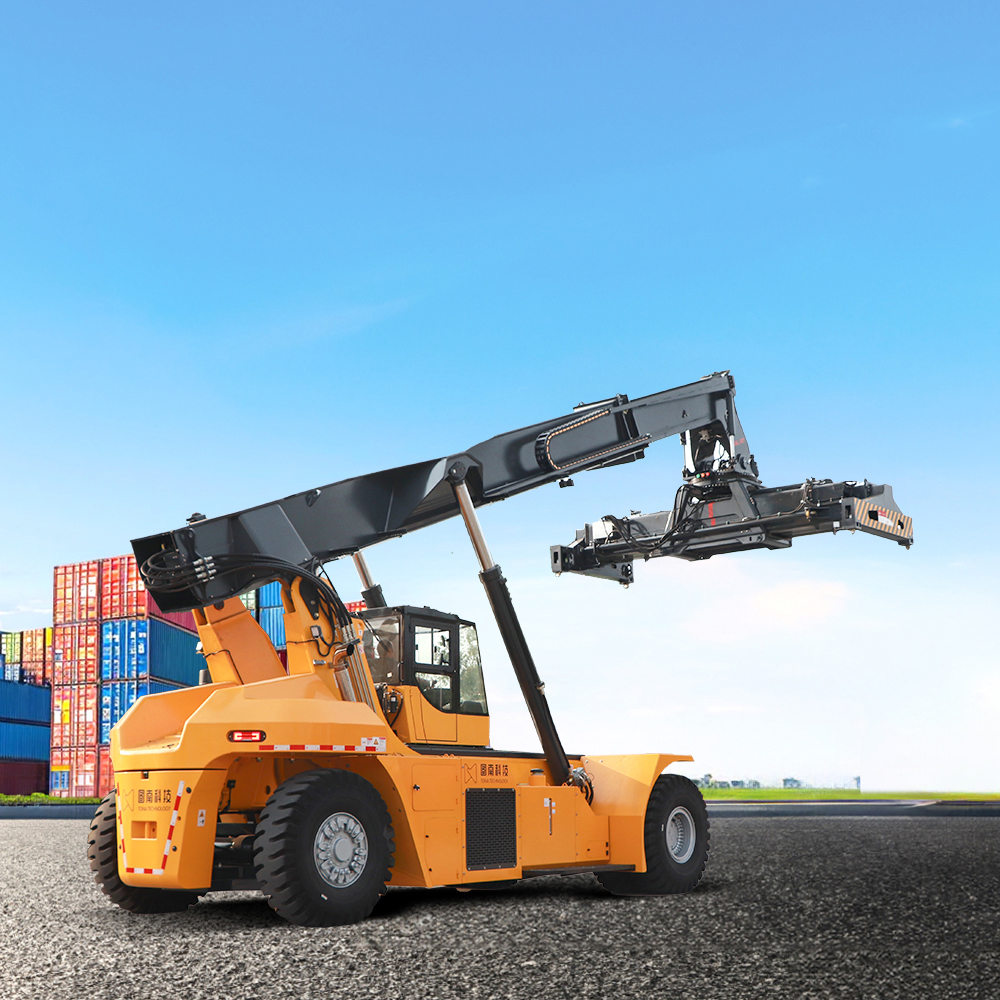
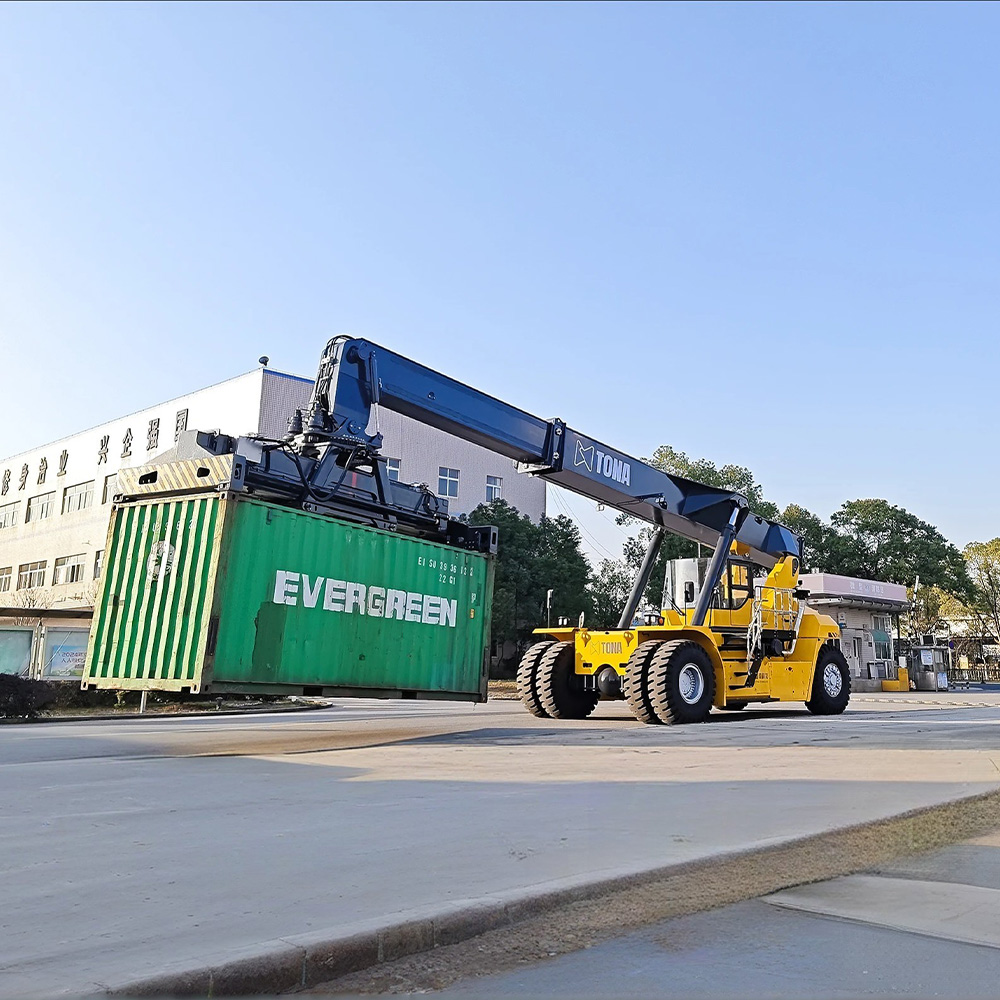
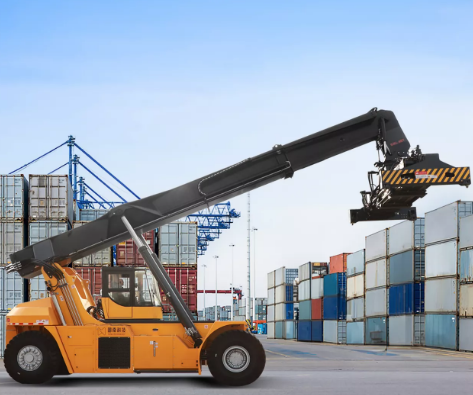
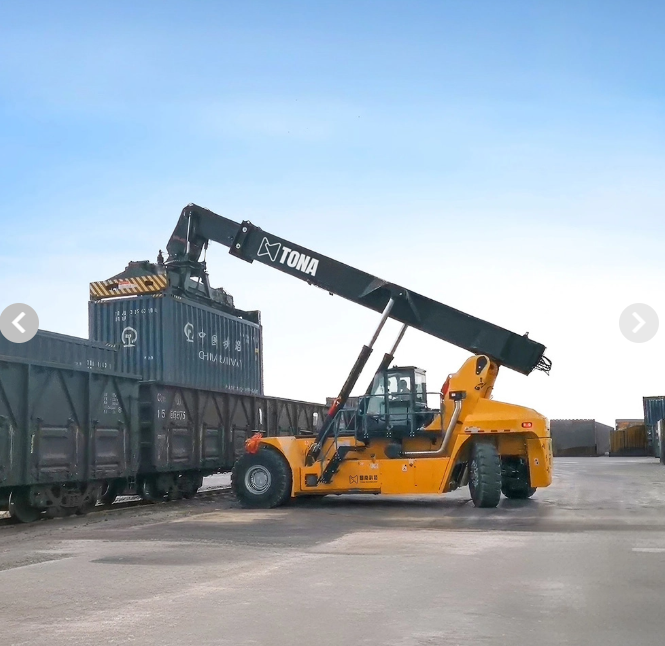
Yard/container handling: moving, lifting, positioning, or stacking containers—where a reach stacker may be essential.
Common pricing models you’ll see on quotes
Per-container (flat rate)
A per-container price is popular when the shipper has consistent freight profiles and stable volumes. It can be the easiest to budget because you know the base charge for each container. Many flat-rate quotes still include conditions, such as:
Maximum time allowed at the dock before detention-style adders apply
Assumptions about palletization, packaging quality, and piece counts
Defined scope for sorting, labeling, and disposal of dunnage
Hourly labor (crew-based)
Hourly pricing is common when variability is high—mixed SKUs, uncertain loading patterns, inconsistent packaging, or unpredictable site access. An hourly quote should clearly state:
Minimum billable hours
Crew size (e.g., 2–6 unloaders) and supervisor requirements
Start/stop rules (what counts as “delay” time)
Overtime or weekend multipliers
Per pallet, per piece, or per SKU
Piece-based pricing often appears when unloading includes sorting or “touch labor” beyond simply removing freight. If your container unloading services include breaking down mixed loads, counting cartons, separating by SKU, or building outbound-ready pallets, expect adders based on:
Total carton/piece count
Number of SKUs or purchase orders
Required pallet pattern, labeling, stretch wrap, or corner protection
Transload / cross-dock pricing
Transload pricing typically bundles unloading plus reloading into another trailer, sometimes with short-term staging. Costs depend on how quickly freight can move through and whether extra steps are needed (quality checks, rework, re-palletizing, or re-labeling).
The biggest cost drivers (what changes your quote the most)
Container size and load style
A 20-foot container is not the same job as a 40-foot or a domestic 53-foot unit. Larger containers can be efficient if the freight is palletized and can be removed quickly by forklift. However, the equation flips when the load is floor-stacked with cartons and requires hand unloading.
Ask your provider how they classify your load:
Palletized: faster forklift handling, fewer touches, typically lower labor time.
Floor-loaded: more manual handling, higher touch points, increased time and staffing.
Cargo complexity and extra handling
Two containers with the same weight can cost very different amounts to unload. Quotes rise when the job includes:
Mixed SKUs requiring separation by PO/SKU
Fragile goods needing careful handling, slow extraction, or special stacking rules
Unstable loading (leaning stacks, damaged cartons) that forces rework for safety
Added steps such as pallet build-up, wrapping, labeling, or counting
Site access, appointments, and waiting time
Operational friction is expensive. Limited dock availability, strict appointment windows, congestion, or poor access can turn a “simple unload” into extended paid time. If you want the most competitive pricing, prepare the site so crews can start immediately and keep moving continuously.
Equipment availability and the role of a reach stacker
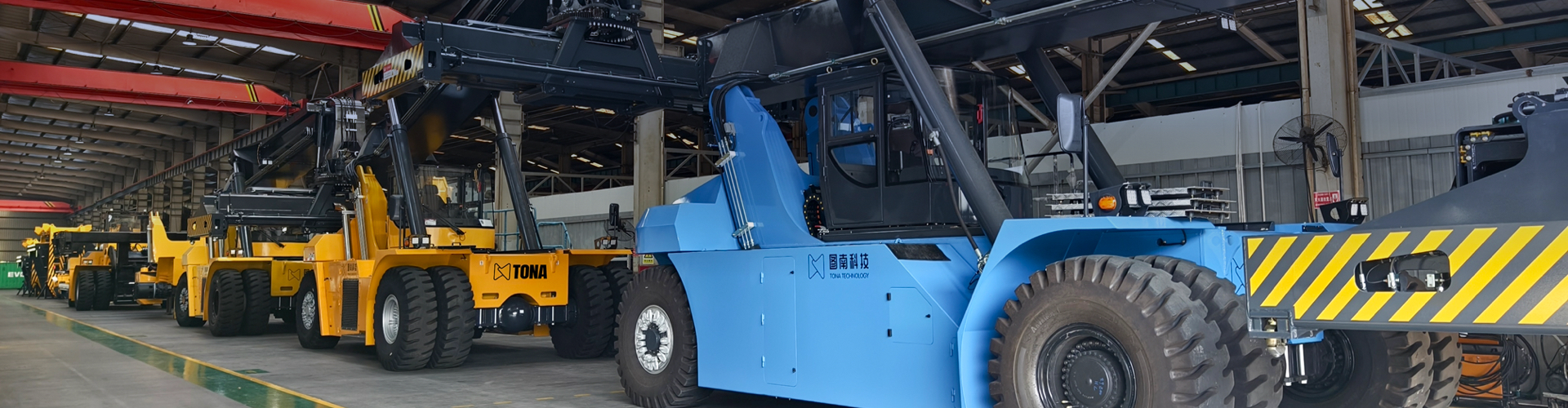
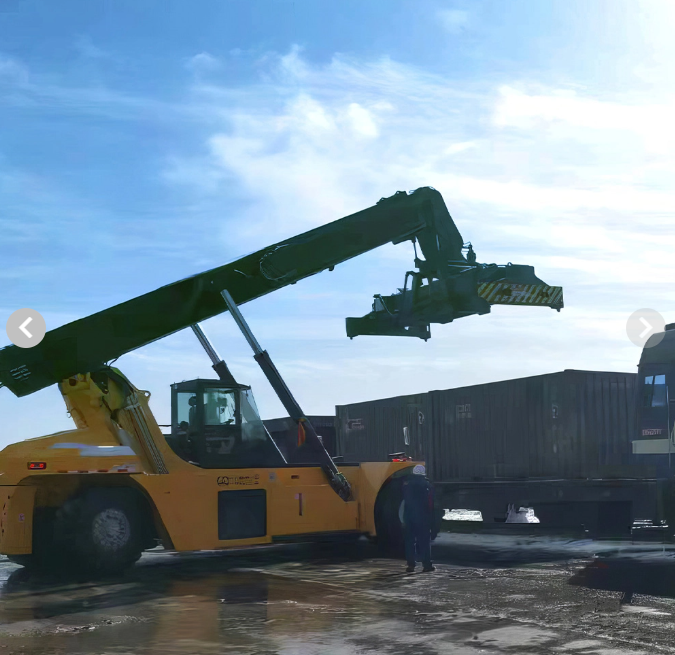
Equipment can be a major line item—especially when the container must be moved, positioned, or stacked in a yard rather than unloaded at a standard dock. A reach stacker is often used to lift and relocate containers in logistics yards and terminals, which can:
Reduce manual repositioning time by placing the container exactly where unloading is safest and fastest
Enable container handling when dock doors are not available or when the operation is outdoors
Support stacking and yard flow, avoiding bottlenecks that create labor waiting time
When you request container unloading services, mention whether the provider must also perform yard moves or container placement. If yes, clarify whether you need a reach stacker, heavy forklift, or other handling method—and reference proven container handling solutions to align equipment capability with your site constraints.
Hidden costs many buyers miss
Terminal handling vs. inland unloading
Terminal handling charges (at ports/terminals) are not the same as warehouse devanning. Your freight may already have port-side handling fees, while your warehouse still charges for unloading, receiving, and processing. Keeping these line items separate prevents double-counting and makes negotiation easier.
Storage, staging, and rework
If the container cannot be unloaded immediately, storage and rescheduling can add cost. Staging space, short-term storage, rework for damaged packaging, and disposal of dunnage can all appear as adders—especially in peak seasons.
How to request an accurate quote (copy/paste RFQ checklist)
Send the following details to providers to get comparable quotes for container unloading services:
Container type and size: 20’, 40’, 45’, or 53’; whether it is floor-loaded or palletized
Freight profile: estimated piece/carton count, pallets expected, weight range, and fragility notes
SKU/PO complexity: number of SKUs and whether sorting by SKU/PO is required
Scope of work: unload only, or unload + pallet build + wrap + label + count + photo/inspection
Receiving setup: dock availability, floor space, pallet jack/forklift availability, and any yard rules
Scheduling: appointment windows, expected arrival time, and cutoff times for overtime
Container handling needs: whether the container must be placed/moved/stacked and if a reach stacker (or heavy forklift) is required
Compliance requirements: safety rules, insurance limits, PPE policies, and documentation expectations
How to lower your container unloading costs (without slowing operations)
Improve load consistency: standard pallet patterns, stronger packaging, and clear labels reduce rework and handling time.
Reduce touches: whenever feasible, shift from floor-loaded cartons to palletized freight or partial palletization for heavy/fast movers.
Plan dock flow: ensure doors, staging space, and equipment are ready before the crew arrives to avoid paid waiting time.
Bundle smartly: if you frequently devann, negotiate volume-based terms that lock in base rates and define adders clearly.
Use the right equipment: if yard moves are common, a reach stacker strategy can reduce delays caused by container positioning and stacking constraints.
FAQ about the cost of container unloading services
How much does it cost to unload a 40-foot container?
The cost depends primarily on whether it is palletized or floor-loaded, how many touches are required (sorting, counting, pallet build), and whether delays are likely at the receiving site. For repeat lanes with consistent freight, many shippers prefer per-container pricing; for variable loads, hourly or piece-based pricing may be more accurate.
What is typically included in container unloading services?
“Unload” may only mean removing freight from the container and staging it at the dock. Many operations also require pallet building, wrapping, labeling, counting, SKU separation, or transloading into another trailer. Always ask for an inclusion/exclusion list so you can compare providers fairly.
Are lumper fees the same as container unloading services?
They overlap, but they are not always the same. “Lumper” is often used for labor arranged at the receiving warehouse or distribution center. Container unloading services can include lumper-style labor, but they may also include equipment, scheduling management, and container/yard handling depending on the provider.
When should I use a reach stacker?
Consider a reach stacker when you need to lift and reposition containers in a yard, stack containers to optimize space, or place containers for unloading in locations without standard dock access. If your provider must handle container placement as part of the job, include that requirement in your RFQ to avoid surprise equipment adders.
What each source says about the cost (no links)
Zhengding Unloader: shares a broad per-container cost range and highlights that location, container size, handling requirements, and equipment can influence the final price.
Express Unload: describes lumper-style unloading fees and notes that container size, cargo characteristics, and extra tasks like re-stacking can affect cost.
Lumper HQ: presents published flat rates per container and explains that adders may apply based on pieces and SKU complexity.
His Workmanship Labor: discusses typical unloading price considerations and emphasizes that labor time and job conditions can shift averages.
Foreigh: explains current lumper fee patterns and discusses how rates and payment practices work in real receiving scenarios.
Red Stag Fulfillment: explains devanning and notes that floor-loaded containers can require more manual handling and therefore higher labor cost.
Eezy Import: breaks unloading costs into labor, equipment, and storage-related components, and encourages planning to reduce avoidable adders.
Related Blogs
-
 Choosing container unloading services isn’t just about finding a crew to “get it done.” The right provider protects your cargo, your schedule, and your reputation—while the wrong one can create hidden costs such as detention fees, damaged goods, inventory mismatches, and safety incidents.hot blog
 -
 Container unloading looks routine until something goes wrong: a shifted pallet pushes on the doors, a ramp slips, or a pedestrian steps into a blind spot. The safest operations treat every unload as a controlled process with repeatable checks.hot blog
 -
 Slow container unloading is rarely caused by one “big problem.” It’s usually the sum of small delays: waiting for paperwork, searching for SKUs, re-handling freight, missing equipment, crowded staging areas, and unclear roles at the dock.hot blog
 -
 Efficient container unloading is a mix of smart planning, the right equipment, and a repeatable workflow that keeps people safe while moving freight fast. Whether you’re handling palletized goods at a warehouse dock or floor-loaded cartons in a tight receiving bayhot blog