
Ports are designed for speed, safety, and traceability. But “shipping container unloading” can mean very different things depending on who you are: a terminal operator discharging boxes from a vessel, a logistics team moving containers through the yard and gate, or a cargo owner devanning goods from a container near the port. This guide walks through a practical, port-ready workflow—before arrival, on the quay, in the yard, and at the gate—so you can reduce delays, improve handling quality, and choose the right equipment (including the reach stacker) for each step.
Understand the scope: vessel discharge vs. cargo devanning
In port environments, shipping container unloading usually includes two layers:
Vessel discharge: unloading containers from ship to quay and transferring them into the container yard (and then to truck, rail, or transload zones).
Cargo devanning (stripping/unstuffing): unloading the goods inside the container (cartons, pallets, equipment) at a port-side warehouse, CFS, or nearby facility.
These layers share the same goal—fast and safe flow—but require different SOPs, equipment, and KPIs. Getting clarity upfront prevents confusion about responsibilities, timing, and cost ownership.
Pre-arrival planning: the fastest unloading starts before the ship berths
Most “port delays” are created before the first container is lifted. Strong pre-arrival planning turns shipping container unloading into a predictable production line instead of a firefight.
Confirm the operational plan
Berth and crane plan: expected discharge volumes by bay, crane splits, and shift handoffs.
Yard space strategy: where boxes will be stacked by destination, service, hazardous class, reefer needs, or customs status.
Labor and equipment readiness: align stevedore teams, yard drivers, and maintenance windows with the vessel window.
Validate documents and data flow
Ports move boxes with both machines and information. Ensure the digital side is equally ready:
Container numbers, seal details, and discharge lists are clean and consistent.
Hold/release rules (customs, inspections, dangerous goods) are defined with clear exception routing.
Truck appointment rules and gate requirements are communicated early to reduce truck queuing.
Prepare for exceptions
Plan “what if” paths for common disruptions: bad weather, late trucking capacity, special cargo handling, damaged container doors, or mismatched documentation. A simple exception lane can protect your main flow from collapsing.
Port unloading workflow: ship → quay → yard → outbound
A consistent workflow is the foundation of quality. The best-performing terminals treat shipping container unloading as a sequence of standard movements with clear handoffs.
Step 1: Berth readiness and safety perimeter
Set safe working zones on the quay and verify access controls.
Confirm emergency routes, radios, and visibility rules (especially night shifts).
Align the vessel discharge plan with real-time conditions (wind, tide constraints, equipment availability).
Step 2: Vessel discharge (ship-to-shore lifting)
Ship-to-shore cranes discharge containers using spreaders and twistlock systems. Quality here means fewer stoppages and fewer “problem boxes” later.
Use consistent communication between crane operator, signalers, and quay transport.
Flag damaged or leaking containers immediately for isolation procedures.
Track each lift as a recorded event to maintain traceability from vessel to yard.
Step 3: Quay transfer to yard blocks
Once containers hit the quay, transfer equipment moves them to designated yard blocks or direct interfaces (truck/rail/transload). A smooth handoff depends on:
Lane discipline: clear travel paths reduce congestion and collision risk.
Staging control: avoid “double-handling” by sending boxes to the correct block the first time.
Priority logic: separate fast-turn imports, transshipment, and inspection-bound units.
Step 4: Yard stacking and retrieval strategy
Yard planning determines how many times you touch the container. Every extra rehandle adds cost, time, and damage risk. The guiding principle is simple: stack for the next move.
Group containers by planned outbound mode (truck vs rail), destination region, or appointment windows.
Keep inspection/hold units in accessible areas to avoid reshuffling.
During peak congestion, protect main corridors—shorter travel distances often beat “perfect” stacking density.
Step 5: Gate-out, rail ramp, or transload interface
Outbound flow is where customer satisfaction is created. Even if vessel discharge was fast, poor gate coordination can destroy performance.
Use appointment systems and clear cut-off rules for truck pickups.
Reduce dwell time by separating “ready-to-go” boxes from “paperwork/hold” boxes.
Maintain clear instructions for drivers, including location maps and safety rules.
Where the reach stacker fits: best uses in port and terminal unloading
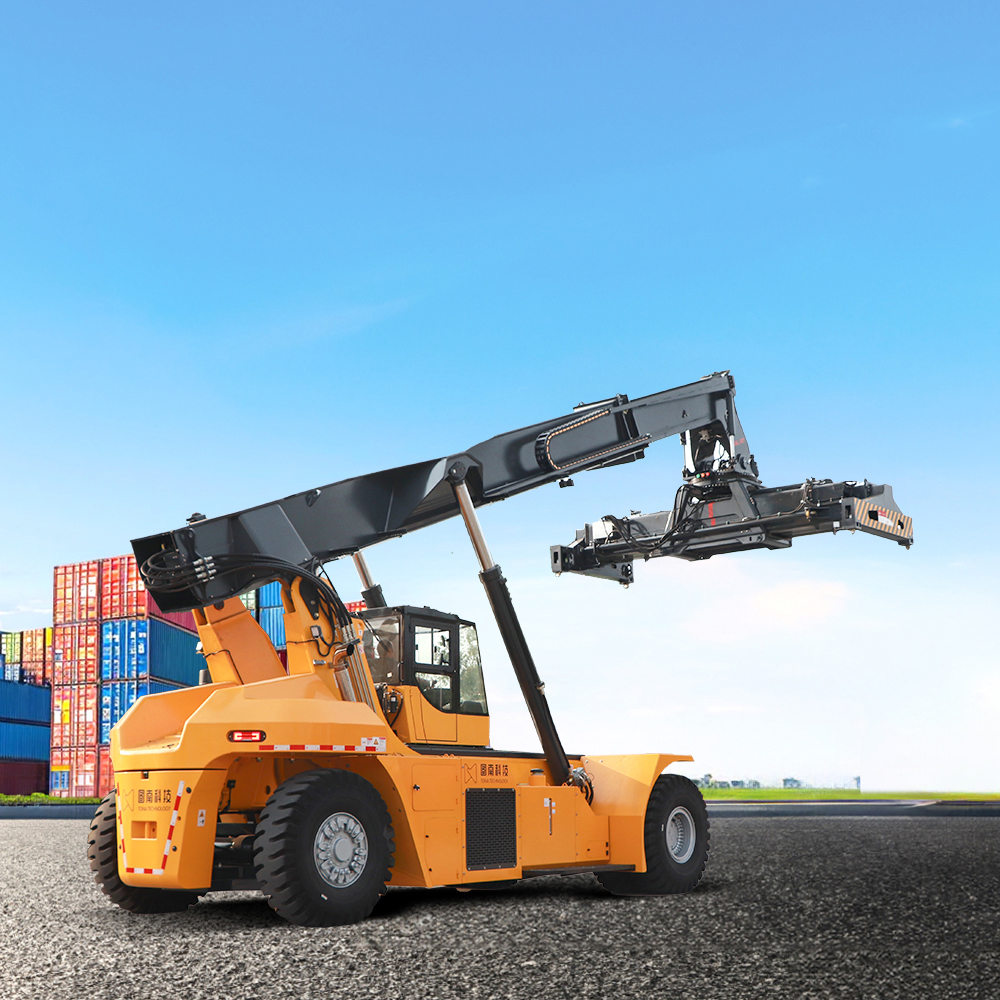
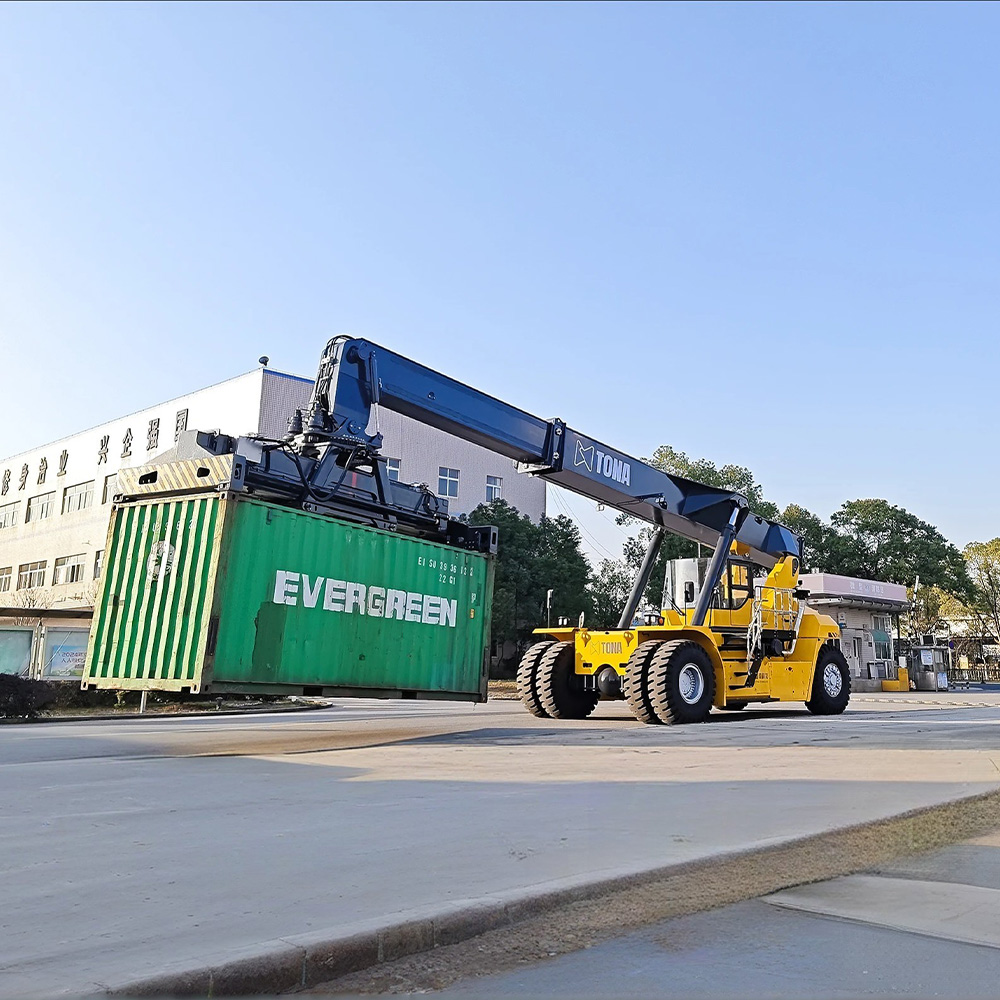
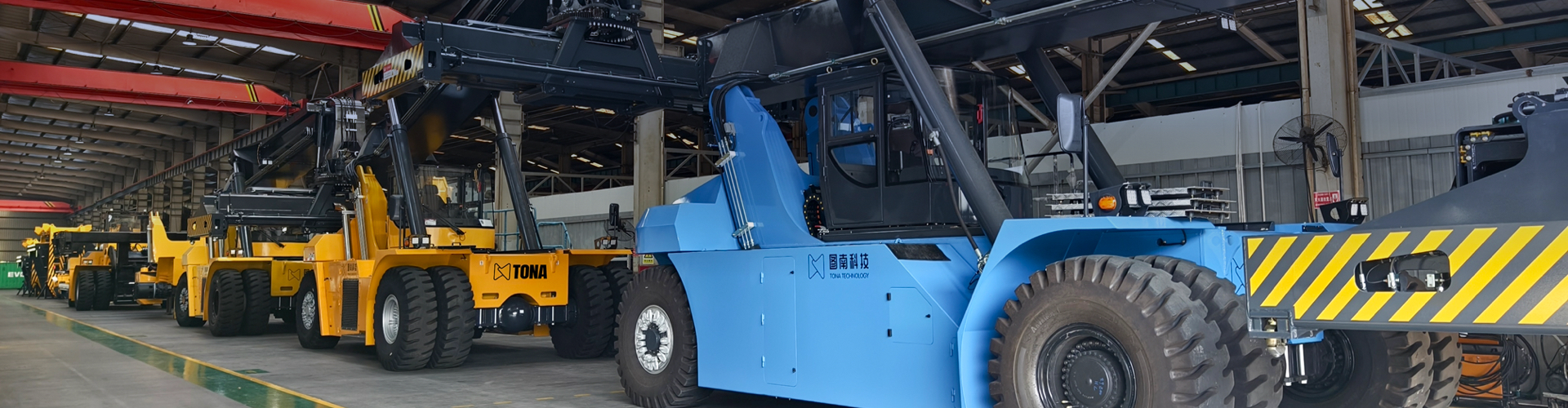
A reach stacker is one of the most flexible machines for shipping container unloading operations—especially in smaller ports, inland terminals, and overflow yards. It can lift, transport, and stack containers quickly without the fixed infrastructure of gantry cranes.
Ideal reach stacker roles in ports
Truck-to-stack handling: fast movement between gate lanes and yard stacks.
Yard reconfiguration: reshaping stacks during peak surges or schedule changes.
Interface support: feeding containers to transload zones or rail ramps when required.
Reach stacker vs forklift: quick decision rules
Choose a reach stacker when you need container stacking height, heavier loads, and frequent truck/container moves.
Choose a forklift for cargo devanning and pallet movement inside warehouses (not for stacking multiple containers in a yard).
Reach stacker vs RTG/RMG: trade-offs you should know
Flexibility: reach stackers can change zones quickly; gantry cranes are fixed to blocks.
Density: gantry systems usually support higher stacking density and sustained throughput in large terminals.
Cost and setup: reach stackers often require less infrastructure, making them attractive for growth phases or overflow capacity.
Operational tips for better reach stacker productivity
Design the yard for the machine: maintain safe turning radii and clear approach angles to stacks.
Reduce empty travel: batch tasks by zone and prioritize “next move” containers to cut deadhead runs.
Standardize lift checks: confirm spreader lock status, container condition, and clear visibility before every movement—then train operators to operate a reach stacker safely under real port conditions.
When goods are unloaded from the container near the port: devanning workflow
Some shipping container unloading happens at a port-side warehouse or container freight station (CFS), where the cargo inside the box is removed and sorted. This is common for LCL, transload operations, and imports requiring inspection or rapid redistribution.
Set up a safe, efficient devanning zone
Use marked staging areas for pallets, cartons, and oversized items.
Keep clear walkways and emergency access routes at all times.
Prepare handling aids (dock levelers, pallet jacks, rollers, conveyors) based on cargo profile.
Unload sequence rules that prevent damage
Open doors carefully and assume the load may have shifted during transport.
Remove items in a stable order to avoid collapses or blocked exits.
Separate damaged, wet, or suspect goods immediately for reporting and claims support.
Reconcile counts and condition checks
Devanning quality is measured by accuracy as much as speed. Match counts to documents, record discrepancies, and capture photos when needed. This protects both the warehouse team and the cargo owner.
Safety and compliance checklist for port-side unloading
Ports combine heavy equipment, mixed traffic, and compressed schedules. A strong safety culture is not optional—it’s a throughput strategy. Use this checklist to reduce stoppages and incidents.
Before opening and handling a container
Verify container identification and seals.
Inspect for visible damage, leakage, or signs of internal shift.
Use controlled door-opening techniques and maintain a safe stance.
During lifting and yard movement
Enforce PPE rules and keep pedestrians out of lifting zones.
Use clear radio/hand signals and confirm “all clear” before each lift.
Follow site speed limits, stop lines, and visibility rules (especially at intersections).
Environmental and special-risk considerations
Plan for weather-driven restrictions (wind, lightning, low visibility).
Use appropriate procedures for hazardous cargo and reefer units.
Ventilate and assess any suspected off-gassing risk before extended work inside a container.
How to measure quality: KPIs that matter in shipping container unloading
If you don’t measure it, you can’t improve it. The most useful KPIs connect time, reliability, and damage prevention.
Speed and throughput KPIs
Crane productivity: moves per hour per crane.
Yard cycle time: average time from quay drop to yard stack completion.
Truck turn time: gate-in to gate-out time for pickup and delivery moves.
Reliability and exception KPIs
Rehandle rate: how often containers are moved again before outbound.
Hold resolution time: time to clear customs/inspection/document exceptions.
Appointment adherence: pickups completed within scheduled windows.
Damage, safety, and compliance KPIs
Damage per 1,000 moves: container damage and cargo damage events.
Near-miss reporting: signals of risk before incidents occur.
Seal discrepancy rate: helps identify security and documentation issues.
Common bottlenecks in ports—and how to design them out
Most slowdowns are predictable. Treat bottlenecks as system issues, not individual mistakes.
Congestion and lane conflicts
Create one-way travel loops where possible.
Separate pedestrian routes from heavy equipment corridors.
Use staging buffers so trucks don’t block yard access points.
Too many rehandles
Stack by “next move” and protect priority units from being buried.
Use reach stacker task batching to reduce empty travel and unnecessary reshuffles.
Review your yard plan daily based on real outbound demand.
Documentation mismatches and holds
Standardize exception workflows: clear lanes, clear owners, clear timestamps.
Train teams to flag issues early (before the box becomes a bottleneck in the stack).
Align data checks with physical checks so releases are accurate and fast.
Equipment downtime
Protect preventive maintenance windows—unplanned downtime is more expensive than planned stops.
Track utilization and failure patterns to guide spare parts and service schedules.
Keep backup capacity ready during peak vessel periods.
FAQs
How long does shipping container unloading take in ports?
It depends on vessel size, crane allocation, yard congestion, and outbound capacity. For a single container, the physical discharge can be quick—but total time to gate-out depends on dwell time, holds, and appointment availability. The best way to predict timelines is to track your terminal’s truck turn time and yard cycle time trends.
What equipment is commonly used for shipping container unloading?
Ports typically use ship-to-shore cranes for vessel discharge, plus yard handling systems such as terminal tractors, straddle carriers, RTG/RMG cranes, and reach stackers. For cargo devanning, forklifts and conveyors are common inside warehouses and CFS facilities. In many terminals, container handling performance improves when equipment choices match the yard layout and the “next move” plan.
When should I use a reach stacker in a port operation?
A reach stacker is a strong choice when you need flexible container handling across different zones, support truck-to-stack moves, or add overflow capacity without building gantry infrastructure. It’s especially useful in smaller terminals, inland ports, and peak-season expansion. If decarbonization targets matter, consider options such as an electric reach stacker for lower operating emissions and quieter yard operations.
What safety checks are needed before opening a container?
Verify seals and identification, inspect for damage or leakage, assume the load may have shifted, and open doors with controlled technique. If there are signs of hazardous conditions, follow site procedures for isolation and ventilation before entry or unloading.
How can ports reduce truck waiting time during pickup?
Use appointment scheduling, separate “ready” containers from “hold” containers, improve yard location accuracy, and reduce rehandles. When reach stackers are used, batching tasks by zone can increase retrieval speed and reduce empty travel.
Related Blogs
-
 Choosing container unloading services isn’t just about finding a crew to “get it done.” The right provider protects your cargo, your schedule, and your reputation—while the wrong one can create hidden costs such as detention fees, damaged goods, inventory mismatches, and safety incidents.hot blog
 -
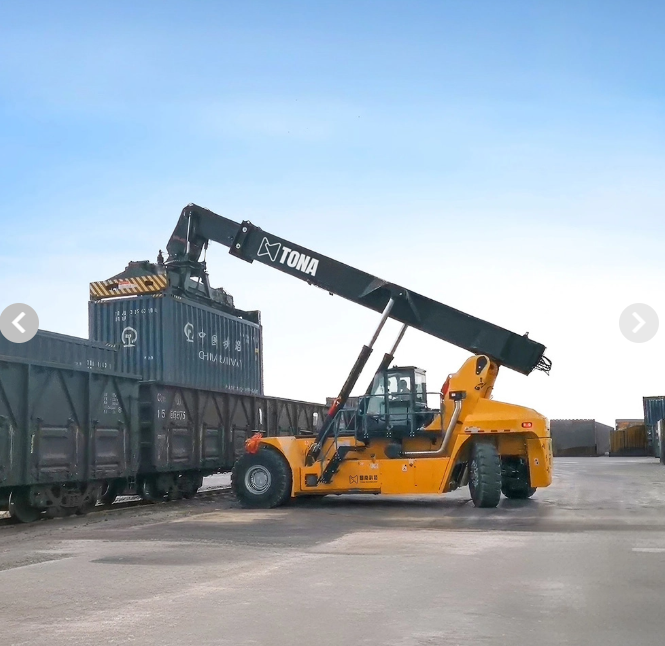 Pricing for container unloading services can feel confusing because “unloading” may refer to very different jobs: pulling freight out of a floor-loaded box by hand, devanning into a warehouse dock with forklifts, moving containers around a yard, or even handling at a port terminal.hot blog
 -
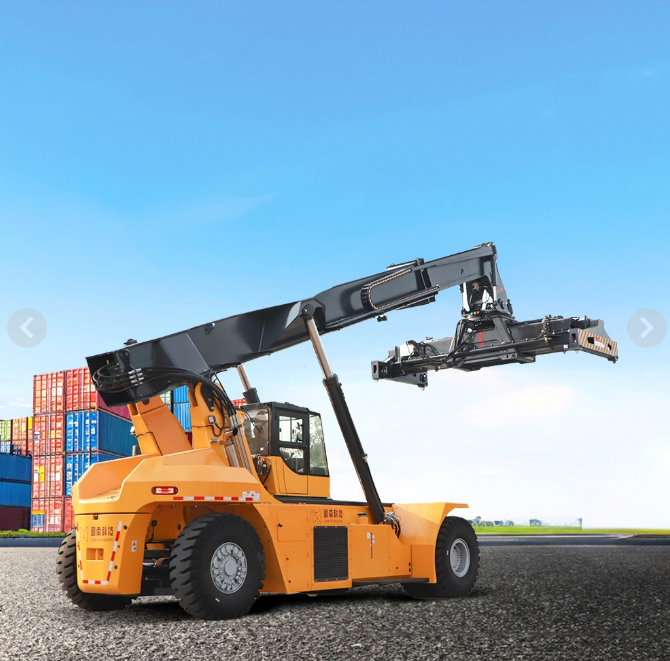 Are container unloading services available 24/7?When a container arrives late at night, during a holiday, or outside your warehouse receiving window, the real question is not just “Can someone unload it?”—it’s “Can someone unload it right now without disrupting safety, scheduling, and cost?”hot blog
 -
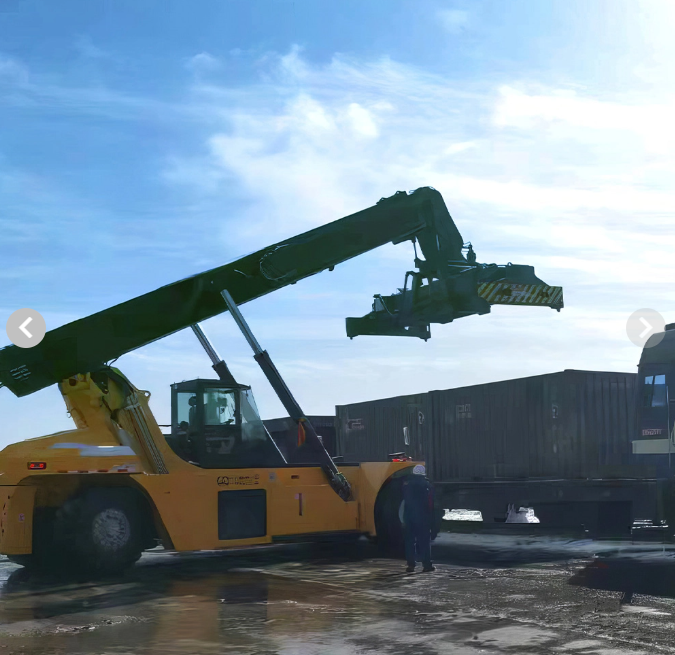 Container unloading looks routine until something goes wrong: a shifted pallet pushes on the doors, a ramp slips, or a pedestrian steps into a blind spot. The safest operations treat every unload as a controlled process with repeatable checks.hot blog