
Introduction
Efficient container unloading methods are crucial for optimizing the supply chain, reducing operational costs, and improving safety. Whether at a port, warehouse, or distribution center, selecting the right unloading technique is essential for maintaining fast-paced operations. In this article, we explore the most common unloading methods, focusing on key equipment such as the reach stacker and other critical machinery that ensures smooth unloading procedures. We will also examine how businesses can optimize unloading operations to enhance efficiency and reduce costs.
What Are Container Unloading Methods?
Container unloading methods refer to the techniques and equipment used to remove goods from shipping containers. These methods are essential for facilitating the transition of goods from transport vehicles (like ships, trucks, or railcars) to storage or further transportation. The unloading method chosen depends on several factors, such as the volume of containers, the type of cargo, available space, and the infrastructure of the unloading site. By understanding the different unloading methods, businesses can improve their logistics, enhance safety, and optimize costs.
Core Container Unloading Methods
There are various unloading methods, each designed for different types of containers and operational environments. Below, we will cover the most widely used methods, highlighting the equipment typically involved in each process.
Manual Methods
Manual unloading involves workers unloading goods by hand or using basic tools such as pallet jacks and hand trucks. While this method is labor-intensive, it remains a practical solution for smaller operations or facilities with a low volume of container traffic. Manual methods are often used when the goods are small, lightweight, or in need of careful handling. Though less efficient compared to mechanical equipment, manual unloading can be effective when proper tools and processes are used to streamline the task.
Forklift-Based Unloading
Forklifts are commonly used in warehouses and smaller container yards for unloading containers. These machines are equipped with special spreaders and forks designed to lift and move containers over short distances. Forklifts are versatile and capable of working in confined spaces, making them ideal for operations where larger machinery is impractical. They are often used in conjunction with ramps, allowing operators to unload containers directly onto the ground or into storage areas. While forklifts are efficient for short-distance movements, their ability to handle heavy containers is limited compared to cranes or reach stackers.
Cranes for Ship-to-Shore Unloading
Cranes, particularly ship-to-shore cranes, are essential for unloading containers from ships at large ports. These cranes can handle massive containers and move them swiftly from the vessel to the dock. Cranes are capable of high lifting capacities and precise positioning, making them suitable for high-volume operations. The lift-on/lift-off (LO/LO) method, which involves using cranes to lift containers from ships and stack them on land, is the most common unloading technique for large ships carrying containers.
Reach Stacker
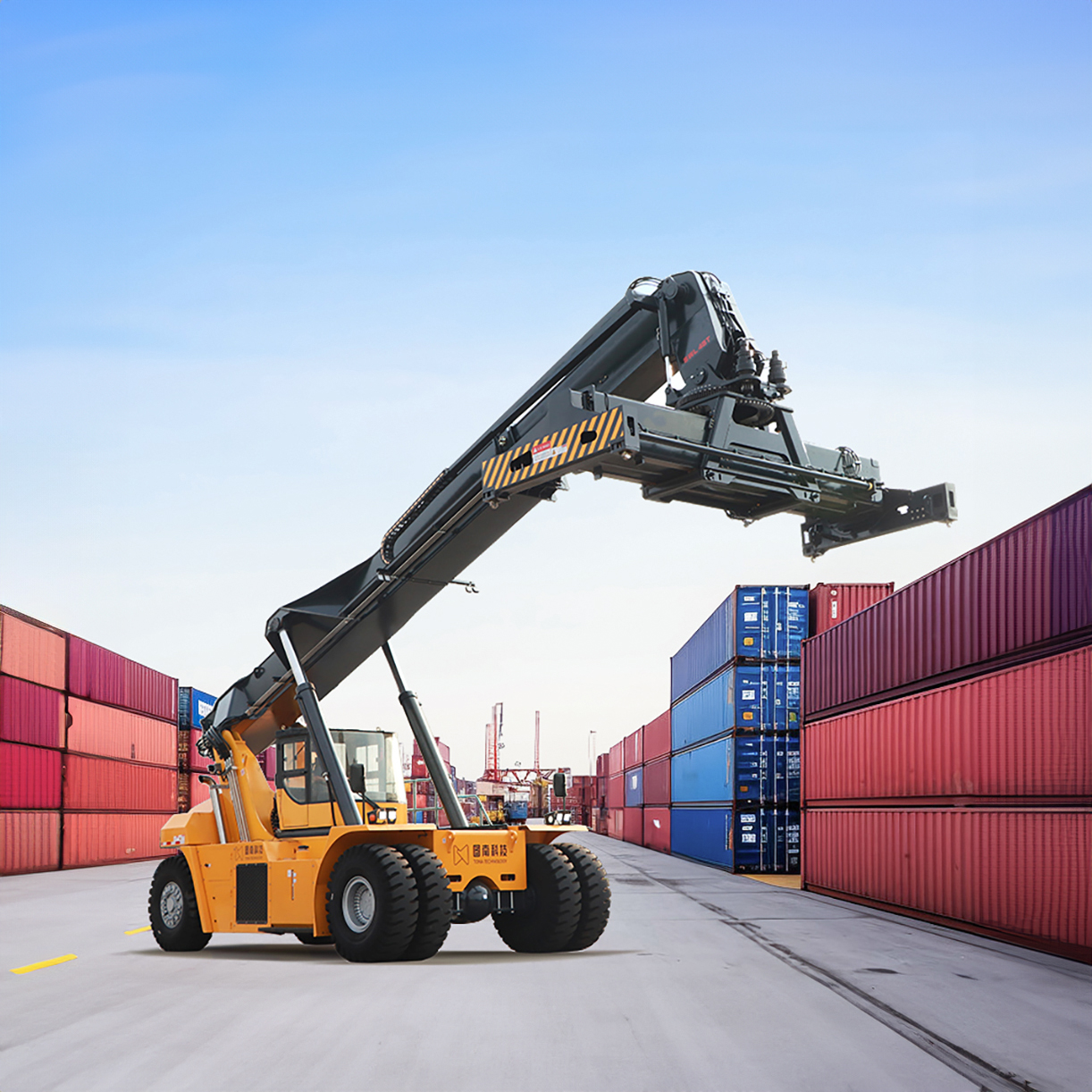
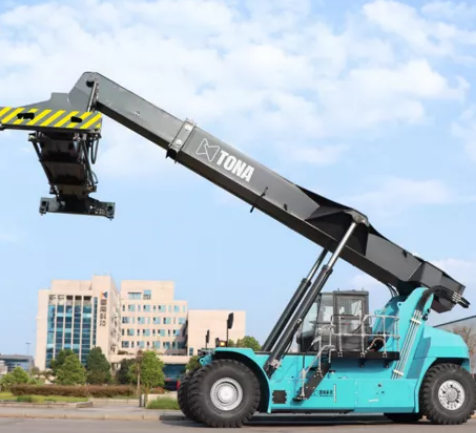
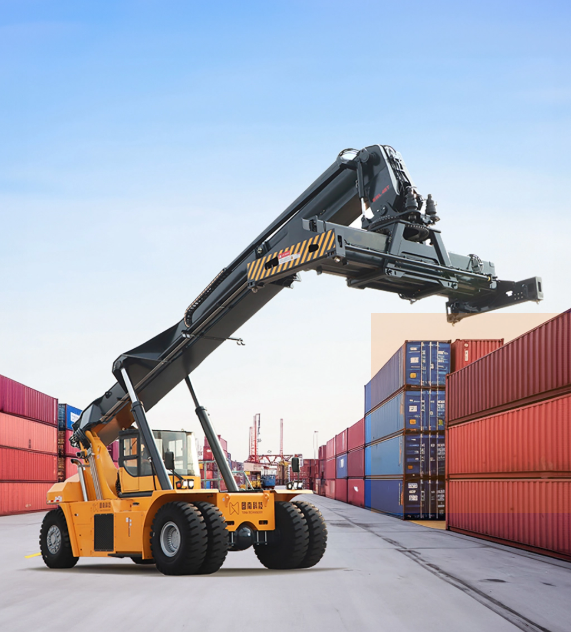
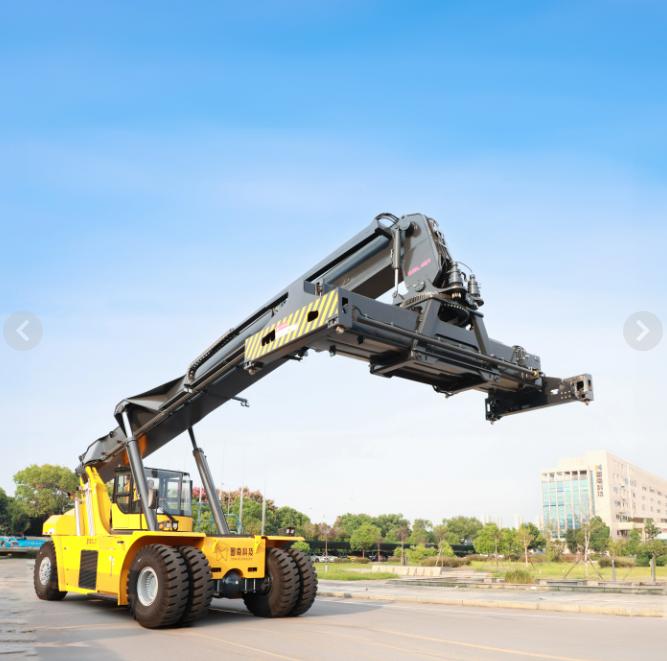
The reach stacker is a versatile and maneuverable piece of equipment used in container yards. Unlike forklifts, reach stackers can extend both vertically and horizontally, making them ideal for stacking containers up to several layers high. This flexibility allows them to move containers over long distances and navigate narrow aisles. Reach stackers are particularly useful in smaller ports or yards with limited space, as they offer a balance of lifting capacity and maneuverability. Their ability to stack containers vertically is essential for maximizing storage space in tight areas.
Conveyor Systems
In warehouses or distribution centers, conveyor systems are often used for unloading containers that carry bulk or packaged goods. These automated systems transport items from the container directly onto conveyor belts, which move them into storage or other parts of the facility. Conveyor systems reduce manual labor, increase efficiency, and streamline the unloading process, making them ideal for environments where containers carry large quantities of similar goods, such as packages or boxes.
Side Loader and Tilt Tray Systems
Side loaders and tilt tray systems are commonly used to unload containers in specialized settings. Side loaders, which are designed to pick up and unload containers from the side, are highly efficient when space is limited. These systems can unload containers without requiring a dock, making them suitable for remote or mobile unloading applications. Tilt tray systems, on the other hand, use inclined surfaces to roll containers off and onto waiting trucks or other equipment, allowing for a smooth transition of goods.
How to Improve Container Unloading Efficiency
Improving container unloading efficiency requires a strategic approach to equipment selection, workflow optimization, and safety protocols. Here are a few best practices to enhance unloading processes:
Invest in automated unloading systems to reduce labor costs and increase speed.
Use reach stackers and other multi-functional equipment to handle containers flexibly and maximize space usage.
Ensure regular equipment maintenance to prevent delays caused by mechanical failure.
Plan the unloading workflow to minimize bottlenecks and ensure smooth transitions between unloading and storage stages.
Implement safety measures, such as worker training and protective equipment, to reduce accidents and increase productivity.
Industry Viewpoints on Container Unloading Methods
Midstate Containers
Midstate Containers recommends using a mix of cranes, reach stackers, and forklifts to efficiently handle different container unloading scenarios. They emphasize the importance of choosing the right equipment based on yard space and the type of cargo, with reach stackers offering the best flexibility for smaller yards.
Labor Loop
Labor Loop highlights the importance of manual unloading methods for smaller, low-volume operations. They suggest using pallet jacks and forklifts to move containers across short distances when a large-scale crane or reach stacker is unnecessary.
IncoDocs
IncoDocs advocates for a well-balanced unloading setup that includes cranes, reach stackers, and forklifts, depending on the operational size and container type. They stress the need for regular maintenance and careful equipment selection to prevent delays.
SmartTEH
SmartTEH focuses on the role of technology in improving unloading efficiency, particularly with automated systems. They highlight that using automated reach stackers and conveyor systems can dramatically speed up unloading operations while reducing manual labor.
Expert Logistics
Expert Logistics emphasizes the use of flexible unloading methods such as side loaders and tilt tray systems, which allow for container unloading in confined spaces or remote locations. They advocate for a multi-method approach to handle diverse unloading scenarios.
Safety and Best Practices
Safety is paramount in container unloading operations. Businesses should implement proper safety measures, including worker training, regular equipment inspections, and the use of personal protective equipment (PPE). Furthermore, following OSHA guidelines for equipment operation and maintenance will help minimize accidents and ensure smooth operations. Operators should also be trained in handling containers securely to prevent mishaps during the unloading process.
Future Trends in Container Unloading Methods
The future of container unloading is likely to see more automation and smart technology integration. Automated guided vehicles (AGVs) and robotic systems are becoming more common, allowing for faster and more accurate unloading processes. Additionally, the use of electric equipment and environmentally friendly technologies is expected to increase as the industry focuses on sustainability. Innovations in data analytics will also help businesses track unloading performance and optimize workflows in real time.
Conclusion
In conclusion, selecting the right container unloading methods and equipment is essential for improving operational efficiency, reducing costs, and ensuring safety. From manual unloading to the use of advanced machinery like cranes, forklifts, and reach stackers, each method offers distinct advantages depending on the operational context. By incorporating best practices, investing in the right equipment, and keeping up with industry trends, businesses can significantly enhance their unloading processes, ensuring smooth operations and satisfied customers.
FAQ Section
What unloading method is best for smaller warehouses?
For smaller warehouses, reach stackers and forklifts are often the most practical solutions. They allow for efficient movement and stacking of containers in tight spaces.
When should I choose a reach stacker over a forklift?
Reach stackers are ideal for operations where containers need to be moved vertically and horizontally over longer distances. They are more flexible than forklifts and can handle taller stacks, making them suitable for container yards with limited space.
Can containers be unloaded without heavy machinery?
Yes, smaller or lighter containers can be unloaded manually using tools like pallet jacks or conveyor systems, especially in low-volume operations.
Related Blogs
-
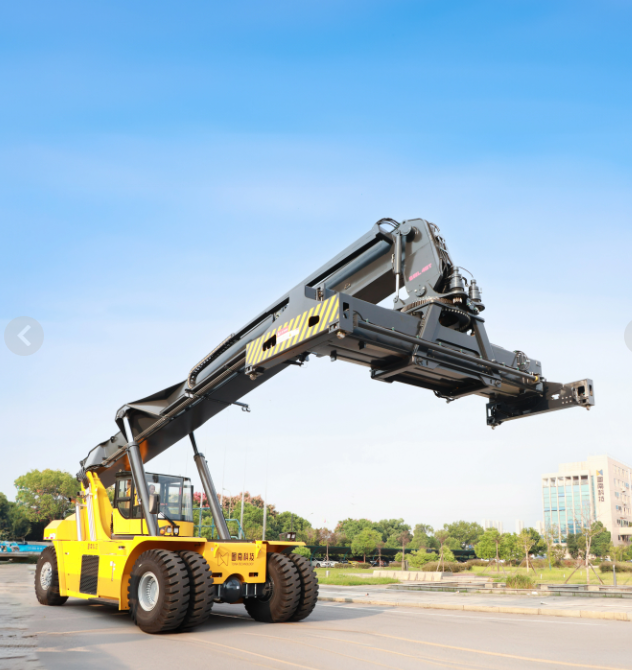 This guide walks through a practical, port-ready workflow—before arrival, on the quay, in the yard, and at the gate—so you can reduce delays, improve handling quality, and choose the right equipment (including the reach stacker) for each step.hot blog
 -
 This guide breaks down the most important factors that affect container unloading service quality, including labor readiness, equipment fit, process discipline, technology, and the role of a reach stacker in yard efficiency. Use it as a practical checklist when comparing providers or improving your internal unloading process.hot blog
 -
 How to Book a Container Unloading Service QuicklyWhen you need a container unloading service fast, “quick booking” is only half the job. The real goal is to secure the right crew, the right time window, and the right site setup so unloading starts on schedule and finishes without delays.hot blog
 -
 If you’re searching for a container unloading service, you’re probably not just paying for “extra hands.” A truly professional team brings a repeatable process that protects your freight, keeps the dock moving, and leaves you with clear receiving records you can trust.hot blog