
Struggling with material spills and workplace injuries on the factory floor? Dumping, pouring, or transferring bulk materials safely remains a major operational bottleneck for many plant managers. To mitigate product loss and protect floor workers, modern facilities are rapidly turning to specialized industrial machinery. Implementing reliable bulk container rotary equipment serves as the ultimate engineering solution for securely gripping, tipping, and emptying heavy receptacles. These handling systems come in various configurations. They are primarily divided between mobile forklift attachments and dedicated standalone lifting trucks. Ultimately, maximizing your return on investment depends entirely on matching the right mechanical setup to the specific physical properties of your payload. This comprehensive guide explores exactly which materials suit these machines. We will dive into the operational realities you face daily and outline how to select the perfect mechanical setup for peak industrial efficiency.
Key Takeaways
Unmatched Versatility: Rotary handling systems are highly adaptable. Engineers specifically design them to process a vast spectrum of materials, ranging from fine agricultural powders to dense industrial scrap and viscous slurries.
Equipment Variations: The decision between utilizing a forklift attachment and a dedicated lifting truck relies heavily on your facility layout, existing vehicle fleet, and specific throughput volume.
Material Properties Dictate Design: Four critical factors—flowability, bulk density, abrasiveness, and moisture content—serve as the primary variables determining the mechanical requirements of your inversion equipment.
Industry-Specific Customization: Different manufacturing environments demand tailored features. Food processing requires sanitary stainless-steel construction. Heavy construction necessitates reinforced hydraulics for abrasive aggregates.
Measurable Efficiency and ROI: Deploying the correct rotary mechanism systematically reduces manual labor dependencies. It mitigates material spillage and stabilizes high-volume manufacturing cycles for a clear, rapid return on investment.
Understanding the Mechanics of Rotary Handling
At its core, this machinery represents a specialized category of material handling technology designed to elevate and invert heavy containers. By enabling up to 360 degrees of controlled rotation, these mechanisms allow operators to empty intermediate bulk containers, gaylord boxes, and steel hoppers with absolute precision. Manual hoisting methods compromise safety and efficiency. Mechanizing the tipping process, however, ensures consistent material flow while safeguarding the structural integrity of the bin.
The Mobile Solution: Forklift Truck Attachments
This variation functions as a modular add-on mounting directly onto the carriage of a standard counterbalance lift. It effectively transforms a conventional vehicle into a dynamic, mobile tipping machine. By tapping into the existing hydraulic circuit, the attachment provides robust clamping and rotating capabilities. For instance, an advanced bulk container rotary forklift truck attachment like the TCZ400R series integrates seamlessly with standard masts. It delivers high-torque continuous rotation ideal for expansive facilities requiring agile material transport across various warehouse zones.
The Stationary Powerhouse: Dedicated Lifting Trucks
In contrast to a modular attachment, this is a standalone piece of machinery engineered from the ground up for heavy inversion tasks. Featuring its own chassis, heavy-duty mast, and dedicated hydraulic power unit, this system thrives in stationary high-volume production lines. A rugged bulk container rotary lifting truck such as the TR350R model excels in demanding environments. Extremely heavy loads or repetitive dumping cycles would cause premature wear on a standard multipurpose forklift, making the dedicated truck a superior long-term investment.
Industry Trends: The Shift Toward Automated Material Handling
Recent market analyses indicate a massive shift in how processing plants approach bulk material handling. Tightening workplace safety regulations globally place a growing emphasis on minimizing human interaction with hazardous loads. Facilities are rapidly transitioning from rudimentary crane hoists to precision-controlled rotary systems. Industry data shows surging demand for customized inversion equipment, particularly in sectors dealing with volatile chemicals and fine powders. Stricter airborne silica and combustible dust regulations force plant engineers to prioritize enclosed, metered pouring solutions. This trend highlights a broader industrial movement. Modern plants must prioritize ergonomic safety without compromising high-throughput efficiency.

Categorizing Materials: What Can You Handle?
The physical state and kinetic behavior of the payload strictly govern the effectiveness of any inversion equipment. Below is a detailed engineering breakdown of the broad material categories structurally suited for rotary handling.
Dry Powders and Granules
Common examples include wheat flour, Portland cement, pharmaceutical powders, and plastic polymer resins. Handling these substances presents a unique operational hurdle. You must mitigate airborne particulate matter. Rotary mechanisms are exceptionally suited for these tasks because they facilitate slow, metered pouring. By fine-tuning the hydraulic rotation speed, operators manage the exact flow rate. This drastically reduces dust clouds, prevents expensive product loss, and minimizes combustible dust risks in enclosed spaces.
Solid Aggregates and Chunks
This classification encompasses dense, unforgiving materials such as crushed gravel, silica sand, river rocks, and mined raw ores. Their primary characteristic is an exceptionally high bulk density. This renders manual emptying physically impossible and structurally hazardous. High-torque hydraulic motors effortlessly manage the extreme weight shifts occurring when solid aggregates slide forward during the tipping process. The equipment maintains absolute stability under massive kinetic loads.
Irregular and Scrap Materials
Industrial environments frequently process metal shavings, wood offcuts, stamped metal skeletons, and general recycling waste. These irregular loads often feature sharp edges and highly unpredictable weight distribution. Utilizing automated handling allows for the safe transfer of hazardous scraps into larger disposal bins or industrial balers. Consequently, this completely removes floor personnel from the primary danger zone and eliminates severe laceration risks.
Viscous Liquids and Slurries
While often associated with dry goods, inversion technology proves equally effective for liquid states. This includes food-grade pastes, cosmetic creams, and dense industrial sludges. The main challenge here is the free surface effect. Liquids tend to slosh and dynamically shift the load center of gravity. A high-quality mechanism provides smooth, uninterrupted continuous rotation. This ensures complete evacuation of viscous materials without sudden jerks that cause hazardous splashing.
Core Comparison: Forklift Attachment vs. Dedicated Lifting Truck
To simplify your procurement strategy, review this direct comparison based on real-world engineering applications.
Feature / Requirement | Forklift Rotary Attachment (e.g., TCZ400R) | Dedicated Rotary Lifting Truck (e.g., TR350R) |
|---|---|---|
Primary Application | Transporting and dumping across large facilities | Stationary or localized high-volume dumping |
Load Capacity | Moderate to High depending on the host forklift | Extremely High engineered for specific heavy loads |
Facility Footprint | Requires wide aisles for forklift maneuverability | Compact chassis options available for tight spaces |
Installation Time | Quick integration into existing hydraulic circuits | Ready to use standalone out of the box |
Best Suited Materials | Plastics, agricultural goods, standard scrap | Heavy ores, dense slurries, compacted recycling |
Operational Realities: Matching Material Properties to Equipment Features
Procuring material handling equipment based solely on static weight capacity is a critical engineering error. In real-world industrial environments, the dynamic physical behavior of the material during inversion dictates the necessary mechanical features.
Flowability Versus Bridging
Flowability refers to a material's ability to move under gravity. Free-flowing materials empty easily. Cohesive materials like damp soil, clay, or sticky pharmaceutical powders tend to clump. They often form a structural arch over the discharge opening, a phenomenon known as bridging or rat-holing. To combat this operational reality, rotary equipment handling cohesive materials must achieve severe tipping angles beyond standard limits. Plant engineers often specify auxiliary pneumatic vibration modules to force stubborn material out.
Abrasiveness and Component Wear
Highly abrasive materials, including crushed glass shards and metal slag, cause rapid deterioration of handling equipment. When these materials slide out of a container, they create severe friction against the clamping arms. If you handle abrasives, the rotary grips and physical contact points must feature reinforced, replaceable polyurethane or hardened steel wear pads. Furthermore, you must precisely calibrate clamping pressure to prevent the bin from shifting and causing abrasive damage during rotation.
Managing Dynamic Bulk Density
Understanding bulk density remains paramount for overall facility safety. A container filled with plastic pellets weighs significantly less than the exact same container filled with wet sand. Engineers must calculate the dynamic payload shift. As the material slides forward during a pour, it extends the load center of gravity away from the backrest. You must ensure the total dynamic weight does not exceed the derated safe working load of the equipment during the most vulnerable point of the rotation cycle.
Does the Payload Dictate the Equipment Build Material?
The chemical and environmental nature of the bulk material directly influences the metallurgical construction of the rotary equipment itself. Investing in the wrong alloy can lead to rapid corrosion or severe product contamination.
Stainless Steel for Sanitary Compliance
Handling raw food ingredients, pharmaceutical compounds, or corrosive chemicals makes cross-contamination a critical risk. In these strict environments, the equipment contact parts and clamping arms must consist of high-grade stainless steel. Stainless steel resists corrosion and prevents rust contamination in the product stream. It easily withstands the harsh, caustic washdown chemicals utilized during daily facility cleaning protocols.
Carbon Steel for Industrial Durability
For general manufacturing, waste management, and heavy aggregate handling, sanitation is not the primary concern. Sheer tensile strength and impact resistance take absolute precedence. In these punishing environments, equipment constructed from heavy-gauge carbon steel or alloy steel proves optimal. It offers superior structural rigidity to absorb the kinetic shock of handling heavy scrap bins. Manufacturers typically treat these units with industrial-grade powder coating to protect against environmental degradation.
The Ultimate Buying Guide: Choosing the Right Rotary Equipment
Investing in dedicated material handling machinery requires a rigorous, objective assessment of your operational variables. Plant managers and procurement officers should follow this structured evaluation framework to ensure optimal equipment selection.
Begin by auditing the exact material you intend to handle daily. Document the physical state, calculate the maximum bulk density, and record the moisture content. Identify any hazardous properties such as combustibility. If your facility processes multiple materials, always base your engineering specifications on the heaviest and most cohesive substance in your inventory. This guarantees the machine is never underpowered.
Next, analyze the spatial constraints of your facility floor. Measure the width of your warehouse aisles, ceiling clearances, and the turning radius required at the active dumping station. Operating in narrow, confined aisles often necessitates a compact walk-behind rotary lifting truck. Conversely, wide open spaces requiring long-distance material transport make a forklift-mounted attachment the superior choice for operational speed.
Finally, standardize your container audit. Rotary machinery only proves effective if it securely grips your specific receptacles. Measure your rigid totes, flexible bulk bags, collapsible boxes, or custom-fabricated steel bins. Ensure the equipment hydraulic clamping mechanism and top-arm stabilizers are geometrically compatible. Proper compatibility prevents crushing the bins or accidentally dropping the load during a high-angle pour.
Conclusion
Selecting the ideal material handling machine goes far beyond simply checking a weight capacity chart. Your choice directly impacts the daily safety of your workforce and the operational efficiency of your entire production line. Thoroughly evaluate your specific bulk materials by carefully considering flowability, dynamic density, and your unique facility layout. Matching mobile attachments to transport-heavy tasks and dedicated lifting trucks to stationary, heavy-load environments sets the foundation for seamless operations. Ready to eliminate material handling bottlenecks? Explore the robust lineup at Tona-Tec to find the exact mechanical setup tailored for your industrial payload today.
FAQ
Can a bulk container rotary forklift truck handle liquid materials?
Yes. Provided the container is properly sealed or the rotation speed is controlled smoothly via precision hydraulics, rotary forklift trucks are excellent for pouring viscous liquids, industrial slurries, and food pastes without causing dangerous or wasteful splashing.
What is the maximum weight capacity for typical bulk container rotary equipment?
Capacities vary widely based on the specific model and engineering design. Standard forklift attachments typically handle payloads ranging between 1,000 to 4,000 lbs. Heavy-duty dedicated lifting trucks are engineered to handle significantly higher payloads often exceeding 6,000 lbs for rigorous industries like mining and metallurgy.
How do you handle materials that tend to bridge or rat-hole?
For highly cohesive materials like damp clay or sticky powders that refuse to flow freely, engineers recommend equipping the rotary unit with auxiliary pneumatic vibrators. Additionally, selecting a unit capable of exceeding standard tipping angles helps force stubborn materials out of the receptacle effectively.
What maintenance is required for the hydraulic rotation mechanism?
Routine maintenance involves inspecting hydraulic hoses for micro-leaks, checking fluid levels, and greasing the primary rotation gear bearing. Keeping the mechanical contact points clean from abrasive dust buildup is also crucial to prolonging the lifespan of the rotary actuator and clamping cylinders.
Are there specific materials that require special equipment ratings?
Highly volatile, combustible, or explosive materials require specially rated explosion-proof rotary equipment to prevent static discharge or sparks. Materials that solidify rapidly, such as quick-setting concrete or industrial resins, must be handled swiftly to prevent hardening inside the container during the rotation process.
How does a dedicated rotary lifting truck improve industrial efficiency?
It entirely eliminates the need for manual shoveling or unsafe overhead hoisting. This reduces the time it takes to empty heavy bulk bins from several minutes to mere seconds. It provides controlled, precise pouring which minimizes product loss due to spillage, directly improving the facility bottom line and resource utilization.
Related Blogs
-
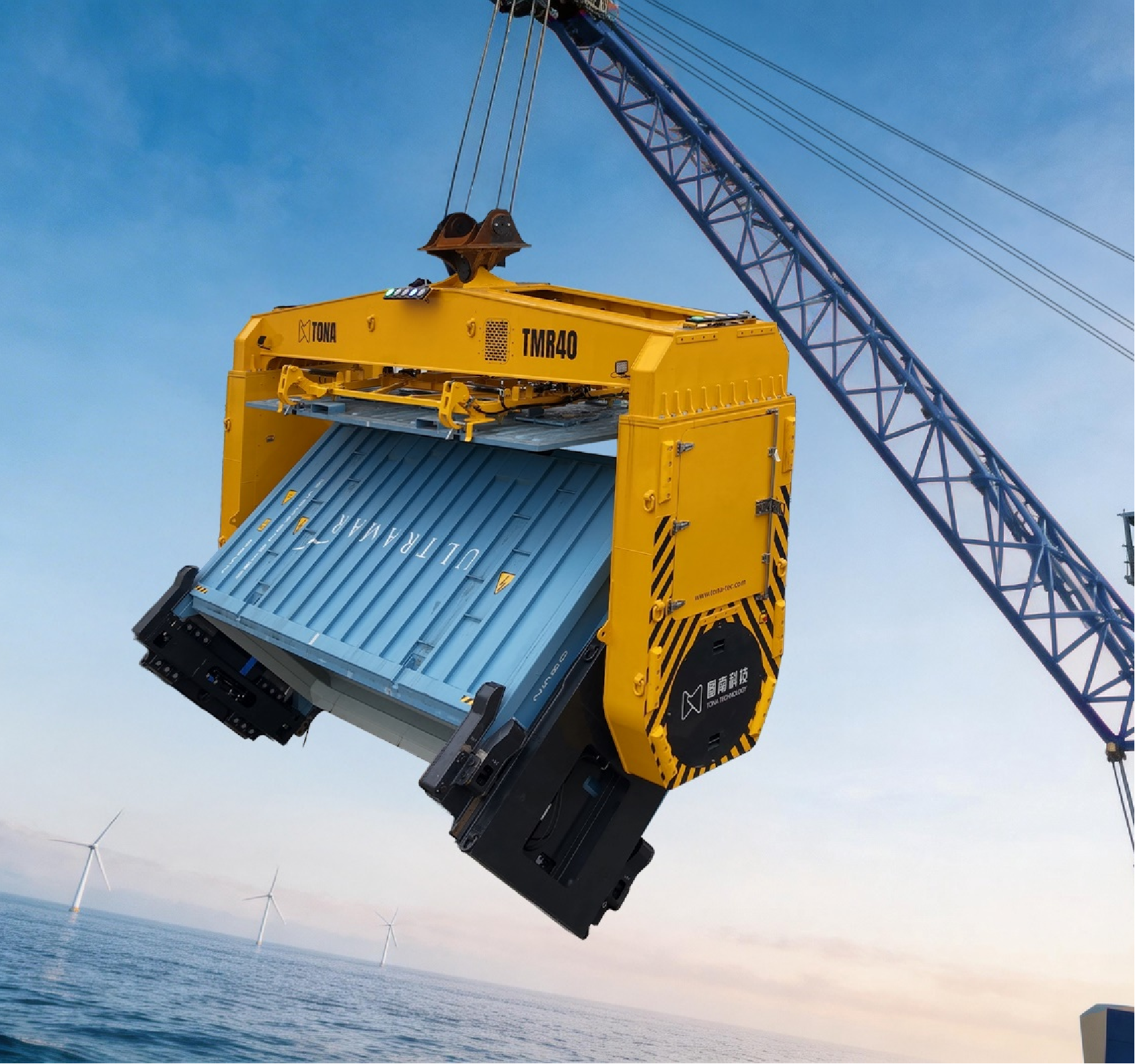 Optimize bulk material handling with container rotating spreaders. Maximize safety and efficiency by pairing these attachments with open-top or half-height containers.
-
 Inadequate terminal surfaces cause severe accidents. Learn to match electric or fuel-powered empty container handlers to specific yard terrains to maximize safety and efficiency.
-
 Operating heavy reach stackers requires robust ground to handle massive axle loads. This guide details essential pavement and safety standards to prevent equipment rollovers.
-
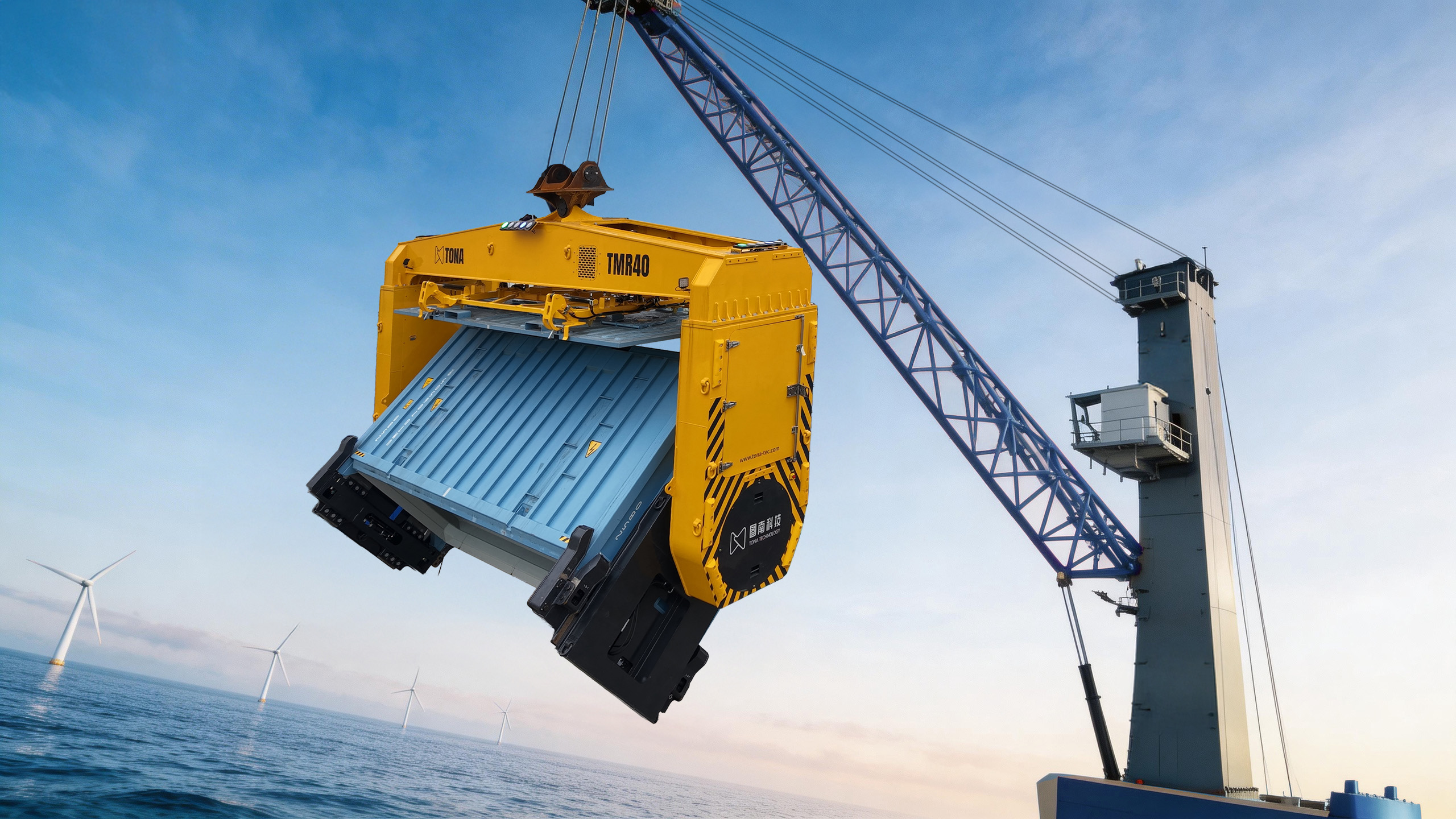 Master bulk container rotary equipment selection. Learn to calculate dynamic load shifts, match hydraulic torque, and prevent catastrophic failures.