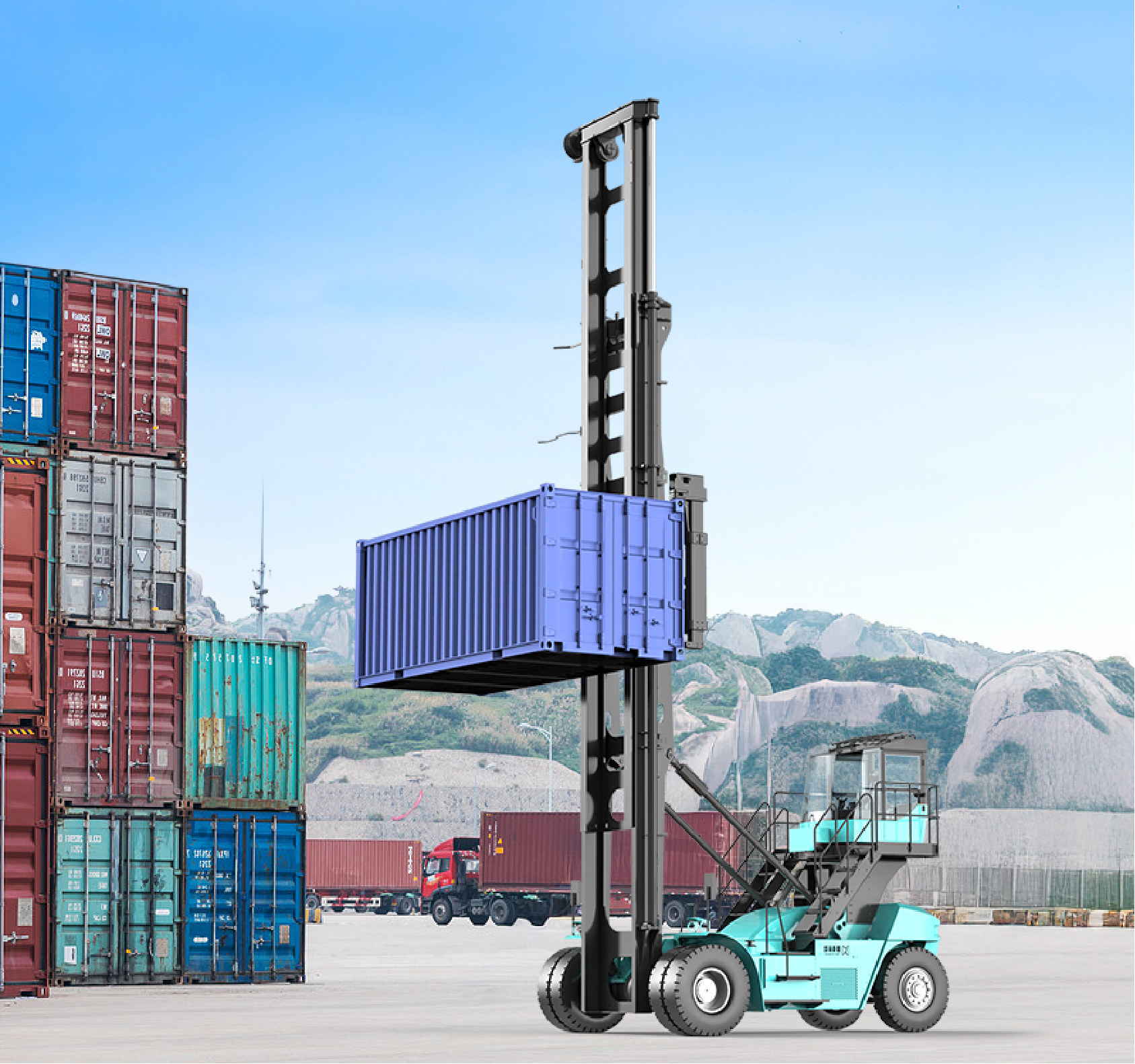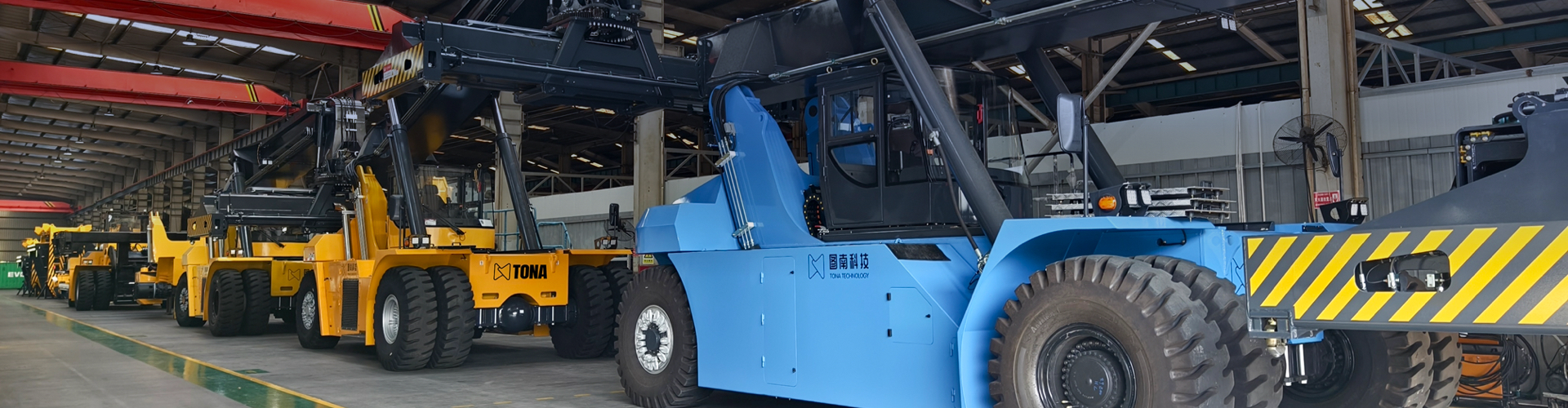

Lifting, rotating, and dumping heavy bulk materials present severe mechanical and safety challenges on the facility floor. High-throughput industrial environments demand absolute precision to maintain production schedules. Mismatching load characteristics—such as weight, density, and flowability—with your handling equipment leads to catastrophic mechanical failure. A compromised center of gravity creates dangerous dynamic instability, risking tip-overs and severe operational bottlenecks. You need a rigorous technical evaluation framework to prevent these hazards. Matching specific load profiles to the correct rotary lifting mechanisms prevents downtime and protects your workforce. This applies whether you handle standard industrial bins or heavy-duty ISO freight containers. We will detail how to configure your equipment for optimal safety, structural integrity, and maximum throughput. Proper specification ensures your operation runs without interruption.
Dynamic Load Shifts Dictate Equipment Choice: The behavior of the material during rotation (e.g., shifting center of gravity) is as critical as the static weight when specifying bulk container rotary equipment.
Container Standardization Matters: Equipment must align with container types, whether handling 2,000-pound light-duty tilt trucks or utilizing specialized rotary lift lugs for 36,000-pound ISO 668 freight containers.
Hydraulic Torque vs. Static Capacity: Evaluating a bulk container rotary forklift truck requires analyzing rotational torque capabilities, not just vertical lifting limits.
Safety and Compliance are Non-Negotiable: Proper specification mitigates the high implementation risks associated with dynamic instability and ensures compliance with OSHA and ANSI material handling standards.
Defining Success Criteria for Bulk Container Rotary Equipment
Auditing your current material handling workflows establishes a baseline for equipment selection. You must track specific operational metrics to determine the exact mechanical requirements for your facility. Cycles per shift dictate the necessary hydraulic cooling capacity. High-cycle operations generate significant heat in hydraulic fluid, which degrades seals and reduces lifting power over an eight-hour shift. Dump height influences mast stability and requires careful counterweight calculation. Rotation angle determines the complexity of the attachment. A 180-degree forward dumper requires different securing mechanisms than a continuous 360-degree rotator. Environmental constraints also play a major role. Corrosive environments, such as chemical processing plants or salt handling facilities, demand galvanized components, sealed bearings, and specialized protective coatings on all exposed cylinder rods.
Standard forklifts handle static vertical loads efficiently. They fail quickly under lateral and rotational stress. Standard carriages warp when subjected to off-center torque during a dumping cycle. The mast channels experience uneven wear, leading to premature roller failure. Specialized rotary dumping requires reinforced carriages designed to absorb torsional forces. The hydraulic systems on standard lifts often lack the flow rate needed for smooth rotation. Jerky movements during a dump cycle cause material spillage and shock-load the mast. You must evaluate the base machine's ability to handle these dynamic forces before adding any rotational attachments.
Establishing value metrics ensures your equipment choice delivers measurable operational improvements. Measure success by tracking reduced manual handling hours. Operators should remain in the cab during the entire dump cycle, eliminating the need for floor personnel to manually unlatch bins or guide loads. Monitor decreased cycle times. A properly specified rotator empties containers faster and more safely than manual rigging or overhead cranes. Minimized material spillage directly impacts your facility's cleanliness and reduces product waste. Track the volume of spilled material per shift before and after implementation to quantify the improvement in load control.
Operational Metric | Standard Forklift Capability | Rotary Equipment Requirement | Impact of Mismatch |
|---|---|---|---|
Carriage Stress Tolerance | Vertical load bearing only | High torsional and lateral resistance | Warped carriage bars, broken welds |
Hydraulic Flow Rate (GPM) | Low to medium (lift/tilt) | High continuous flow for rotation | Stalling mid-rotation, jerky movement |
Load Center Stability | Static 24-inch load center | Dynamic, shifting load center | Forward tip-overs, loss of steering control |
Duty Cycle Heat Dissipation | Standard reservoir cooling | Auxiliary hydraulic coolers required | Blown seals, fluid degradation |
Categorizing Load Profiles and Duty Ratings
Defining the spectrum of material handling needs begins with establishing accurate duty ratings. Light-duty bulk containers typically hold between 750 and 2,000 pounds. These applications often involve manufacturing scrap, plastic pellets, or agricultural byproducts. Extreme heavy-duty industrial lift systems manage loads ranging from 15,000 up to 105,000 pounds. These extreme applications require heavily modified chassis, specialized rigging, and custom-engineered masts. Matching the duty rating to the load profile prevents premature equipment failure and ensures the machine can handle the physical realities of the material being moved.
Free-Flowing Dry Bulk (Grains, Pellets, Powders)
Free-flowing materials exhibit predictable flow characteristics. The center of gravity shifts steadily as the container rotates. This predictability allows operators to maintain control during the dump cycle. Dust control remains a primary concern when handling powders, cement, or grains. Smooth rotational speed prevents material aeration. Sudden jerks cause dry bulk to billow, creating respiratory hazards and combustible dust risks. A properly calibrated bulk container rotary lifting truck ensures a controlled, steady pour. You must specify attachments with precise metering capabilities to control the discharge rate into hoppers or processing vats.
When handling dry bulk, the equipment must also resist fine particulate ingress. Powders easily bypass standard seals and contaminate rotational bearings. Specify heavy-duty bearing seals and enclosed gear drives to maximize uptime. Regular greasing purges contaminants from the bearing races, but a sealed system provides the best baseline defense against abrasive dust.
High-Density and Abrasive Materials (Scrap Metal, Aggregates)
Scrap metal, foundry sand, and aggregates rarely distribute evenly inside a container. This asymmetrical loading creates severe off-center forces that test the structural limits of the mast. Sudden discharge causes violent shock loading on the truck’s hydraulic system. When a heavy piece of steel scrap drops from the bin, the sudden release of weight jolts the entire mast upward. You must specify heavy-duty carriages to withstand this abuse. Reinforced attachments resist abrasive wear from jagged materials.
Standard forks and locking pins degrade rapidly when exposed to abrasive aggregates. Consider the following upgrades for high-density applications:
Hardox steel wear pads on all contact surfaces.
Oversized planetary gear drives to handle sudden torque spikes.
Reinforced fork pockets on the containers to prevent tearing during rotation.
Dual hydraulic cylinders for bin hold-downs to ensure uneven loads do not force the clamp open.
Liquid and Semi-Liquid Loads (Sludges, Chemical Byproducts)
Handling sludges, slurries, and liquids introduces the dangerous slosh effect. Liquid shifts rapidly when the truck moves, brakes, or tilts. This sudden movement destroys dynamic stability and easily causes tip-overs. Baffled containers mitigate this risk by restricting fluid movement inside the vessel. You must use highly controlled, variable-speed rotary attachments. Operators need the ability to feather the rotation speed using proportional hydraulic valves.
Slow, deliberate rotation prevents the liquid load from surging forward and compromising the truck's balance. If a wave of dense sludge hits the front of the container during a dump cycle, the sudden shift in the center of gravity can pull the rear wheels off the ground. Equipment specified for liquids must include heavy counterweights and restricted tilt angles to maintain a safe operating envelope.

Technical Evaluation Dimensions: Matching Load to Equipment
Calculating the required working load limit depends entirely on the established duty rating. Static weight only tells part of the story. You must account for dynamic capacity. Adding a rotary attachment pushes the load center further away from the mast. This extended load center drastically reduces the net lifting capacity of the truck. This derating process requires precise mathematical calculation based on the manufacturer's inch-pound rating. A truck rated for 10,000 pounds at a 24-inch load center might only safely lift 6,000 pounds once you install a heavy rotary attachment and shift the load center forward to 34 inches.
Evaluating the physical connection points ensures the container remains secure during inversion. Standard fork pockets work for light-duty bins, provided they have mechanical safety pins. Heavy-duty applications demand specialized securing features. ISO 668 type freight containers require engineered rotary lift lugs. These lugs connect lifting slings directly to the bottom side apertures of the container. Four-corner attachment points ensure balanced load distribution during complex lifts. Relying on bottom apertures provides superior structural integrity compared to top-lifting heavily loaded containers, as the floor structure of an ISO container is designed to bear the primary weight.
Proof testing these securing features guarantees operational safety. Manufacturers must test custom lift lugs to 200% of their working load limits. A lug rated for 36,000 pounds must survive a 72,000-pound proof test without deformation. Never deploy untested rigging components in a rotary application. Request the material test reports and proof load certificates for every shackle, lug, and lifting beam integrated into your system.
Calculating the extended load center dictates the required hydraulic torque. The distance from the carriage face to the container's center of gravity acts as a lever arm. A longer lever arm requires exponentially more torque to initiate and control rotation. You must verify that the bulk container rotary forklift truck generates sufficient hydraulic pressure to overcome this rotational resistance safely. If the torque rating is too low, the attachment will stall mid-rotation, leaving a partially dumped load suspended in the air.
Evaluating Bulk Container Rotary Forklift Truck Configurations
Deciding between integrated rotary trucks and aftermarket attachments involves evaluating your operational volume and facility layout. High-volume, continuous-duty applications demand dedicated integrated trucks. These machines feature factory-engineered hydraulics, oversized cooling systems, and reinforced masts designed specifically for torsional loads. The chassis is built around the rotary function, ensuring optimal weight distribution and maximum visibility for the operator.
Retrofitting an existing fleet with aftermarket attachments offers flexibility. This approach requires lower initial capital expenditure and allows you to swap attachments based on daily needs. However, retrofitted trucks often experience accelerated wear because their base chassis was not originally designed for continuous rotary stress. You must carefully monitor mast roller wear and carriage deflection on retrofitted units.
The hydraulic system serves as the heart of any rotary operation. Auxiliary hydraulic functions require precise specifications. Flow rate, measured in gallons per minute (GPM), determines the speed of rotation. Pressure, measured in pounds per square inch (PSI), determines the available torque. Insufficient GPM causes sluggish, jerky rotation. Inadequate PSI prevents the attachment from rotating a fully loaded container. You must match the truck's hydraulic output to the attachment's exact requirements to ensure smooth operation under maximum load.
Hydraulic Symptom | Potential Cause | Required Action |
|---|---|---|
Stalling during rotation | Insufficient PSI or overloaded container | Check relief valve settings; verify load weight |
Jerky or stuttering movement | Low GPM or air in hydraulic lines | Inspect pump output; bleed hydraulic system |
Excessive fluid temperature | High duty cycle without auxiliary cooling | Install high-capacity hydraulic oil cooler |
Drifting when controls are neutral | Worn spool valves or internal cylinder leak | Rebuild control valve; repack rotary cylinders |
Securing mechanisms keep the container attached to the truck during a 180-degree or 360-degree inversion. Gravity works against you during a dump cycle. Hydraulic bin hold-downs clamp the container firmly against the forks, utilizing check valves to prevent pressure loss if a hose bursts. Mechanical locking lugs engage with the container's structural pockets, providing a physical failsafe. Side stabilizers prevent lateral shifting when handling uneven loads. A failure in any of these retention systems results in a dropped load. Redundant securing features provide a necessary safety net for overhead dumping operations.
Implementation Risks and Mitigation Strategies
Dynamic instability stands as the primary risk during rotary operations. Truck tip-overs cause severe injuries and massive facility damage. Mitigating this risk requires a multi-layered approach. Upgrading counterweights offsets the extended load center created by the attachment, but you must ensure the rear axle can handle the additional static weight. Restricting lift heights during rotation keeps the center of gravity as low as possible. Never rotate a fully loaded container at maximum mast extension unless the machine is specifically engineered and rated for that exact maneuver.
Operator training protocols must emphasize smooth hydraulic control and strict adherence to derated capacity charts. Operators must understand how different materials behave during a dump cycle. A sudden shift in scrap metal requires a different reaction than a slow pour of grain. Implement mandatory simulator training or supervised practical testing before allowing operators to handle live loads with bulk container rotary equipment.
High-cycle applications generate significant maintenance overheads. Rotational bearings endure constant friction and heavy loads. Hydraulic seals degrade rapidly under high pressure and heat. Lift chains stretch unevenly when subjected to torsional mast stress. Implementing a realistic preventative maintenance schedule prevents catastrophic in-service failures. Inspect bearings for play weekly. Replace hydraulic filters frequently to prevent fluid contamination. Lubricate mast channels and chains according to the manufacturer's severe-duty intervals.
Regulatory compliance protects your workforce and your operation. Adhere strictly to manufacturer load charts. Ensure all equipment meets ANSI B56.1 safety standards for powered industrial trucks. Documented proof testing is mandatory for all load-bearing components. Keep certification records for custom lift lugs, bottom aperture connectors, and modified carriages on file. Integrating reliable Bulk Container Rotary Equipment requires strict adherence to these engineering and safety standards. OSHA inspectors will immediately look for updated data plates that reflect the derated capacity of the truck with the attachment installed.
Conclusion
Audit your facility's maximum dynamic load and establish the correct duty rating for your specific material.
Identify the exact container interface required, choosing between standard pockets or bottom side apertures for ISO lugs.
Calculate the required rotational torque based on the extended center of gravity before purchasing attachments.
Consult with structural engineers to conduct a comprehensive site audit and arrange for on-site load testing.
FAQ
Q: What is the maximum weight capacity for a bulk container rotary lifting truck?
A: Capacities vary drastically based on the chassis and attachment. Light-duty trucks handle 750 to 2,000 pounds. Extreme heavy-duty industrial systems manage loads from 15,000 up to 105,000 pounds. Always consult the specific derated load chart for the combined truck and attachment.
Q: How do duty ratings impact the selection of rotary equipment?
A: Duty ratings dictate the structural reinforcement required. Light-duty equipment handles predictable, free-flowing materials. Heavy-duty ratings require reinforced carriages, specialized locking lugs, and high-flow hydraulics to survive shock loading from abrasive or asymmetrical materials like scrap metal.
Q: How does a rotary attachment affect a forklift's load capacity?
A: Adding an attachment pushes the load center forward, acting as a longer lever arm against the truck. This extended load center drastically reduces the net lifting capacity. A truck must be mathematically derated by the manufacturer to reflect this reduced safe working load.
Q: Can bulk container rotary equipment handle liquid or semi-liquid loads?
A: Yes, but it requires extreme caution. Liquids create a slosh effect that destroys dynamic stability. Handling liquids requires baffled containers to restrict fluid movement and variable-speed rotary attachments to ensure slow, controlled rotation without surging.
Q: What is the difference between a standard bin rotator and a rotary lift lug for ISO containers?
A: A standard bin rotator uses forks and hydraulic hold-downs to grip industrial bins. Rotary lift lugs are specialized, heavy-duty connection points designed to attach lifting slings directly to the bottom side apertures of ISO 668 freight containers for balanced, four-corner lifting.
Q: How do I calculate the center of gravity for a rotating bulk container?
A: You must calculate the extended load center. Measure the distance from the front face of the carriage to the physical center of the loaded container. This distance, combined with the material's dynamic shifting properties, determines the torque required for safe rotation.
Related Blogs
-
 Maximize terminal TEU capacity without expanding your footprint. Discover how reach stackers solve yard congestion via vertical and block stacking.
 -
 Stop yard congestion and lost revenue. Learn how optimizing depot lanes and deploying the right Empty Container Handler maximizes throughput.
 -
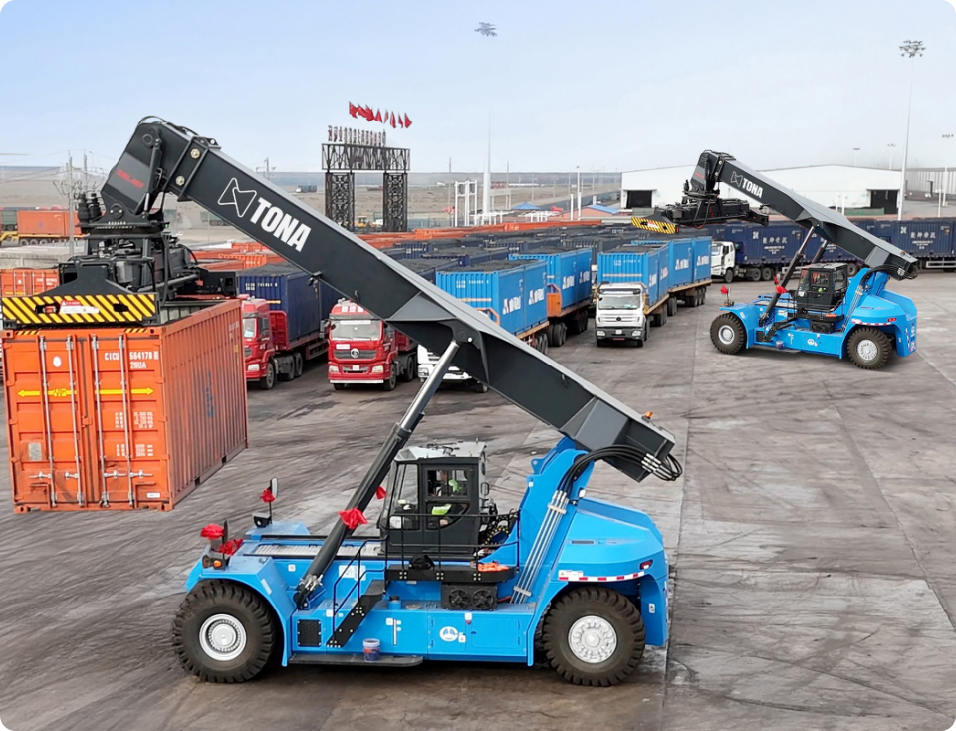 Prevent terminal collisions. Learn to calculate dynamic reach stacker safety zones, assess ground conditions, and safely optimize yard layouts.