

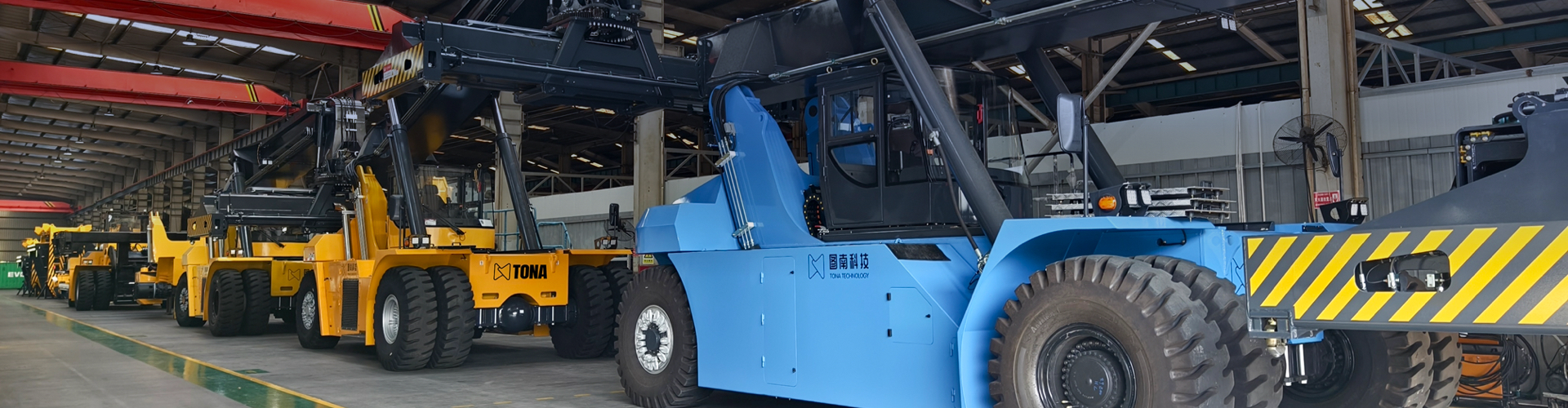

Modern container depots face a harsh operational reality every single shift. Yard space shrinks continuously while throughput demands rise relentlessly. We see a direct correlation between yard congestion and lost revenue on the pavement daily. Poorly designed lane layouts create severe bottlenecks that trap trucks for hours. Mismatched handling equipment compounds this problem significantly. Using loaded top handlers for empty tasks wastes fuel and elevates safety risks for ground personnel. Operators need a structured, highly disciplined workflow to survive these conditions. Aligning yard management best practices with purpose-built equipment solves these bottlenecks permanently. Integrating a dedicated Empty Container Handler fleet maximizes yard efficiency. You must optimize lane dimensions effectively and enforce strict zone segregation. We will cover how to integrate the right handling equipment to maximize throughput, eliminate yard congestion, and keep your depot lanes moving without interruption.
Equipment Alignment: Selecting the right empty container handler—weighing fuel-powered against electric models—requires a strict analysis of duty cycles and grid infrastructure.
Layout Optimization: Efficient depot lanes require precise physical dimensions (minimum 12-foot widths), clear visual signage, and strict segregation between empty and loaded container zones.
Workflow Integration: Combining vertical loading capabilities with interlocking cargo stacking techniques maximizes space utilization while minimizing cargo shift and handling times.
Risk Mitigation: Successful deployment relies on integrating equipment telemetry with Yard Management Systems (YMS) for real-time inventory management and preparing facilities for the infrastructure demands of electrification.
The Role of the Empty Container Handler in Depot Lane Workflows
Defining Baseline Yard Metrics
Establishing baseline metrics remains the mandatory first step in depot efficiency. Operators must measure truck turnaround times (TTT) accurately from the moment a chassis crosses the inbound gate to the moment it exits. Extended TTT destroys supply chain reliability and causes gate queues to back up onto public roads. Moves per hour dictate overall yard throughput. A highly optimized yard should consistently hit 30 or more moves per hour per machine. Maximum stacking height directly impacts your total storage capacity. Stacking containers 8-high saves massive amounts of ground space, but it requires perfect pavement conditions and strict adherence to wind safety protocols. Achieving these metrics requires deploying the correct machinery for the specific task. Equipment mismatch destroys yard productivity and inflates maintenance budgets.
Equipment Distinction: Top Loaders vs. Empty Handlers
Many facilities still make the operational error of using heavy top loaders for empty boxes. Top loaders are engineered specifically for heavy, loaded containers weighing upwards of 30 to 40 tons. They feature massive counterweights, reinforced booms, and heavy-duty twist-lock spreaders. Their design prioritizes raw lifting capacity over travel speed or hoist speed. They are lumbering machines that consume massive amounts of diesel and scrub expensive rubber off their tires during tight turns.
Conversely, an empty container handler is built entirely for agility and speed. These machines handle unladen boxes weighing only 2 to 4 tons. They feature lighter chassis designs, significantly faster hydraulic hoist speeds, and superior operator visibility over the mast. They navigate tight 12-foot depot lanes efficiently and excel at high-stacking unladen boxes safely. Understanding this operational boundary prevents severe workflow inefficiencies. Heavy handlers move slowly and deliberately. Empty handlers dart through lanes rapidly, clearing out sorted boxes and keeping the yard fluid.
Workflow Impact on the Pavement
Deploying the correct machine for specific lane zones transforms daily operations. Unnecessary wear and tear on heavy-duty drivetrains drops immediately. Fuel burn decreases drastically when lighter machines handle the empty boxes. The entire sorting process accelerates, allowing operators to clear gate queues faster. Yard congestion dissipates when equipment matches the task perfectly. A dedicated empty handler fleet keeps the yard fluid, allowing heavy top loaders to remain exclusively in the loaded zones. This strict segregation of duties forms the foundation of modern depot management. It prevents the dangerous scenario of a 40-ton machine crossing paths with a lighter, faster machine in a blind intersection.
Evaluating Equipment: Fuel Powered vs. Electric Models
The Mechanical Reality of Fuel Powered Units
Diesel and HVO models continue to dominate remote facilities and high-demand yards operating around the clock. A fuel powered empty container handler delivers high-torque capabilities reliably through proven internal combustion engines and powershift transmissions. These machines handle continuous, brutal duty cycles effortlessly. They operate 24/7 with minimal downtime. Immediate refueling remains their biggest operational advantage on the pavement. A fuel truck can pull up to the machine, refill the tank in ten minutes, and the operator goes right back to stacking. Operators working in extreme environments, from freezing ports to dusty inland rail ramps, rely heavily on this mechanical resilience.
However, fuel-powered models require rigorous preventative maintenance routines. Technicians must constantly manage engine oil changes, hydraulic filter replacements, and air filter blowouts. Modern diesel engines also require Diesel Exhaust Fluid (DEF) and frequent Diesel Particulate Filter (DPF) regeneration cycles. If an operator ignores a DPF regeneration warning, the machine will derate its power, crippling yard throughput. Facilities must balance the immediate reliability of diesel against these ongoing mechanical demands and increasingly strict local emissions regulations.
The Shift to Electric Drivetrains
Electrification represents a massive shift in yard handling dynamics. An electric empty container handler replaces the diesel engine with a high-capacity battery pack and dedicated electric motors for traction and hydraulics. This setup offers zero tailpipe emissions, eliminating local air quality concerns entirely. Reduced noise pollution provides another massive benefit, which is mandatory for urban depots operating near residential zones at night. Electric drivetrains deliver instant torque to the wheels and the hoist. They feature significantly fewer moving parts, eliminating engine oil changes, transmission fluid flushes, and DPF maintenance entirely.
Adoption requires careful facility planning and heavy civil engineering. High-voltage grid upgrades are mandatory. Depots must secure megawatt-level power from local utilities to support DC fast charging stations. Battery thermal management matters immensely in extreme weather. Extreme cold degrades lithium-ion battery performance rapidly, requiring integrated battery heaters. Intense heat requires robust active liquid cooling systems to prevent thermal throttling during heavy lifting cycles. Operators must schedule charging windows strategically during shift changes or lunch breaks. Unplanned charging downtime destroys truck turnaround times.
Designing Organized Depot Lanes for Top Loader Efficiency
Physical Lane Dimensions and Ground Bearing Pressure
Physical yard layout dictates equipment efficiency and safety. Poorly designed lanes trap machines and force operators into dangerous reversing maneuvers. Industry-standard physical parameters prevent yard accidents. Depot lanes require a minimum width of 12 feet. This dimension accommodates the massive footprint of heavy handlers and provides the necessary clearance for wide tail swings during tight turns. Tight lanes cause container collisions and force operators to crawl at a snail's pace.
Ground surface reinforcement requires serious civil engineering. Top loaders and empty handlers exert massive concentrated axle loads. A loaded machine can easily exceed 100 PSI of ground bearing pressure. Standard asphalt fails rapidly under these repetitive dynamic loads, especially in summer heat. Depots require heavy-duty Portland cement concrete pads in staging areas, typically 12 to 18 inches thick with heavy rebar reinforcement. Weak pavement leads to deep rutting. Rutted lanes destabilize high-stacked containers, creating a severe tip-over hazard. Pavement failure ultimately grounds the entire handling fleet.
Visual Signage and Traffic Control
High-visibility lane marking is absolutely essential for yard discipline. Standard paint fades quickly under heavy tire scrubbing. Depots should use thermoplastic striping or heavy-duty epoxy paints to physically guide operators through the yard. Reflective signage enforces traffic rules clearly and prevents accidental zone crossovers between empty and loaded equipment. Implementing a strict one-way traffic system minimizes reversing maneuvers, which are the leading cause of yard accidents. Machines should drive forward continuously in a loop, eliminating the blind spots behind massive counterweights.
Strategic Zoning and Segregation
Physical separation prevents traffic bottlenecks. Depots must isolate empty container zones from loaded zones using physical barriers like concrete jersey walls. Chassis storage requires its own dedicated footprint away from active lifting zones. Mixing these elements creates chaos on the pavement. Heavy top loaders should never cross paths with empty handlers. Segregation keeps specialized equipment in its optimal environment.
Positioning strategies dictate yard fluidity. High-turnover empty containers belong near the gate interchanges. This minimizes the travel distance per move. Operators can grab an empty box and reach the outbound truck instantly. Slow-moving inventory or damaged boxes should sit at the back of the yard. Strategic zoning reduces unnecessary machine travel, cutting fuel consumption and battery drain simultaneously.
Vertical vs. Horizontal Loading Workflows
Bulk loading introduces unique yard challenges that require specialized workflows. Integrating vertical container loaders eliminates waste and prevents spillage during the stuffing process. Vertical loaders physically stand the 20-foot container on its end at a 90-degree angle. Gravity assists the loading of bulk materials like scrap steel, grain, or raw polymers. This method maximizes internal volume utilization, packing materials far tighter than horizontal loading ever could.
The workflow transition requires precise handling. Once full, the specialized tilter returns the container to the horizontal plane smoothly. The container then enters standard yard transport. Empty handlers or top loaders move the newly horizontal box to the stacking zone. This integration between vertical stuffing and horizontal stacking streamlines bulk logistics and removes manual loading bottlenecks from the depot floor.
Depot Lane Design Parameters | ||
Design Element | Minimum Requirement | Operational Benefit |
|---|---|---|
Lane Width | 12 Feet Minimum | Accommodates tail swing radius and prevents container collisions. |
Surface Material | 12-18" Reinforced Concrete | Withstands concentrated axle loads and prevents dangerous rutting. |
Zone Segregation | Concrete Jersey Barriers | Keeps top loaders and empty handlers physically separated. |
Traffic Flow | One-Way Loop Systems | Eliminates reversing maneuvers and blind-spot accidents. |
Lane Markings | Thermoplastic Striping | Resists heavy tire scrubbing and maintains high visibility. |
Workflow Execution: Maximizing Throughput and Safety
Internal Cargo Stacking and Load Stability
Stability begins inside the shipping container long before a machine ever lifts it. Manual and automated interlocking stacking techniques secure heavy cargo. Warehouse workers employ heavy timber blocking, dunnage, and pneumatic airbags to secure heavy bales or machinery. Proper interlocking prevents cargo shift during transit. An unbalanced container poses severe risks to handling equipment. If a heavy load shifts to one side, it moves the center of gravity unpredictably.
Proper internal stuffing protects the yard operators. A stable center of gravity is mandatory before lifting. When a top loader grabs an unbalanced box, the machine can tip forward or sideways, leading to catastrophic accidents. Interlocking cargo distributes weight evenly across the container floor. Depot managers must audit incoming loads for proper weight distribution. Rejecting poorly stuffed containers at the gate prevents yard accidents.
External Yard Stacking Techniques
External stacking heights carry strict safety limits based on physics and environmental conditions. Empty handlers can stack 5-high to 8-high depending on their specific mast design. However, maximum height is rarely the safest choice. Ground bearing pressure dictates safe stacking limits. Soft ground requires lower stack heights to prevent the bottom container from sinking. Wind load ratings present the greatest environmental hazard in any depot. High winds turn 40-foot empty containers into massive sails.
Install anemometers on the highest light poles to monitor real-time wind speeds across the yard.
Implement block stowage configurations (stacking containers tightly against each other in blocks) to resist wind shear better than single ribbon rows.
Step down the edges of a stack like a pyramid to improve aerodynamic stability and deflect wind over the top.
Establish strict wind thresholds; when winds exceed 35 mph, operators must immediately unstack 8-high columns down to 4-high.
Utilize the YMS to automatically flag high-risk stacks during severe weather alerts.
Traffic Flow and Automated Loading Protocols
Automated Truck Loading Systems (ATLS) revolutionize dock operations and yard flow. ATLS utilizes chain conveyors or skate-strap systems to push entire truckloads of cargo into a container in one single motion. It moves full loads in minutes, drastically reducing dock dwell times. Trucks return to the yard faster, keeping the empty handlers fed with a constant stream of boxes.
Automated gate systems (AGS) pace the arrival of external trucks. AGS utilizes Optical Character Recognition (OCR) cameras to read container numbers and RFID tags on chassis. Automated kiosks print routing tickets for the drivers instantly. This system matches incoming traffic to the actual handling capacity of the yard fleet. It prevents gate queues from spilling onto public roads. Pacing the flow ensures empty handlers are never overwhelmed by sudden surges in truck volume.
Implementation Risks and Mitigation Strategies
Infrastructure and Facility Readiness
Underestimating civil engineering requirements derails electrification projects and yard expansions constantly. Electric handler charging pads demand massive concrete foundations to support the static weight of the machines during charging. Top loader lanes require deep sub-base reinforcement. Standard yards cannot support this new infrastructure without significant modification. High-voltage trenching disrupts daily operations and requires tearing up existing pavement.
Conduct comprehensive soil borings to determine the exact load-bearing capacity of the native subgrade.
Hire structural engineers to design concrete mix specifications tailored to the specific axle weights of your fleet.
Verify grid capacity with local utility providers at least 12 months prior to ordering electric equipment.
Build charging infrastructure in phased zones to keep portions of the yard operational during heavy construction.
Operator Training and Change Management
Productivity often dips during equipment transitions. Moving from legacy fuel-powered machines to electric models challenges operators. Electric drivetrains deliver high torque instantly, which can cause operators to spin tires if they apply too much throttle. Regenerative braking alters how the machine decelerates. When the operator lifts off the accelerator, the electric motor acts as a generator, braking the machine aggressively to feed power back to the battery. New cabin ergonomics require muscle memory adjustments.
Implementing simulator-based training mitigates this risk entirely. Simulators allow operators to feel the regenerative braking curve safely before stepping into a real machine. Phased rollouts prevent yard-wide slowdowns. Introduce new machines one shift at a time. Pair your most experienced operators with the new technology first. Let them establish the baseline handling characteristics and write the internal standard operating procedures. Proper change management turns operator skepticism into enthusiastic adoption.
Yard Management System (YMS) and Inventory Management
Siloed data destroys yard efficiency. Equipment operating independently of inventory tracking creates chaos. It leads to lost containers, wasted moves, and excessive fuel burn. Poor layout optimization results from blind equipment dispatching. Operators spend hours hunting for specific empty boxes buried in the middle of a stack.
Mandating API-ready telemetry solves siloed data. All new empty handlers must feed real-time location data, twist-lock engagement status, and hoist load data directly into the depot's YMS via cellular or yard-wide Wi-Fi networks. This integration provides total yard visibility. Utilizing the YMS automates FIFO (First-In, First-Out) retrieval queues. The system tracks container dwell times accurately. It directs operators to the exact GPS coordinates of the target box via an in-cab screen. Streamlining depot management requires this seamless software-to-hardware connection.
Conclusion
An organized depot lane workflow relies on absolute synergy between your physical layout, your software systems, and your heavy equipment. Physical yard layouts must match inventory management practices perfectly. The specific handling equipment deployed must fit the lane design and the ground bearing pressure limits. Mismatched elements create immediate bottlenecks and safety hazards. Success requires strict discipline in lane marking, zoning, and equipment deployment.
Audit your current yard pavement and lane dimensions to ensure a strict 12-foot minimum clearance for all handling equipment.
Install high-visibility thermoplastic lane markings and concrete jersey barriers to physically segregate empty and loaded container zones.
Initiate a localized grid capacity assessment with your utility provider to determine the feasibility of deploying electric handling equipment.
Request detailed telemetry API specifications from equipment manufacturers to ensure seamless integration with your existing Yard Management System.
FAQ
Q: What is the minimum lane width required for an empty container handler?
A: Depot lanes require a minimum width of 12 feet. This dimension accommodates the machine's footprint and wide tail swing radius during tight turns. It prevents collisions between equipment and stacked containers. High-visibility thermoplastic lane markings must clearly define these boundaries to physically guide operators and maintain safe travel speeds.
Q: How high can an empty container handler safely stack?
A: These machines typically stack between 5-high and 8-high depending on their specific mast design. However, safe stacking height depends heavily on environmental factors. Ground bearing pressure and local wind load ratings dictate actual daily limits. Operators must lower stack heights to 4-high during high wind events to prevent catastrophic blow-overs.
Q: What are the infrastructure requirements for an electric empty container handler?
A: Electric models require significant facility upgrades. Depots need megawatt-level high-voltage grid connections to support DC fast charging. Charging stations require 12-to-18-inch reinforced concrete staging pads to handle the machine's static weight. Facilities must also plan for active battery thermal management systems if operating in extreme weather environments.
Q: How does a vertical container loader improve depot efficiency?
A: A vertical container loader stands the box on its end at a 90-degree angle, allowing gravity to assist bulk loading. This eliminates material waste and spillage. It maximizes internal volume utilization. Once full, specialized equipment returns the container to a horizontal position for standard yard transport and stacking.
Q: What is the difference between a top loader and an empty handler?
A: Top loaders are built with massive counterweights to lift heavy, fully loaded containers weighing up to 40 tons. They prioritize lifting capacity over speed. Empty handlers are engineered specifically for unladen boxes weighing 2 to 4 tons. They prioritize rapid lifting speeds, agility in tight lanes, and high-stacking capabilities.
Q: How do automated gate systems improve yard flow?
A: Automated gate systems (AGS) pace the arrival of external trucks using OCR cameras and automated kiosks. By matching incoming traffic to the actual handling capacity of the yard fleet, AGS prevents bottlenecks. It stops gate queues from backing up onto public roads and ensures yard operators are never overwhelmed.
Related Blogs
-
 Maximize terminal TEU capacity without expanding your footprint. Discover how reach stackers solve yard congestion via vertical and block stacking.
 -
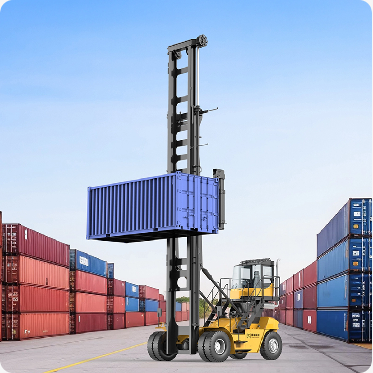 Boost depot throughput by 30% with specialized Empty Container Handlers. Learn about double handling, electric vs. fuel options, and ROI.blogs
 - TONA Technology TCH90 series empty container handler includes diesel and electric two major models. It is primarily designed for ports, terminals, yards, and other locations to handle the loading, unloading, transfer, and stacking of 20' or 40' standard empty containers.blogs


