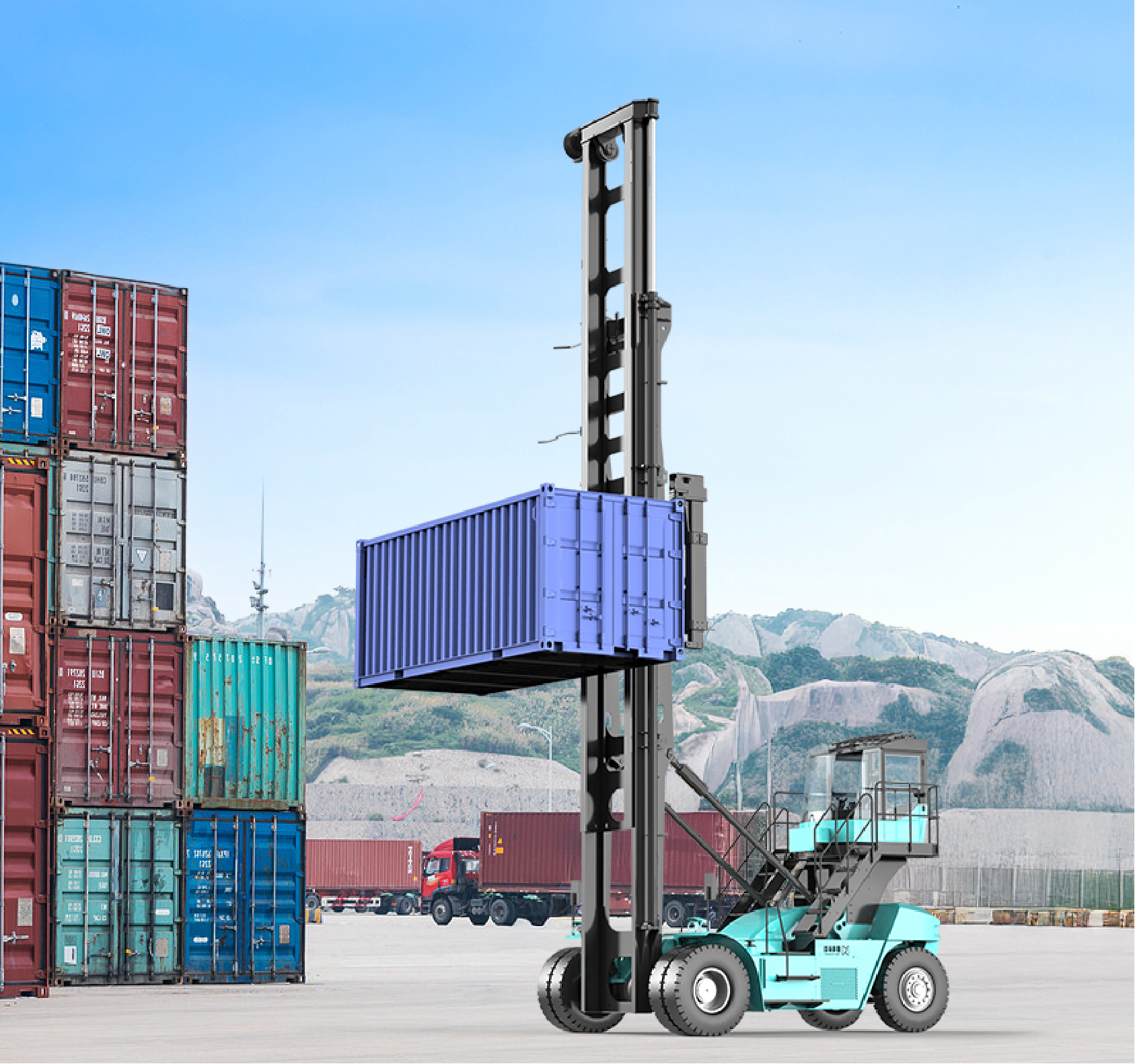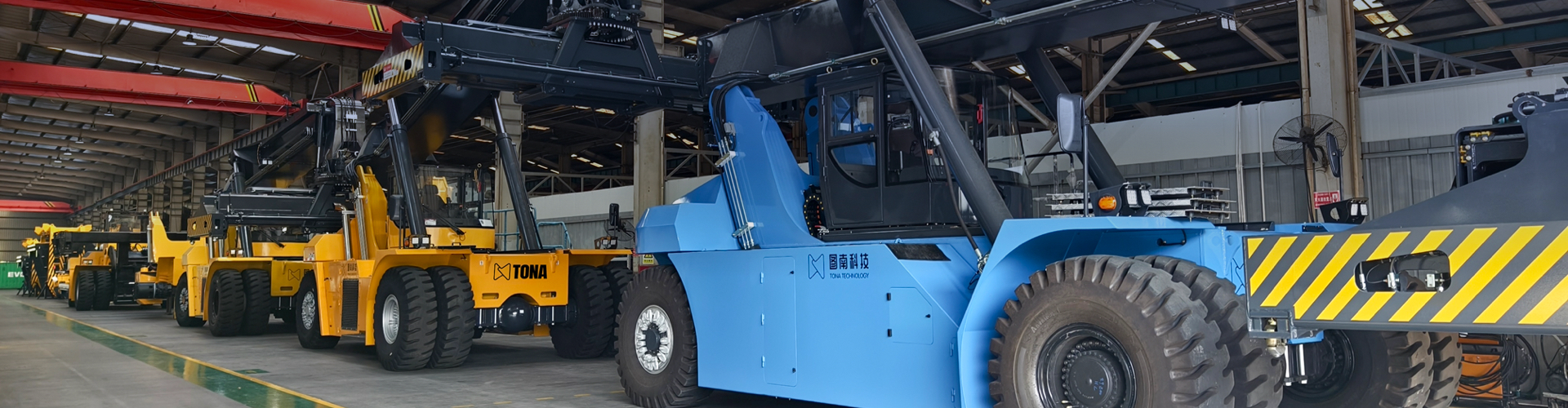

Global logistics networks face mounting pressure to accelerate bulk material handling while drastically reducing operational costs. Traditional unloading methods rely heavily on grabs, conveyors, or manual labor. These outdated processes are notoriously slow. They are prone to material spillage and demand intensive manual oversight. To eliminate these bottlenecks, modern ports and rail yards are upgrading to advanced rotational lifting attachments. These robust mechanisms allow operators to lift, invert, and seamlessly empty bulk cargo directly from shipping containers into waiting hoppers or vessel holds.
However, a critical engineering challenge remains. You cannot simply grab any standard shipping box and flip it upside down. The immense dynamic forces generated during a 360-degree inversion require specific structural integrities. Choosing the correct container type is absolutely paramount. It ensures workplace safety, maximizes unloading efficiency, and prevents catastrophic equipment failure. In this technical guide, we will analyze exactly which container configurations are compatible with rotational dumping. We will also detail how to match these containers with the appropriate terminal machinery to optimize your facility throughput.
Key Takeaways
Open-Top and Half-Height Containers remain the undisputed industry standards for rotational unloading. Their roofless designs and heavily reinforced structural frames handle torsional stress effectively.
Investing in a multipurpose attachment allows terminal operators to dynamically handle multiple container lengths like 20ft and 40ft. This eliminates the crippling downtime associated with manual equipment swaps.
Standard closed-top dry vans are inherently unsuited for full inversion. Their corrugated roofs simply cannot support the shifting weight of bulk cargo without highly specialized engineered modifications.
Pairing your attachment with the correct base machine dictates your ultimate operational capacity. Options range from highly mobile reach stackers for yard agility to massive quay cranes for rapid ship-to-shore cycles.
Understanding the Mechanics of Rotational Dumping
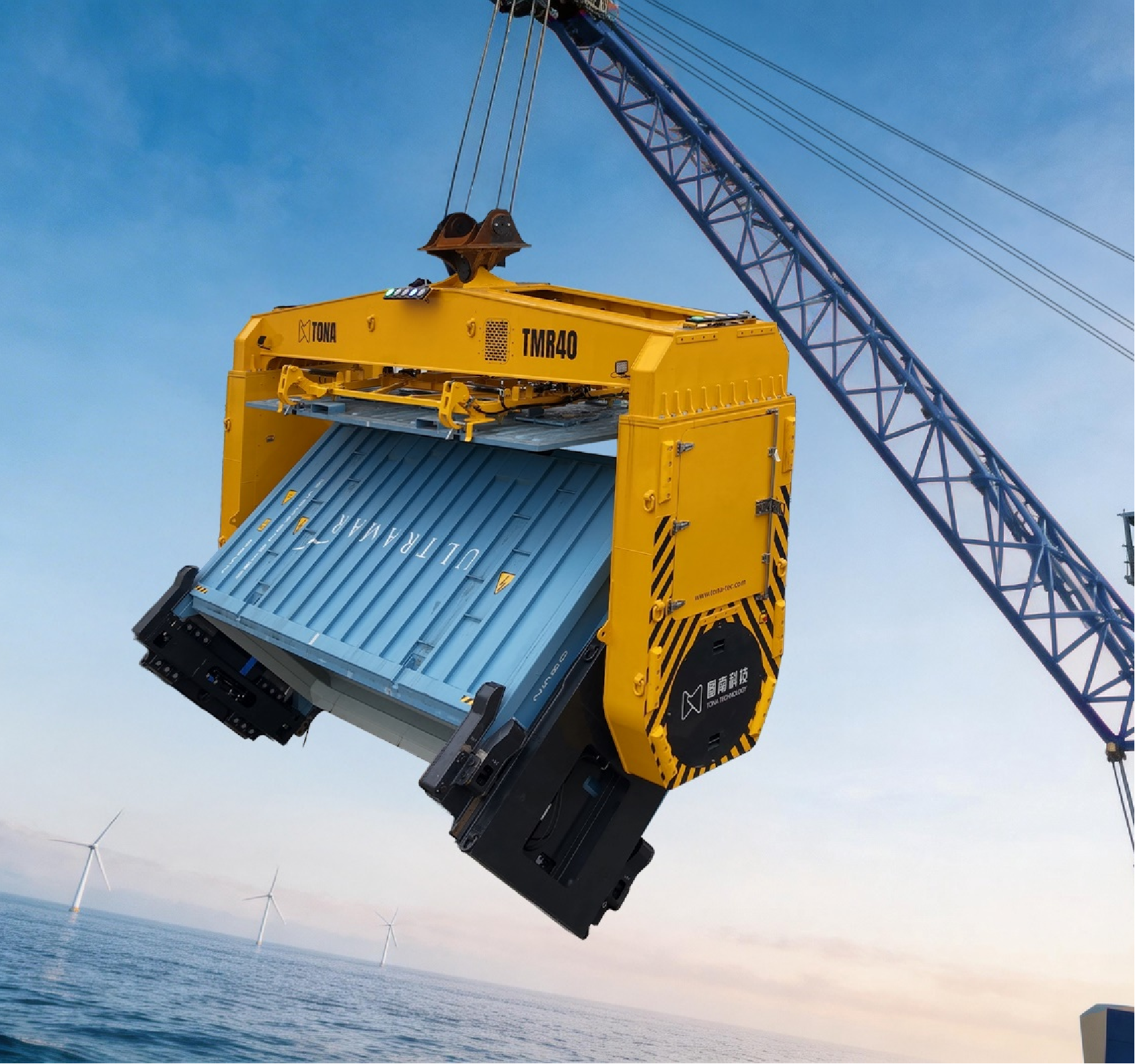
To fully grasp which shipping containers suit your terminal, you must first understand the mechanical principles driving the lifting equipment. A container rotating spreader is a highly specialized piece of heavy material handling machinery. Engineers designed it to interface directly with the standard ISO corner castings found on global shipping containers.
Picture a bustling export terminal. An operator in the cabin lowers the attachment and securely locks onto the container via heavy-duty hydraulic twist-locks. The crane hoists the unit into the air. From there, robust planetary gearboxes and hydraulic cylinders take over. They smoothly invert the massive load up to 360 degrees.
This equipment has a clear primary objective. It discharges loose bulk materials directly into storage pits, processing hoppers, or ship holds. Materials range from agricultural grains and woodchips to abrasive mineral ores and scrap metal. Specifically, the drive system controls the rotation meticulously. This ensures a steady, predictable pour. It prevents the cargo from shifting violently, which could destabilize the primary lifting machine.
The Best Container Types for Rotational Unloading
While rotational lifting attachments possess tremendous torque, they cannot safely manipulate every type of shipping unit on the market. The inversion process places unique, asymmetrical stress on the steel frame of a container. Consequently, selecting the appropriate container type is a matter of structural survival as much as operational efficiency.
Open-Top Containers — The Industry Standard
Open-top containers represent the most frequently utilized units for rotational bulk handling. As their classification suggests, these units completely lack a solid steel roof. Instead, manufacturers fit them with removable roof bows and a heavy-duty, weatherproof tarpaulin cover. This protects the cargo from moisture during transit.
When an open-top unit arrives at the designated discharge zone, ground personnel quickly remove the tarp and bows. The lifting attachment then engages the top corner castings, hoists the unit, and initiates the rotation. Because there is no solid barrier to obstruct the flow, materials cascade out freely. The true engineering genius of an open-top container lies in its reinforced top side rails and corner posts. Designers over-engineer these specific areas to withstand severe torsional forces during lifting and inversion. This compensates for the lack of a stabilizing roof. They are the optimal choice for lighter, high-volume commodities like wheat, soybeans, and light scrap metal.
Half-Height Containers — For High-Density Cargo
Standard-height containers present a severe physical limitation for industrial sectors dealing with exceptionally dense materials. Imagine filling a standard 20-foot container to the brim with wet copper concentrate. The sheer mass would vastly exceed the maximum payload capacity of the container itself, the lifting attachment, and the base crane.
Half-height containers brilliantly solve this volume-to-weight ratio dilemma. Measuring roughly half the vertical height of a standard unit, typically around 4 feet 3 inches high, these containers feature heavily fortified structures. They are purpose-built for punishingly heavy bulk cargo. Their low-profile architecture ensures that even when loaded to absolute maximum weight capacity, the container remains volumetrically full. This prevents dense cargo from sliding and slamming against the walls during transit. When inverted, the heavy materials discharge swiftly and safely. Unsurprisingly, half-heights completely dominate the mining, metallurgy, and heavy minerals sectors.
Can You Rotate Standard 20ft and 40ft Closed Dry Vans?
Procurement managers frequently ask whether standard closed-top dry vans can integrate into a rotational handling system. From an engineering standpoint, the definitive answer is no. Standard dry vans feature thin, corrugated solid steel roofs. If you attempt to invert a fully loaded standard container, the bulk material will violently crash against the roof.
Furthermore, these roofs are entirely non-load-bearing. Manufacturers design them merely to deflect rain and wind. They cannot support 25 tons of shifting bulk commodities. Rotating a standard dry van will almost certainly result in catastrophic roof collapse, severe equipment damage, and extreme safety hazards for terminal personnel. The only rare exception occurs when engineers retrofit a standard container with specialized rear-discharge hatches. This modification allows operators to tilt the container at a steep angle, letting material flow out the back doors rather than fully inverting it.
Core Comparison: Container Types for Rotational Handling
Container Type | Ideal Cargo Profile | Structural Rigidity for Inversion | Spreader Compatibility |
|---|---|---|---|
Open-Top | Grains, woodchips, light scrap, fertilizers | High. Reinforced top rails handle torsional stress perfectly. | Excellent. Direct flow with zero roof obstruction. |
Half-Height | Iron ore, copper concentrate, heavy minerals | Maximum. Purpose-built thick steel walls prevent bulging. | Excellent. Ideal for heavy-duty spreaders and dense loads. |
Standard Dry Van | Palletized goods, electronics, general freight | Poor. Roof is non-load-bearing and will collapse under weight. | Not Recommended. Requires expensive rear-hatch modifications. |
Industry Trends: The Shift Toward Containerized Bulk Handling
Before examining specific machinery pairings, terminal managers must understand the broader market forces driving the adoption of these specialized containers. The global logistics and port management sectors are currently undergoing a massive paradigm shift toward Containerized Bulk Handling. Tightening Environmental, Social, and Governance regulations worldwide heavily fuel this transition.
Historically, bulk materials traveled openly in rail cars and sat in massive, uncovered stockpiles at ports. This outdated method generated severe fugitive dust emissions. It led to heavy environmental fines, material degradation, and significant product loss due to wind and moisture. Today, strict environmental compliance dictates a cleaner approach.
By sealing bulk commodities inside open-top or half-height containers at the mine or farm, the material remains protected. Terminals only expose the material at the exact moment of rotational discharge into an enclosed hopper. This achieves a near-zero dust emission process. This eco-friendly operational model is rapidly becoming the gold standard for modern, sustainable port developments across Europe, the Americas, and Asia.
Matching the Spreader to Your Machinery
The ultimate success of your bulk handling operation relies on more than just selecting the right container. You must seamlessly pair the lifting attachment with the correct base machinery. Your existing terminal infrastructure, layout, and target cycle times will largely dictate the specific equipment required.
Reach Stacker Configurations — For Yard and Rail Operations
Operational agility often takes precedence over sheer continuous volume for sprawling intermodal rail yards and medium-sized regional ports. Reach stackers are highly mobile, versatile vehicles. They easily navigate tight terminal aisles, retrieve containers directly from railcars, and transport them across the facility to designated dumping zones.
Equipping your fleet with a reach stacker rotating spreader like the TRQ380 series provides ground operators with unparalleled flexibility. This specific setup features a robust Safe Working Load of up to 38 tons. It empowers a single machine operator to pick up a loaded container, drive it across the tarmac, and precisely invert it over a low-profile hopper. However, terminal engineers must carefully calculate the dynamic load. The rotational mechanism adds considerable dead weight to the end of the stacker boom. This naturally reduces the overall lifting capacity of the machine compared to standard container handling.
High-Capacity Quay Crane Configurations — For Ship-to-Shore
In stark contrast, large-scale export terminals prioritize relentless speed and massive volume. These facilities load bulk cargo directly onto massive Panamax or Capesize vessels. In these high-stakes environments, engineers mount the lifting attachments directly onto colossal, rail-mounted Ship-to-Shore cranes.
Integrating a high capacity quay crane rotating spreader is the ultimate technical solution for heavy-duty, continuous cycles. These heavy-weight attachments rapidly lower into the deep holds of bulk carrier ships. They lock onto containers, hoist them vertically, and rotate them over massive dockside conveyor hoppers. Because Ship-to-Shore cranes possess exceptionally high lifting thresholds, manufacturers build these spreaders larger and heavier. They effortlessly manage fully loaded 40-foot containers or ultra-dense half-heights. This configuration radically maximizes terminal throughput and slashes vessel turnaround times. Faster turnarounds directly correlate to increased port profitability.
The Versatility of Multipurpose Attachments
Logistics hubs rarely have the luxury of processing a single, uniform type of container day in and day out. A terminal might process a freight train loaded with 20-foot half-heights of zinc ore in the morning. By the afternoon, they might face a convoy of trucks carrying 40-foot open-tops of grain. Traditionally, accommodating different container lengths required maintenance crews to physically detach one fixed-length spreader and attach another. This laborious process halts production and inflates labor costs.
To eliminate this operational bottleneck, forward-thinking facilities are adopting the multipurpose container rotating spreader, such as the TRM380 model. Engineers design these highly advanced units with heavy-duty hydraulic telescoping arms. With the simple push of a button inside the cabin, the operator dynamically expands or retracts the spreader frame from 20 feet to 40 feet in mere seconds.
This incredible versatility ensures that the lifting equipment never becomes the choking point in the unloading sequence. While the initial capital expenditure for a telescoping unit is higher, the long-term return on investment is undeniable. Terminals realize this ROI through the total elimination of equipment changeover times and the ability to seamlessly accept a wider, more lucrative variety of shipping contracts.
Key Industries Benefiting from Containerized Bulk Rotation
The strategic integration of specific container types with rotational lifting attachments has revolutionized supply chains across several major global sectors.
Agriculture: The farming and grain export sectors rely heavily on the rapid, hygienic transfer of food-grade commodities. Utilizing open-top containers ensures products remain shielded from weather during transit. Rotational unloading at the port prevents the grain from ever touching contaminated ground surfaces. This strictly maintains international phytosanitary standards.
Mining & Minerals: Mines often operate in harsh, remote environments far from coastal export hubs. By packing dense materials like copper concentrate into half-height containers, mining corporations prevent hazardous dust pollution and material loss. The rotational attachment allows ports to safely dump these heavy materials directly into enclosed conveyor systems. This protects both the environment and site personnel.
Waste & Recycling: The scrap metal and municipal waste industries manage highly abrasive, jagged, and unpredictable payloads. Loading scrap into reinforced bulk containers protects the transport trucks from internal damage. At the recycling plant, rotational dumping allows operators to feed heavy scrap directly into industrial shredders or smelting furnaces from a safe distance. This drastically reduces manual handling risks.
What to Look for When Upgrading Your Terminal Equipment
Procuring heavy port machinery requires rigorous technical scrutiny. Terminal managers and procurement officers must look beyond basic functionality. You must rigorously assess the equipment based on structural longevity, safety protocols, and compatibility with existing infrastructure.
Load Capacity and Center of Gravity
The absolute most critical specification to evaluate is the Safe Working Load. Buyers must accurately calculate the Safe Working Load based on the absolute heaviest container types their facility processes, like half-heights packed with wet ore. In addition, you must account for dynamic load shifts. When a container inverts, the center of gravity moves dramatically as the bulk material slides against the internal walls. The rotational drive system of the spreader must possess massive torque. It must control this shifting weight without stalling, jerking, or causing the base crane to tip.
Durability and Maintenance
Marine and port environments are notoriously unforgiving. They are characterized by corrosive saltwater, high humidity, and abrasive airborne dust. Buyers should mandate that manufacturers construct the spreader frame from high-yield, fatigue-resistant structural steel. Furthermore, maintenance accessibility is a major factor in reducing downtime. Hydraulic power packs, electrical junction boxes, and rotational gears should sit inside highly rated, weather-proof enclosures. Yet, they must remain easily accessible for terminal technicians to perform routine greasing and servicing.
Advanced Safety Features
Modern high-capacity material handling demands redundant safety systems. A premium attachment must include automated twist-lock sensors. These sensors electronically and mechanically prevent the lifting cycle from initiating unless all four corner castings are positively and fully engaged. Additionally, anti-drop valves in the hydraulic circuitry are non-negotiable. These valves instantly lock the hydraulic fluid in place, preventing the container from plummeting in the event of a sudden hose rupture. Finally, the rotational drive should feature smooth, proportional braking to prevent aggressive, jerky stops that could damage the container or snap the wire ropes of the lifting crane.
Conclusion
Transitioning to a highly efficient bulk material handling system requires more than just purchasing powerful machinery. It demands a strategic, engineered pairing of equipment. Choosing the right container type—specifically open-top and half-height models—ensures that your operations remain safe, fluid, and structurally sound. Remember, standard closed-top dry vans lack the engineering to withstand the rigors of full inversion. You should avoid them entirely for these applications.
Equally important is matching your containers with the appropriate terminal machinery. Whether you require the nimble yard agility of a reach stacker setup or the relentless, high-volume output of a quay crane configuration, evaluating your specific facility needs is the first step toward optimization. For terminals handling diverse cargo, investing in a multipurpose telescoping attachment is the most effective way to future-proof your operations and maximize throughput. If you are ready to upgrade your bulk handling efficiency, explore the robust, engineered solutions at Tona-Tec to find the exact spreader configuration that matches your operational demands.
Frequently Asked Questions
Can a container rotating spreader handle both 20ft and 40ft containers?
Yes, provided that your terminal invests in a multipurpose model equipped with telescoping capabilities. These advanced attachments utilize heavy-duty hydraulic extension cylinders that allow the main frame to expand from 20 feet to 40 feet dynamically. Because the operator controls this adjustment directly from the cabin, there is zero need to manually swap out attachments when different container sizes arrive. Engineers highly recommend this for facilities managing mixed intermodal fleets.
Will rotating a container cause structural damage to it?
Rotating a container will not cause damage if standard operational guidelines are strictly followed and you use the correct container type. It is imperative to utilize containers specifically designed for bulk rotation, such as open-top units or structurally reinforced half-height containers. Operators must also ensure the payload does not exceed the designated weight limits of the container. Standard closed-top dry vans lack the necessary structural reinforcement for shifting bulk loads. They will likely suffer severe roof damage if inverted.
What is the difference between a reach stacker rotating spreader and a quay crane rotating spreader?
The primary differences lie in their mounting applications, mobility, and overall throughput capacity. Engineers mount a reach stacker attachment on mobile, rubber-tired yard equipment. This offers high agility and the ability to transport bulk materials across different zones of a rail yard or logistics terminal. In contrast, professionals install a quay crane model on massive, stationary, or rail-mounted ship-to-shore cranes. Quay crane spreaders are engineered for extreme, continuous duty cycles. They are designed specifically to unload massive volumes of bulk material directly from the holds of large cargo vessels.
How fast can a container rotating spreader complete a full 360-degree turn?
Operational rotation speeds depend entirely on the specific equipment model, the hydraulic flow capacity of the primary lifting machine, and the total weight of the bulk material being handled. However, empirical data from modern port operations indicates that most high-quality, industrial-grade spreaders complete a full 360-degree rotation cycle in approximately 60 to 90 seconds. This rapid cycle time facilitates highly efficient material dumping. It significantly reduces the overall turnaround time for bulk transport vessels and freight trains.
Can you rotate a fully loaded 40ft shipping container?
Yes, you can rotate a fully loaded 40ft container, but it requires highly specialized equipment. The bulk commodity must be loaded into a 40ft open-top container, and the terminal must utilize a heavy-duty multipurpose or 40ft-specific rotating spreader. Additionally, the base lifting machine must possess a massive Safe Working Load capacity to safely handle the combined weight of the 40ft container, the heavy payload, and the spreader attachment itself.
What maintenance is required for a rotational lifting attachment?
Routine maintenance is critical for preventing equipment failure in harsh port environments. Daily checks should focus on the integrity of the hydraulic twist-locks and the condition of the hydraulic hoses. Weekly and monthly maintenance schedules must include lubricating the planetary gearboxes, greasing the rotation slewing ring, and inspecting the hydraulic anti-drop valves. Keeping the electrical sensor contacts clean from abrasive bulk dust is also vital to ensure the safety interlock systems function correctly.
Related Blogs
-
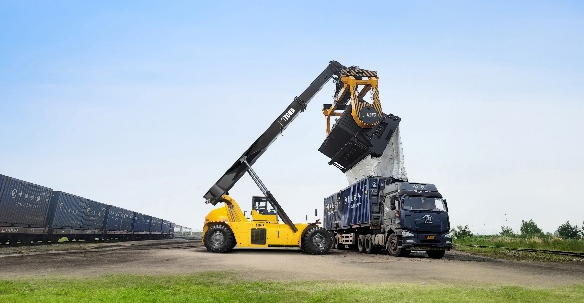 In bulk cargo yards, rail-road intermodal hubs, and other containerized bulk handling scenarios, the unloading efficiency of 20ft open-top containers directly determines the overall workflow pace.blogs
- Discover how container rotating spreaders revolutionize bulk handling. Achieve high throughput, control dust, and ensure environmental compliance.blogs
-
 Selecting the right Container Rotating Spreader starts with a focus on capacity, compatibility, safety, durability, and compliance. You must align the spreader with your terminal’s specific operations, crane types, and container handling needs.
-
 You keep your Container Rotating Spreader working safely and smoothly when you perform regular maintenance and lubrication. These actions help prevent unexpected breakdowns and extend the life of your equipment. Simple daily checks, proper cleaning, and the right lubricants make a big difference.