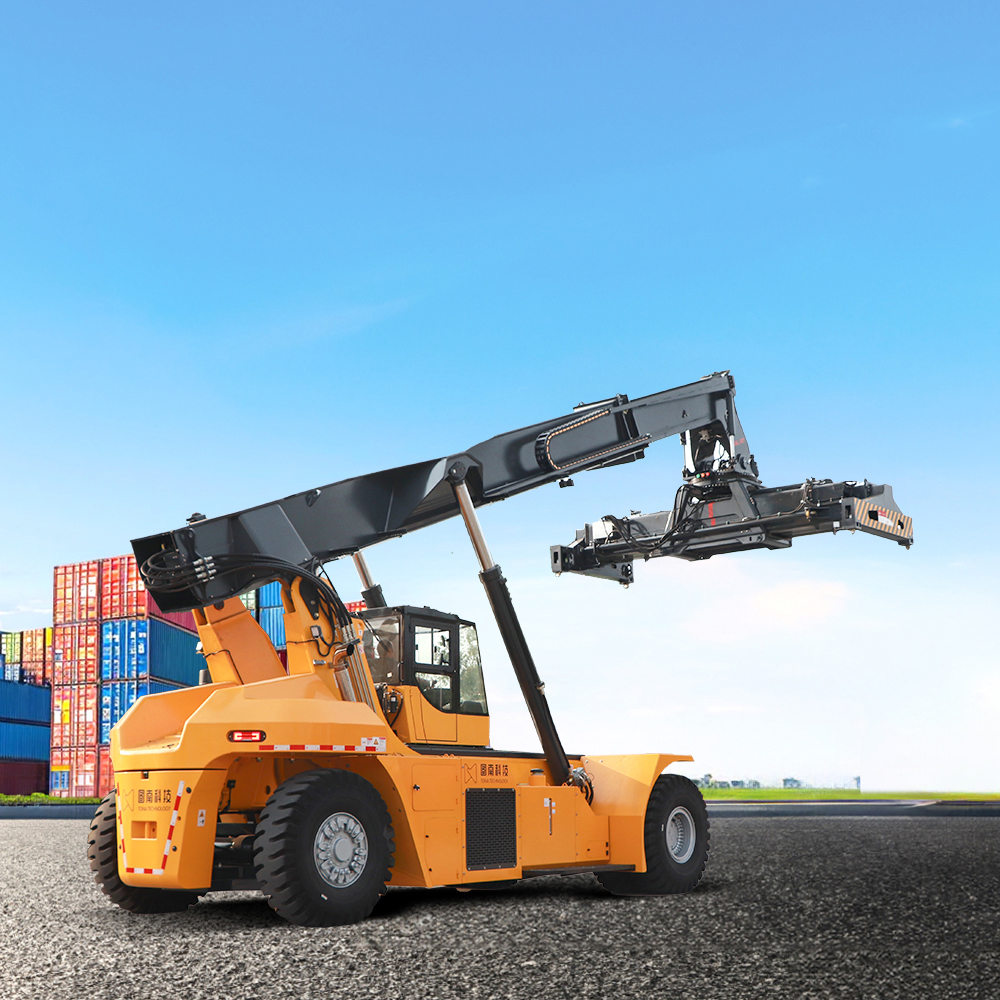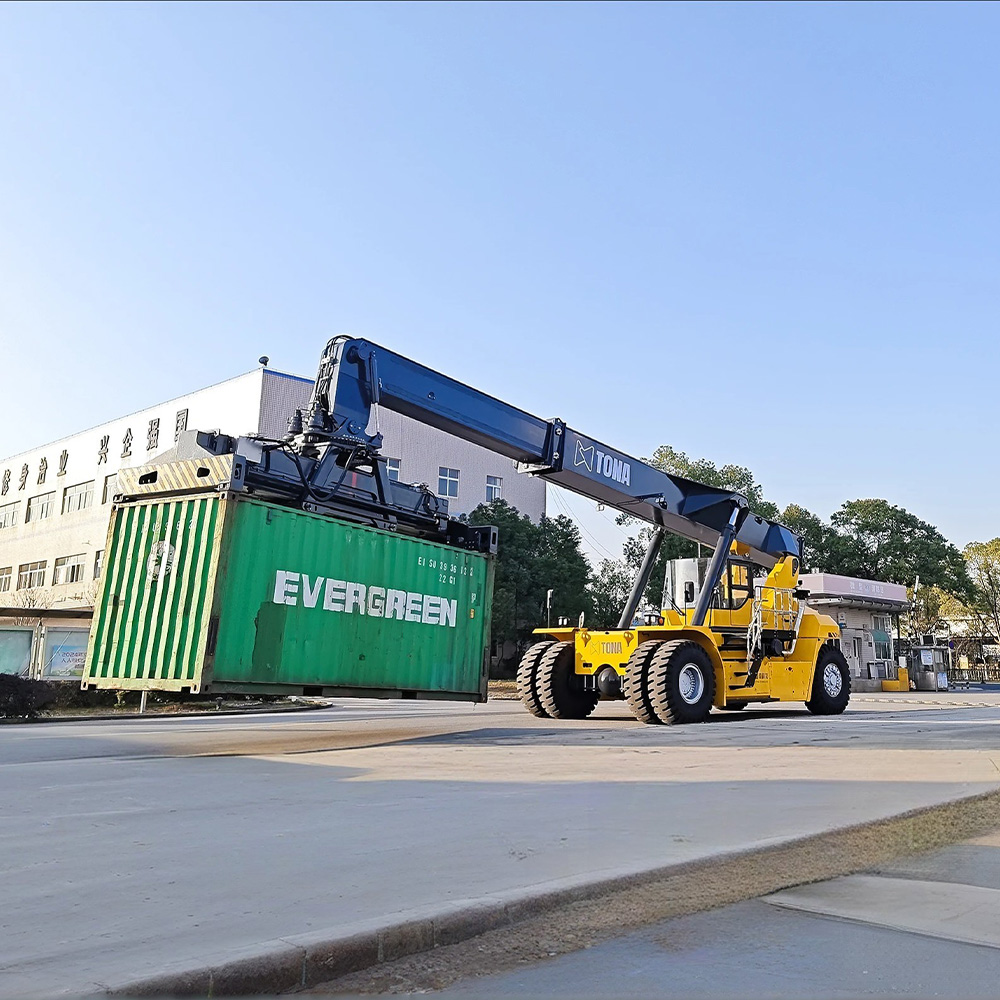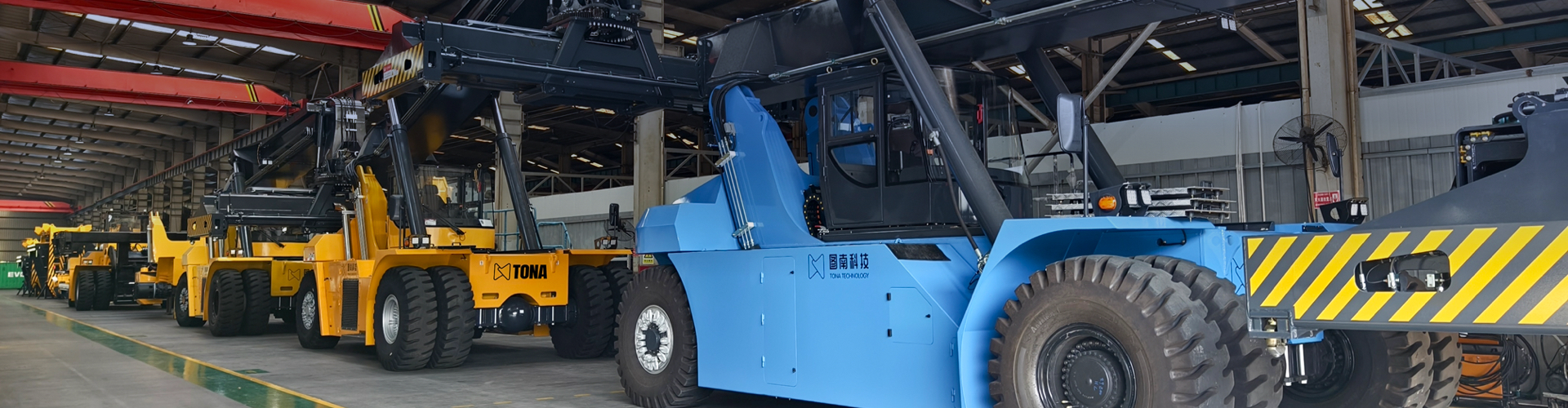

Evaluating heavy machinery requires looking far beyond top-line headline tonnage. You cannot simply rely on a brochure's maximum capacity numbers. For procurement managers and terminal operators, the gap between a machine's paper specifications and its real-world performance under dynamic loads is critical. This discrepancy dictates daily operational efficiency and site safety.
If a machine struggles to lift containers in the second row, your entire logistics chain slows down. A mismatch between equipment capabilities and site demands creates severe bottlenecks. You risk unsafe lifting conditions and sudden workflow interruptions.
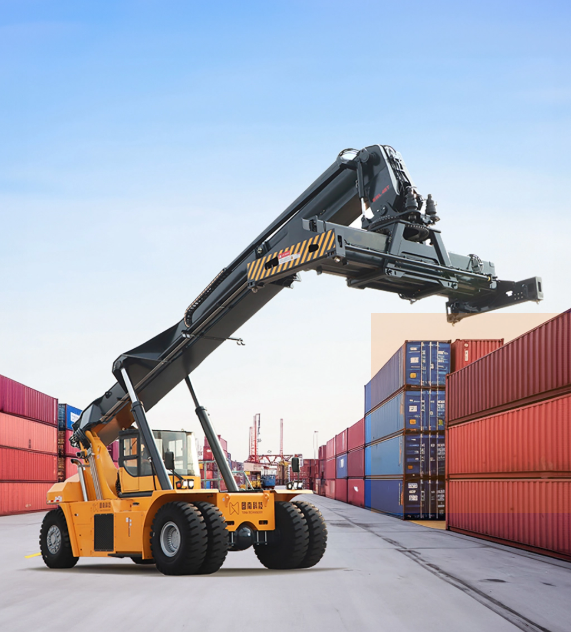
This guide breaks down the critical technical specifications required to evaluate heavy lifting machinery. You will learn how to analyze load decay curves, spatial dimensions, and hydraulic configurations. Understanding these technical elements helps you effectively shortlist a reach stacker for high-intensity container handling and heavy industrial applications. We will explore how exact specifications translate directly into safe, uninterrupted productivity.

Key Takeaways
Capacity is non-linear: Maximum lifting capacity applies only to the first row; evaluating second- and third-row load decay is critical for high-density stacking.
Spatial footprint matters: Wheelbase length and turning radius dictate site maneuverability, directly impacting warehouse or yard layout requirements.
Power and hydraulics drive efficiency: Load-sensing hydraulic systems and advanced drivetrain configurations (diesel, electric, or hybrid) reduce fuel consumption and emissions.
Safety is spec-driven: Modern safety compliance relies on integrated Load Moment Indicators (LMI), telemetry, and dynamic anti-tipping sensor arrays.
Capacity Specifications and the Load Decay Curve
Purchasing heavy equipment based solely on nominal maximum capacity often leads to operational bottlenecks. A buyer might select a 45-ton machine. They expect it to handle 45 tons everywhere on the site. However, operators quickly face limits when they attempt to stack heavy containers in the second or third row. The physical laws of leverage severely reduce lifting capabilities as the boom extends horizontally.
You must assess the baseline lifting capacity relative to a specific center of gravity (COG). Manufacturers usually rate nominal loads at 10 to 46 tons. They tie these ratings to load centers measuring 1,200 mm or 1,900 mm. Moving beyond these distances changes the math completely.
Row-by-Row Stacking Metrics
To evaluate a machine properly, you need to understand row-by-row capacity decay. Maximum limits only apply when the load remains close to the front axle.
Stacking Position | Expected Capacity Limit | Typical Application Notes |
|---|---|---|
First Row | Up to 45–46 tons | Stacking up to 5 containers high directly in front of the machine. |
Second Row | Decays to 30–33 tons | Reaching over the first row. Limits handling of fully loaded heavy units. |
Third Row | Drops to 15–17 tons | Severe payload reduction. Suitable primarily for empty or lightly loaded containers. |
Boom Extension and Geometry
You must evaluate maximum horizontal reach alongside lifting height capabilities. Boom geometry determines compatibility with your specific footprint. Intermodal rail yards often require deep horizontal reaches to load trains across parallel tracks. If you fail to verify these extended load charts, operators will face daily productivity blocks.
Best Practices for Capacity Evaluation
Request dynamic load charts from the manufacturer.
Identify the heaviest edge-case load your facility handles.
Plot this specific load against the exact row and tier requirements.
Dimensions, Maneuverability, and Spatial Constraints
High-capacity machines naturally require extensive operational space. Confined intermodal hubs and industrial warehouses leave very little room for error. A mismatched turning radius halts workflows and damages infrastructure.
Wheelbase and Stability
Wheelbase length directly influences both stability and maneuverability. Longer wheelbases typically measure between 6 and 9 meters. They provide necessary counterweight leverage for exceptionally heavy lifts. However, this extra length increases the required operating aisle width. You must balance the need for heavy lifting stability against your existing yard layout.
Turning Radius and Steering Systems
Steering geometry determines how easily the machine navigates tight corners. You should evaluate active rear-wheel steering systems. These systems sharply reduce the minimum aisle dimensions required for a standard 90-degree stacking approach. A tighter turning radius allows operators to position the spreader faster. This saves minutes on every single container move.
Confined Space Capabilities
Specific applications demand highly specialized spatial features. Empty container handling inside warehouses represents a major challenge. You should assess specifications tailored for these environments.
Longitudinal Driving: Some machines allow forward travel while gripping containers lengthwise.
45-Degree Rotational Handling: This feature lets the boom rotate the load diagonally.
Doorway Clearances: Angled or longitudinal handling permits the machine to pass safely through narrow workshop doors.
Common Mistake: Facility managers often measure static aisle width. They forget to account for the "swept path" of the boom and the attached container during turns. Always simulate dynamic turning spaces before purchasing.
Drivetrain, Hydraulics, and Environmental Compliance
Fuel consumption and hydraulic inefficiencies account for a massive percentage of daily operational expenses. You must scrutinize the engine and drivetrain. Strict emissions regulations further complicate the procurement process today.
Engine and Transmission Pairing
Look for specifications detailing low-end torque delivery. Heavy lifts require massive immediate power. Efficient thermal management systems also matter deeply. They prevent engine overheating during continuous operations in extreme weather environments. An optimized transmission smoothly transfers engine power to the drive axle without jerking the suspended load.
Load-Sensing Hydraulics
Older machines utilize fixed displacement pumps. These operate at a constant maximum pressure regardless of the task. They burn excess fuel constantly. You should prioritize load-sensing hydraulic systems. These systems dynamically adjust hydraulic fluid flow based strictly on the actual load. This precise power delivery significantly reduces unnecessary fuel burn and lowers system operating temperatures.
Power Source Options
Terminal operators face mounting pressure to decarbonize. Drivetrain specifications now include multiple environmental options.
Advanced Diesel: Check for hydrotreated vegetable oil (HVO) compatibility. HVO allows you to meet immediate emission reduction targets. Look for built-in ECO-mode features to limit engine RPM during lighter tasks.
Pure Electric: Evaluate battery capacity and fast-charging capabilities. Pure electric models excel in indoor or zero-emission restricted zones. They drastically reduce ambient noise levels, improving working conditions for ground staff.
Safety Specifications and Anti-Tipping Systems
Moving 40-ton suspended loads high in the air creates significant rollover risks. Safety cannot act as an afterthought. It must remain hardcoded directly into the equipment's spec sheet.
Load Moment Indicators (LMI)
Ensure the manufacturer's specification includes a comprehensive LMI system. The LMI provides dynamic monitoring of boom length, boom angle, and exact load weight. The system instantly calculates the tipping threshold. It will automatically restrict unsafe forward or upward movements before the machine loses stability.
Visibility and Sensor Integration
Operators rely heavily on clear sightlines and sensor feedback. Modern machines feature extensive sensor suites to protect ground personnel.
Twistlock Snapshot Cameras: These validate precision locking. They record visual proof before operators lift the container.
Four-Corner Object Detection Radar: Radar systems actively monitor blind spots. Ground-level monitoring kits provide critical alerts during reverse operations.
Ergonomic Cabin Design: Choose cabins designed without front A-pillars. Continuous curved windshields eliminate visual obstructions and reduce operator fatigue.
Regulatory Compliance
Safety architectures must align with modern regional compliance standards. For example, the EN 1175:2020 standard mandates rigorous functional safety requirements for electronic control systems. Verifying these certifications protects your facility from compliance violations.
Maintenance Accessibility and Diagnostic Specs
Downtime quickly kills terminal profitability. A specification sheet should indicate how easily your technicians can service the machine. Avoid designs requiring specialized heavy rigging just to perform routine checks.
Service Interfaces
Maintenance teams need immediate answers when a machine faults. Look for integrated touch-screen diagnostics utilizing modern CAN bus systems. These interfaces provide real-time fault codes directly to the operator inside the cabin. Technicians can diagnose electrical or hydraulic issues without manually probing wiring harnesses.
Physical Accessibility
Evaluate the physical layout of the machine's maintenance points. Technicians should easily reach critical components.
Cabins: Sliding or tiltable cabins expose the transmission and main hydraulic pumps quickly.
Engine Hoods: Gas-strut assisted engine hoods prevent strain and encourage regular inspections.
Daily Checks: Ground-level access points for hydraulic filters, engine oil dipsticks, and electrical relays ensure daily maintenance actually happens.
Best Practice: Ask the manufacturer for standard service interval times. Compare the required labor hours for a 500-hour service across different models.
Shortlisting Framework: Aligning Specs with Site Realities
A rigorous shortlisting framework matches technical specifications to your primary operational bottleneck. Different environments demand vastly different configurations. You must align the machine to the specific challenges of your daily workflow.
Implementation Considerations by Sector
Every industry prioritizes unique features. Customizing your reach stacker configuration ensures optimal performance.
Ports & Rail Yards: Prioritize third-row lifting capacity. Specify front stabilization jacks to boost leverage. Select heavy-duty drivetrains capable of running continuously across multiple shifts.
Warehouse & Logistics: Prioritize a compact turning radius. Electric drivetrains work best here. Ensure the wheelbase matches narrow-aisle compatibility requirements.
Heavy Industry (Steel/Wind): Standard container spreaders fail here. Prioritize specialized lifting attachments. Look for easily interchangeable C-hooks, pipe clamps, or heavy slab tongs.
Next-Step Actions
Never finalize a procurement shortlist based on generic brochures. Request highly detailed load decay charts from the manufacturer. You must specify the heaviest loads your site processes. Ask for charts showing these specific loads at your maximum required boom extension. This evidence-based approach prevents costly purchasing mistakes.
Conclusion
Selecting the right heavy lifting machinery requires an evidence-based evaluation of load charts, spatial dimensions, and hydraulic efficiency. You must look far beyond maximum baseline metrics. Focus intently on how the machine handles edge-case loads in the second and third rows. Scrutinize the accessibility of daily maintenance points.
Decision-makers can procure equipment perfectly scaled to their operational demands by prioritizing dynamic safety sensors and load-sensing hydraulics. We highly recommend consulting with an application engineer. Have them run a site-specific simulation based strictly on your exact terminal layout and average payload data. This guarantees your investment will perform safely and efficiently from day one.
FAQ
Q: What is the difference between a reach stacker and a heavy-duty traditional forklift?
A: A reach stacker uses a telescoping boom designed specifically for high-density, multi-row container stacking and complex overhead lifting. A traditional forklift relies on a vertical mast and counterweight design, requiring direct front-facing access to every load and lacking the capability to reach over first-row obstacles.
Q: How does a reach stacker's capacity change when stacking in the third row?
A: Due to the physics of leverage and center of gravity, lifting capacity drops significantly as the boom extends horizontally. A machine rated for 45 tons in the first row may only safely lift 15 to 17 tons in the third row. Always evaluate the manufacturer's specific load chart for extended distances.
Q: Do operators need a specific license to operate a reach stacker?
A: Yes. In most jurisdictions, a standard forklift license is insufficient. Operators must obtain specialized heavy equipment or container-handler certifications due to the distinct boom physics, load moment limiters, and high-tonnage safety requirements.
Q: Can a reach stacker be used for non-containerized cargo?
A: Yes. While built primarily with twistlock spreaders for ISO containers, the boom can be fitted with interchangeable attachments—such as hooks, pipe clamps, or heavy-duty forks—to handle industrial steel, wind turbine components, and oversized project cargo.
Related Blogs
-
 In warehouses and distribution centers, choosing the right equipment is crucial for efficient material handling. Stackers and reach stackers are both essential, but they serve different needs. While stackers excel in tight spaces,
 -
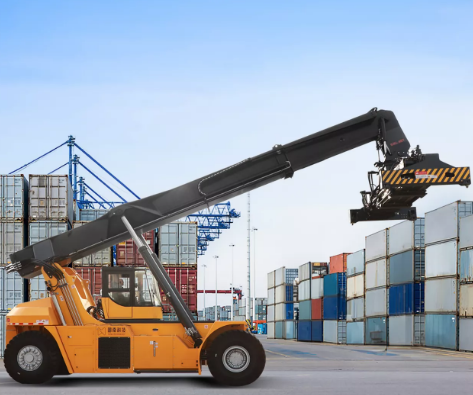
 Reach stacker operators are the backbone of efficient logistics. They ensure smooth cargo movement in busy ports and warehouses. This article explores what it takes to become a reach stacker operator. We’ll cover the key skills, training programs, certifications, and safety measures required.
 -
 What Class is a Reach Stacker?Have you ever wondered how material handling in narrow spaces is so efficient? A reach stacker, a specialized type of forklift, plays a crucial role in warehouse and distribution center operations. It is designed to lift and move pallets in tight spaces,
 -
 Reach stackers are essential in logistics, especially for moving and stacking containers. These powerful machines ensure smooth operations in busy shipping environments. But the question arises: is a reach stacker considered a vehicle?In this article,