
Introduction
Maintaining container unloading equipment is crucial for ensuring smooth operations and minimizing costly downtime. The reliability of this equipment, including reach stacker, cranes, and forklifts, plays a key role in optimizing logistics and supply chain efficiency. Proper maintenance not only extends machinery life but also boosts productivity and enhances safety on-site. In this article, we'll cover essential maintenance practices for container unloading equipment and provide useful tips to keep your machinery in top condition.
Why Maintenance Matters for Container Unloading Equipment
The maintenance of container unloading equipment is essential to avoid breakdowns, costly repairs, and operational delays. Regular upkeep helps prevent unexpected failures, ensuring that your machinery operates efficiently for longer periods. A proactive maintenance approach minimizes the risk of accidents, extends the lifespan of equipment, and reduces operational downtime. By implementing a comprehensive maintenance plan, companies can enhance productivity, maintain safety standards, and improve the return on investment (ROI) for their equipment.
Common Types of Container Unloading Equipment
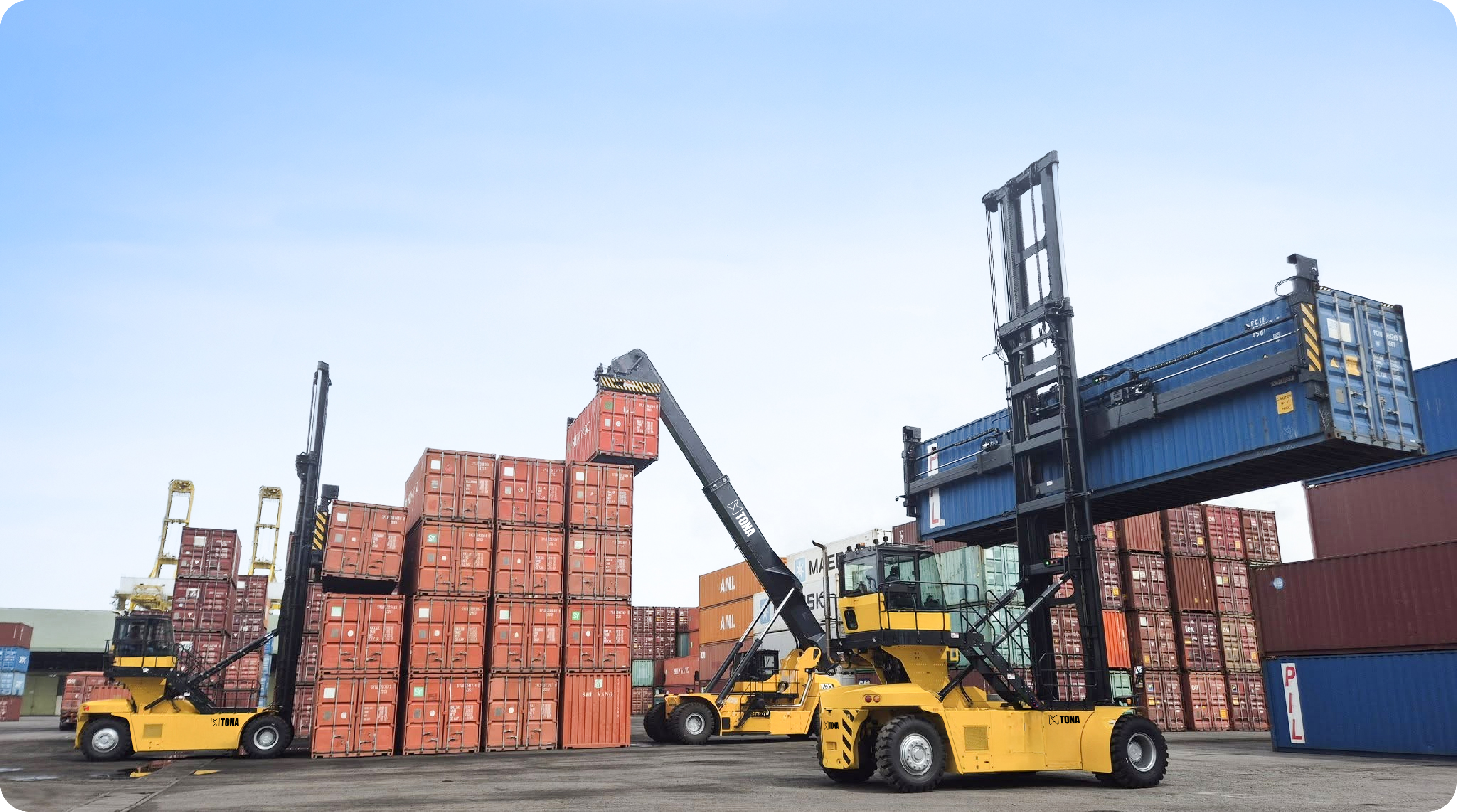
Understanding the different types of equipment used in container unloading is essential for effective maintenance. Below are some of the most common machines used in container handling and their respective maintenance needs:
Cranes (STS Cranes, Gantry Cranes, Mobile Cranes)
Cranes are critical in lifting and lowering containers during unloading. These large machines require regular inspection of their lifting systems, hydraulic components, and safety devices. Maintenance should focus on checking the stability of the crane’s arm, hydraulic fluid levels, and cable wear to ensure smooth and safe operations. Timely repairs to structural issues are also important to avoid accidents and extend the crane’s service life.
Reach Stacker
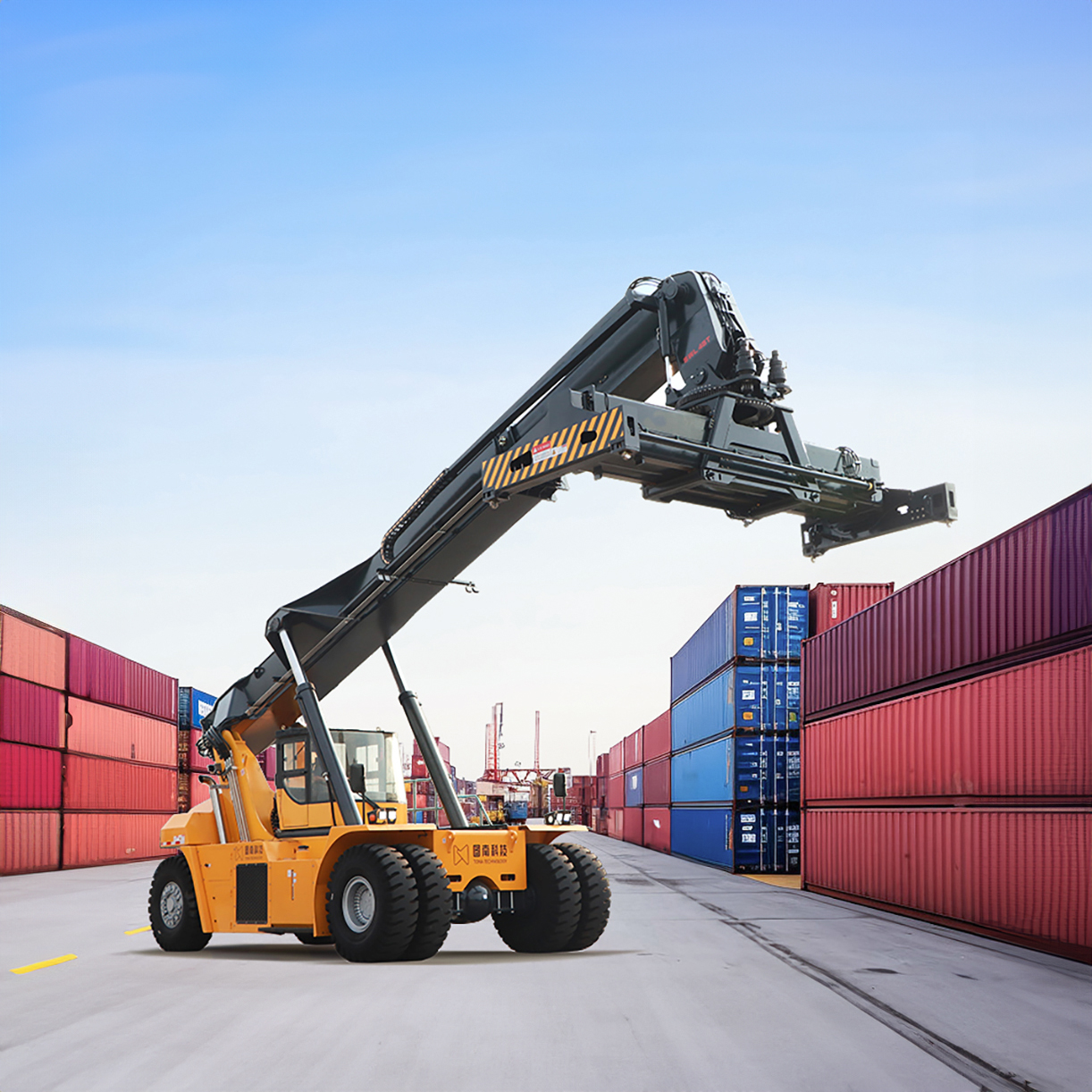
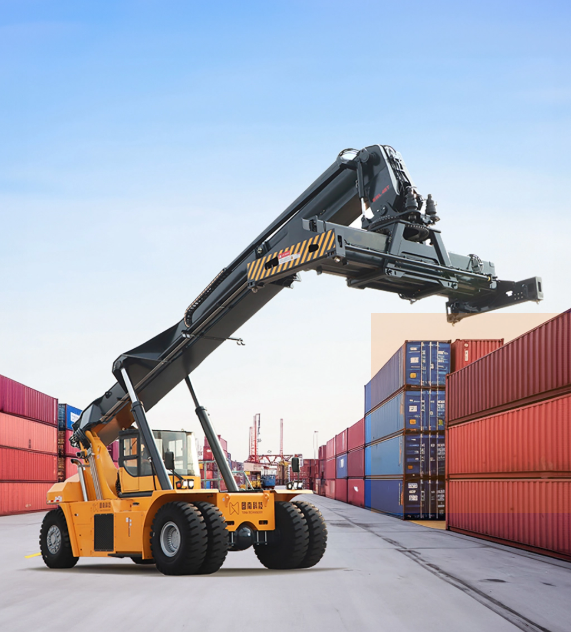
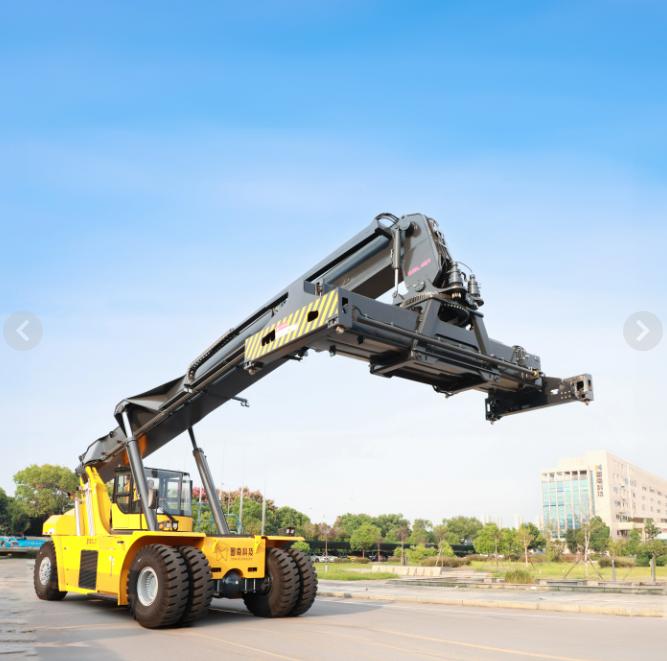
The reach stacker is designed to handle containers with versatility, capable of stacking containers both vertically and horizontally. Routine maintenance of a reach stacker should focus on its hydraulic system, lifting arms, and engine components. Lubricating the telescopic arm and checking for hydraulic fluid leaks can help prevent damage. Additionally, the reach stacker’s tires and wheel alignment need to be checked regularly to ensure stability when moving containers over long distances. Routine maintenance tasks like checking fluid levels and wear parts can help extend its working life. ([tona-tec.com](https://www.tona-tec.com/What-Is-The-Life-Expectancy-of-A-Reach-Stacker-id49985775.html?utm_source=chatgpt.com))
Conveyor Systems and Auxiliary Tools
Conveyor systems are often used for unloading containers that carry bulk or packaged goods. Maintenance for conveyors involves checking rollers, belts, and motors to prevent breakdowns. Lubrication of moving parts and regular inspections of the belts for wear and tear are essential. Auxiliary tools such as pallet jacks and ramps should also be maintained to ensure smooth operation during unloading tasks.
Daily Maintenance Best Practices
Daily maintenance is critical for ensuring that container unloading equipment is ready for use. Below are some key daily practices to follow:
Lubrication: Ensure that all moving parts, such as the reach stacker’s arm and the forklift’s lifting mechanism, are properly lubricated to reduce friction and prevent wear.
Hydraulic Fluid Check: Check the hydraulic fluid levels regularly to ensure smooth operation. Low fluid levels can affect lifting capacity and cause strain on the hydraulic system.
Brake and Tire Inspection: Inspect the brakes and tires for wear. Properly functioning brakes are essential for safety, while well-maintained tires ensure the stability of the machinery during operation.
Safety Device Checks: Verify that all safety features, such as alarms and load indicators, are working properly to prevent accidents.
Weekly and Monthly Maintenance Routines
In addition to daily checks, weekly and monthly maintenance routines help identify potential issues before they escalate. Below are some key areas to focus on for more in-depth checks:
Weekly Maintenance
Inspection of Hydraulic Hoses: Examine hydraulic hoses for leaks, cracks, or signs of wear. Replace damaged hoses immediately to prevent hydraulic system failures.
Inspection of Electrical Components: Check wiring and connections to ensure proper functionality.
Battery Maintenance: For electric equipment, regularly check the battery voltage, terminals, and charging system to avoid interruptions in operations.
Monthly Maintenance
Comprehensive Equipment Check: Perform a full inspection of the entire system, including lifting mechanisms, engines, and structural components.
Performance Evaluation: Assess the performance of equipment, including its speed, lifting capacity, and maneuverability, to ensure it operates within specifications.
Load Testing: Conduct load testing to verify that the equipment can safely handle expected weights.
Safety Inspections & Compliance Checks
Safety is a top priority when operating container unloading equipment. Regular safety inspections should include:
Operator Training: Ensure operators are trained in safe equipment handling and maintenance protocols.
Compliance with Regulations: Conduct periodic checks to ensure the equipment complies with local and international safety standards.
Inspection of Safety Features: Regularly test alarms, emergency shutdown systems, and warning lights to ensure correct function.
How Technology Improves Maintenance
Advancements in technology have made equipment maintenance more efficient. Some notable innovations include:
Predictive Maintenance Systems: Modern equipment often comes with IoT sensors that monitor condition in real time and provide alerts when maintenance is needed.
Maintenance Management Software: Software solutions help track maintenance schedules, provide reminders for inspections, and generate reports for better decision-making.
Remote Monitoring: Some equipment can be monitored remotely, allowing operators to detect issues before they cause downtime and schedule repairs proactively.
Industry Viewpoints on Maintaining Container Unloading Equipment
Harsle
Harsle recommends daily inspections of hydraulic systems and safety components as part of a proactive maintenance strategy. They emphasize keeping detailed logs to track repairs and replacements.
Midstate Containers
Midstate Containers highlights the importance of regularly checking equipment for wear and tear, especially for components frequently used during unloading. A preventative maintenance schedule can ensure timely repairs and prevent failures.
ShipScience
ShipScience advocates a comprehensive maintenance plan that blends preventive and corrective actions. Monitoring equipment performance over time helps detect issues early and avoid larger problems.
Triwich
Triwich advises focusing on key performance areas, such as hydraulic fluid levels and lifting capacity, and training staff to recognize maintenance needs before they lead to equipment failure.
Joloda
Joloda emphasizes the importance of integrating safety inspections into routine maintenance. Regularly testing features like emergency brakes and load sensors ensures equipment remains safe to operate.
Conclusion
Proper maintenance of container unloading equipment is vital to ensuring reliability, safety, and longevity. From daily checks to advanced maintenance systems, regular upkeep helps avoid downtime, reduce costs, and maintain efficiency. Following best practices and leveraging technology can help businesses keep their machinery, like the reach stacker, in optimal condition and ensure smooth operations for years to come.
Related Blogs
-
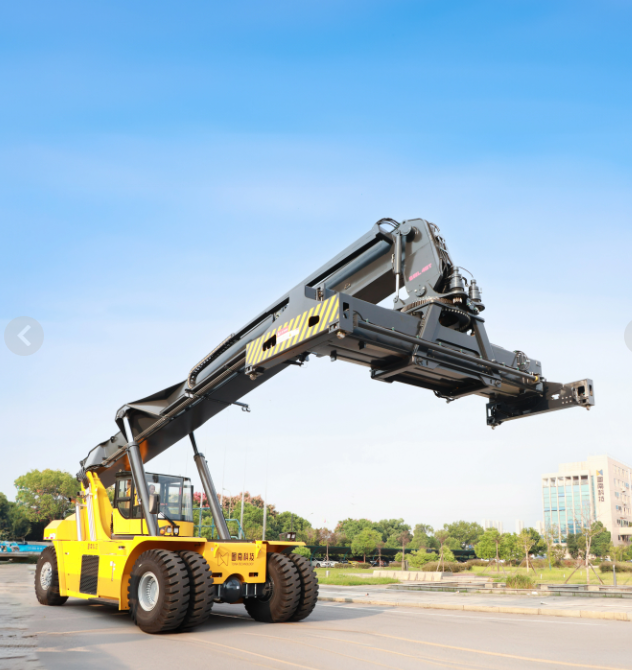 This guide walks through a practical, port-ready workflow—before arrival, on the quay, in the yard, and at the gate—so you can reduce delays, improve handling quality, and choose the right equipment (including the reach stacker) for each step.hot blog
 -
 This guide breaks down the most important factors that affect container unloading service quality, including labor readiness, equipment fit, process discipline, technology, and the role of a reach stacker in yard efficiency. Use it as a practical checklist when comparing providers or improving your internal unloading process.hot blog
 -
 How to Book a Container Unloading Service QuicklyWhen you need a container unloading service fast, “quick booking” is only half the job. The real goal is to secure the right crew, the right time window, and the right site setup so unloading starts on schedule and finishes without delays.hot blog
 -
 If you’re searching for a container unloading service, you’re probably not just paying for “extra hands.” A truly professional team brings a repeatable process that protects your freight, keeps the dock moving, and leaves you with clear receiving records you can trust.hot blog