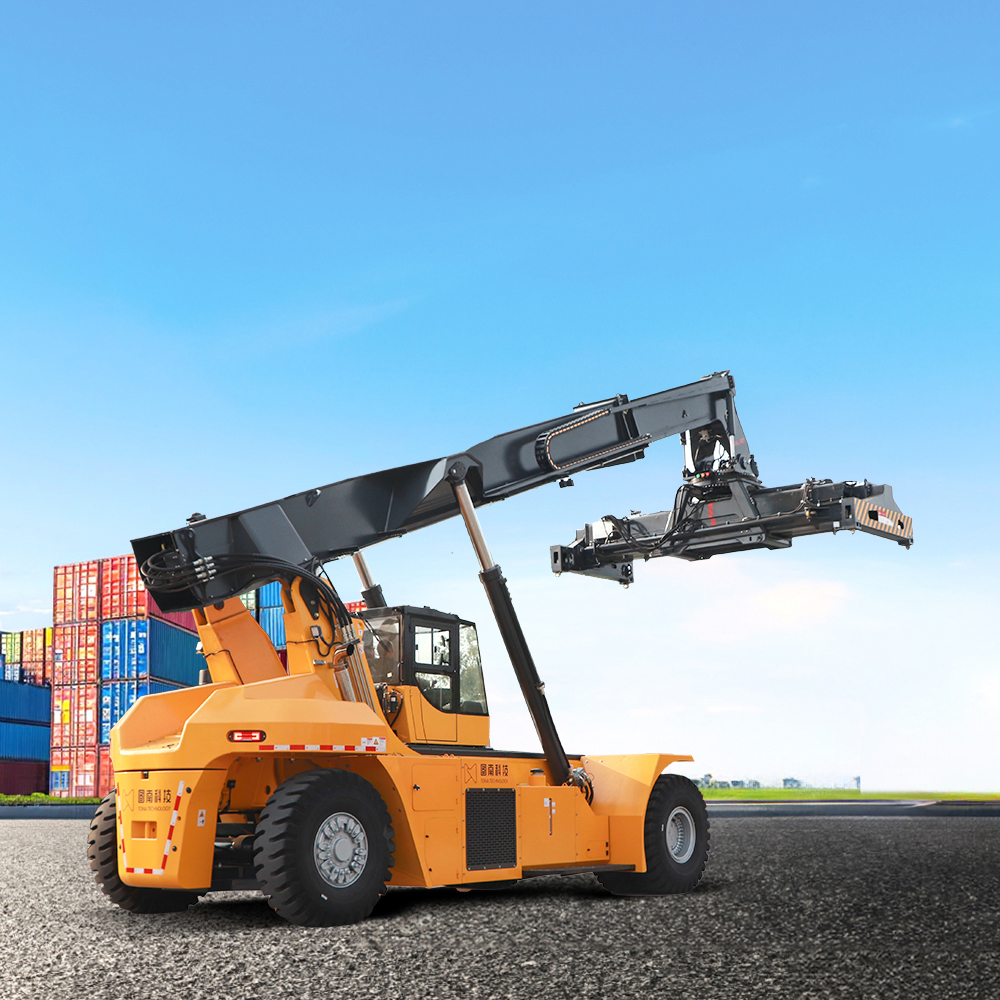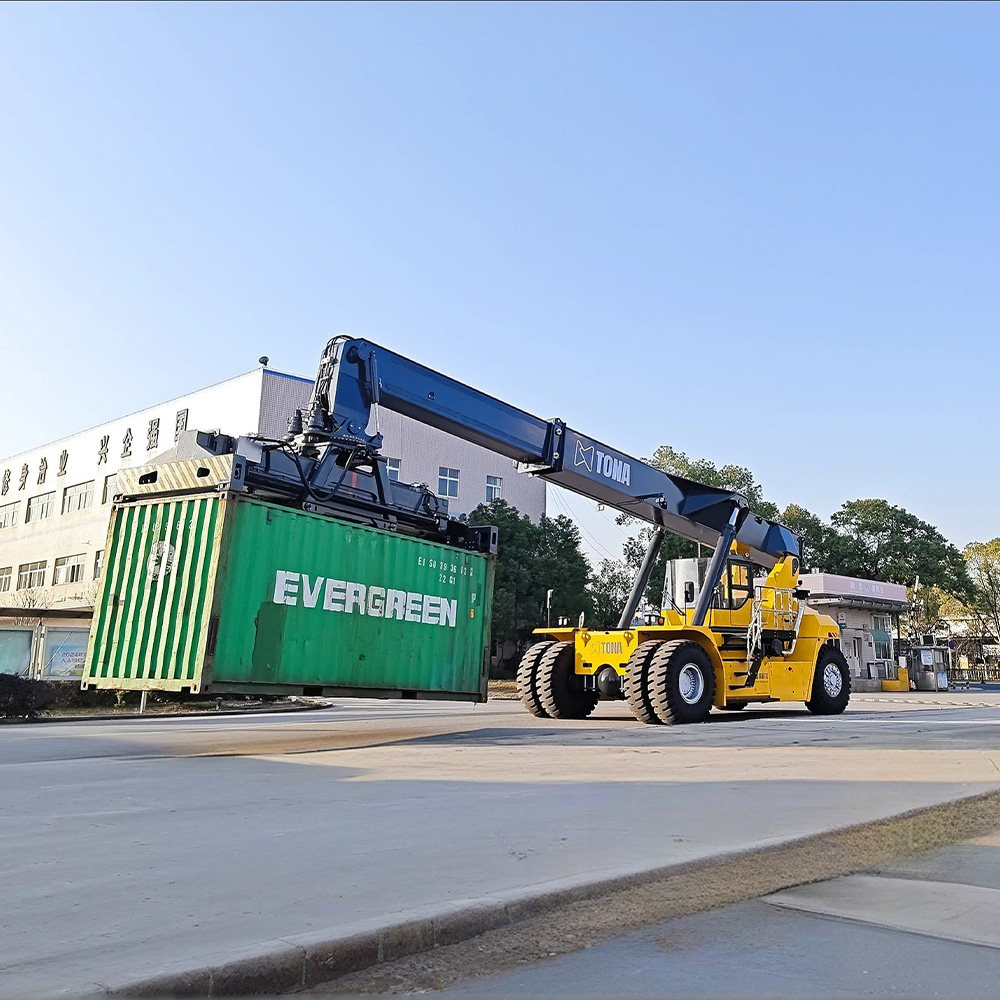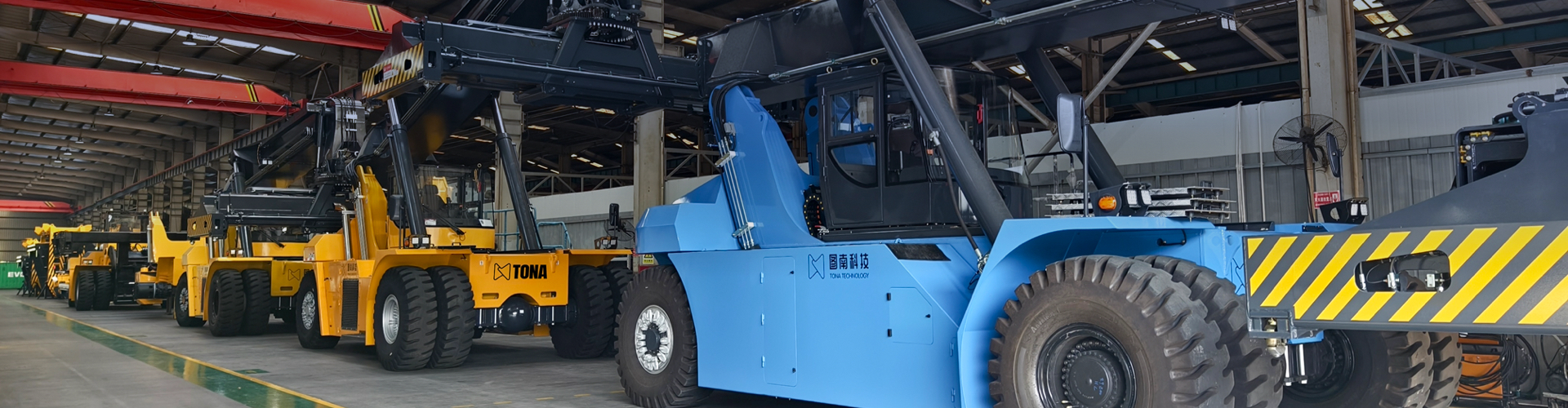

Are your yard bottlenecks costing you daily profit? Poor physical layouts severely hinder modern terminal logistics. Efficiency relies heavily on proper spatial configuration. The role of a reach stacker in contemporary freight handling is transformative. It offers unparalleled agility compared to fixed-path cranes. However, optimizing your physical layout is the critical first step before investing in any material handling equipment. Moving beyond mere machinery specifications, this guide focuses on engineering the exact environment where these robust vehicles perform optimally.
Key Takeaways
- Optimal Surface Requirements: High-load-bearing flat concrete or asphalt surfaces are strictly non-negotiable to prevent ground failure.
- Space Utilization: Container slot density is directly dictated by equipment turning radii and operational lane widths.
- Throughput Dynamics: Terminal productivity relies on balancing equipment travel speed with structured traffic flow patterns.
- Operational Safety: Clearance zones, pedestrian segregation, and clear traffic management systems drastically reduce industrial accidents.
- Future-Proofing: Designing flexible layouts allows terminals to accommodate both standard units and specialized machinery as operational demands evolve.
Industry Trends: The Shift Toward Dynamic Spatial Design
Recent industry analyses reveal a distinct shift toward data-driven spatial design. Modern ports are rapidly moving away from static block planning. Instead, they adopt dynamic grid layouts integrated with automated yard management systems. This digital twin approach emphasizes highly adaptable physical spacing. It allows terminals to respond instantly to fluctuating global shipping schedules. Furthermore, the push for electrification and zero-emission operations demands layouts that incorporate strategic charging infrastructure without compromising heavy equipment traffic flow.
Understanding the Operational Footprint
The fundamental advantage of this handling equipment lies in its maneuverability. Unlike rail-mounted gantry cranes operating on fixed paths or straddle carriers demanding straight lanes, mobile handlers navigate complex yard geometries easily. This agility allows for rapid shifts in operational focus. Consequently, it demands a highly specific operational footprint. Site planners must account for the dynamic shifting of the equipment center of gravity during travel and lifting phases. Aisles must be wide enough to accommodate these movements safely to prevent tip-overs.
The Importance of the Turning Circle in Aisle Planning
A critical metric in yard design is the turning circle. When hauling a standard 40-foot container, the outer turning radius extends significantly. Depending on the exact wheelbase and steering geometry, the required aisle width for a safe 90-degree turn usually ranges between 15 to 18 meters. Failing to design lanes with adequate turning circles forces operators into multi-point turns. This operational friction drastically increases cycle times. It also accelerates tire wear and raises collision probabilities. Proper geometric planning minimizes wasted space between container rows. This directly improves your daily throughput.
Analyzing Reach and Lift Capacity Requirements
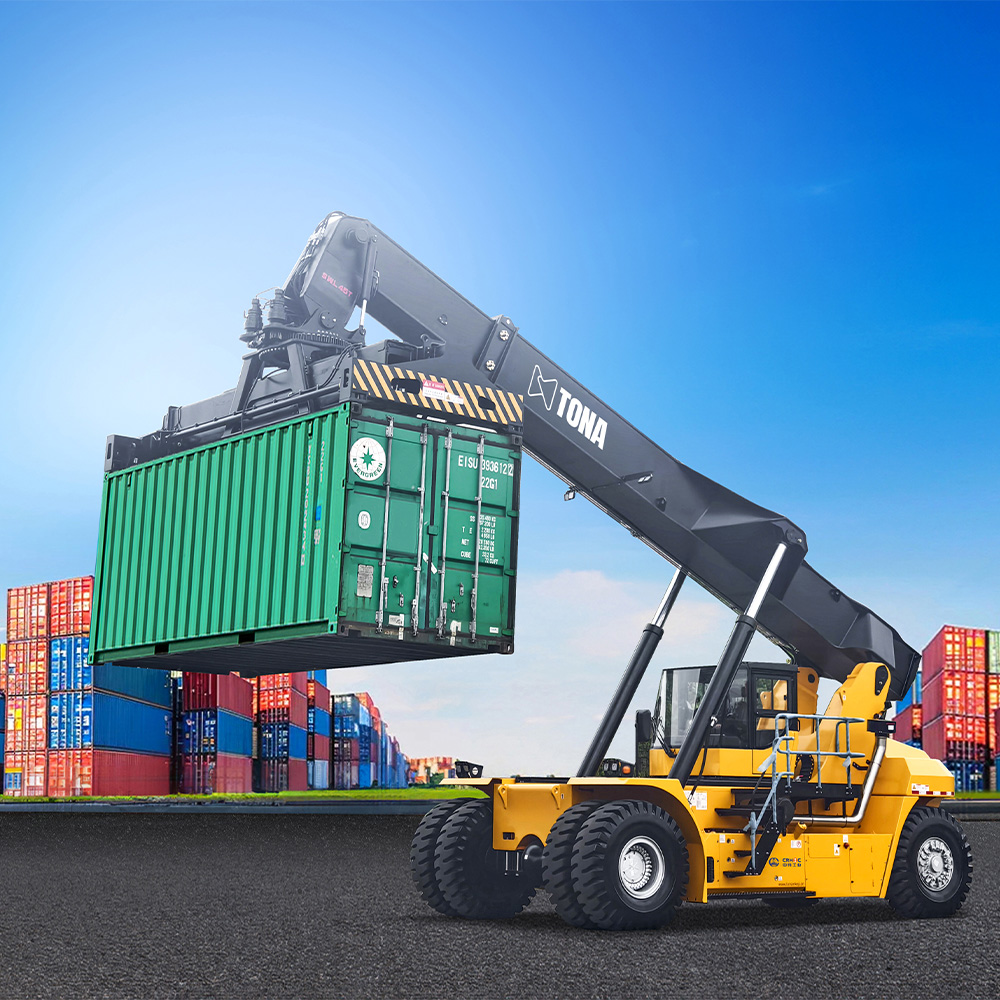
Determine your required stacking height before finalizing the yard layout. A defining feature is the telescopic boom. This component allows access to the second and third rows of a container block. Naturally, lifting capacity decreases as the boom extends outward. Planners must align physical stacking depth with specific load charts. For instance, if a terminal primarily handles heavy laden containers, the layout should prioritize shallow blocks. Two rows deep is typically the maximum to prevent operators from exceeding safe working loads. Conversely, high-density yards dealing with lighter cargo can confidently implement multi-high deeper stacking capabilities.
Essential Surface Infrastructure for Heavy-Duty Equipment
Ground integrity serves as the absolute backbone of your daily operations. The relationship between the machinery and the pavement is a critical factor in terminal longevity. Due to the cantilevered design of the equipment, the front axle bears an immense amount of weight. Specifically, the static and dynamic ground bearing pressure exerted by a fully loaded 45 ton container reach stacker can easily exceed 100 tons on the front drive axle alone. Operating on soft or uneven ground leads to catastrophic infrastructure failure. Severe rutting and equipment instability pose extreme safety risks to operators and cargo alike.
Standardizing Surface Materials and Drainage
To combat these extreme mechanical forces, standardizing your surface materials is essential. High-strength reinforced concrete remains the industry gold standard for stacking areas and primary lifting zones. It brilliantly resists the static point loads of container corner castings. It also handles the high-pressure pivoting of tires without deforming. In contrast, heavy-duty reinforced asphalt is often utilized for driving lanes. This material provides a smoother ride that reduces structural fatigue on the chassis.
Furthermore, water ingress acts as the primary enemy of yard infrastructure. A well-designed layout must incorporate a subtle gradient of 1 to 1.5 percent. This should be paired with heavy-duty trench drains capable of withstanding massive axle loads. Standing water penetrates pavement micro-cracks and erodes the sub-base over time. Ultimately, this compromises the lateral stability of lifting operations.
Core Equipment Layout Comparison
| Equipment Type | Min. Aisle Width Required | Max Stacking Depth | Ground Pressure Profile |
|---|---|---|---|
| Standard Boom Stacker | 15 - 18 meters | 3 Rows Deep | Extremely High Front Axle Load |
| Empty Container Handler | 9 - 12 meters | 1 Row Deep | Moderate Distributed Load |
| Straddle Carrier | Linear Travel Only | 1 Row Deep | Low Distributed Load |
Optimizing Lane Width and Stacking Patterns
The geometry of container blocks directly influences terminal throughput. Layout planners must strike a delicate balance. You need to maximize storage density while maintaining rapid access to individual boxes. To achieve maximum density, blocks are typically arranged in long parallel rows. The spacing must accommodate physical equipment widths while leaving a generous safety margin for operator error.
The Impact of Inventory Strategies on Layout
The chosen inventory management strategy heavily dictates the physical layout. Terminals operating on strict First-In First-Out principles require highly accessible blocks. This often utilizes single or double-row stacking with ample aisle space. Such a layout maximizes retrieval speed for perishable or high-turn goods but sacrifices overall storage density.
Alternatively, Last-In First-Out methods allow for deeper block configurations. Three or four rows deep are ideal for long-term storage. However, they require operators to perform multiple shuffling moves to retrieve specific containers. Row orientation also matters. Parallel rows generally promote faster transit times by allowing predictable travel paths. Perpendicular rows often work better for integrating rail spurs into irregularly shaped yards.
Traffic Flow and Terminal Connectivity
A material handler does not operate in a vacuum. It functions as a central node within a complex logistical ecosystem. Therefore, the yard layout must seamlessly integrate stacking zones with external logistical flows. Efficient handover zones are critical. The layout must provide designated transfer areas. Here, external road trucks can safely receive or deliver containers without blocking the primary stacking aisles.
Establishing Buffer Zones and Safety Signaling
To prevent equipment bottlenecking, strategic buffer zones should be integrated. These temporary staging areas allow containers to be dropped quickly during peak arrival surges. This reduces congestion and allows machinery to return to primary loading operations immediately.
Equally important is the implementation of strict traffic management. The yard design must physically separate heavy equipment from pedestrian traffic and light vehicles. Use clearly painted walkways and high-visibility crossing areas. Prevent dangerous blind spots by installing concrete barriers, stop signs, and convex mirrors. This ensures constant visibility at all intersections.
Scalability: Supporting Different Classes of Equipment
Terminal layouts must remain dynamic. They need the capability to adapt to fluctuating cargo volumes and evolving fleet compositions. Designing with scalability in mind prevents costly infrastructure overhauls in the future. Many modern terminals utilize a tiered approach to equipment deployment. While laden freight requires robust machinery like a heavy duty reach stacker for ports and railways, empty containers demand different handling.
Integrating a lightweight reach stacker for container handling into the fleet allows operators to navigate narrower aisles. This executes faster lifting cycles for empty boxes. Your layout must accommodate this mixed-fleet reality. Designate specific empty blocks with tighter row spacing and lower ground-bearing pressure requirements. Designing block storage areas with adjustable widths allows you to scale up temporarily during busy seasonal spikes.
Safety and Compliance in Yard Design
Regulatory compliance and operational safety serve as the foundational pillars of any yard layout. A terminal that merely looks efficient on paper is entirely insufficient if it violates occupational safety standards. Local regulations dictate mandatory clearance distances between stacked containers. They also outline maximum allowable stacking heights based on wind loads and the required width of emergency access routes.
Continuous day and night operations demand exceptional visibility. The yard layout must include a strategic grid of high-mast industrial-grade LED floodlights. These illuminate aisles without casting deep shadows between container stacks. High-density storage also poses significant fire risks. Therefore, the layout must incorporate dedicated fire lanes wide enough for municipal fire engines. Fire suppression points must be clearly designated near volatile or hazardous material storage areas.
Actionable Selection Guide for Existing Layouts
When designing a new terminal from scratch is not financially feasible, operators must carefully match equipment specifications to existing spatial constraints. Avoid choosing equipment based solely on top-tier marketing specs. Instead, use these engineering criteria to select the unit that fits your daily operating environment:
- Wheelbase vs. Aisle Width: A larger wheelbase provides exceptional lifting stability but significantly increases the turning radius. Terminals burdened with narrow aisles must prioritize tighter wheelbase models to improve agility and prevent infrastructure damage.
- Ground Pressure Limits: If your current pavement cannot support massive 100-ton front axle loads, upgrading civil infrastructure is often highly disruptive. Procuring lighter specialized machinery for specific zones is usually the smarter commercial decision.
- Boom Extension Capacity: Match the equipment load chart to your block depth. If your yard layout forces three-row deep stacking, ensure the selected machine maintains sufficient lifting capacity at maximum boom extension.
Conclusion
Yard design serves as the bedrock of terminal excellence. Machinery and civil infrastructure must work together seamlessly to maximize operational throughput. A well-planned site minimizes bottlenecks, enhances safety, and drives profitability. Carefully assess your long-term storage and handling goals. Align your chosen fleet with your unique spatial configuration. By bridging the gap between engineering constraints and equipment capabilities, a smart layout plan inevitably leads to long-term logistical success.
Ready to upgrade your terminal operations? Evaluate your site constraints and explore the full range of specialized lifting solutions at TONA TEC to find the exact machinery that matches your yard layout and throughput demands.
FAQ
How much space does a material handler need to turn around?
Typically, the required turning radius ranges between 7 to 9 meters depending on the specific model and wheelbase geometry. However, to execute a safe 90-degree turn while carrying a standard 40-foot container, operational aisle widths usually need to be between 15 to 18 meters. This prevents multi-point turns and avoids collisions with stacked rows.
Can operations occur on gravel or dirt surfaces?
No, operating on unpaved or soft surfaces is highly dangerous. Due to the extreme front-axle loads, high-strength reinforced concrete or heavy-duty asphalt is strictly required. Uneven or soft ground significantly affects lateral stability. This leads to severe rutting and a high risk of equipment tip-overs.
What is the difference in yard layout requirements versus a straddle carrier?
Straddle carriers require specific straight high-clearance lanes and operate directly over the container rows. This necessitates very precise linear yard configurations. In contrast, boom-equipped stackers are more versatile and can navigate complex geometries. However, they require wider intersection turning circles and tighter high-density row planning to manage the physical swing of the container.
How many rows of containers can a standard machine effectively manage?
Most standard models are designed to effectively manage blocks up to three rows deep. This typically involves double-stacking or triple-stacking aisle configurations. While they can physically reach the third row, lifting capacity decreases significantly with boom extension. This means the heaviest containers must be kept in the first or second rows.
Why is ground pressure capacity important for my terminal layout?
Ground bearing pressure capacity is vital because a fully loaded machine exerts massive concentrated weight on a very small footprint. Failure to engineer the pavement to withstand these static and dynamic point loads will lead to rapid surface degradation. This results in expensive infrastructure repairs and unsafe lifting conditions for your operators.
What is the maximum ground gradient suitable for these heavy handlers?
For safe lifting operations, the working surface should be as flat as possible. A maximum gradient of 1 to 1.5 percent is recommended solely for drainage purposes. Operating on steeper slopes severely shifts the center of gravity, drastically increasing the risk of tipping during high lifts.
How does yard layout geometry affect tire wear?
Tight aisles that force operators into frequent multi-point turns or sharp pivoting maneuvers cause extreme abrasive wear on the front drive tires. Designing wider intersections and sweeping turn lanes reduces this friction. This significantly extends tire lifespan and lowers long-term maintenance costs.
Related Blogs
-
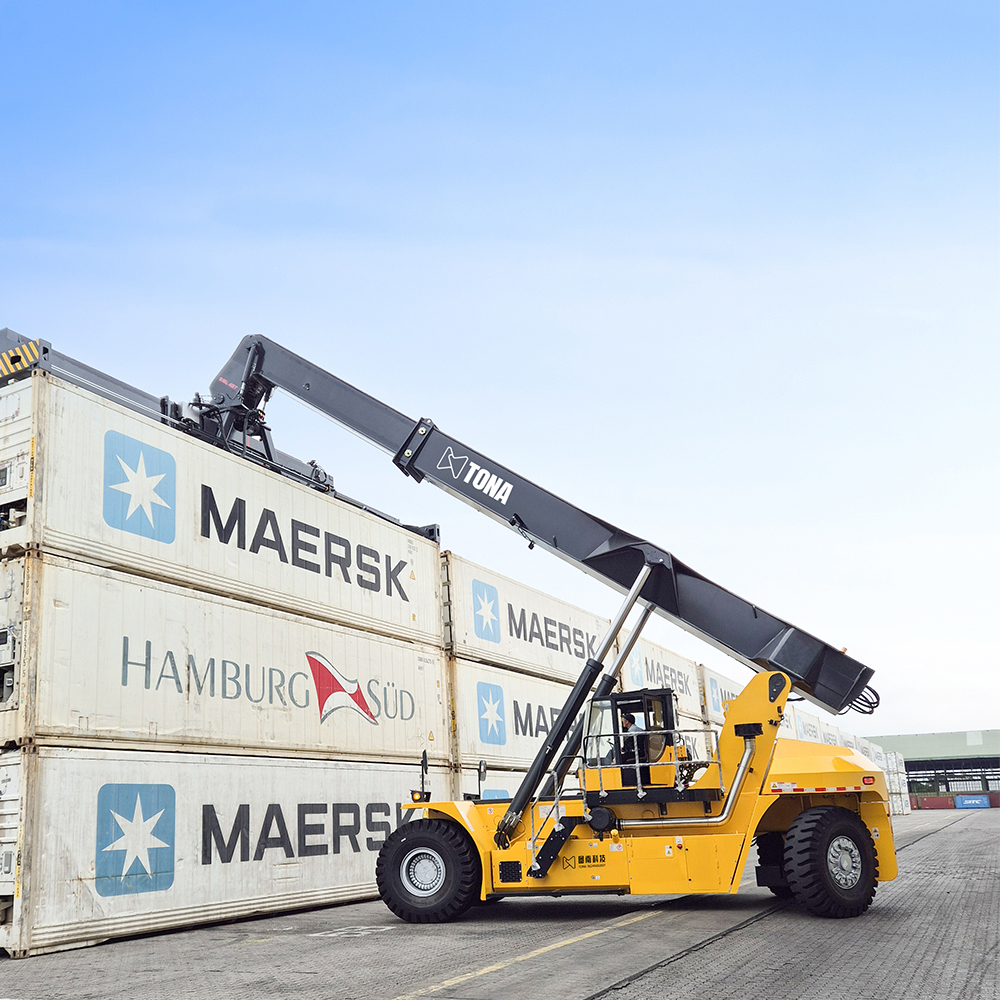 Discover the load capacities and use cases of intermodal reach stackers. Learn how row depth, attachments, and compact designs impact safe heavy lifting in busy container yards.
-
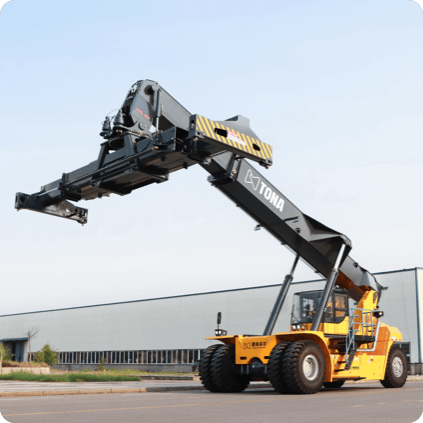 Operating heavy reach stackers requires robust ground to handle massive axle loads. This guide details essential pavement and safety standards to prevent equipment rollovers.