

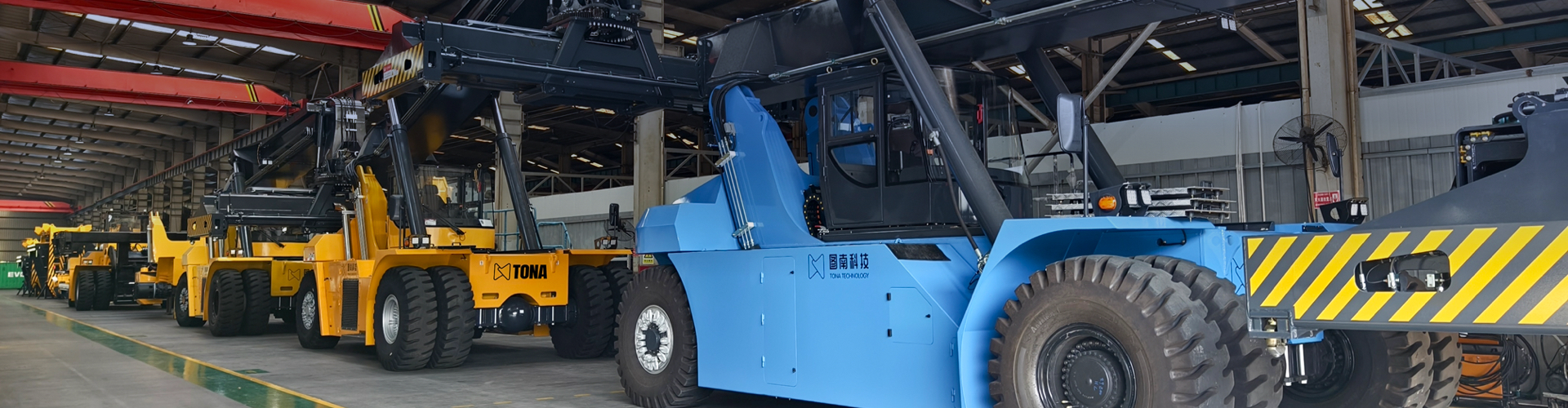

Operating heavy machinery on inadequate surfaces causes severe accidents, damaged equipment, and massive workflow bottlenecks. Terminal operators must match their equipment to specific yard terrain to maximize efficiency, safety, and asset lifespan. Ignoring the ground beneath your equipment is a costly mistake.
At the core of port logistics is the empty container handler. Engineers explicitly designed this vital machine for stacking and moving unladen shipping containers. Because these machines are essential for modern port operations, understanding how they interact with their environment is non-negotiable. This guide breaks down the ideal surface types for terminals. We will explore weight distribution, evaluate weather impacts, and define actionable standards for choosing the right power type based on your yard topography.
Key Takeaways
Concrete is the Ultimate Standard: Reinforced concrete provides the ideal ground condition. It offers maximum stability and minimum rolling resistance for high-tonnage lifting.
Ground Bearing Pressure Dictates Safety: Operators must calculate axle loads accurately before lifting. The surface must support the immense combined weight of the machine and the container.
Gradients Multiply Risk: Operating on uneven terrain or steep gradients significantly increases the risk of fatal tip-overs. Terminal surfaces should maintain less than a 2 percent grade.
Power Architecture Alters Weight: Heavy battery packs change how the equipment interacts with the ground. This subtly impacts the ground pressure requirements for the yard.
Weather Demands Adaptation: Rain, ice, and snow drastically alter ground friction. Operators must modify driving habits and utilize specific tire treads.
Understanding the Operating Environment
The Engineering Reality in Port Operations
In fast-paced global logistics hubs, rapid organization of unladen containers maintains throughput. These machines optimize container handling and keep yards ready for transport. However, the mechanical reality of their job creates unique structural challenges. Stacking containers up to eight units high generates a highly elevated center of gravity. Consequently, the machine becomes incredibly sensitive to lateral shifts.
The ground must act as a perfectly stable foundational anchor. Any minor depression at the tire level transfers directly up the mast. This geometric amplification causes stacked containers to sway dangerously at extreme heights. Solid ground is not just a preference; it is a strict mechanical requirement.

Why Ground Conditions Are Critical for Heavy Handlers
Machine Stability and Dynamic Shock Loads
Lifting a steel container high into the air demands absolute baseline stability. As the mast extends, the stability triangle of the machine becomes highly sensitive. The base of support is relatively narrow compared to its operating height. Therefore, even a minor dip in the ground poses a severe hazard.
Imagine an operator sitting in the cab. If the front left tire dips into a shallow rut while hoisting a container six tiers high, the resulting dynamic shift easily exceeds the counterweight capacity. This physics-driven reality leads to catastrophic tip-over events. Such accidents endanger personnel, destroy expensive machinery, and bring terminal operations to a grinding halt. Smooth, level ground remains the primary safeguard.
Tire Wear and Maintenance Budgets
Heavy machinery tires represent a massive ongoing operational expense. Yard conditions directly dictate the lifespan of these vital components. Operating on rough, unpaved, or abrasive surfaces accelerates tread wear. Pneumatic tires are highly susceptible to punctures on debris-filled ground. Conversely, solid rubber tires often experience chunking when navigating rocky surfaces. Replacing these massive tires takes the machine out of service for hours. Engineered ground minimizes friction, extends tire life, and drastically reduces annual maintenance budgets.
Ideal Surface Types: A Comparative Analysis
To provide a clear engineering perspective on yard surfacing, we have evaluated the three most common terminal ground types against key operational metrics.
Surface Type | Load Bearing Capacity | Rutting Risk | Tire Wear Impact | Best Suited For |
|---|---|---|---|---|
Reinforced Concrete | Excellent High Megapascal Rating | Zero | Minimal | High-stacking lanes, heavy electric fleets |
Heavy-Duty Asphalt | Good Viscoelastic Properties | High in extreme heat | Moderate | General transit areas, traditional diesel fleets |
Compacted Gravel/Dirt | Poor Low Bearing Ratio | Extreme | Severe Chunking/Punctures | Not recommended for active stacking |
Reinforced Concrete
Reinforced concrete is universally recognized as the absolute best choice for heavy container handling equipment. Engineered concrete slabs offer immense compressive strength. They easily withstand the high static and dynamic loads exerted by the drive axle. Concrete does not compress or deform under sustained pressure. A machine can idle or lift in one spot all day without creating permanent deep grooves.
Heavy-Duty Asphalt
Heavy-duty asphalt serves as a very common alternative globally due to its lower initial installation cost. While industrial-grade asphalt supports these machines, it possesses viscoelastic properties. It remains susceptible to rutting under heavy static loads, particularly when extreme summer heat softens the bitumen. Facilities utilizing asphalt must enforce strict yard management protocols and ensure the sub-base is deeply engineered.
Ground Bearing Pressure and Industry Trends
Calculating Axle Point Loads
Facility engineers must calculate the ground bearing pressure to assess terminal suitability. The entire weight of the machine transfers to the ground via the front drive and rear steer axles. During a lift, the mast geometry transfers the vast majority of the combined weight onto the front axle. A standard machine weighs between 35 to 45 tons. Adding a steel container increases this dynamic weight further. The ground directly beneath the front tires must possess the structural integrity to support this intense, concentrated point load without fracturing.
Industry Trends: Adapting to Zero-Emission Fleets
Recent analyses of global port infrastructure trends reveal a growing operational challenge. As terminals transition toward zero-emission goals, the shift toward battery-electric fleets introduces noticeably heavier chassis weights to terminal yards. Many legacy ports find that their aging asphalt surfaces, which perfectly supported older diesel fleets, now experience accelerated rutting and structural fatigue.
To combat this, industry leaders are increasingly retrofitting high-traffic stacking lanes with ultra-high-strength reinforced concrete pads. This ensures the ground can sustain the amplified axle loads of modern automated and electric machinery without constant degradation. Sub-grade preparation now heavily relies on geogrids and advanced drainage systems to lock stone layers tightly together.
Navigating Slopes, Gradients, and Weather
Strict Limitations on Gradients
While powerful machines possess the torque to drive up moderate inclines unloaded, active stacking operations demand strict geometric parameters. Industry standards dictate that stacking should only occur on surfaces with a gradient of less than 2 percent. Operating on steeper slopes compromises the mast tilt limitations. If the ground slopes, the mast cannot remain perfectly vertical relative to gravity. This prevents the spreader from securely locking onto container corners and drastically shifts the center of gravity toward the downhill tires.
The Impact of Severe Weather
Environmental factors temporarily degrade even the most perfectly engineered concrete yard. Rain significantly lowers the friction coefficient of the ground. Water creates a dangerous barrier between the tire tread and the surface, increasing hydroplaning risks. Furthermore, winter weather introduces severe operational hurdles. Ice and packed snow completely eliminate standard tire traction. While heavy-duty chains restore movement, they violently interact with the ground surface and accelerate asphalt degradation.
Actionable Equipment Selection Guide
Choosing the right equipment requires matching the machine specifications directly to your facility terrain. Abstract guidelines often lead to poor purchasing decisions. Here is a definitive selection standard based on real-world engineering parameters.
When to Choose Fuel-Powered Models
If your facility features sprawling, legacy outdoor yards with heavy-duty asphalt, minor unevenness, or slight gradients, a fuel powered empty container handler is the pragmatic choice. Models like the TCH90K7 deliver robust, continuous torque highly effective for powering through less-than-ideal patches. Specifically, the lighter baseline chassis weight of a combustion engine model prevents accelerated rutting on older asphalt surfaces with limited ground bearing capacity. They easily handle 9000kg capacities and stack up to 7 tiers without demanding a complete yard repaving.
When to Choose Electric Models
For newly paved, highly engineered concrete terminals found in modern green ports, an electric empty container handler represents the superior investment. Equipment like the TCH90K7E utilizes precise, computerized torque control. On smooth concrete, this precise power delivery prevents sudden wheel spin during acceleration, drastically reducing tire scuffing. However, the dense mass of large battery packs increases the overall chassis weight. Facility managers must verify that their concrete pads possess a high enough Megapascal rating to support the increased front axle load during 7-high stacking operations.
Operator Safety and Ground Condition Compliance
Pre-Operation Ground Inspections
Safety in container handling remains a proactive discipline. Before beginning any shift, operators must conduct a rigorous pre-operation inspection. This daily walkaround must identify newly formed potholes, hazardous fluid spills that reduce traction, and debris that could puncture a tire. Identifying ground defects early prevents minor surface issues from evolving into major safety incidents.
Enforcement of Service Level Agreements
Maintaining optimal ground conditions is a strict regulatory requirement. International port authority guidelines and occupational safety organizations mandate specific service level agreements regarding terminal maintenance. Facility managers must conduct regular geotechnical surveys and repair asphalt rutting promptly. Strict compliance ensures a legal, safe, and highly efficient operating environment.
Conclusion
An empty container handler is only as safe and efficient as the ground it drives on. Reinforced concrete and meticulously maintained asphalt represent the ideal surfaces, providing the necessary load-bearing capacity to support immense axle weights. Slopes, unpaved dirt, and poorly maintained yards introduce severe risks of tip-overs and accelerated equipment wear. Investing in comprehensive yard maintenance is just as critical as investing in the heavy machinery itself. Assess your terminal ground conditions today, and visit Tona-Tec to select the exact machinery engineered for your specific port environment.
FAQ
Can an empty container handler operate on dirt or gravel?
Generally, no. Dirt and gravel do not provide the necessary ground bearing capacity for this type of heavy machinery. The equipment will likely sink, get stuck, or suffer a severe loss of traction. This greatly increases the risk of a tip-over. A highly compacted, deeply engineered sub-base is the bare minimum, but reinforced concrete or heavy-duty asphalt is strongly recommended for safe operation.
Does an electric model require different ground conditions than a fuel-powered one?
While the surface material requirements remain the same, electric models are typically heavier overall due to the density of large battery packs. Facility managers must verify that their yard sub-base and surface can handle the specific, higher front axle load of the electric model to prevent accelerated rutting or surface cracking.
What is the maximum slope these machines can safely operate on?
While driving without a load, they can navigate moderate ramps. However, when actively lifting and stacking containers at height, the ground should be as close to perfectly level as possible. Industry standards strictly recommend operating on gradients of no more than 1 to 2 percent to ensure the mast remains vertical and the machine maintains absolute stability.
How does ground condition affect the machine tires?
Rough, uneven, or debris-filled ground causes rapid degradation of pneumatic tires and leads to chunking in solid rubber tires. Operating on poor surfaces accelerates tread wear dramatically. This leads to frequent, highly expensive replacements, increased maintenance budgets, and significant operational downtime.
How do you calculate ground bearing pressure for a container yard?
Engineers calculate ground bearing pressure by dividing the maximum dynamic axle load of the fully loaded machinery by the total tire contact area. They factor in the weight of the machine, the weight of the container, and the mast leverage during a high lift. The resulting figure, usually measured in Megapascals, must be lower than the certified compressive strength of the terminal pavement.
What type of tires are best for uneven terminal grounds?
Pneumatic tires are generally better suited for slightly uneven asphalt or older terminal grounds. They flex and adapt to minor surface imperfections, providing a wider contact patch that absorbs dynamic shock loads. Solid rubber tires are highly durable against punctures but transfer more shock into the chassis on rough terrain, making them better suited for perfectly smooth reinforced concrete.
Related Blogs
-
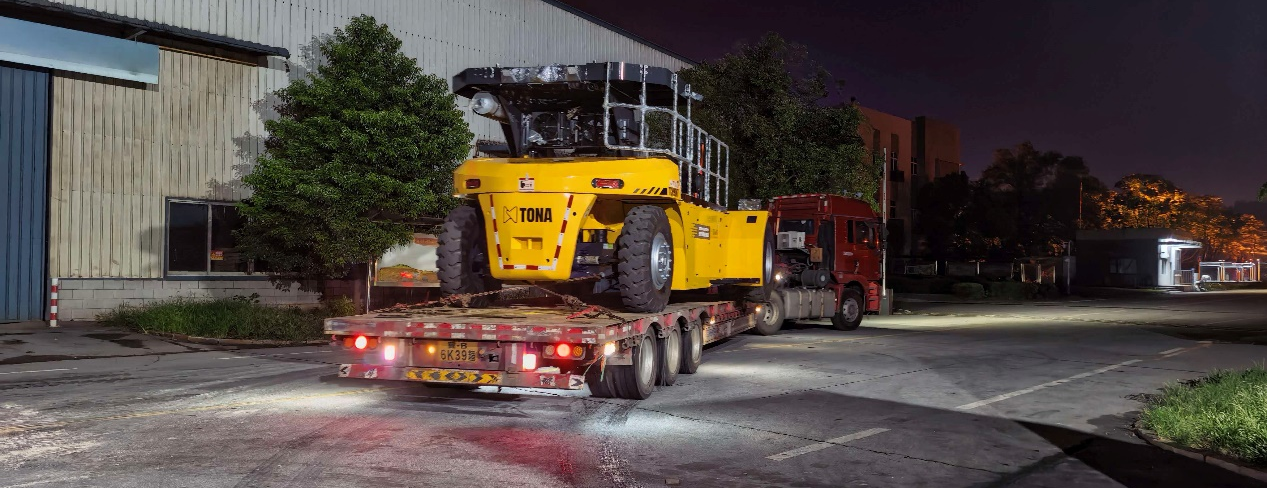 The efficient operation of port terminals and freight yards relies on the strong support of high-performance equipment. TONA's TCH90 Series Empty Container Handler is purpose-built for the handling, transfer, and stacking of 20′ and 40′ standard empty containers. With its core strengths in safety,blogs
 -
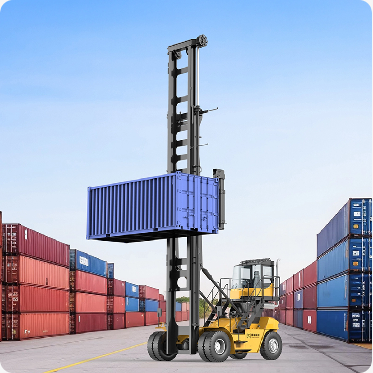 Boost depot throughput by 30% with specialized Empty Container Handlers. Learn about double handling, electric vs. fuel options, and ROI.blogs
 -
TONA Technology TCH90 series empty container handler includes diesel and electric two major models. It is primarily designed for ports, terminals, yards, and other locations to handle the loading, unloading, transfer, and stacking of 20' or 40' standard empty containers.blogs


